


White PETG Filament 1.75mm 1kg Yiqiu3D

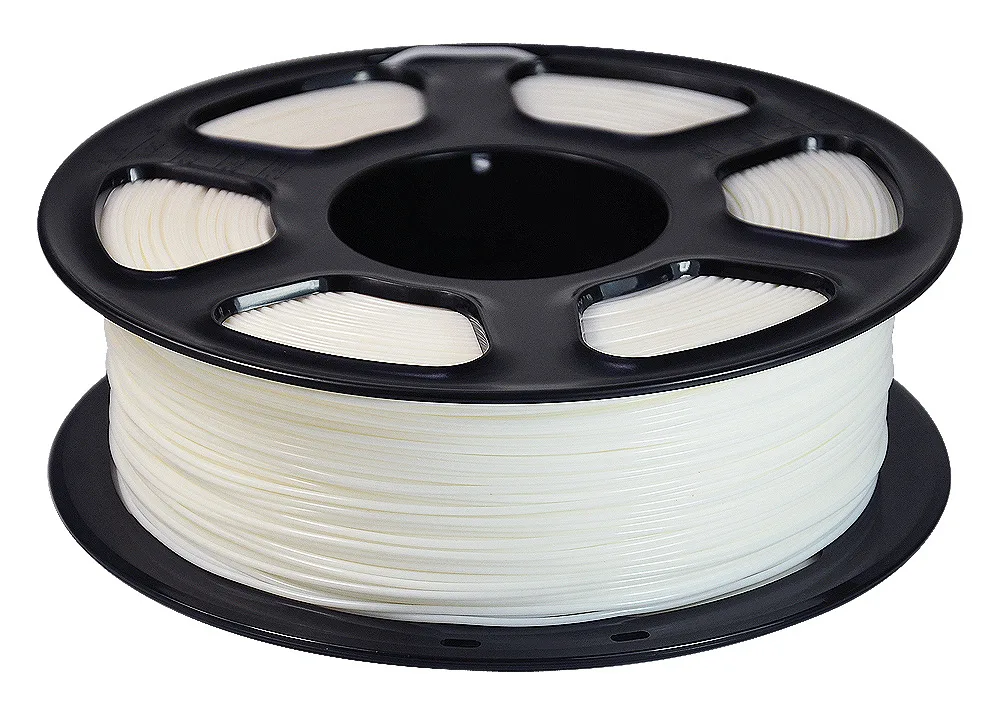
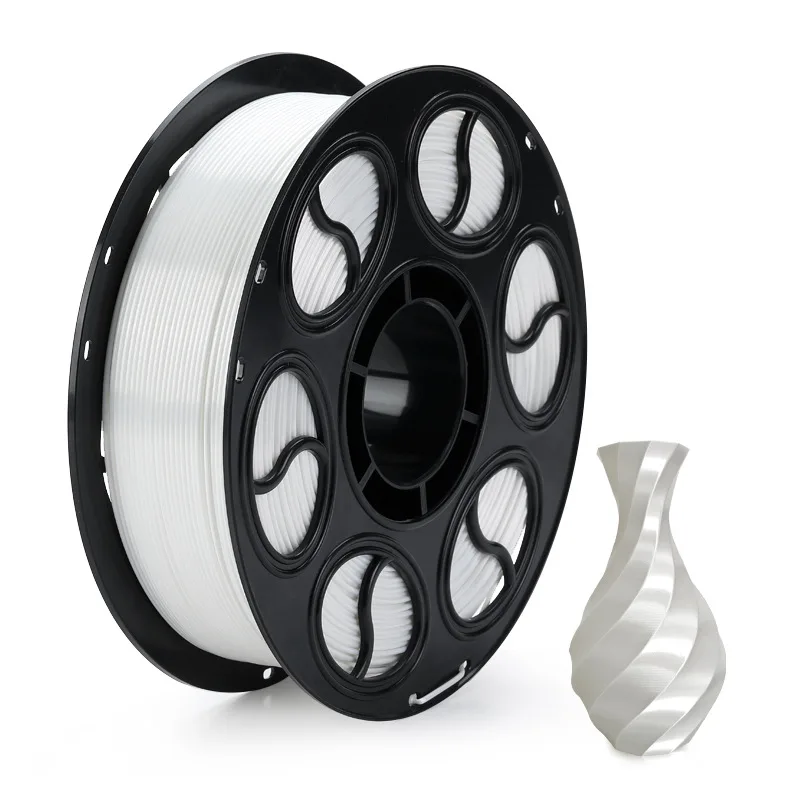
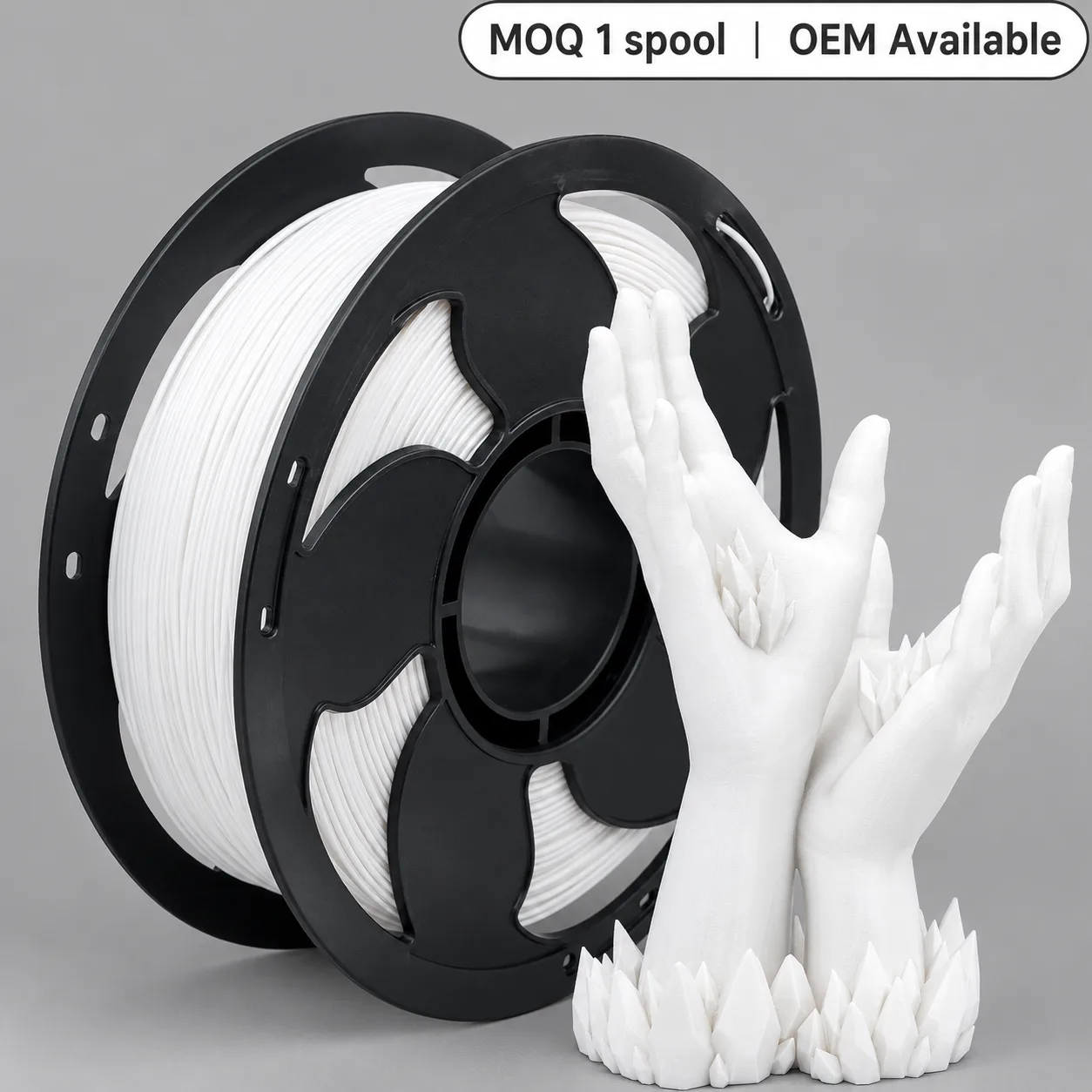
Brand: Yiqiu3D · Model: PETG 1.75mm 1kg · White that prints grey or goes see-through on thin walls makes every finished part look like a reject. White PETG Filament is a fully pigmented opaque PETG: walls read as solid white with even coverage, so enclosures, panels and fixtures keep a clean face. Its glycol-modified PETG base gives impact resistance and strong layer bonding, and it resists moisture and common chemicals better than PLA, so end-use parts hold up in damp workshops. Nozzle range 230-260°C. Request a Quote for your tier.

  • Nine colours from one production line
  • Data-sheet values you can quote from: 1.75mm diameter
  • Runs on the printer you already own: standard 1.75mm FDM machines including Bambu Lab
Compare filaments
Diameter 1.75mm
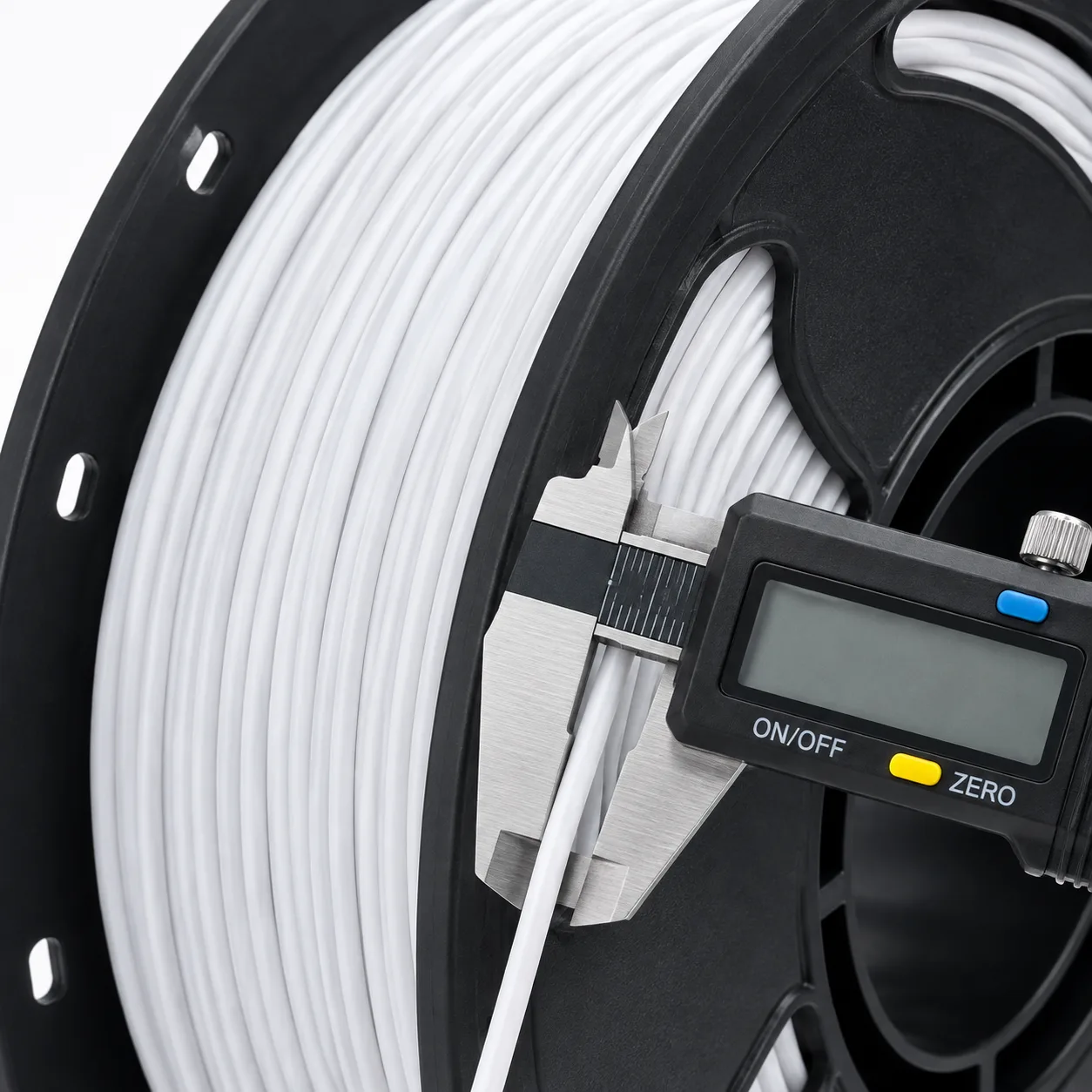
Tolerance ±0.03mm
Material PETG
Quick Answer

Why does this white print as solid white, and what makes the PETG tough?

Two things sit behind it. First, pigmentation: the white masterbatch is dosed at full loading and compounded into the pellets, so the pigment is distributed through the strand rather than only near the surface, and printed walls read as an even white instead of a washed-out grey. Second, the polymer: PETG is PET modified with glycol, which interrupts crystallisation and leaves an amorphous, more forgiving material. Impact energy is absorbed by deformation rather than a clean crack, and the layers knit during the melt, so the bond between layers is stronger than in PLA. It is also far more tolerant of moisture and common chemicals than PLA, but it is not the grade for parts in sustained high heat.

Full answers below
Is it right for my project?

Best for: A strong all-rounder for end-use parts needing toughness and easy printing without a heated chamber - available in 9 colours; lead colour PETG White. Not ideal for: Avoid where very fine cosmetic detail leads; PLA or resin prints cleaner surfaces - available in 9 colours; lead colour PETG White.

Print settings

Nozzle 230-260°C · Bed 70-80°C

01 · Why this one

Product highlights

3 reasons

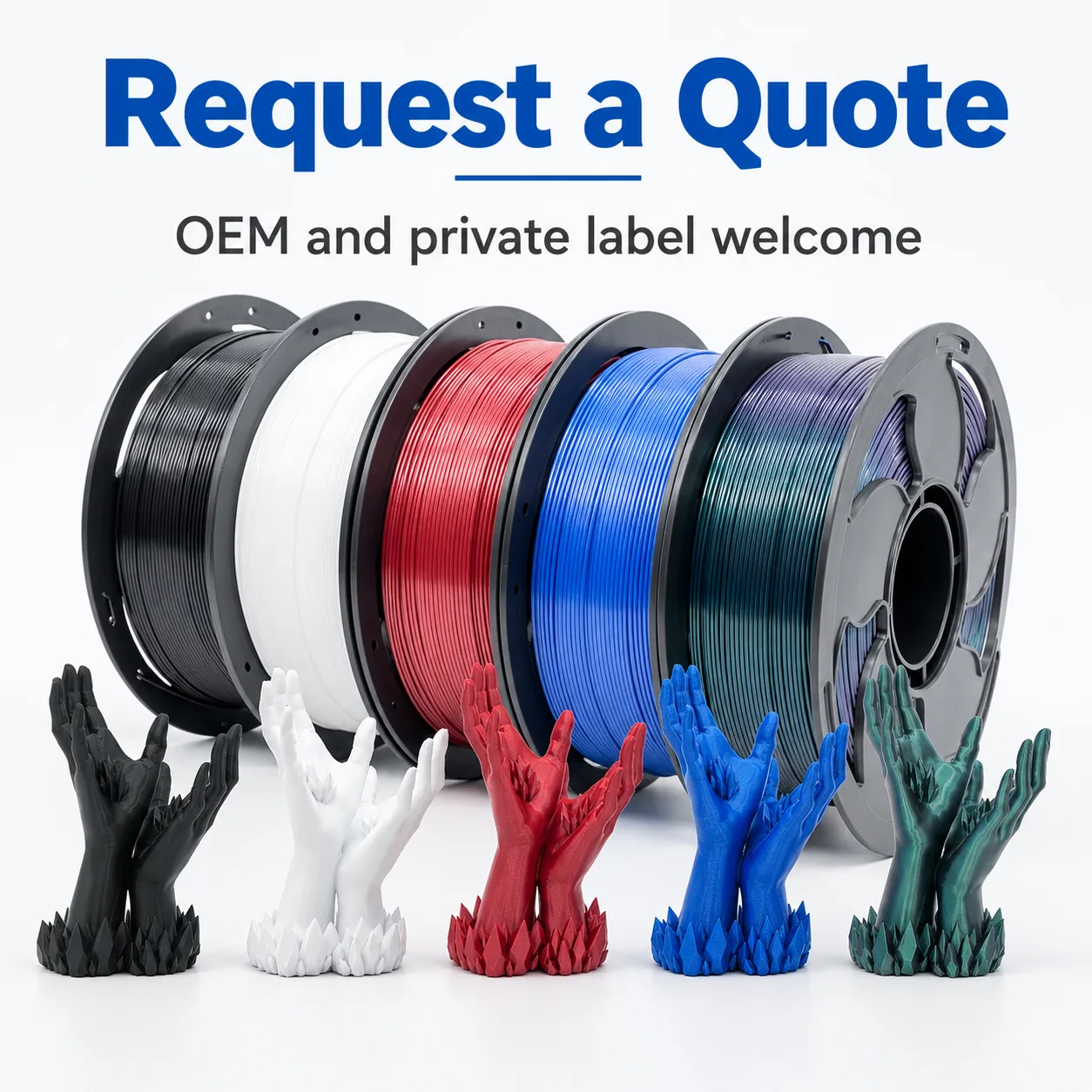
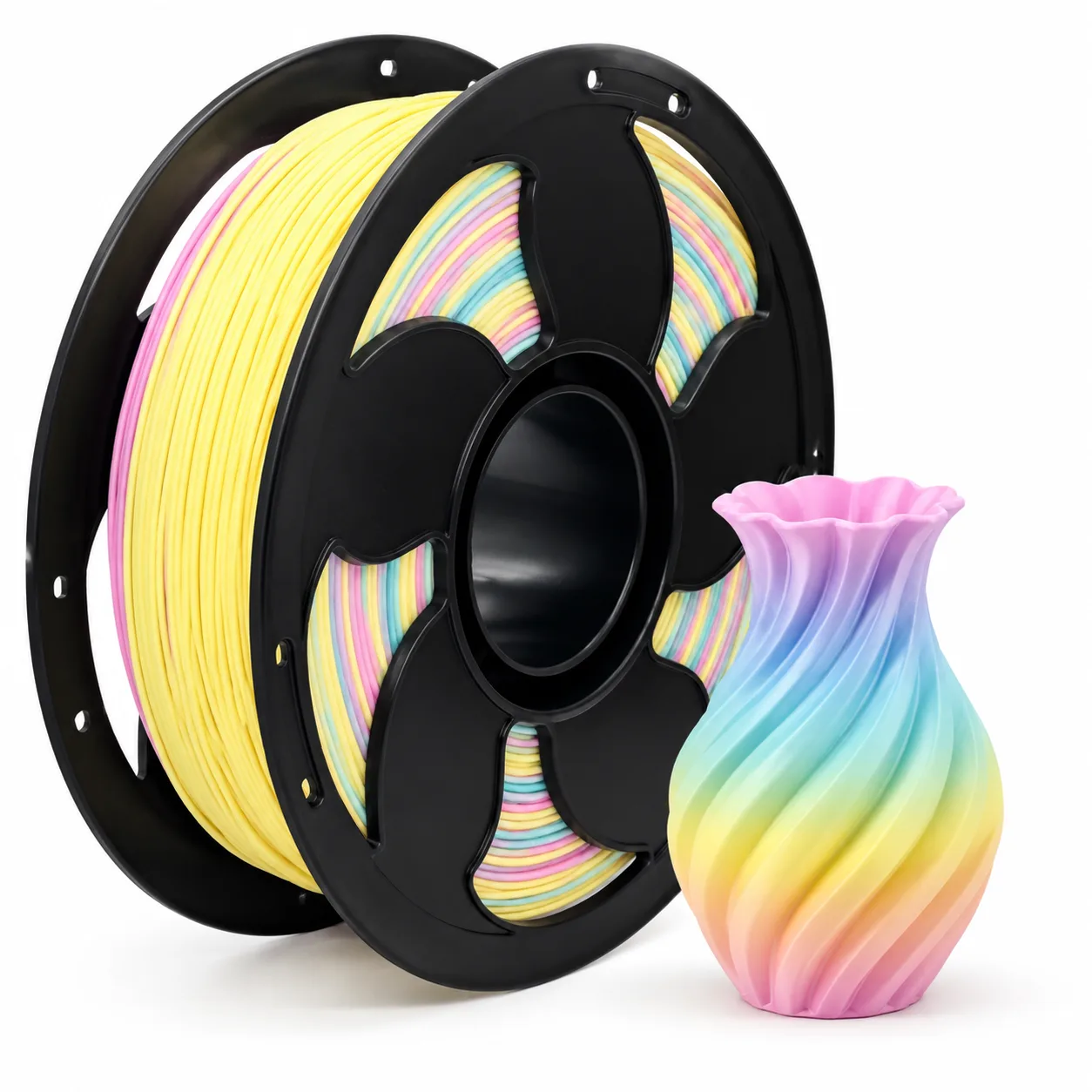
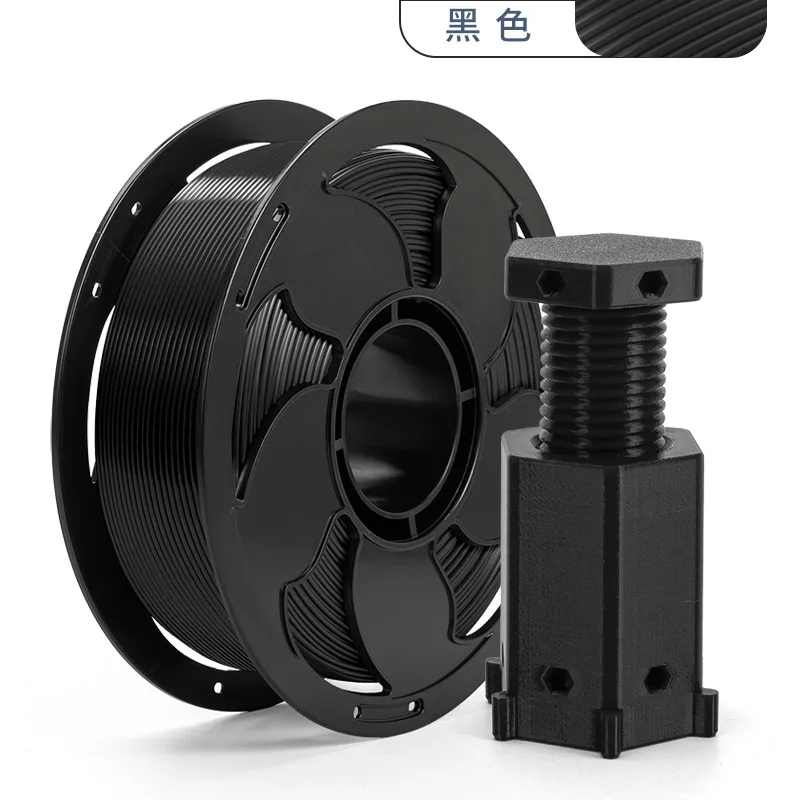
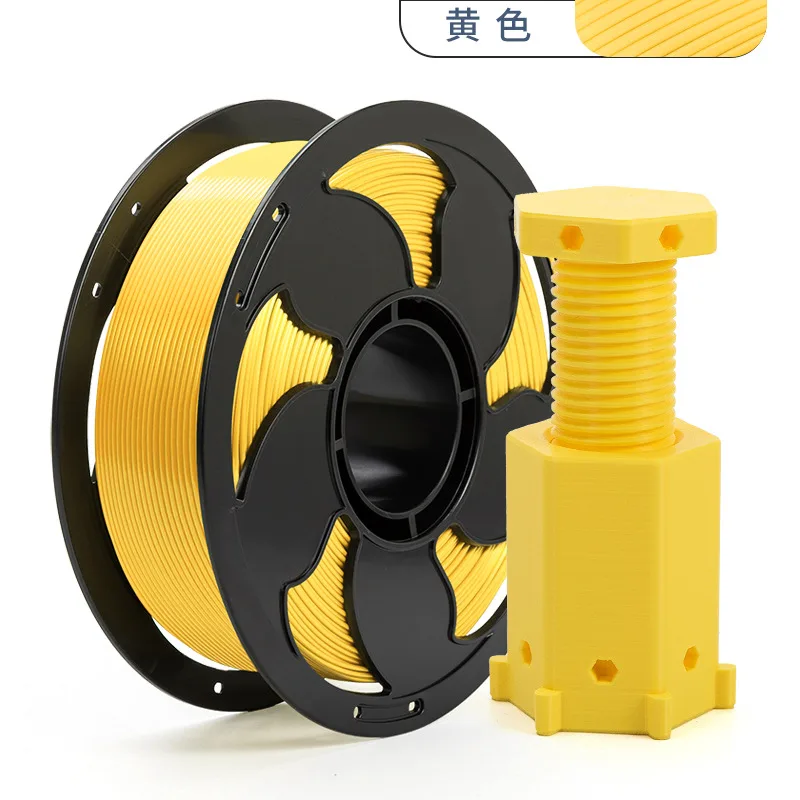
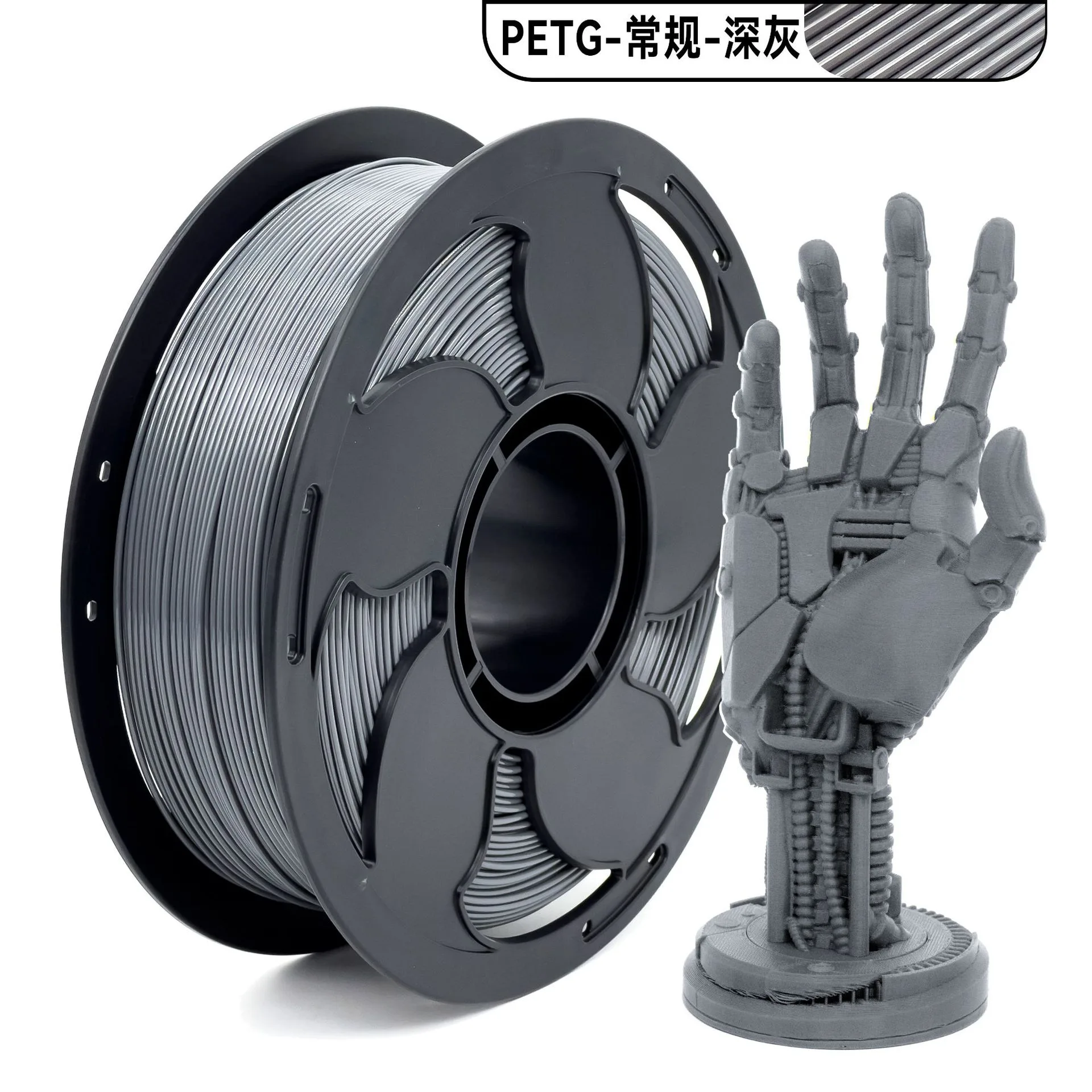
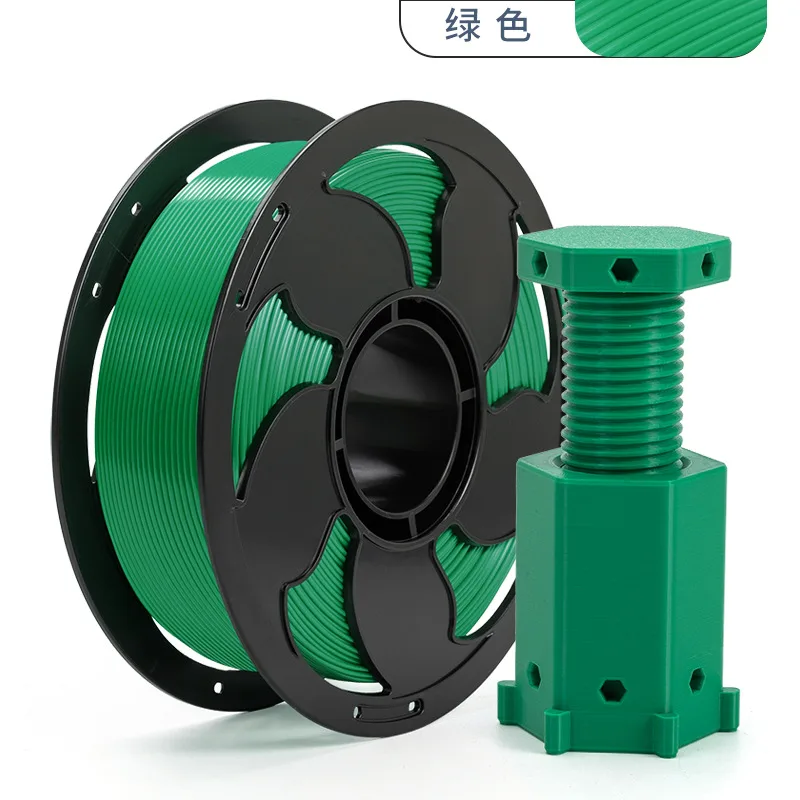
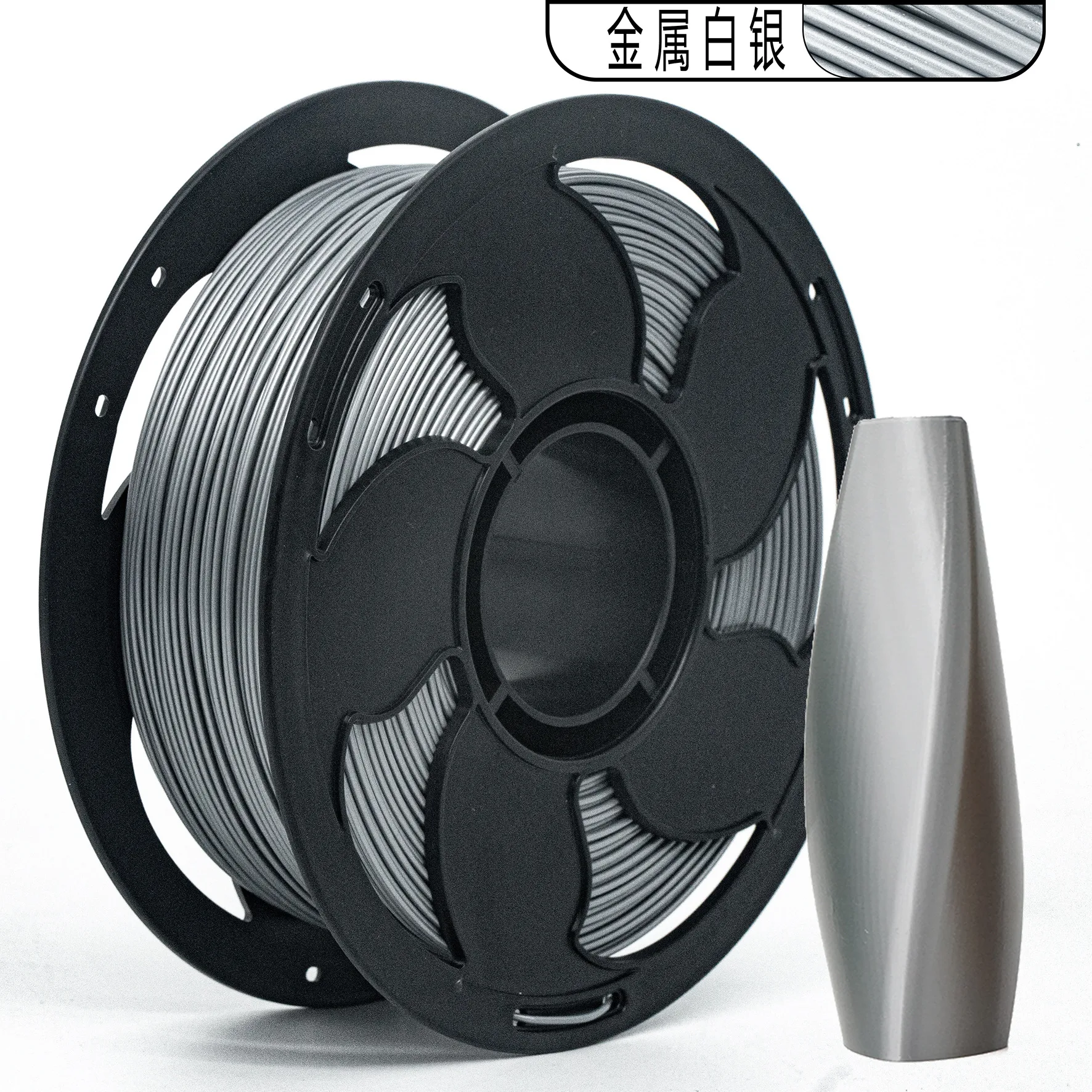
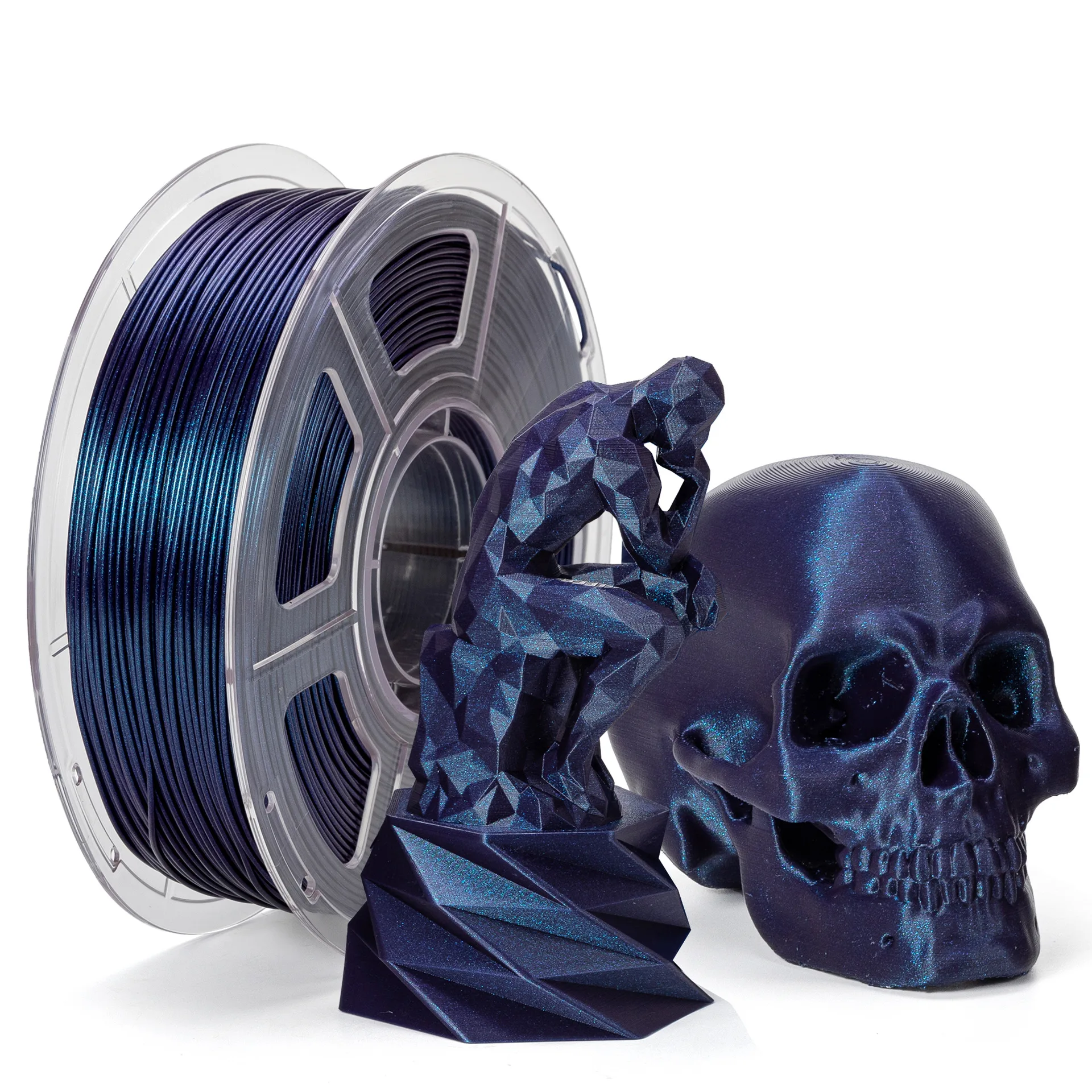
Nine colours from one production line, so mixed orders still read as one product range: PETG White as the lead colour, plus PETG Black, Red, Yellow, Grey, Green, Blue, Metallic Silver and Nebula Purple. Colour is dosed from a controlled masterbatch and each run is wound from a single batch, which is what keeps a white repeat order white. Ask for the current PETG colour card with your quotation and we will send it with the data sheet.

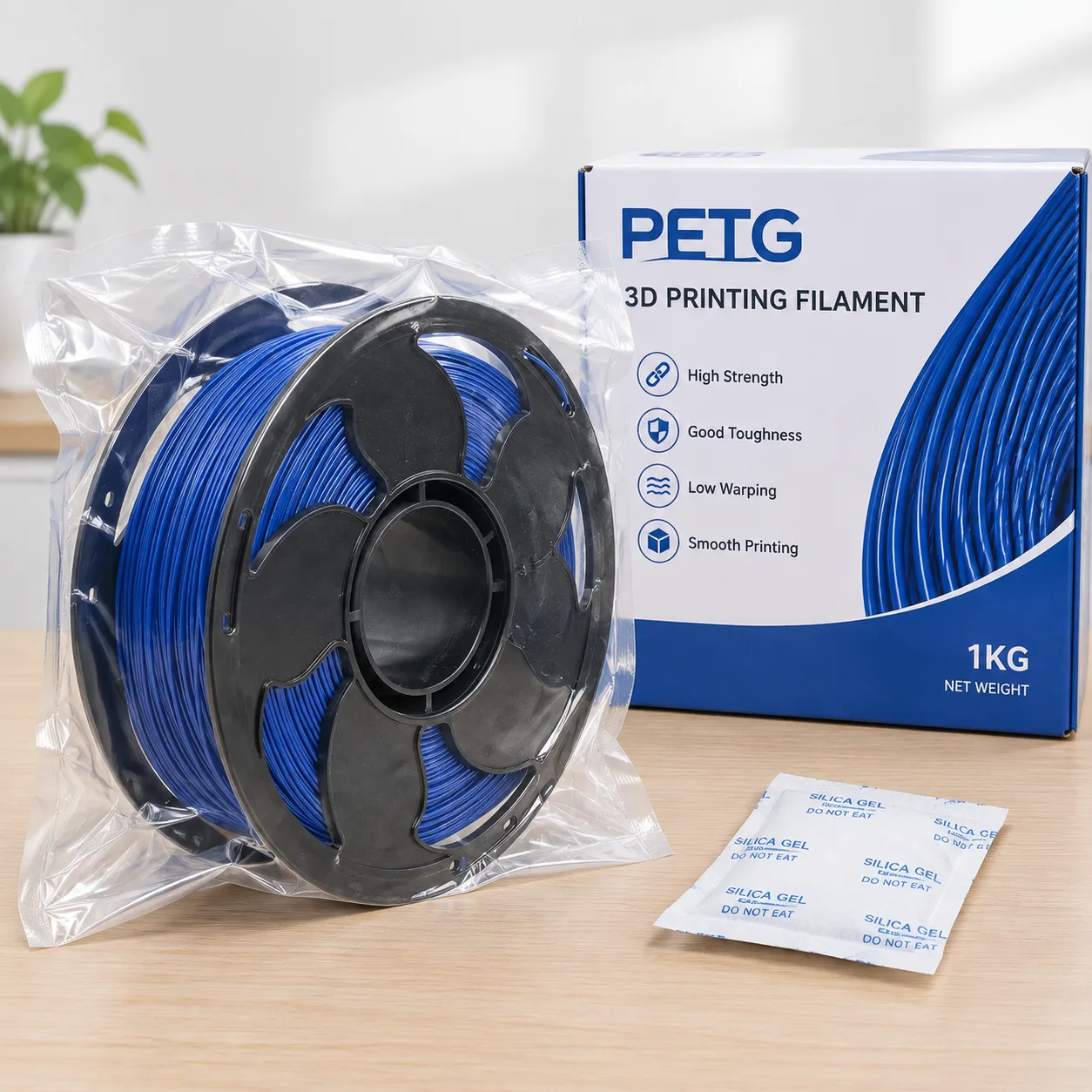
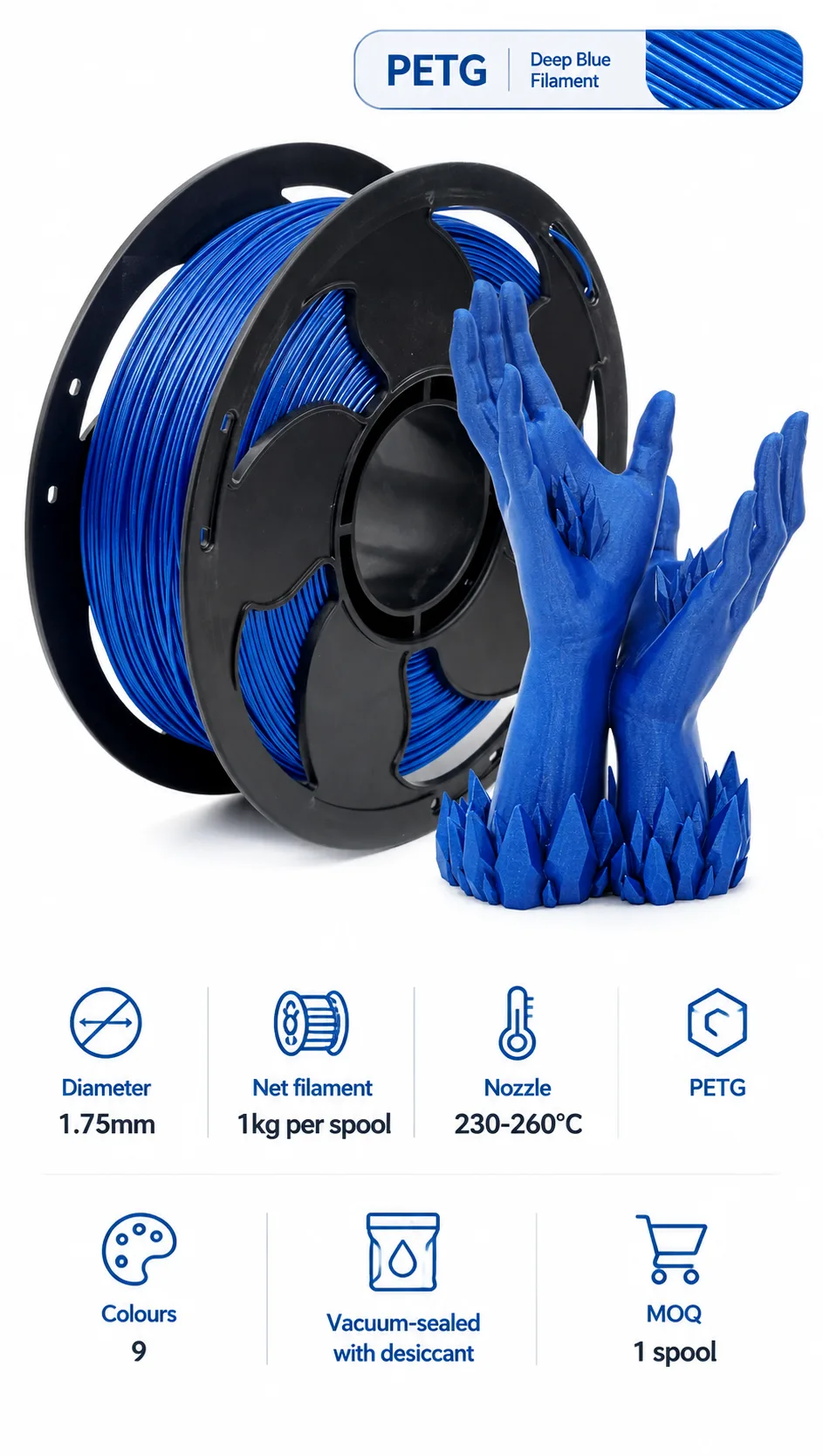
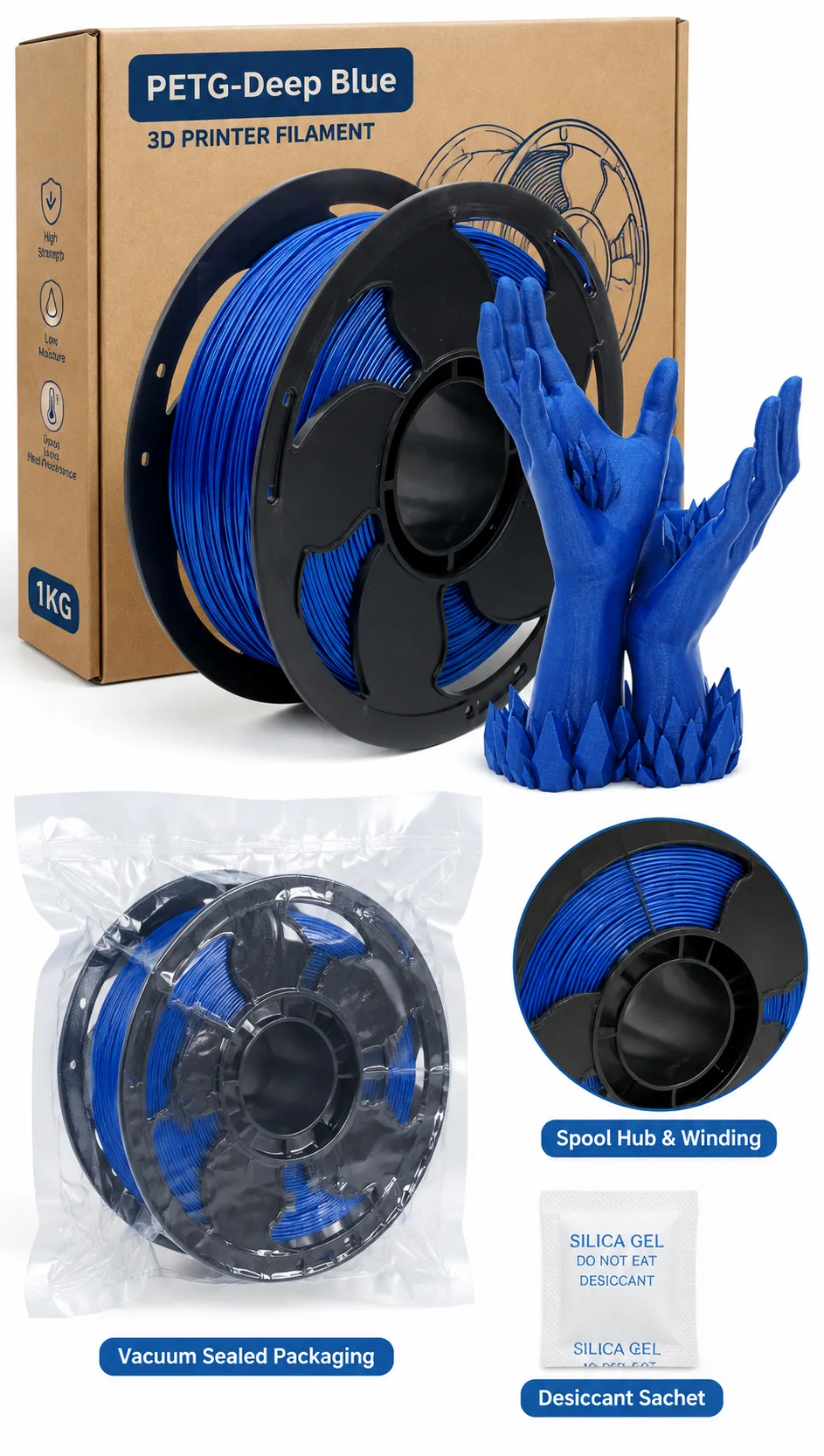
Data-sheet values you can quote from: 1.75mm diameter, 1 kg net filament per spool, nozzle range 230-260°C, PETG grade for FDM 3D printing, nine colours in this listing. Every spool is vacuum-sealed with a desiccant sachet inside a printed box, so it arrives dry and stays dry in storage. PETG absorbs moisture, so a spool straight out of the sealed bag gives the cleanest layer bonding and the most even white surface. Request a Quote and we will send the current data sheet.

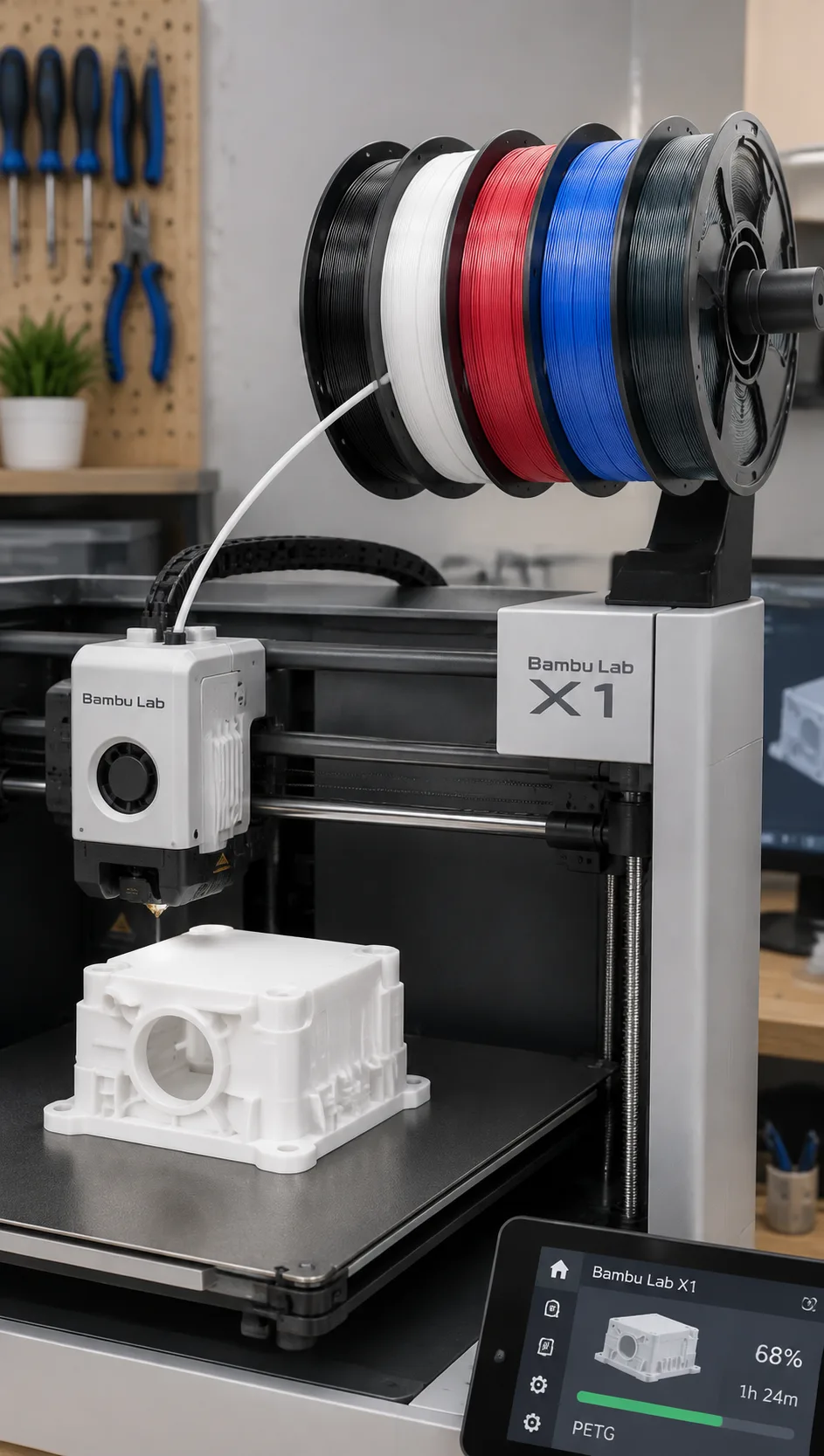
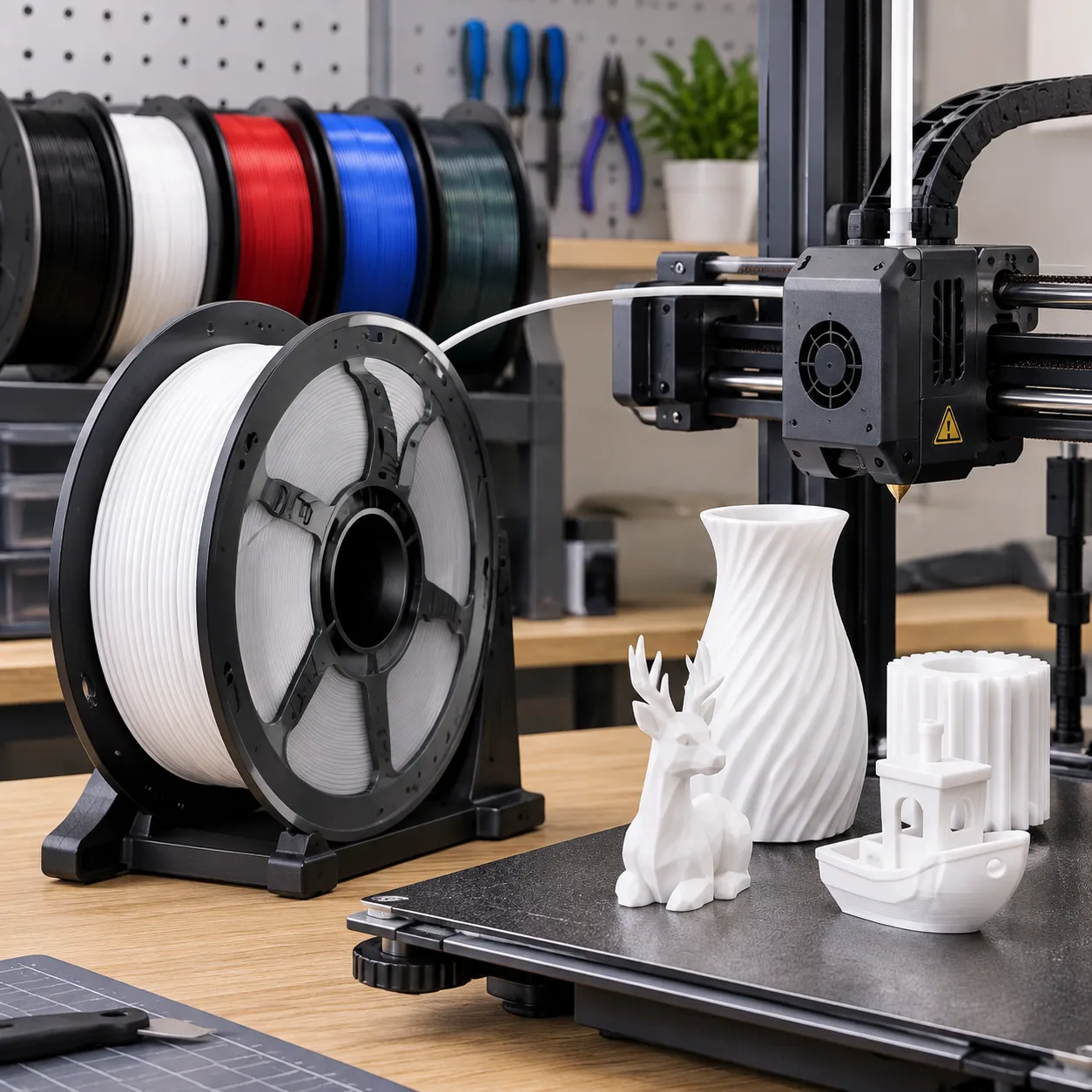
Runs on the printer you already own: standard 1.75mm FDM machines including Bambu Lab, Creality, Prusa and Anycubic, direct-drive or Bowden, with no heated chamber and no hardened nozzle required. Print inside the 230-260°C window, keep part cooling moderate on tall parts and set retraction once for PETG stringing. Even winding and a consistent strand keep white parts free of the feed marks and blobs that show up first on a bright, opaque surface.

Technical Data

Specifications

Diameter 1.75mm
Tolerance ±0.03mm
Material PETG

Print Profile

White PETG Filament 1.75mm 1kg Yiqiu3D prints best at 230-260°C nozzle, 70-80°C bed.

Nozzle Temp230-260°C
Bed Temp70-80°C

Spool Specification

Spool details for your feeding and handling setup.

Gross Weight1.3 kg
Spool Size (L×W×H)20.5 × 20.5 × 7 cm
Pack FormatPiece

What You Receive

Data-sheet values you can quote from: 1.75mm diameter, 1 kg net filament per spool, nozzle range 230-260°C, PETG grade for FDM 3D printing, nine colours in this listing. Every spool is vacuum-sealed with a desiccant sachet inside a printed box, so it arrives dry and stays dry in storage. PETG absorbs moisture, so a spool straight out of the sealed bag gives the cleanest layer bonding and the most even white surface. Request a Quote and we will send the current data sheet.

  • Vacuum-sealed bag
  • Desiccant pack
  • Arrives dry and ready to print

Attributes

Country / Regionchina
HS Code39169010
Item No.white-petg-opaque-bright-white-end-use
Material petg
Print Size 1.75
Product Weight 1kg
Main Downstream Platforms Other
Material petg
Print Size 1.75
Before You Ask

Frequently Asked Questions

Why does this white print as solid white, and what makes the PETG tough?
Two things sit behind it. First, pigmentation: the white masterbatch is dosed at full loading and compounded into the pellets, so the pigment is distributed through the strand rather than only near the surface, and printed walls read as an even white instead of a washed-out grey. Second, the polymer: PETG is PET modified with glycol, which interrupts crystallisation and leaves an amorphous, more forgiving material. Impact energy is absorbed by deformation rather than a clean crack, and the layers knit during the melt, so the bond between layers is stronger than in PLA. It is also far more tolerant of moisture and common chemicals than PLA, but it is not the grade for parts in sustained high heat.
Is this spool compatible with my printer?
It runs on any FDM printer that uses 1.75mm filament, including Bambu Lab, Creality, Prusa and Anycubic, with direct-drive or Bowden extruders and no enclosure. The 1 kg spool is a standard format that fits common external holders and multi-colour units. PETG strings more than PLA, so set retraction once for your machine and the profile runs clean; a dry spool also cuts stringing and surface blobs. Tell us your model if you are unsure and we will confirm before you order.
What print temperature do you recommend for PETG?
Our data sheet for this grade lists a nozzle range of 230-260°C. Start in the middle of that window: too cool and the layers bond weakly with a rough, dull surface, too hot and the strand strings between travel moves. We do not publish a hot-bed figure for this grade, so begin from the PETG bed setting already in your printer profile. Send us your profile with a photo of the first layers if you want us to look at the result.
Which colours are available in this range?
Nine colours in this listing: PETG White as the lead colour, plus PETG Black, Red, Yellow, Grey, Green, Blue, Metallic Silver and Nebula Purple. Colour is dosed from a controlled masterbatch and wound from a single batch per run, so a repeat order in the same colour reads the same. Ask for the current colour card with your quotation, and if your product needs one white across many parts, book the full quantity in one production run.
What are the best applications for white PETG?
Where a neutral, opaque surface and practical toughness are both needed: equipment enclosures and control panels, fascia and bezel parts, backlit diffuser panels, workshop fixtures, jigs and tool holders, storage bins and crates, retail display parts, and end-use housings that must survive handling. It is also common for parts that will be painted or labelled, because an even white base does not fight the top coat. It is not the grade for very fine cosmetic detail, where PLA or resin prints a cleaner face, nor for parts in sustained high heat.
How is the spool packed, and how should I store it?
Each spool is vacuum-sealed in a foil bag with a desiccant sachet and packed in a printed box, so it arrives dry after shipping and stays dry in storage. Keep unopened spools in a cool, dry place out of direct sunlight, and reseal an open spool with its desiccant between prints, because PETG absorbs moisture from the air. If a spool has been open in humid conditions and prints show popping, bubbles or a rough surface, dry it in a filament dryer before use.

Documentation & Downloads

Everything we publish for this material, in one place.

Ready to Order

Get factory-direct pricing on White PETG Filament 1.75mm 1kg Yiqiu3D

Not sure this is the right material? → Compare filaments