

01
Flatness decides the model
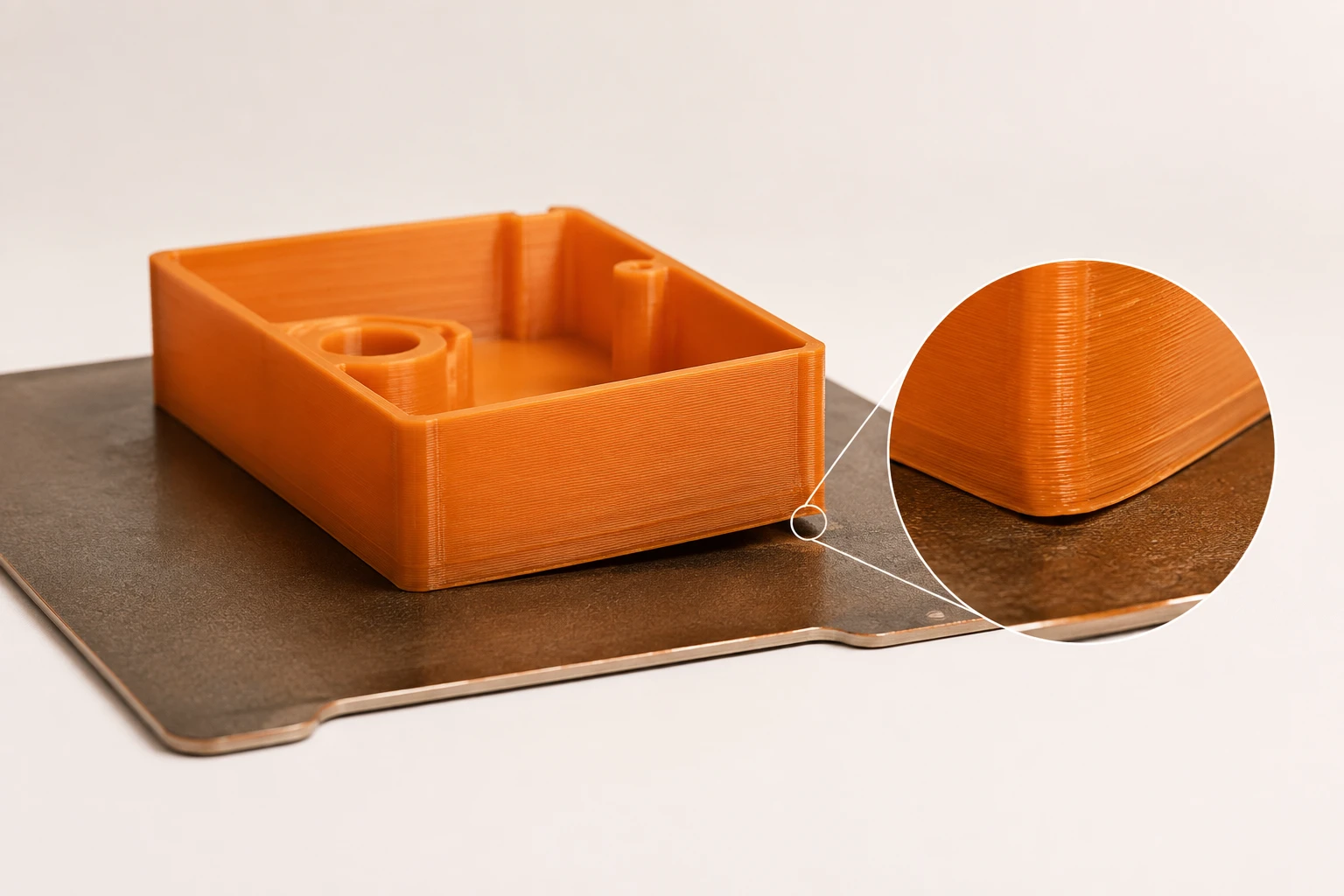
Architectural models are mostly large flat surfaces. Warping shows up immediately and cannot be hidden.
Type to search products, guides, downloads and case studies — results appear as you type.
Suggested
12 solution paths
7 walkthroughs
 Print Farm Scaling — Material Strategy Walkthrough
 Outdoor UV Stability — Enclosure Material Walkthrough
 Figurine Batch Consistency — Surface-Finish Walkthrough Educational Lab Deployment — Safe Material Walkthrough Industrial Jig Precision — Tolerance Walkthrough A European Print Farm — 40-Unit Consistency Overhaul A University Environmental Lab — Outdoor Sensor Enclosure
◆ Production scenario · Architecture
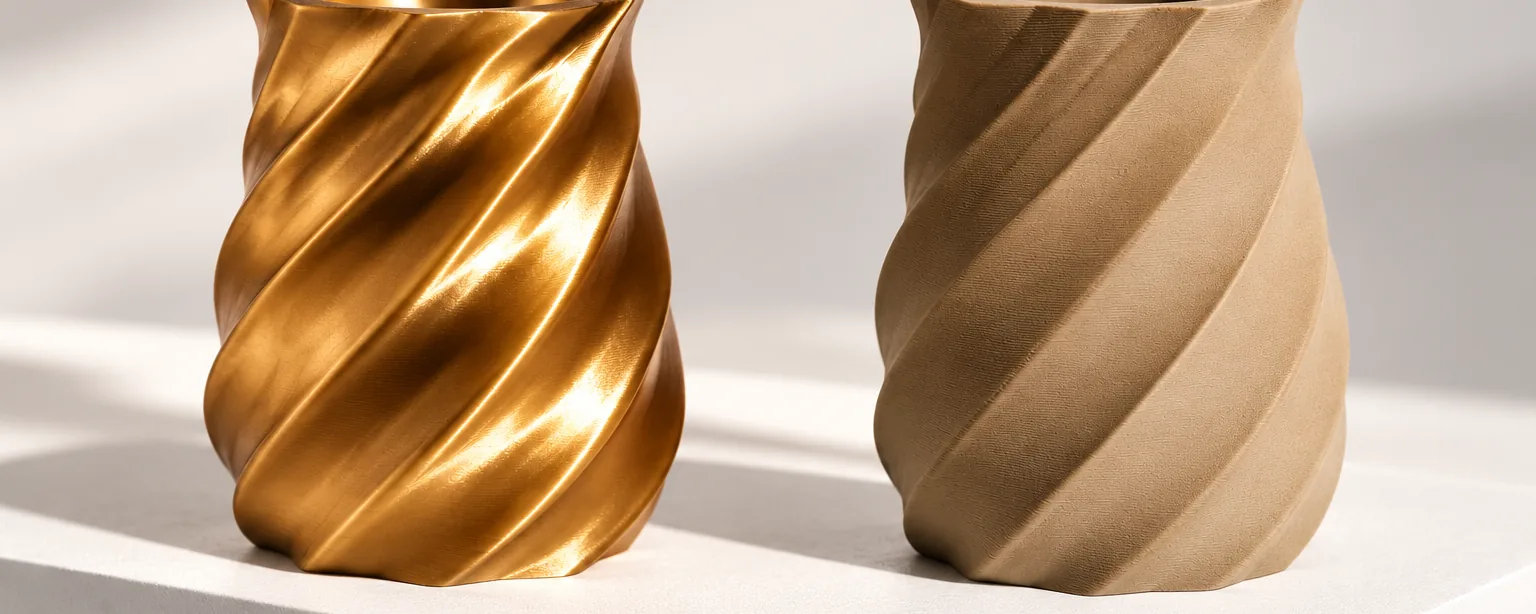
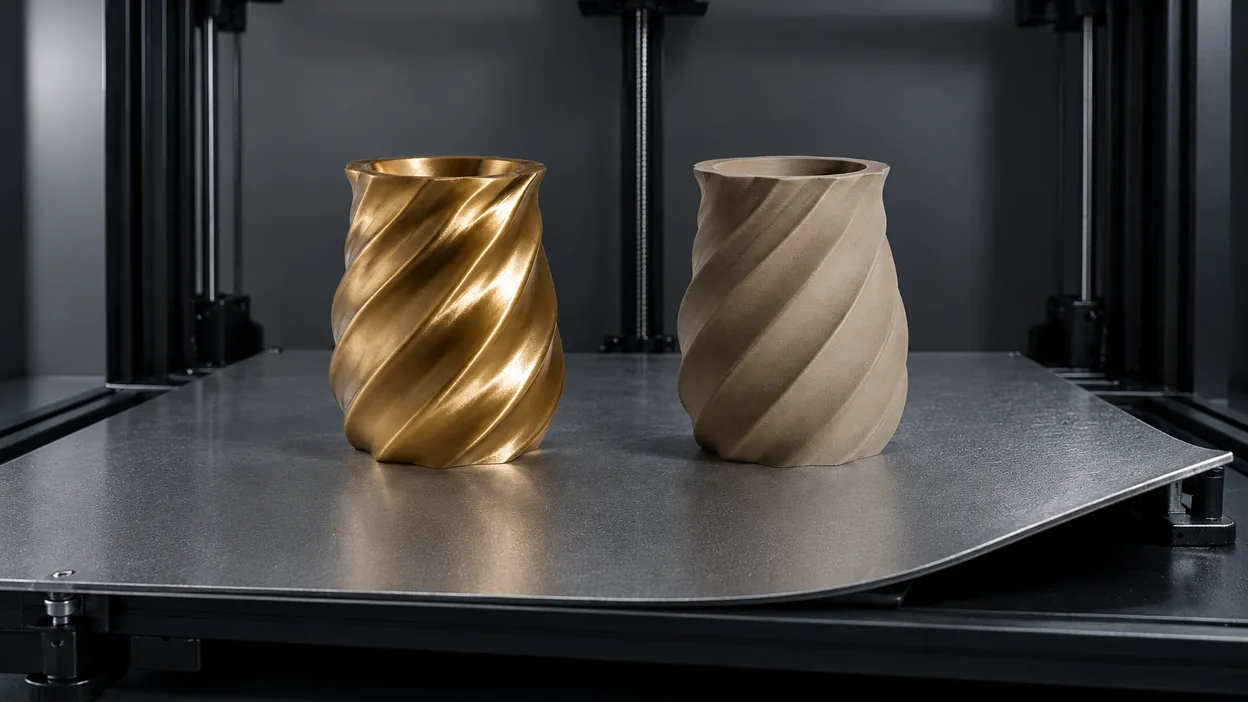
Flat, dimensionally stable grades with matte finishes, so a study model looks finished straight off the machine.
02 — What it actually costs
Warping ruins a large flat plate that took hours to print
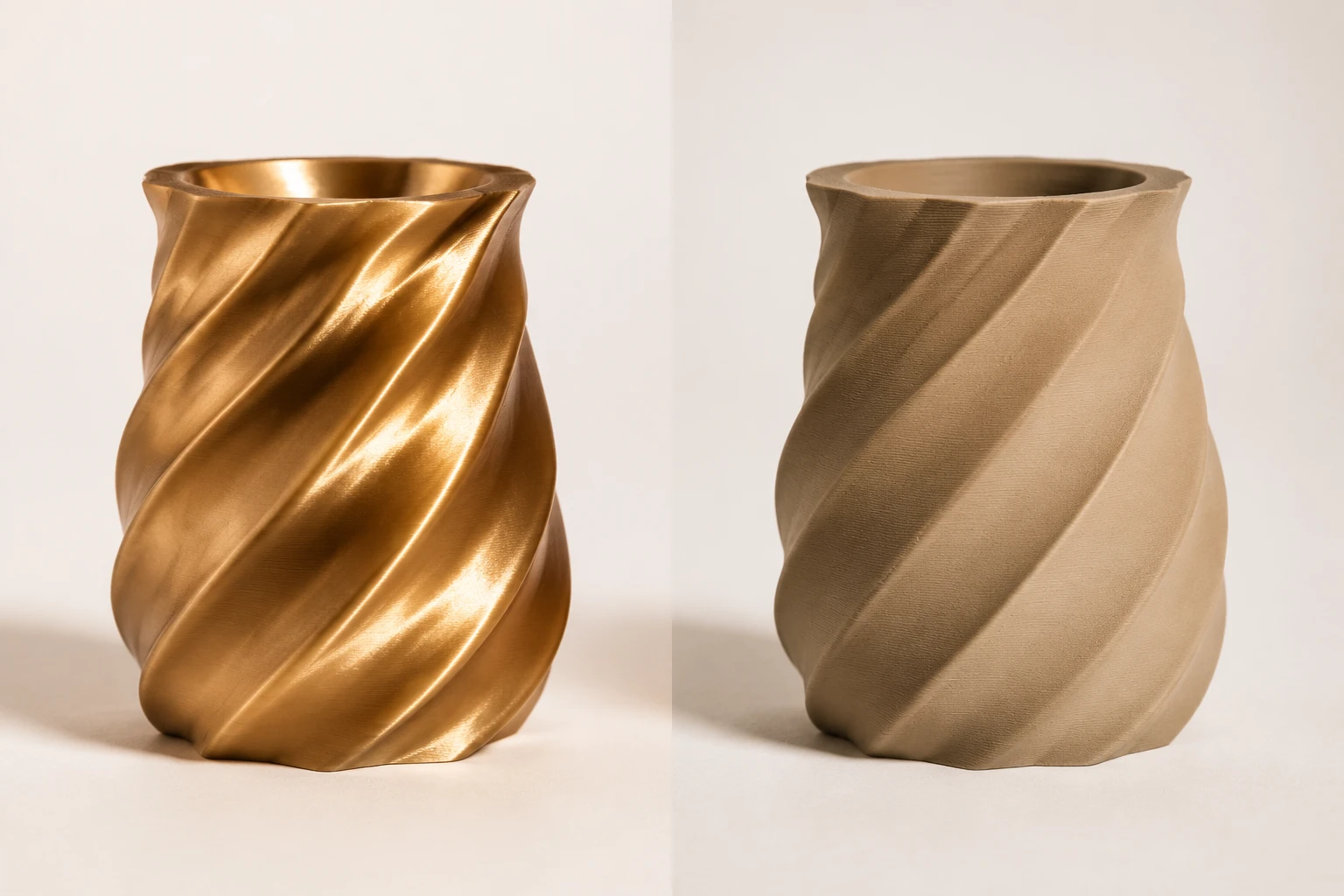
Glossy finish washes out fine surface detail under presentation lighting
Inconsistent scale between model stages undermines client review
03 — Why it happens
Architectural models are mostly large flat surfaces. Warping shows up immediately and cannot be hidden.
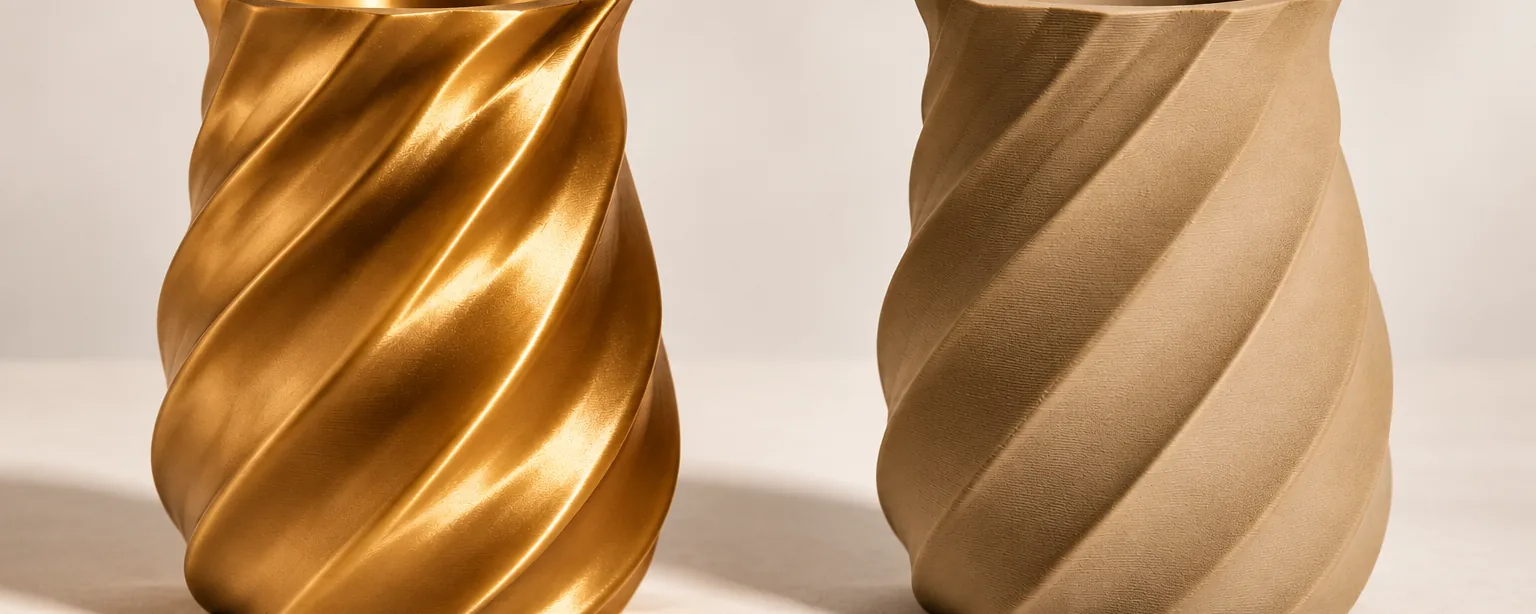
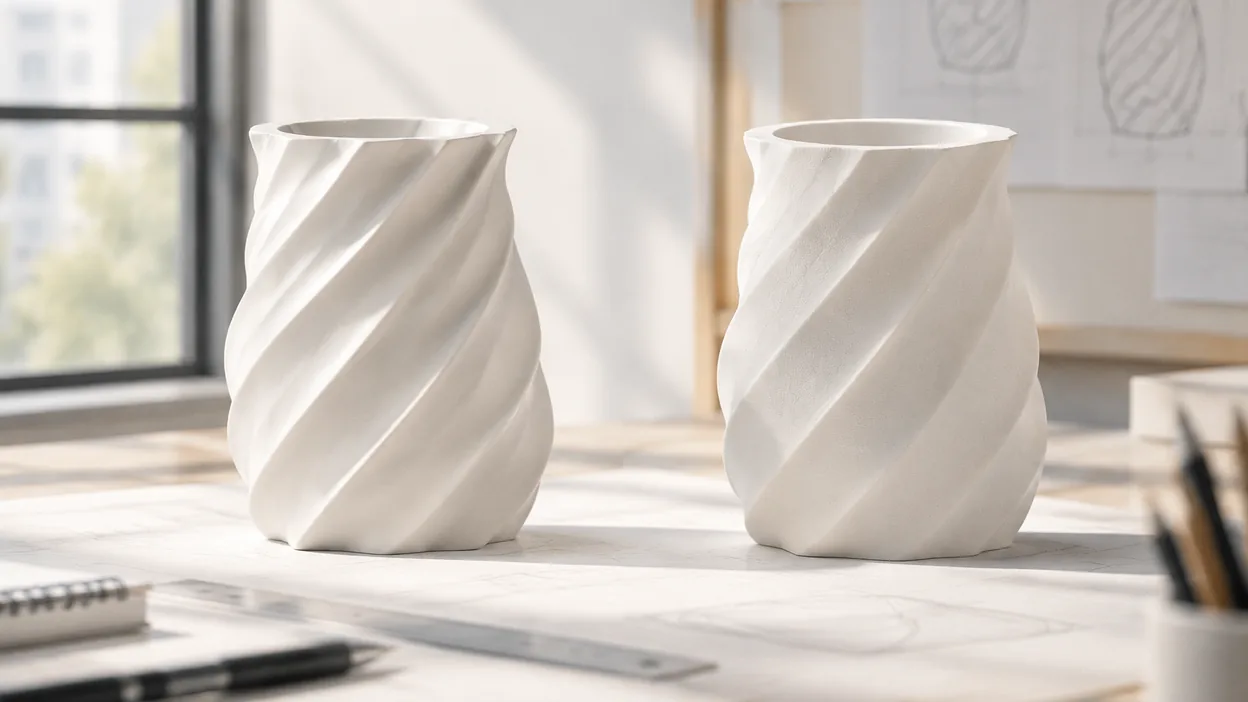
A non-reflective surface keeps edges legible and photographs cleanly for client decks.
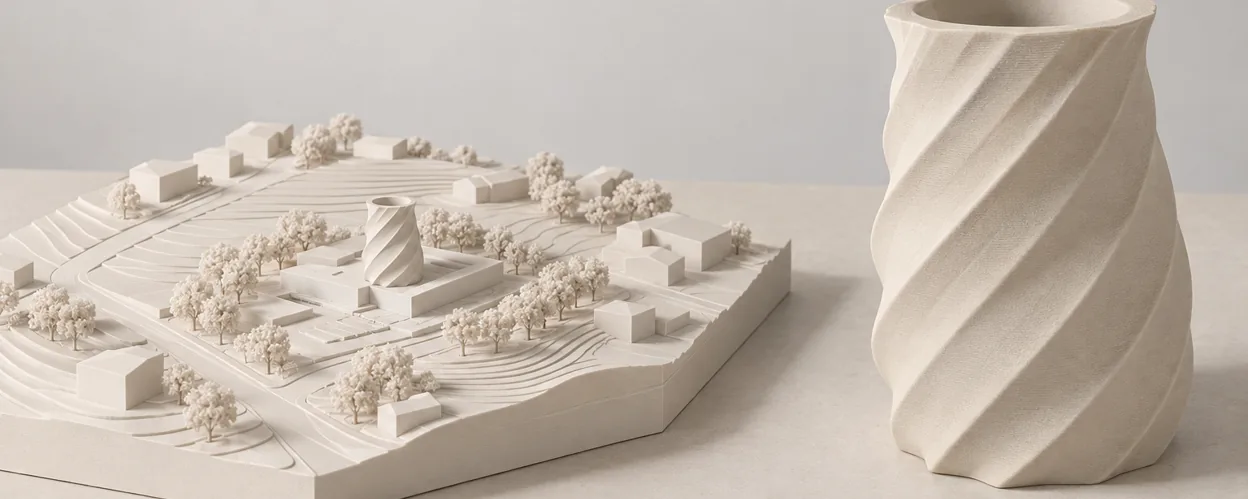
A site model and a detail model are compared side by side, so both have to come from the same specification.
04 — What we hold for you
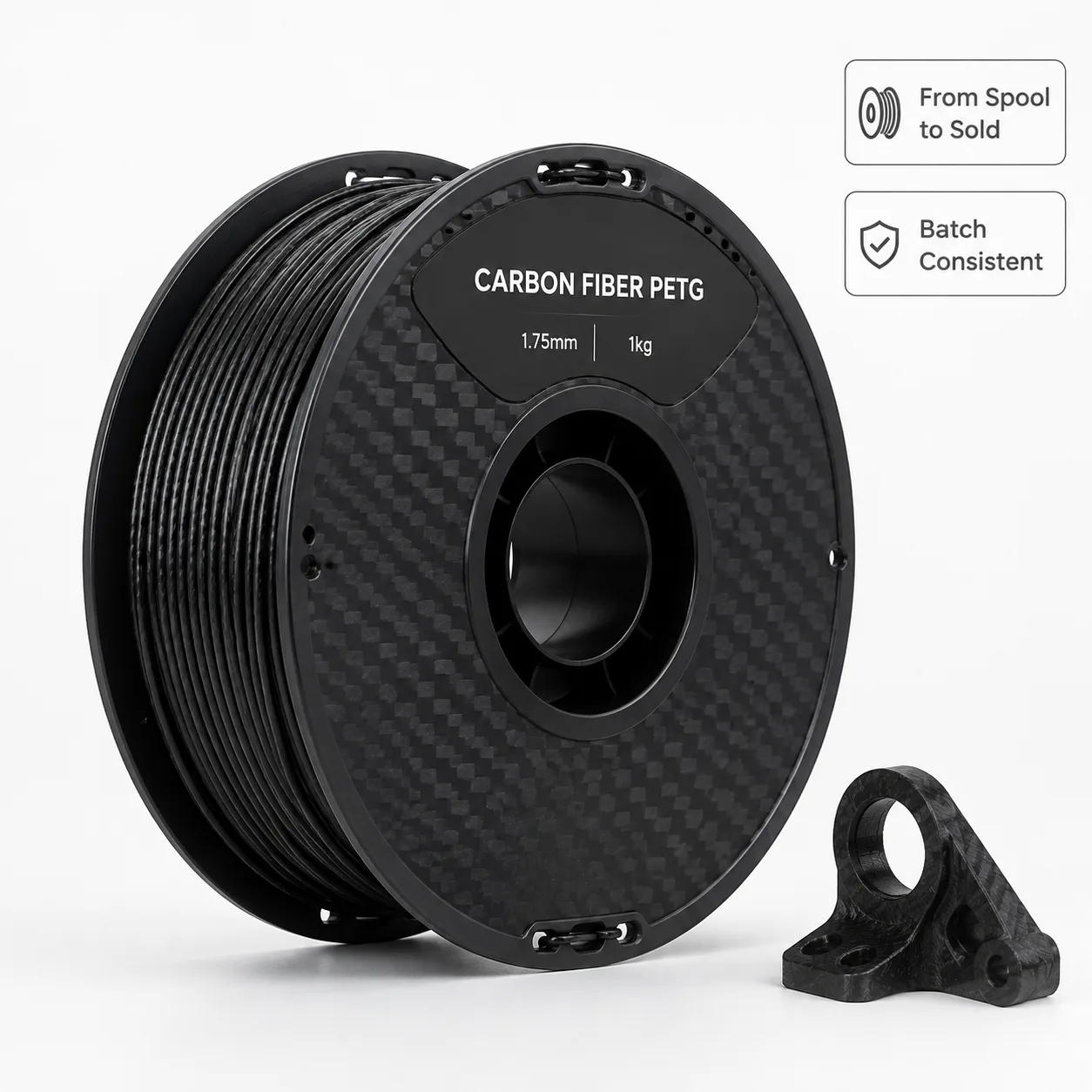
Grades with reduced shrinkage for large flat plates.
We provide Plates that stay flat enough to assemble without rework
View material ↗Non-reflective surface that keeps detail legible.
We provide A finished look without sanding or priming
View material ↗Lot-level documentation and laser-measured diameter.
We provide The same specification for site models and detail models
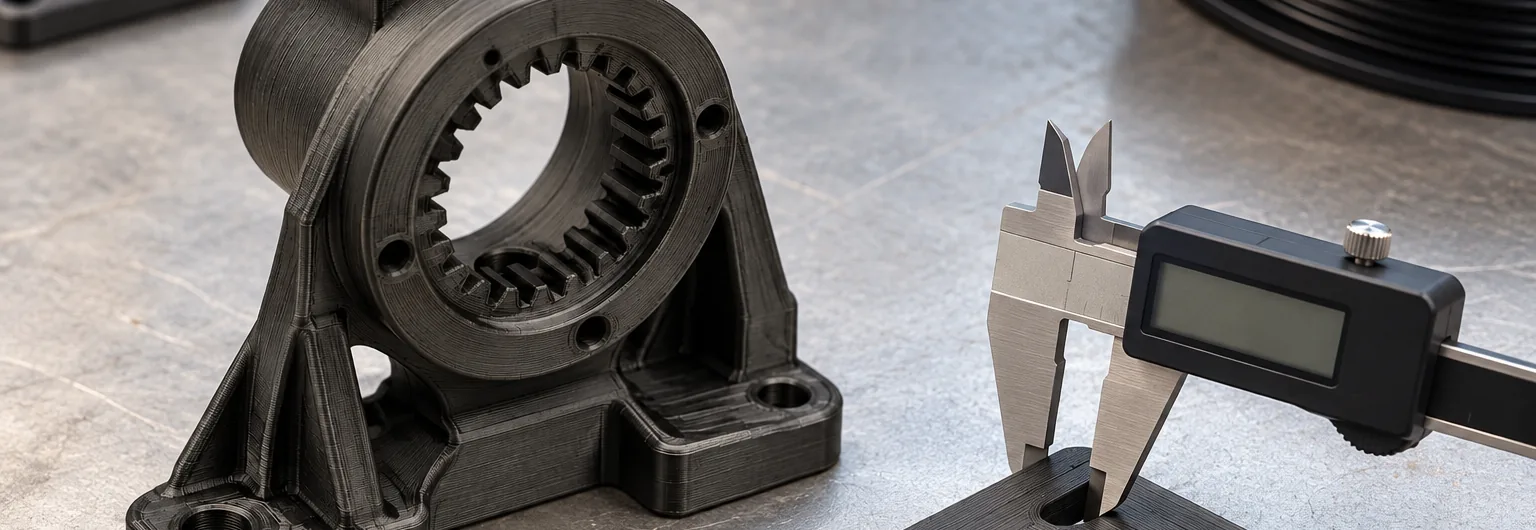
05 — The materials
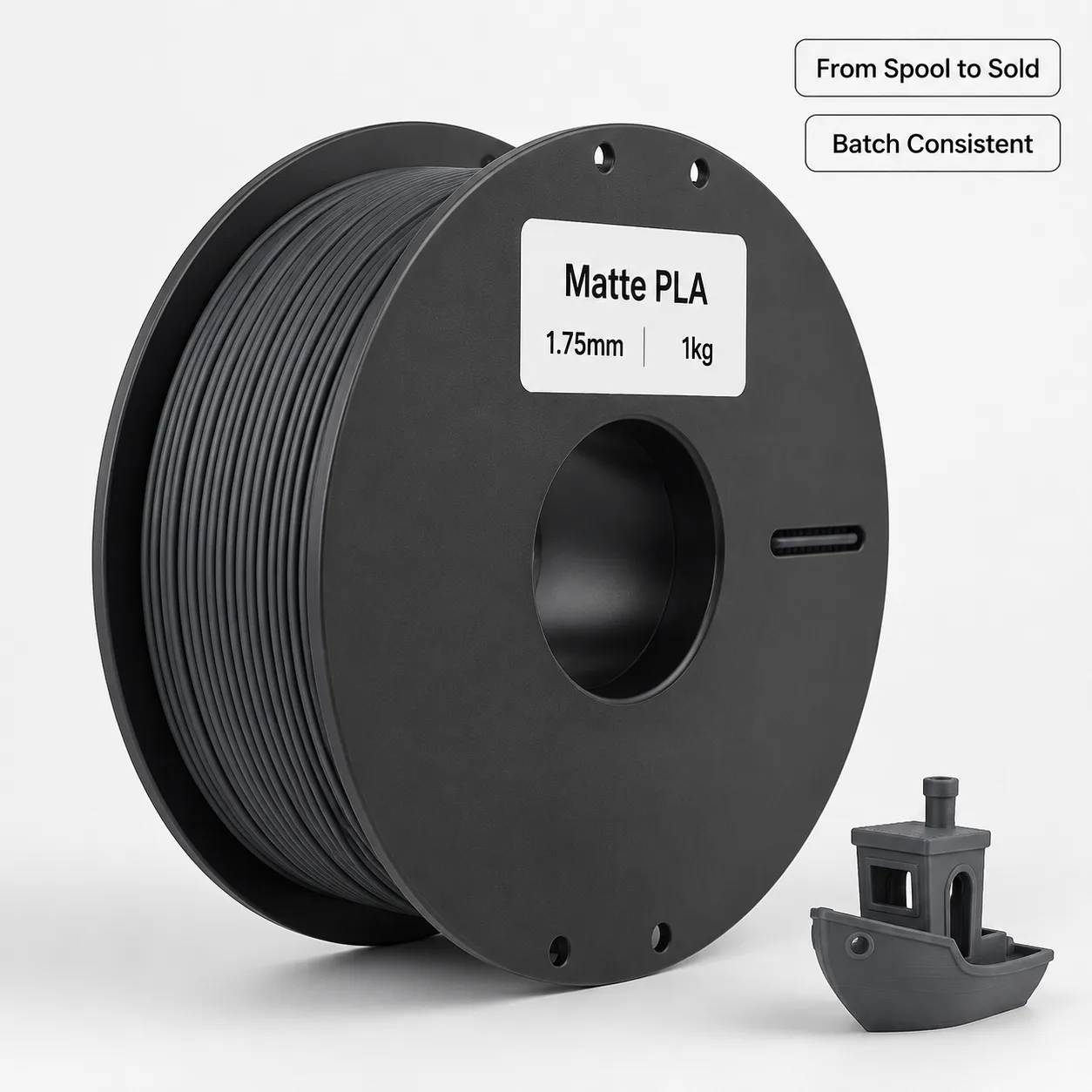
Core filament
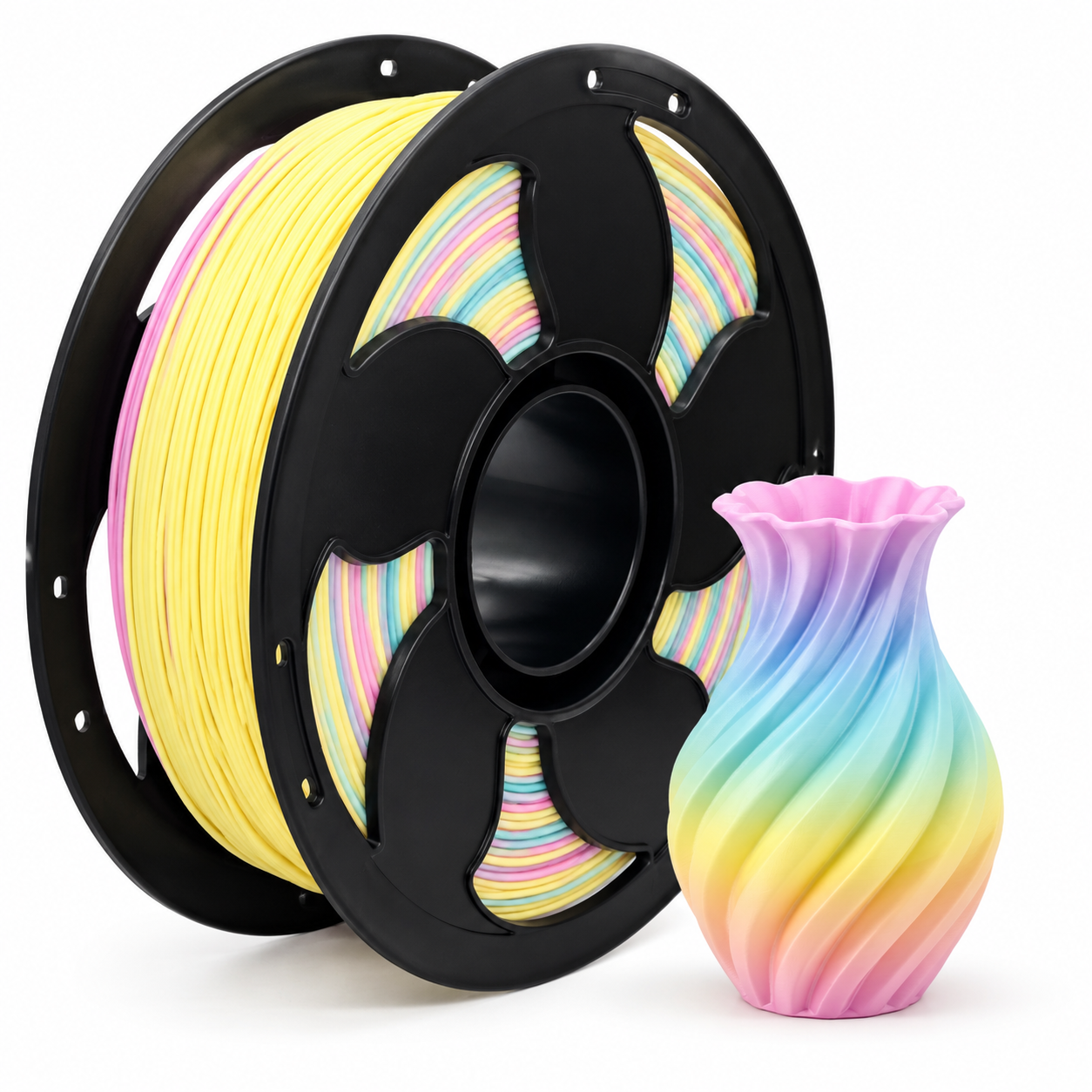
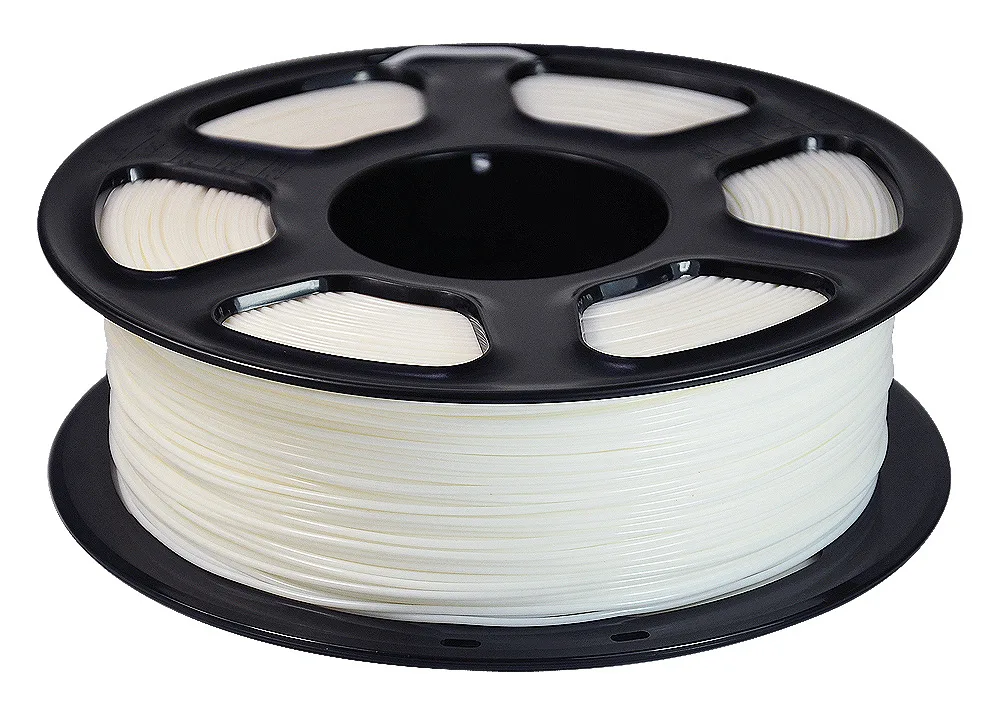
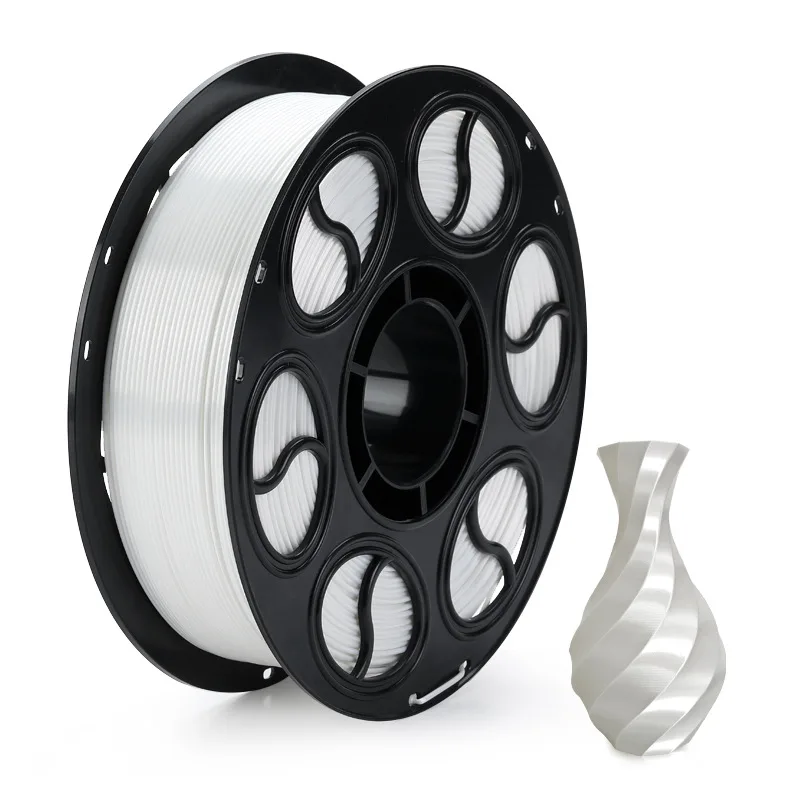
Matte surface that keeps edges and detail legible in presentation lighting
View material ↗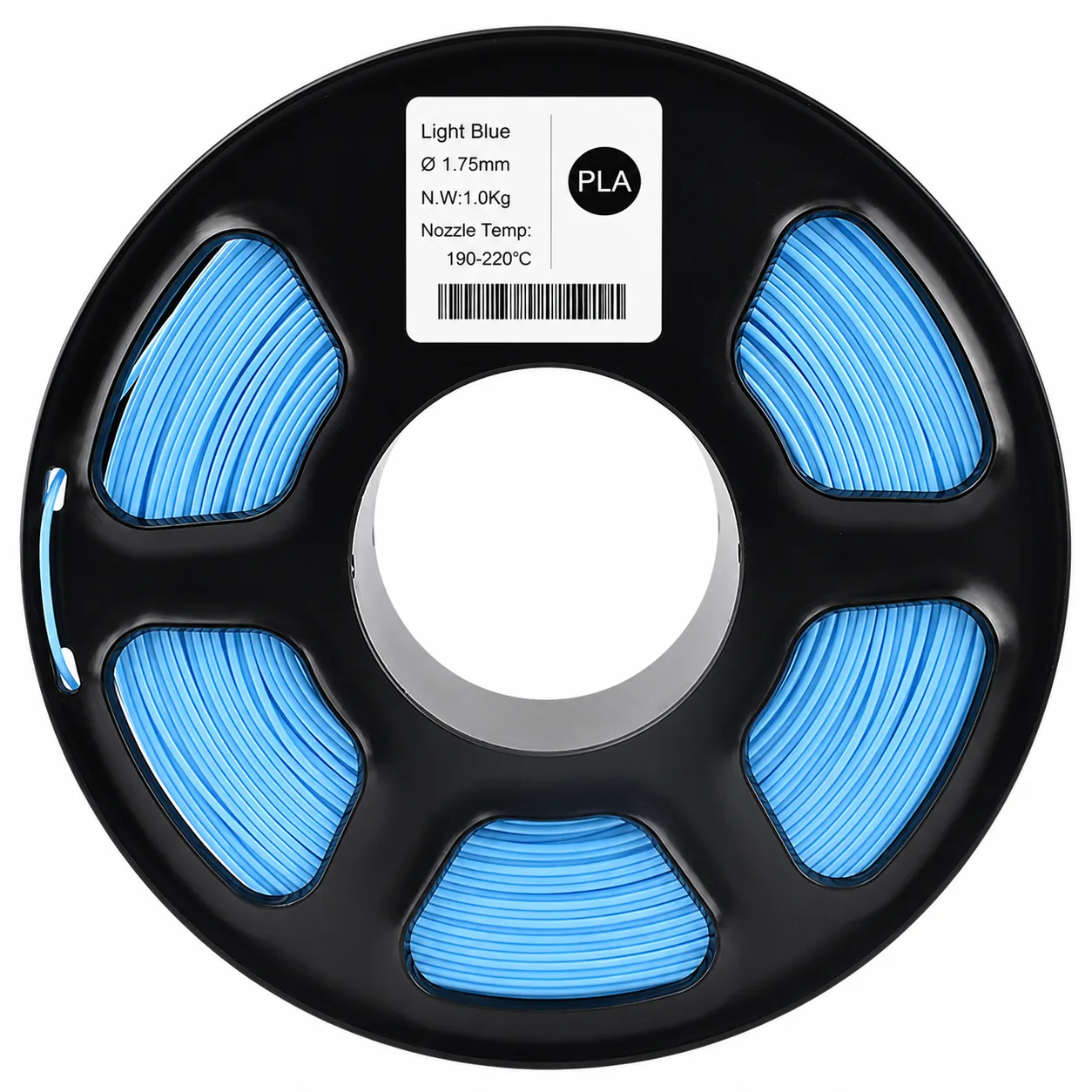
07 — The path
Day 1
Tell us the scale, plate sizes and deadline.
Start a project →Day 2 to 3
We propose the grade and settings for flat, detailed output.
Browse materials →Week 1
Print a sample plate and check flatness and finish.
Request a free sample →Week 2 and beyond
Lots documented per batch so later stages match earlier ones.
See the workflow →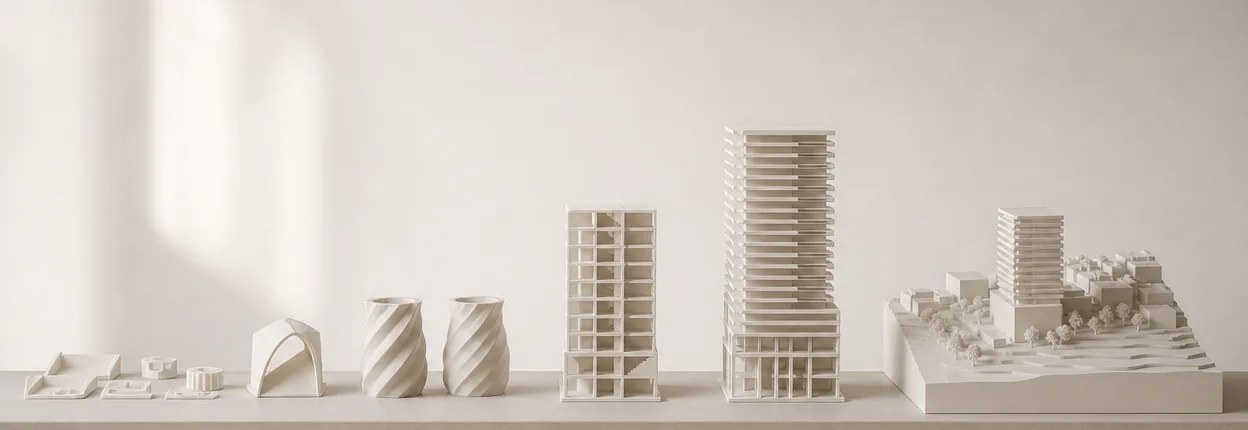
08 — Your first move
Print a sample plate and see whether it assembles without rework.
Reply within 24h · Sample-first ordering · We'll send you the Alibaba product link for final negotiation.
Check your email for our response. For pricing and formal orders, you can also visit our Alibaba store:
Visit Alibaba Store →Our form service is being upgraded — please reach us directly: [email protected]
Architectural models are client-facing deliverables. A model with visible layer lines, inconsistent matte surface quality, or color variation across sections undermines the professional credibility of your presentation. You need a material that looks finished right out of the printer — matte, even, with no visible layer lines at normal viewing distance.