01
The model is the reference
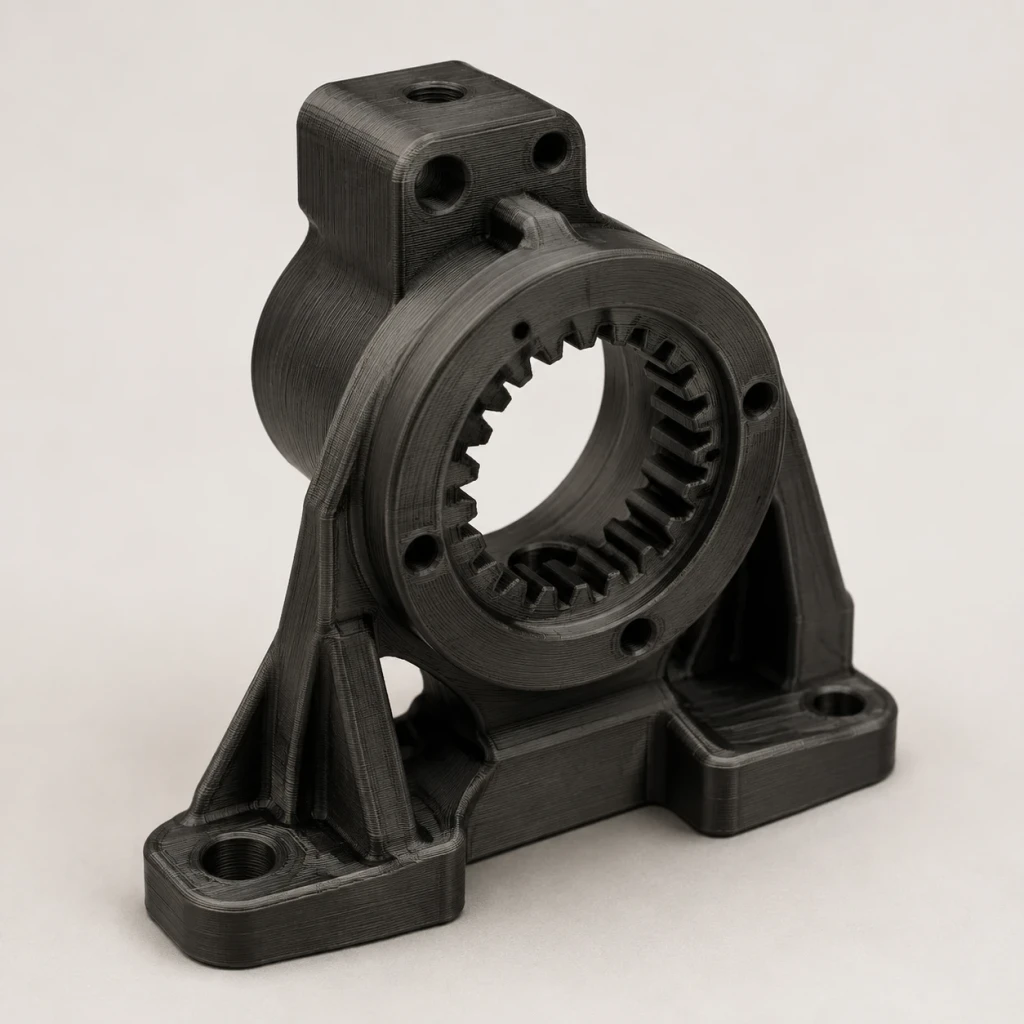
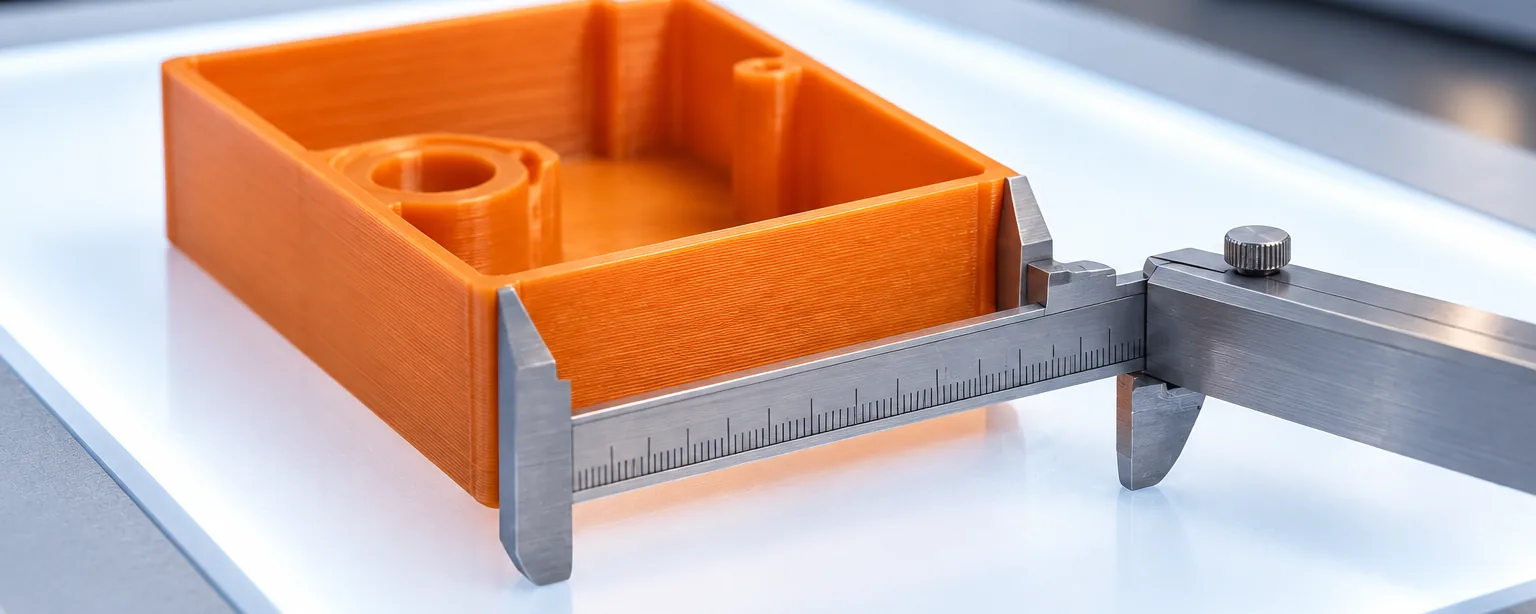
When a printed model is used for planning or fit checking, dimensional stability carries the whole purpose of the print.
Type to search products, guides, downloads and case studies — results appear as you type.
Suggested
12 solution paths
7 walkthroughs
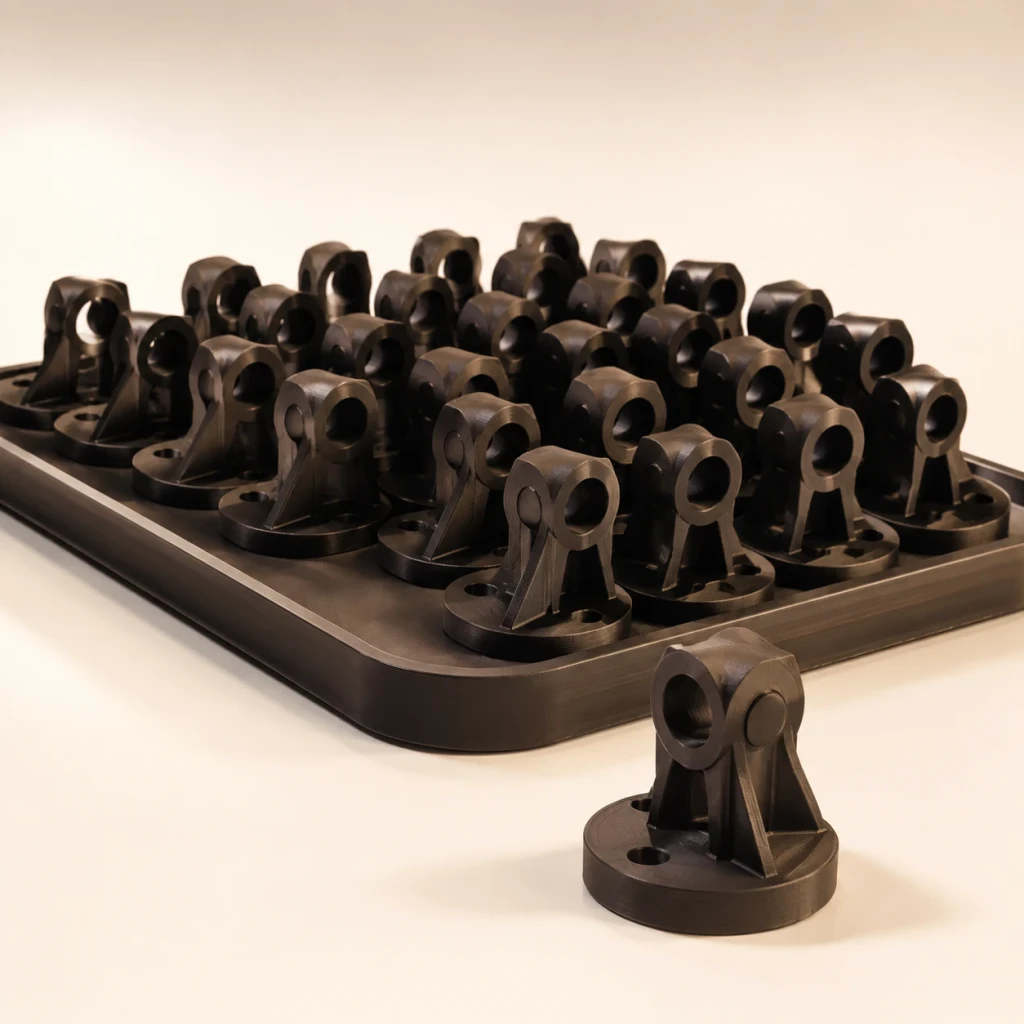 Print Farm Scaling — Material Strategy Walkthrough
 Outdoor UV Stability — Enclosure Material Walkthrough
 Figurine Batch Consistency — Surface-Finish Walkthrough Educational Lab Deployment — Safe Material Walkthrough Industrial Jig Precision — Tolerance Walkthrough A European Print Farm — 40-Unit Consistency Overhaul A University Environmental Lab — Outdoor Sensor Enclosure
◆ Production scenario · Medical
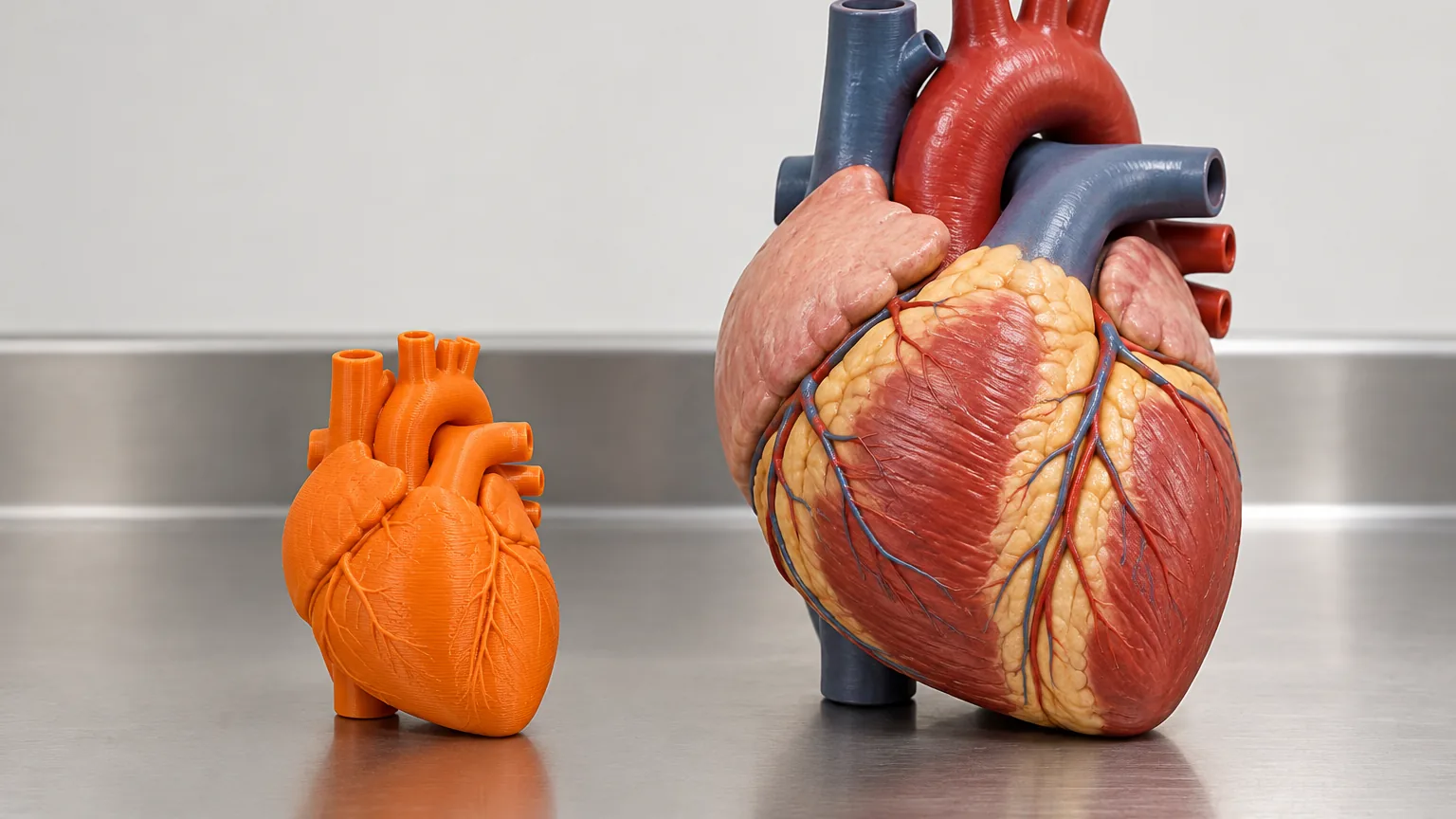
Dimensionally stable grades for anatomical models, lab fixtures and pre-procedure communication, with batch documentation.
02 — What it actually costs
Scale error makes a planning model misleading rather than useful
Batch variation between models means one cannot be compared with the next
Undocumented material makes internal review harder to complete
03 — Why it happens
When a printed model is used for planning or fit checking, dimensional stability carries the whole purpose of the print.
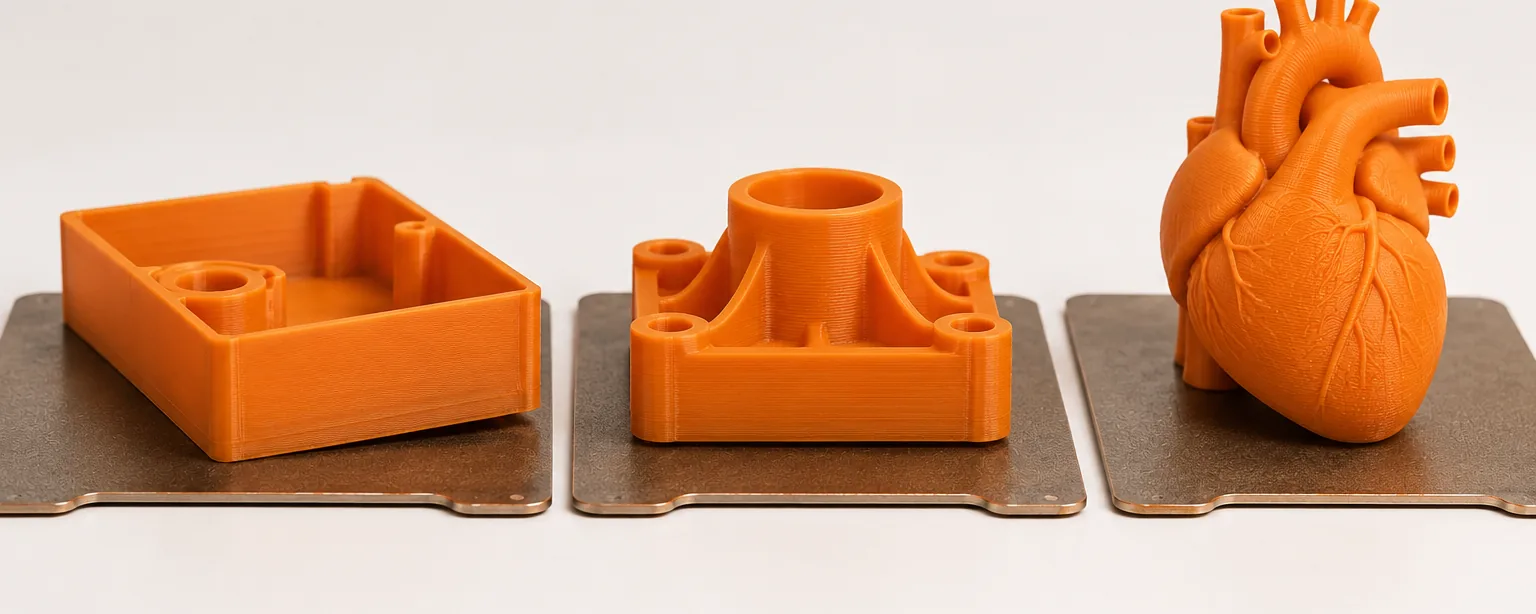
A series of models is only useful when each one is produced on the same specification as the last.
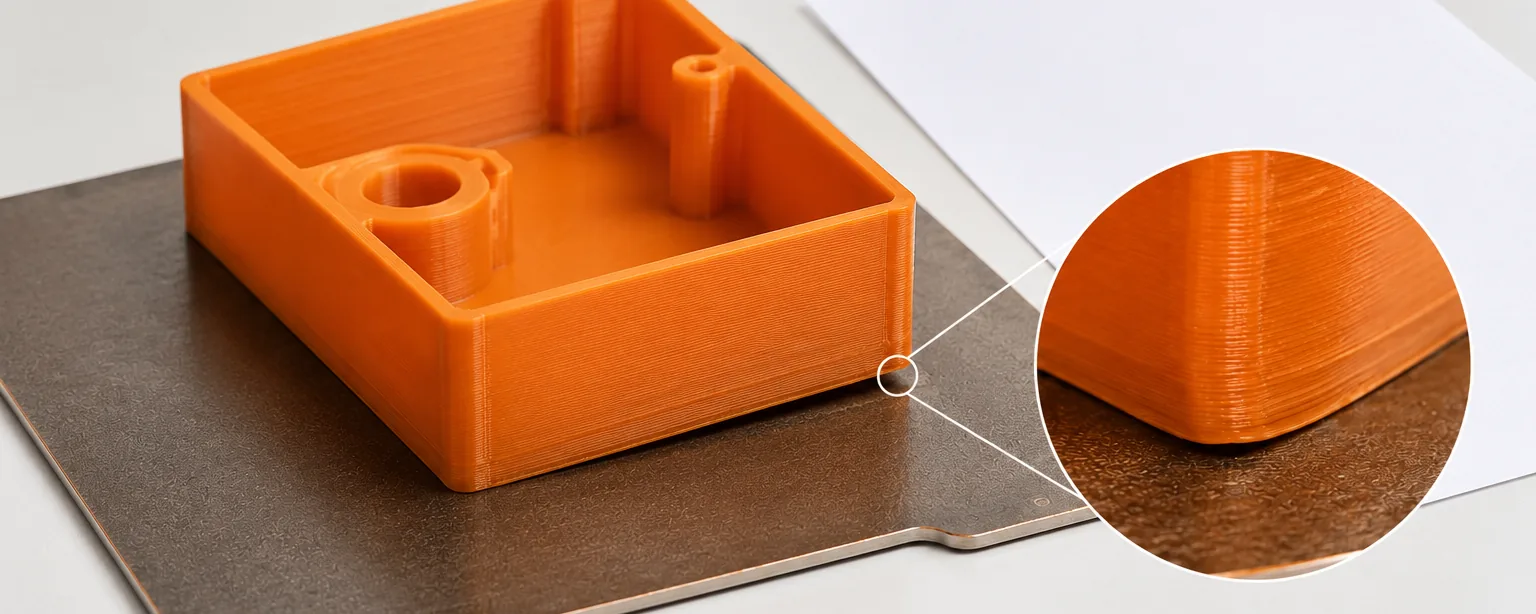
Materials intended for visual and fit-check models are not intended for implantable or body-contact use, and buyers need that boundary stated plainly.
04 — What we hold for you
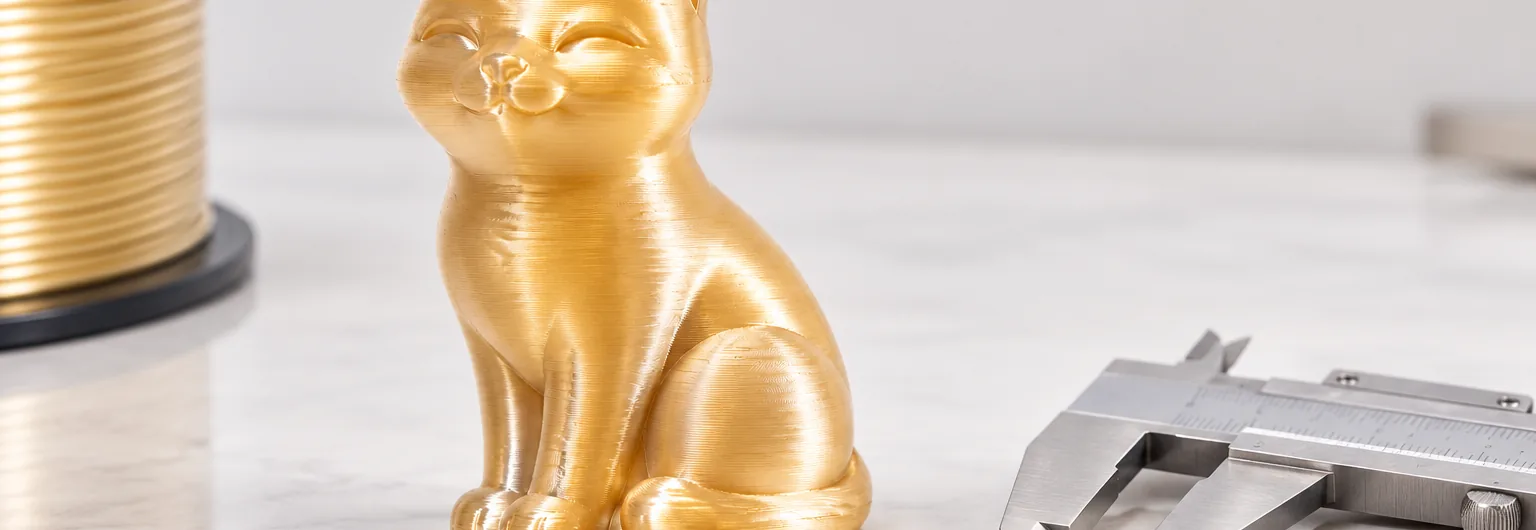
Low-shrinkage grades with laser-measured ±0.03mm diameter.
We provide Models that hold their intended scale across a series
View material ↗Consistent flow supports fine anatomical features.
We provide Fine detail that survives printing without post-processing
View material ↗Measured diameter, moisture and batch number per lot.
We provide A traceable record for internal review
05 — The materials
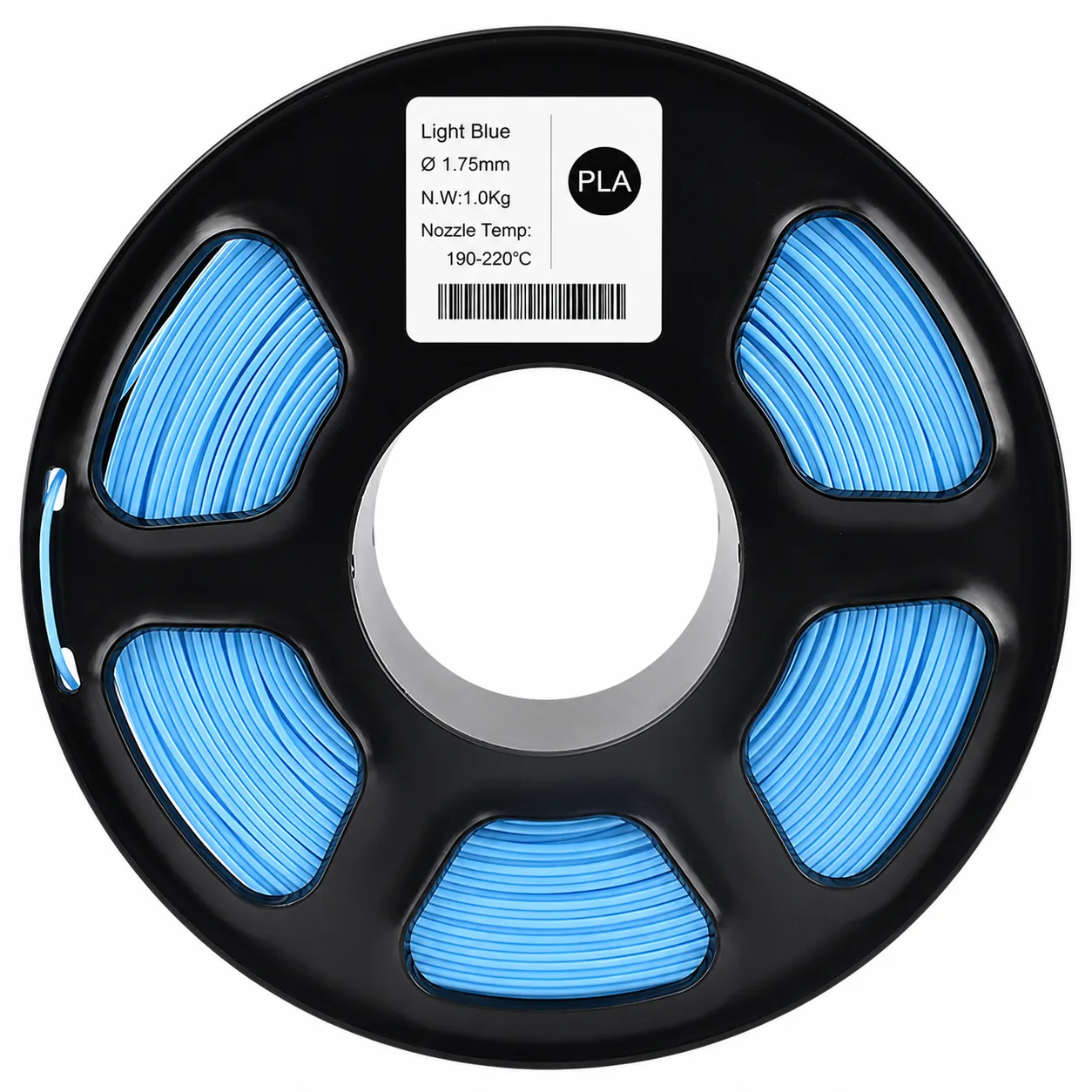
Core filament
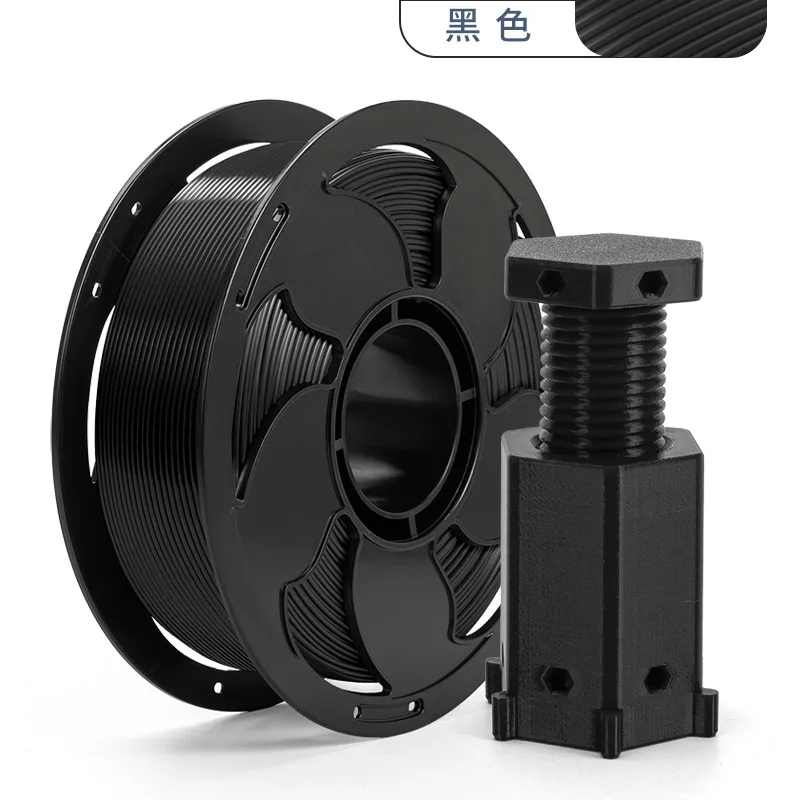
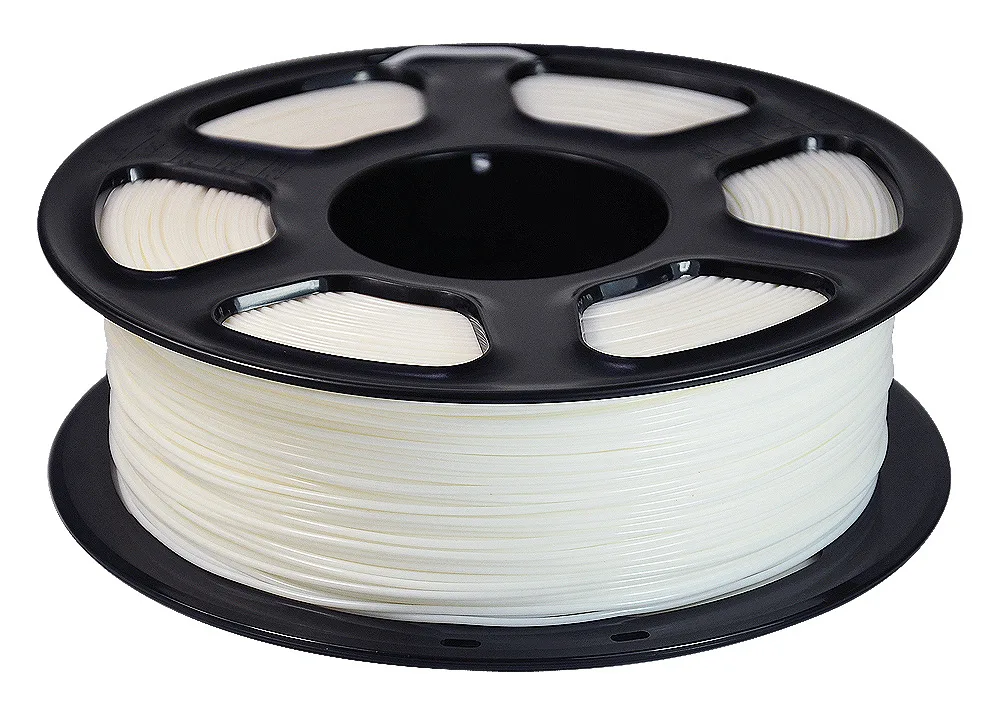
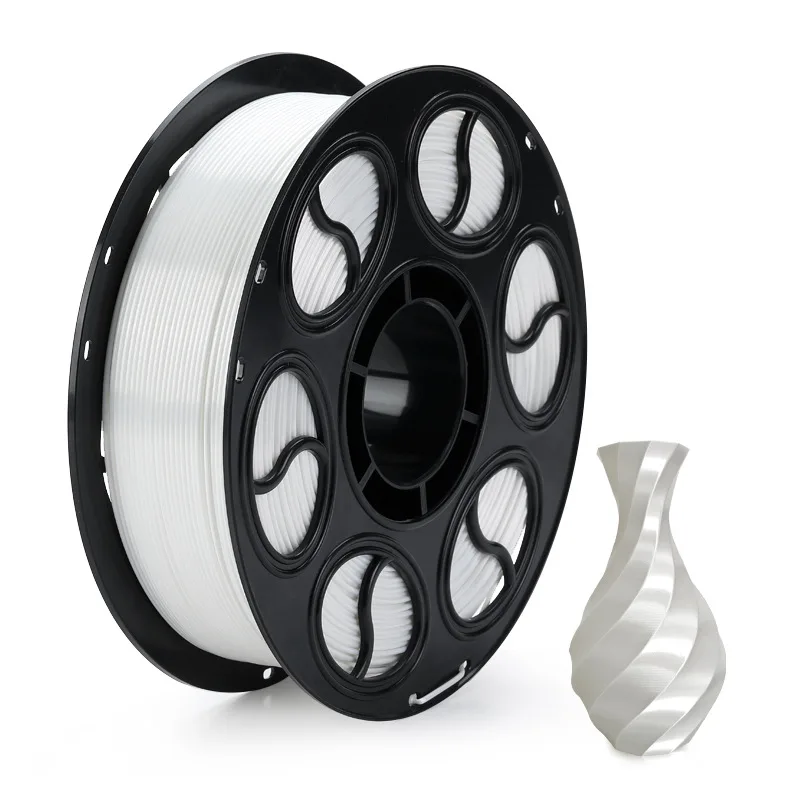
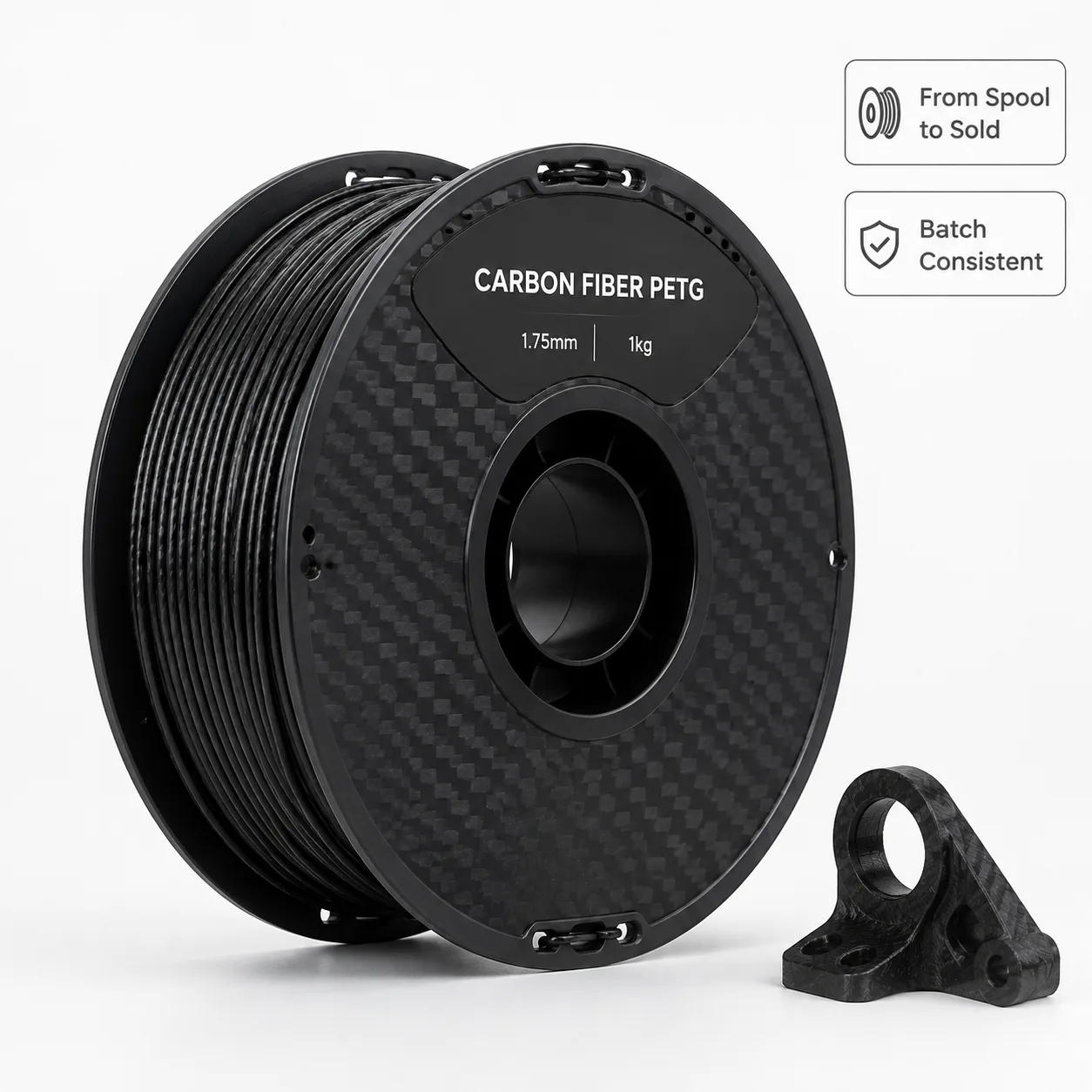
Low shrinkage and predictable scale for anatomical and teaching models
View material ↗
07 — The path
Day 1
Tell us whether the model is for teaching, planning or fit checking.
Start a project →Day 2 to 3
We propose the grade and parameters for your required scale accuracy.
Browse materials →Week 1
Print a sample of your own geometry and measure it.
Request a free sample →Week 2 and beyond
Consistent lots supplied with a CoA per batch.
See the workflow →
08 — Your first move
Print a free sample of a real model and measure it against your design.
Reply within 24h · Sample-first ordering · We'll send you the Alibaba product link for final negotiation.
Check your email for our response. For pricing and formal orders, you can also visit our Alibaba store:
Visit Alibaba Store →Our form service is being upgraded — please reach us directly: [email protected]
A model is only useful if it is the size it claims to be. When a printed model is used for teaching, for a planning discussion, or to check how parts fit together, scale error turns a useful reference into a misleading one. What this work needs is not an exotic material, it is a filament that prints the same dimensions today and on the next order.
These grades are intended for anatomical, teaching and fit-check models. They are not intended for implantable use, direct body contact, sterile environments or any clinical application, and we do not supply biocompatibility certification. Buyers remain responsible for validating materials against their own regulatory requirements.