



01
Exposure defines the grade
Salt water, fuel and solvents place very different demands on a polymer. The medium decides the material, not the other way round.
Type to search products, guides, downloads and case studies — results appear as you type.
Suggested
12 solution paths
7 walkthroughs
 Print Farm Scaling — Material Strategy Walkthrough
 Outdoor UV Stability — Enclosure Material Walkthrough
 Figurine Batch Consistency — Surface-Finish Walkthrough Educational Lab Deployment — Safe Material Walkthrough Industrial Jig Precision — Tolerance Walkthrough A European Print Farm — 40-Unit Consistency Overhaul A University Environmental Lab — Outdoor Sensor Enclosure

◆ Production scenario · Industrial
Moisture-tolerant and weather-stable grades for marine and industrial settings, with parameters matched to your exposure.

02 — What it actually costs
A part that absorbs moisture loses strength while still looking intact
UV exposure degrades an unprotected surface over a season
A grade chosen without testing against the actual medium fails unpredictably
03 — Why it happens
Salt water, fuel and solvents place very different demands on a polymer. The medium decides the material, not the other way round.
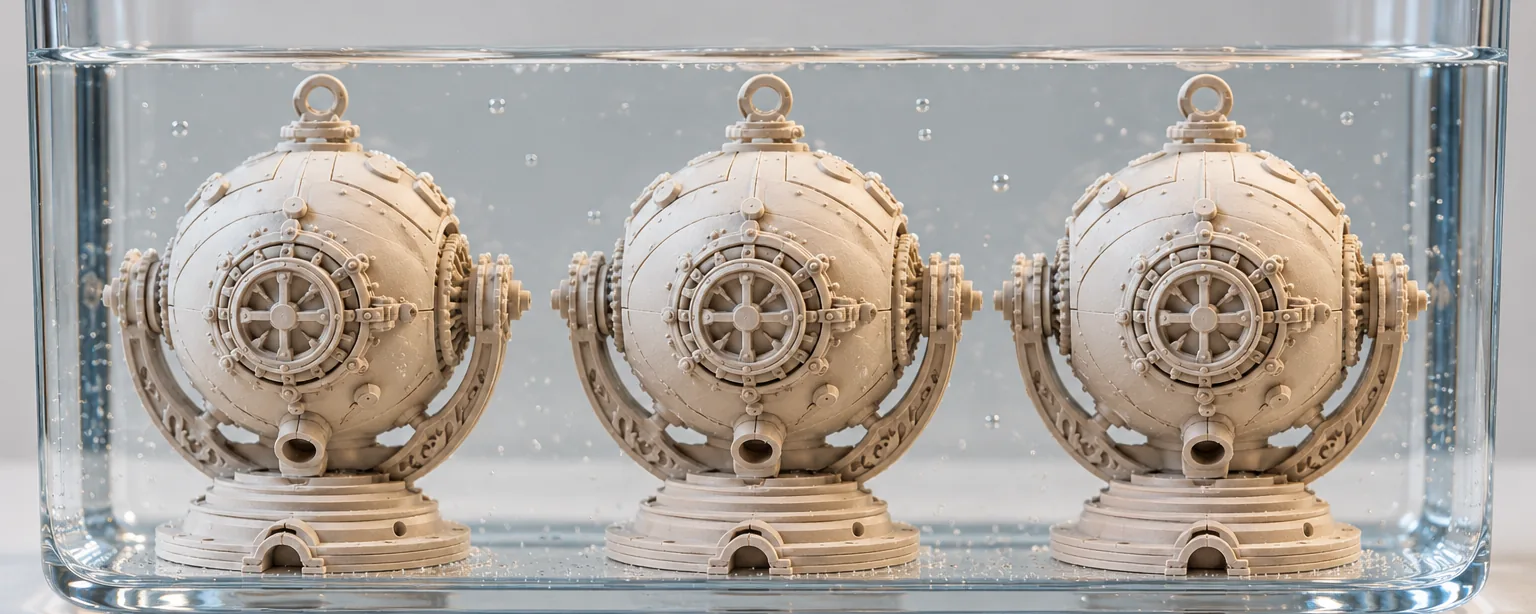
A grade that handles humidity well may still be unsuitable for prolonged contact with a solvent, so both axes have to be checked.
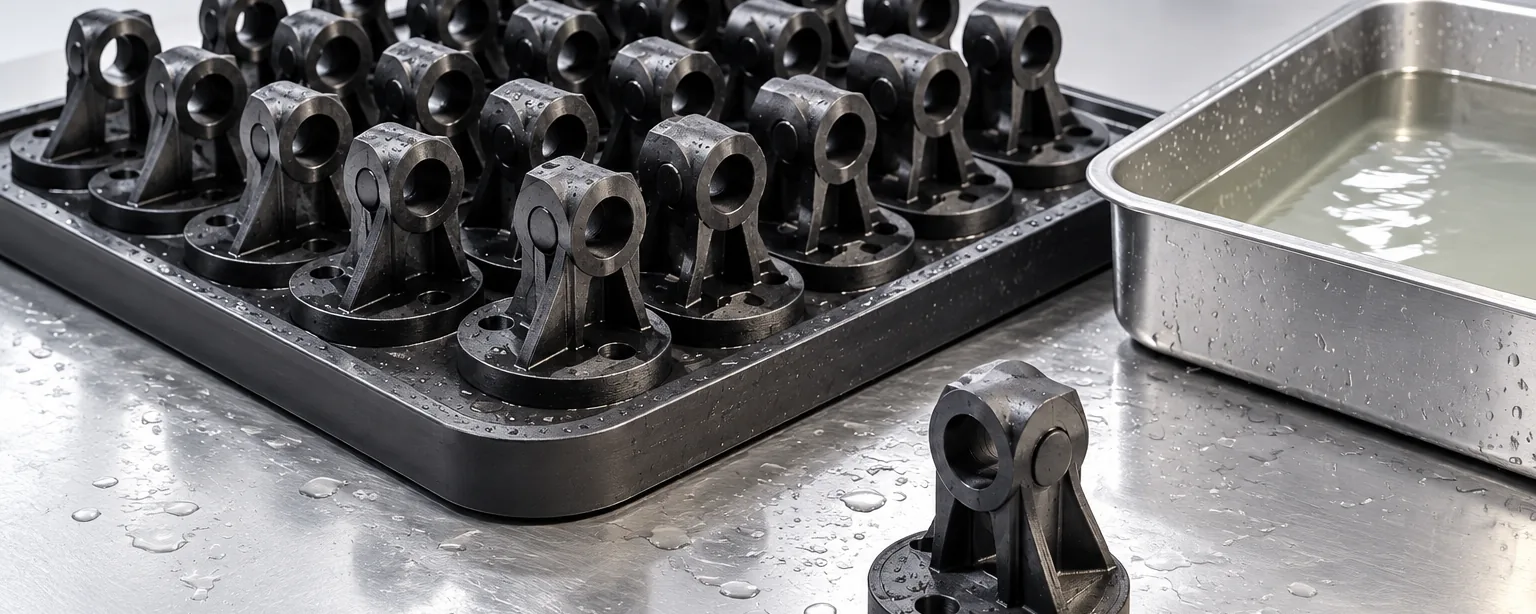
Immersion and exposure testing with the actual substance is the only reliable answer for a specific chemical environment.
04 — What we hold for you
Grades that handle humidity and repeated wetting.
We provide A recommendation for wet or high-humidity service
View material ↗UV-stable ASA for parts exposed to sun and rain.
We provide A grade that holds strength and colour outdoors
View material ↗A structured way to test a candidate grade against your actual medium.
We provide A pass and fail result before the design is released
05 — The materials
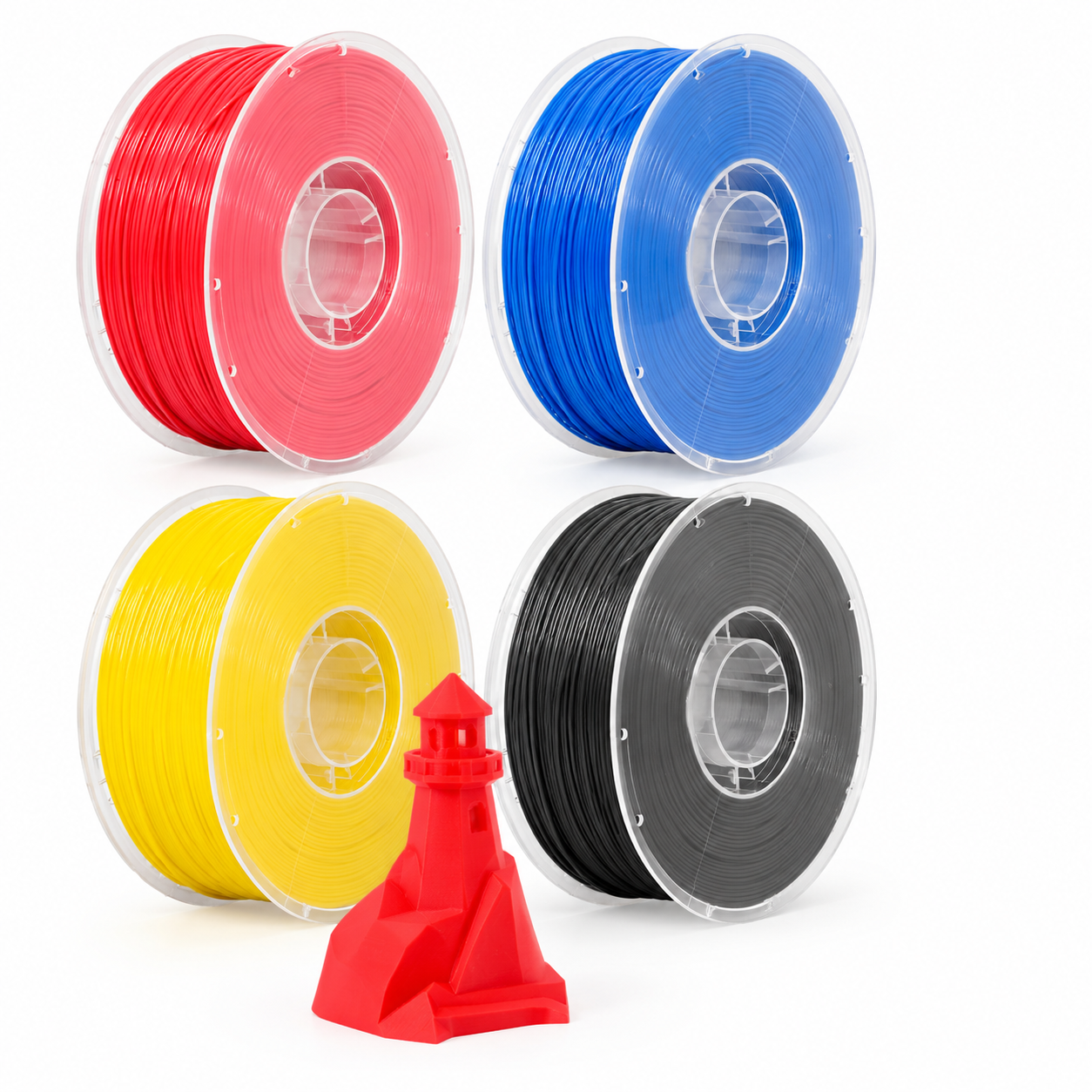
Core filament
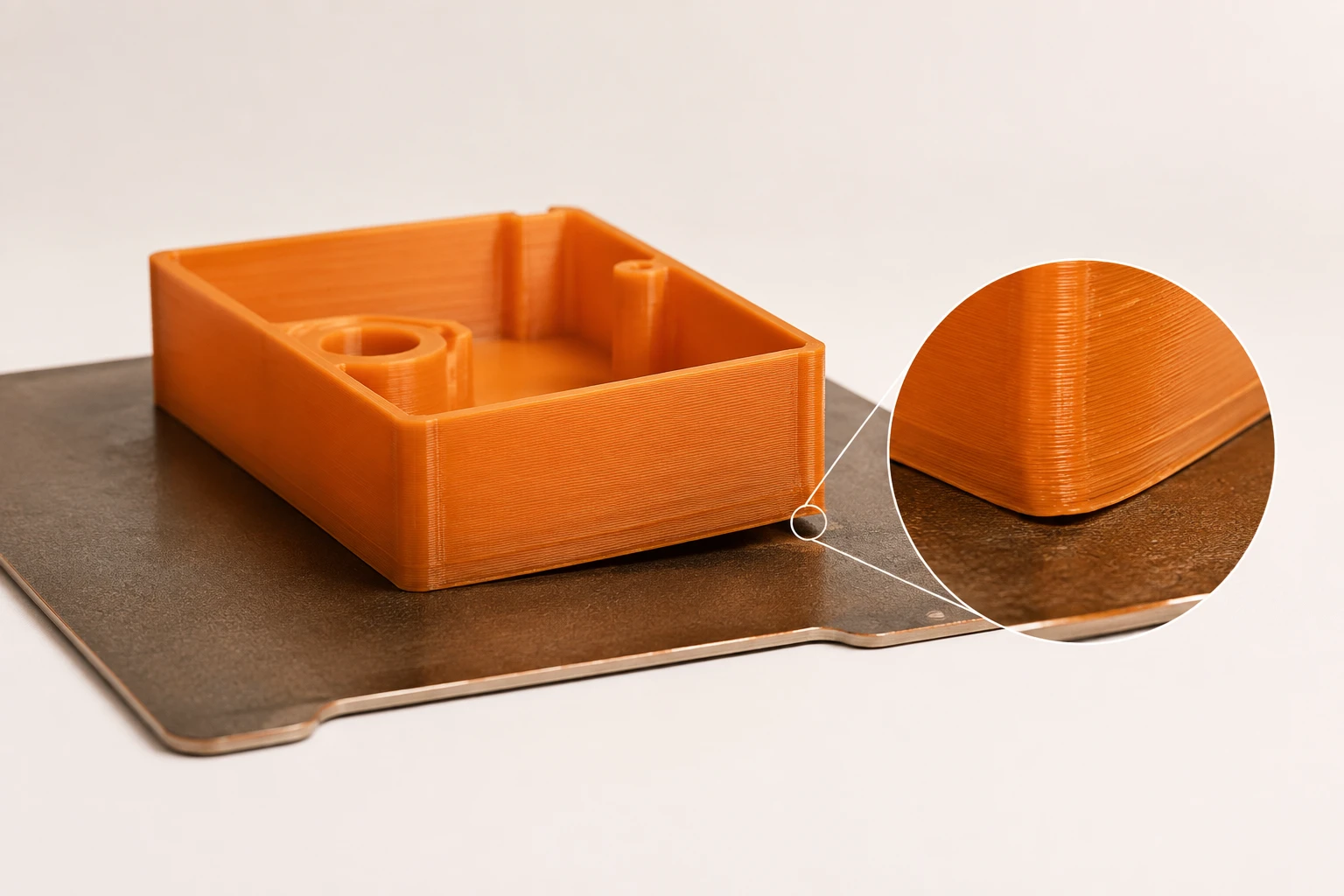
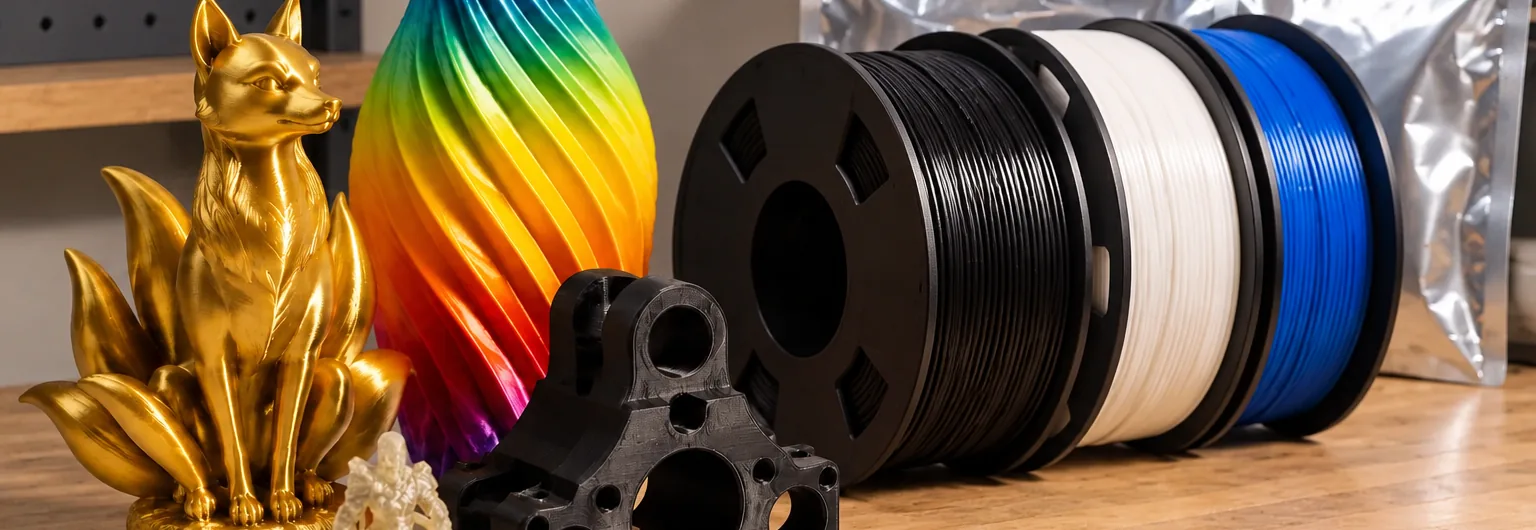
Weather and UV stability for parts exposed outdoors or to washdown
View material ↗
07 — The path
Day 1
Tell us what the part contacts, for how long and at what temperature.
Start a project →Day 2 to 3
We shortlist grades for your exposure and operating window.
Browse materials →Week 1
Test samples against the real medium before releasing the design.
See the protocol →Week 2 and beyond
Supplied from documented lots with ocean-ready packaging.
See the workflow →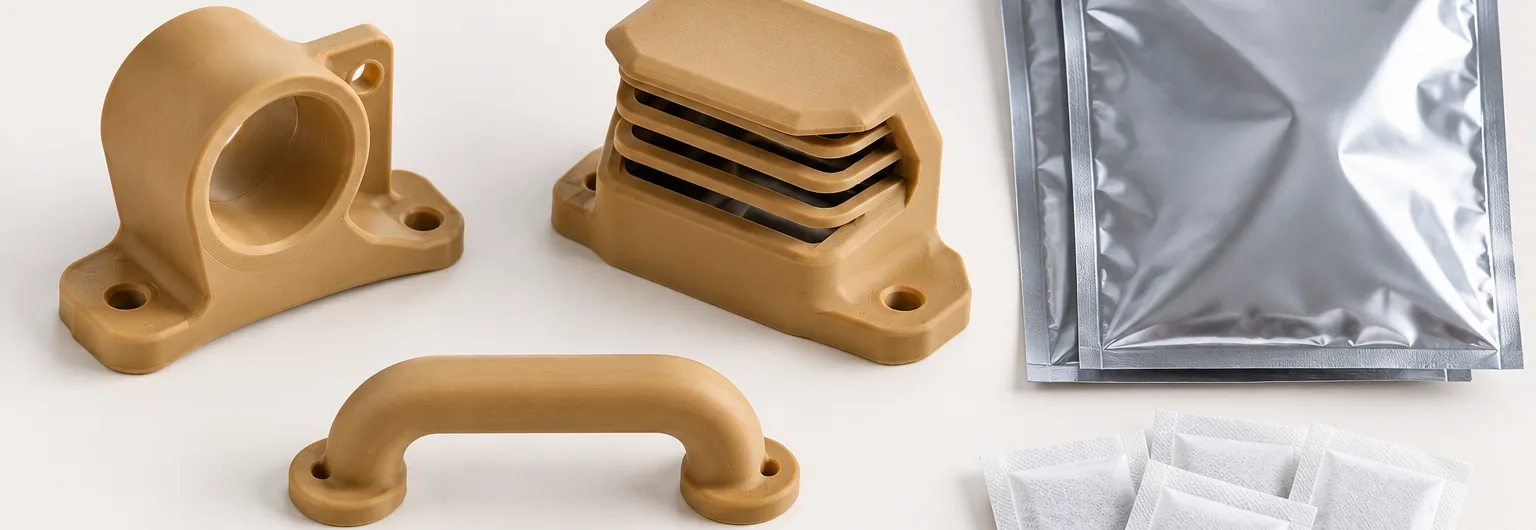

08 — Your first move
Tell us the exposure and we will send samples for your own validation.
Reply within 24h · Sample-first ordering · We'll send you the Alibaba product link for final negotiation.
Check your email for our response. For pricing and formal orders, you can also visit our Alibaba store:
Visit Alibaba Store →Our form service is being upgraded — please reach us directly: [email protected]
Standard PLA fails in days in marine environments — salt spray accelerates polymer degradation. ABS fails with fuel exposure. Even PETG degrades with prolonged chemical immersion. If your parts are going into a marine engine bay, a chemical processing plant, or an outdoor marine environment, you need a material with proven chemical resistance data — not just “good for outdoor use.”