


01
UV damage is cumulative
Direct sunlight degrades polymer chains over months, not days. Short-term testing understates what a full season will do.
Type to search products, guides, downloads and case studies — results appear as you type.
Suggested
12 solution paths
7 walkthroughs
 Print Farm Scaling — Material Strategy Walkthrough
 Outdoor UV Stability — Enclosure Material Walkthrough
 Figurine Batch Consistency — Surface-Finish Walkthrough Educational Lab Deployment — Safe Material Walkthrough Industrial Jig Precision — Tolerance Walkthrough A European Print Farm — 40-Unit Consistency Overhaul A University Environmental Lab — Outdoor Sensor Enclosure

◆ Production scenario · Industrial
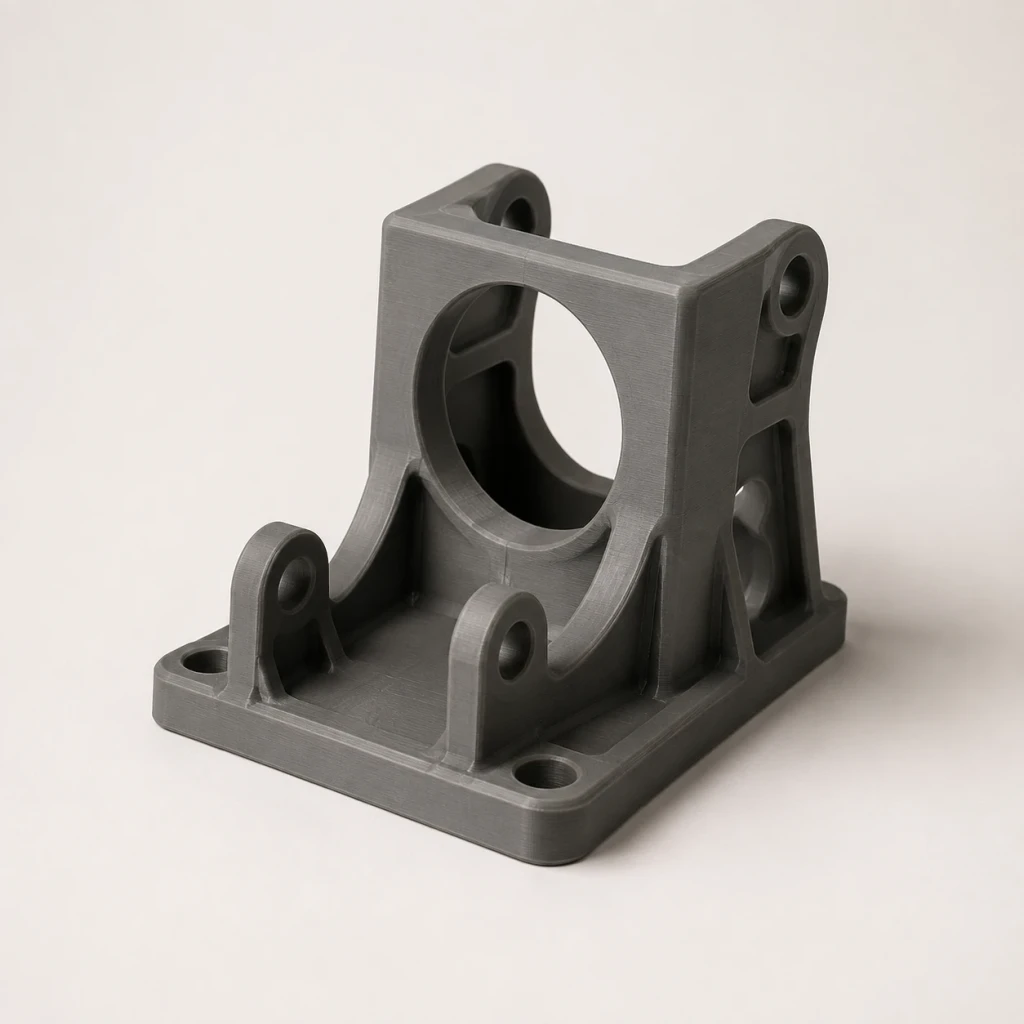
UV-stable ASA and moisture-resistant PETG, laser-measured so sealing surfaces stay predictable across batches.

02 — What it actually costs
A part that looks fine at delivery can fail after months of UV exposure
Chalking and fading turn a functional part into a visible defect
Sealing surfaces that vary between batches leak, no matter how good the design is
03 — Why it happens
Direct sunlight degrades polymer chains over months, not days. Short-term testing understates what a full season will do.

Parts in direct sun and parts in shade do not need the same grade. Splitting the BOM keeps cost where it matters and performance where it counts.
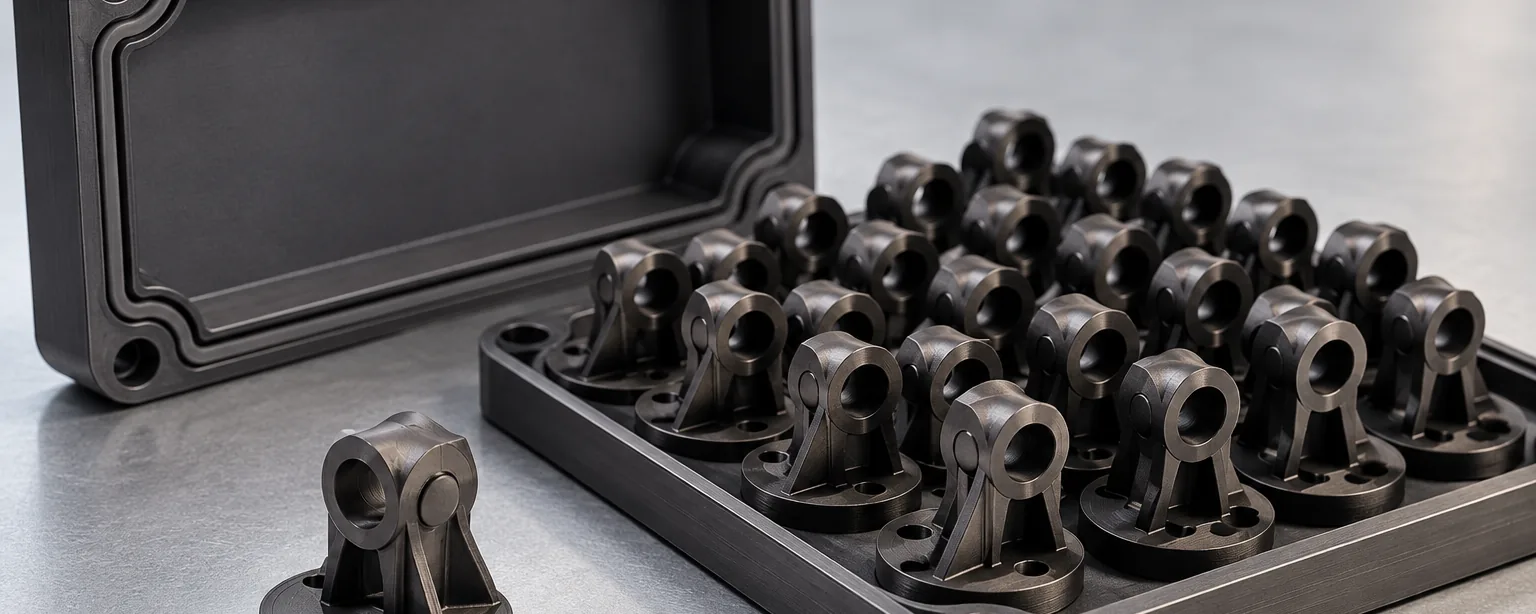
If diameter and shrinkage move between lots, gasket fit moves with them. Laser-measured diameter keeps sealing surfaces repeatable.
04 — What we hold for you
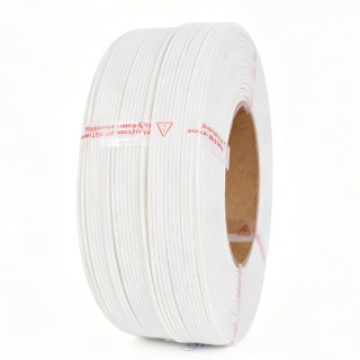
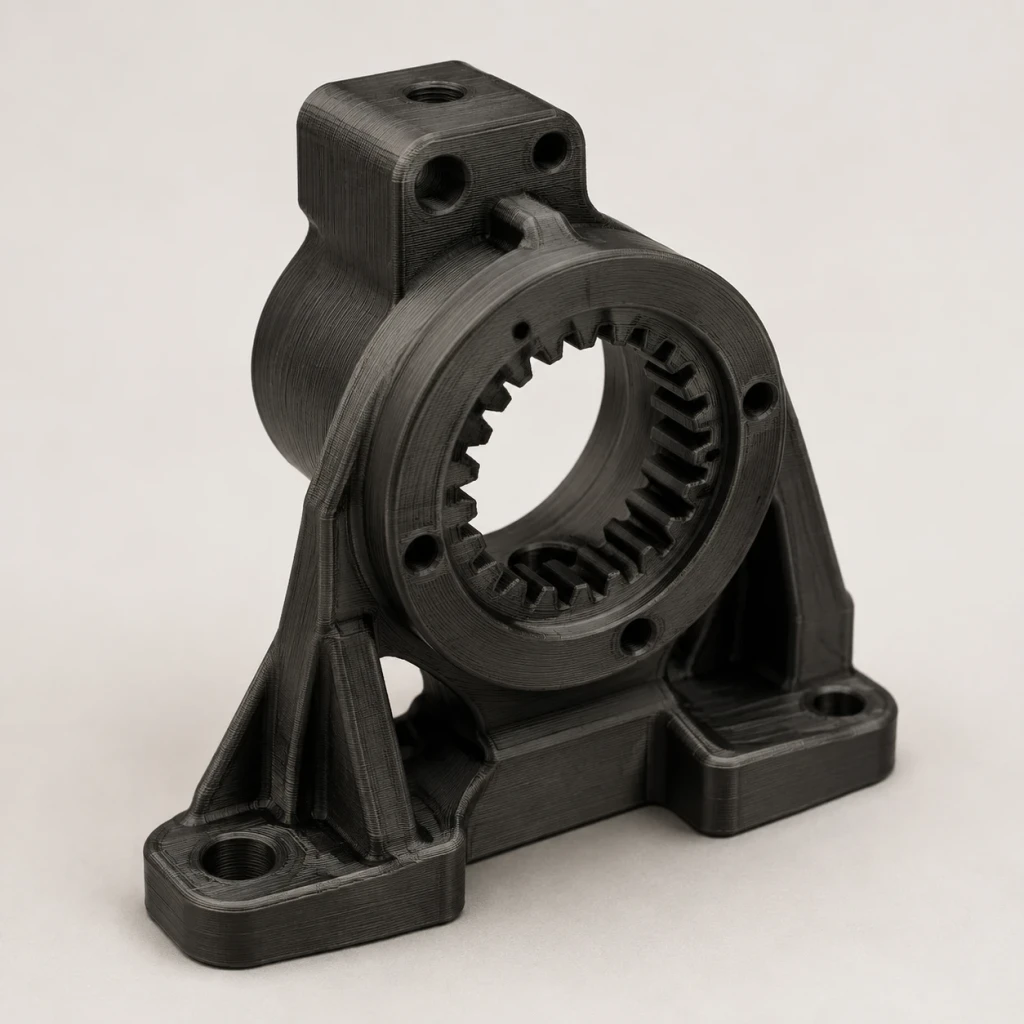
ASA for direct sun and heat, PETG for gasket-friendly and indoor-mount variants.
We provide A material recommendation split by exposure, not one grade for the whole program
View material ↗Laser-measured ±0.03mm diameter and documented batch data.
We provide Repeatable fit for gaskets and enclosures across production lots
View material ↗Vacuum-sealed spools with desiccant inside moisture-barrier bags, validated through 35-day ocean transit simulation.
We provide Filament that arrives dry and ready to print
A structured way to test sample spools on your own machines before production.
We provide A pass and fail framework so validation is a decision, not an opinion
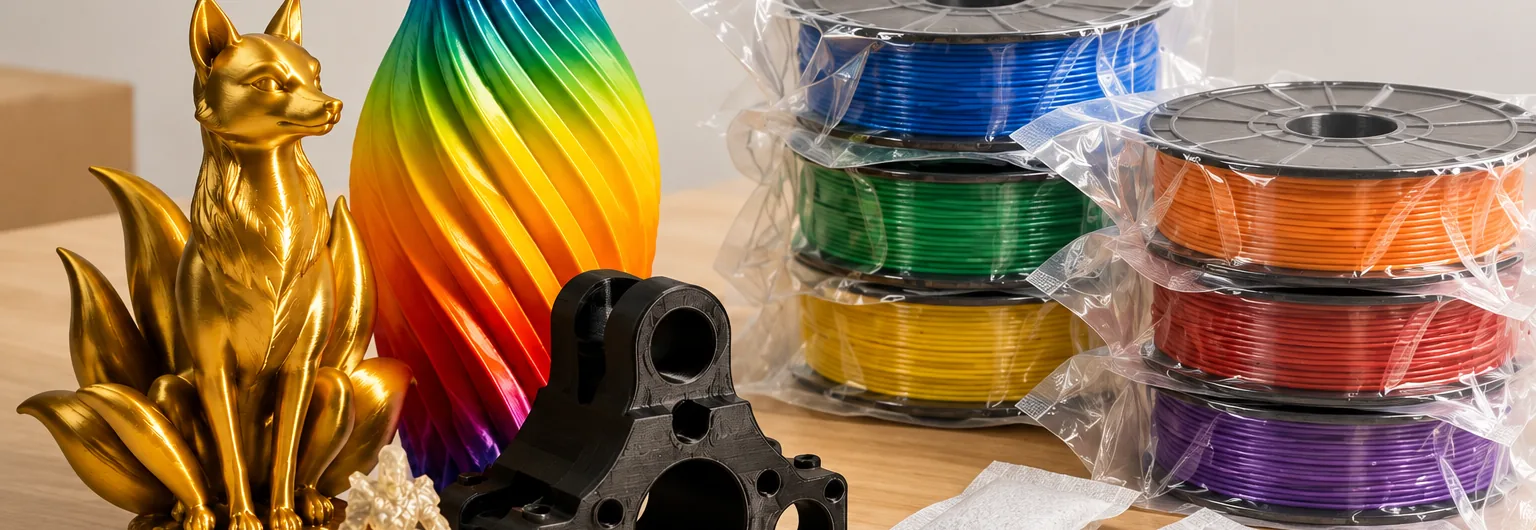
05 — The materials
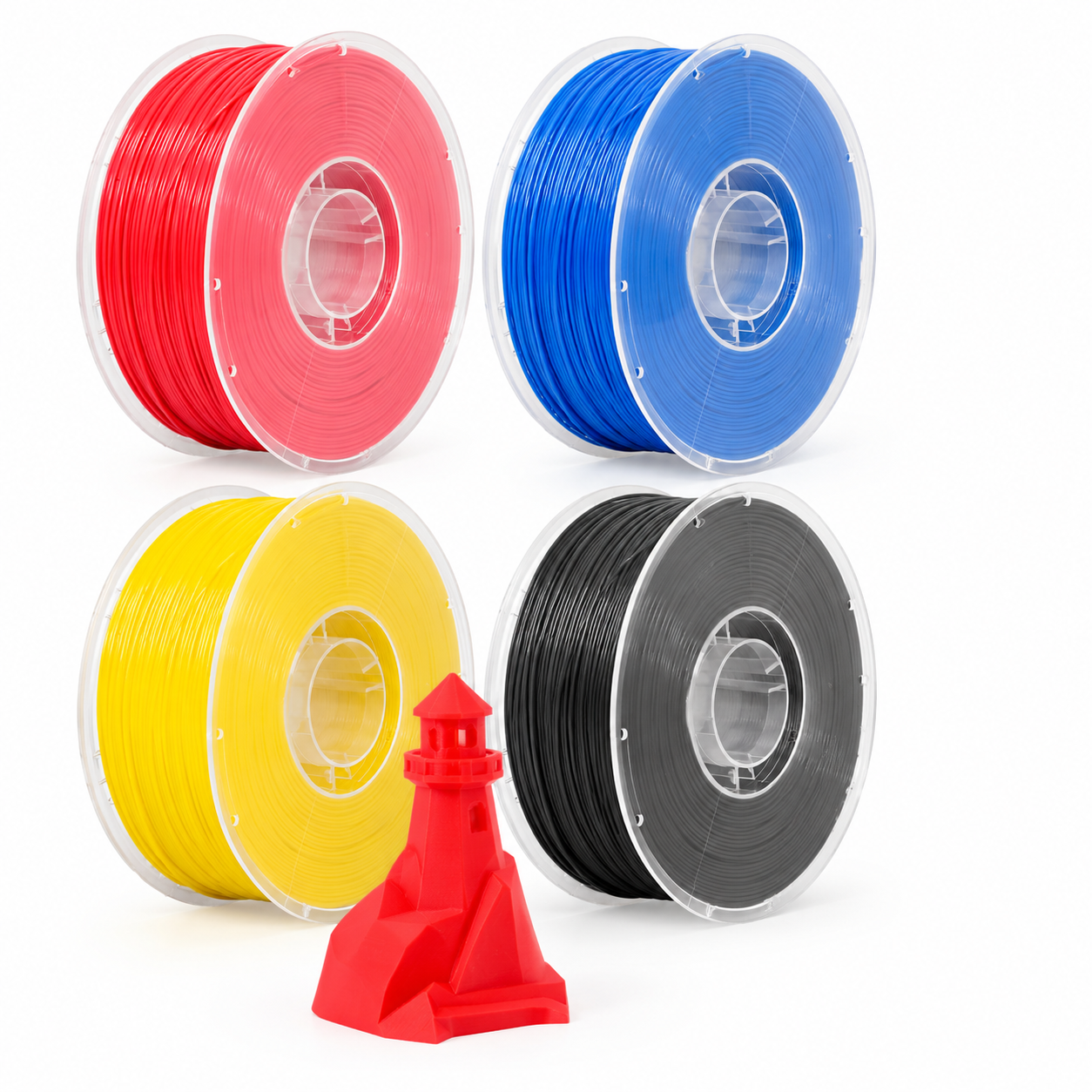
Core filament
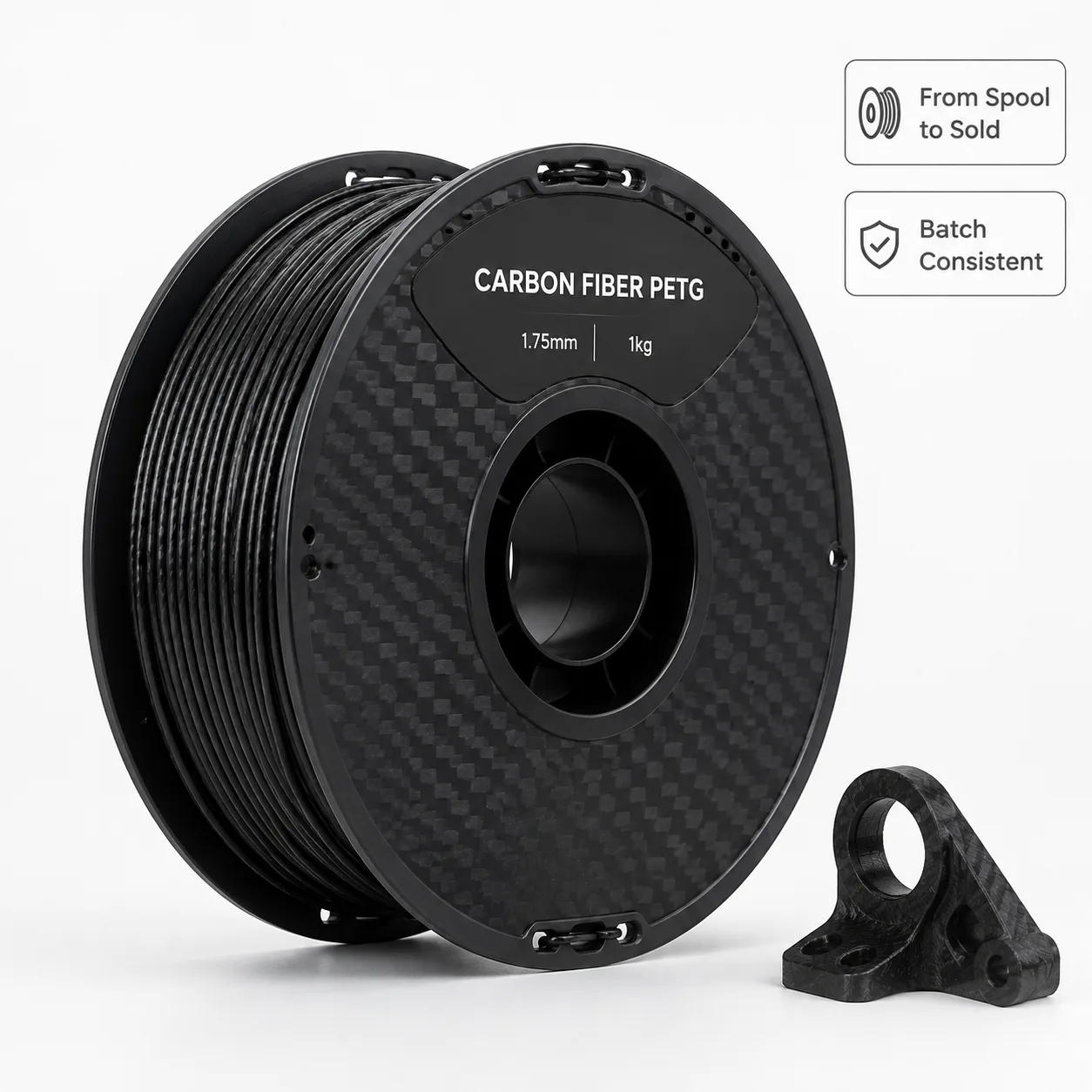
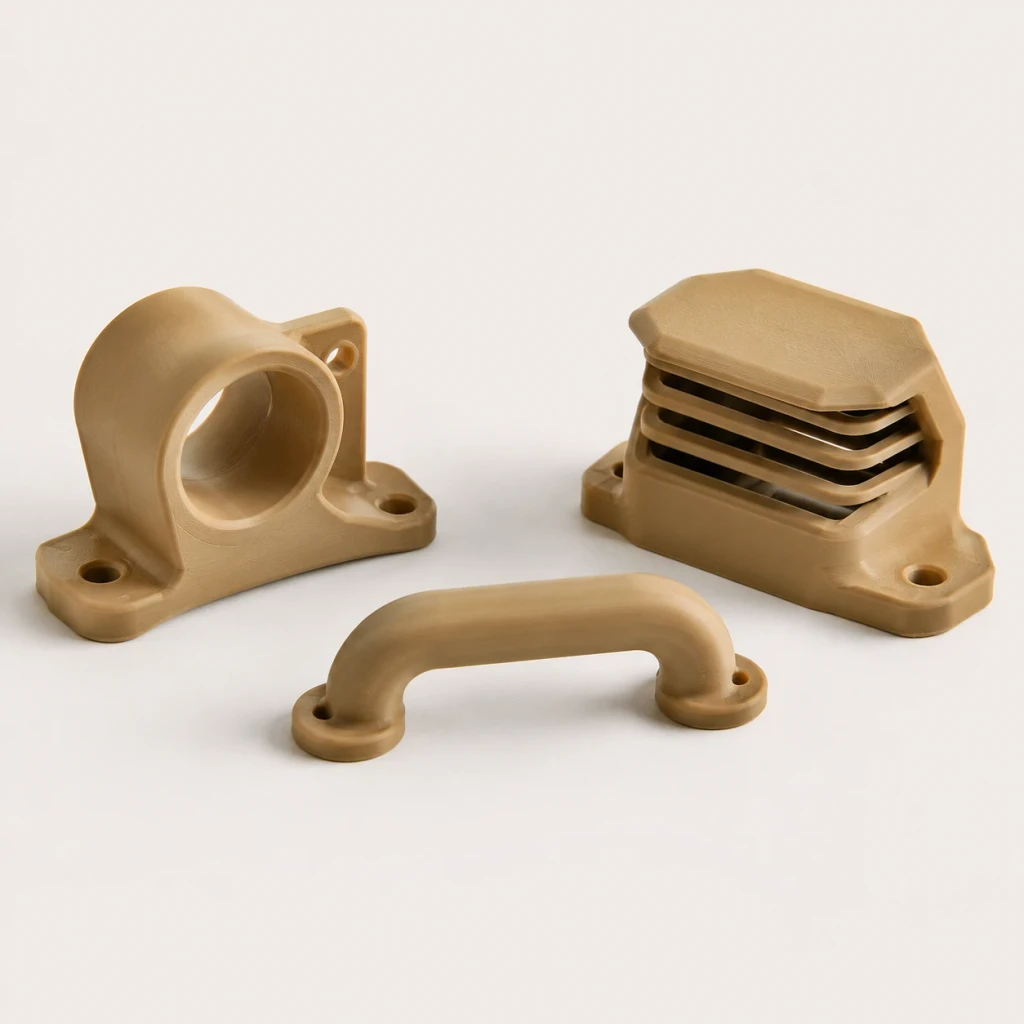
Moisture resistance for indoor-mount and gasket-friendly variants
View material ↗ 06 — The evidence
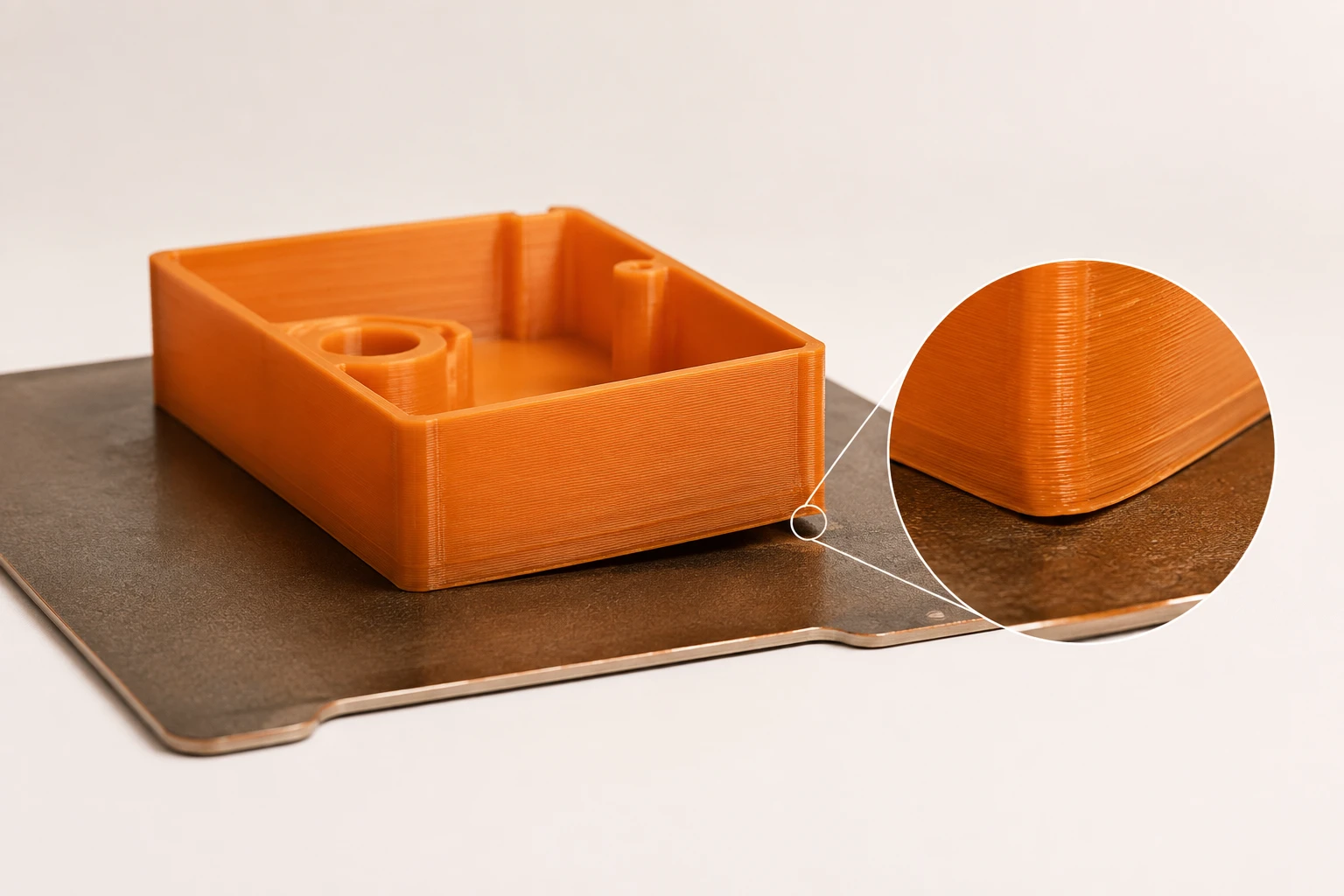
An illustrative walkthrough of an outdoor sensor program, where enclosures must survive seasons of direct sun and temperature swings.
What we changed The fix is splitting the BOM by exposure: ASA for sun-facing bodies, PETG for indoor-mount and gasket-friendly variants.
Split the BOM by exposure level
Keep one design language across both grades
Laser-verify diameter so sealing surfaces stay repeatable
Strength and color held through multi-season outdoor deployment
07 — The path
Day 1
Tell us where the parts live: direct sun, shaded, indoor, or a mix.
Start a project →Day 2 to 3
We recommend a grade per exposure level instead of one material for everything.
Compare materials →Week 1
Print and test sample parts on your own machines before production volume.
Request a free sample →Week 2 and beyond
Production lots with a CoA per lot and moisture-proof packaging for sea freight.
See the workflow →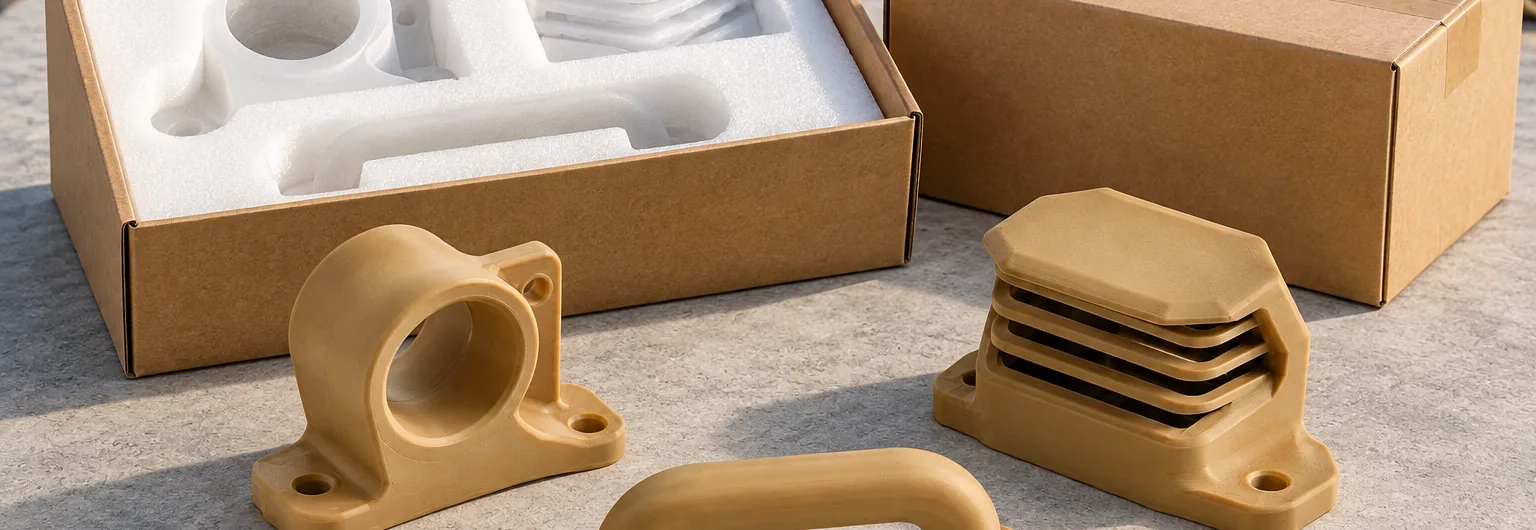

08 — Your first move
Validate UV-stable samples on your own machines and in your own environment.
Reply within 24h · Sample-first ordering · We'll send you the Alibaba product link for final negotiation.
Check your email for our response. For pricing and formal orders, you can also visit our Alibaba store:
Visit Alibaba Store →Our form service is being upgraded — please reach us directly: [email protected]
PLA fails outdoors within 3–6 months — UV radiation breaks down the polymer, causing brittleness and cracking. Standard ABS yellows and degrades even faster. For outdoor end-use applications — sensor enclosures, garden hardware, outdoor signage — you need a material engineered for multi-year UV exposure without maintenance.