

01
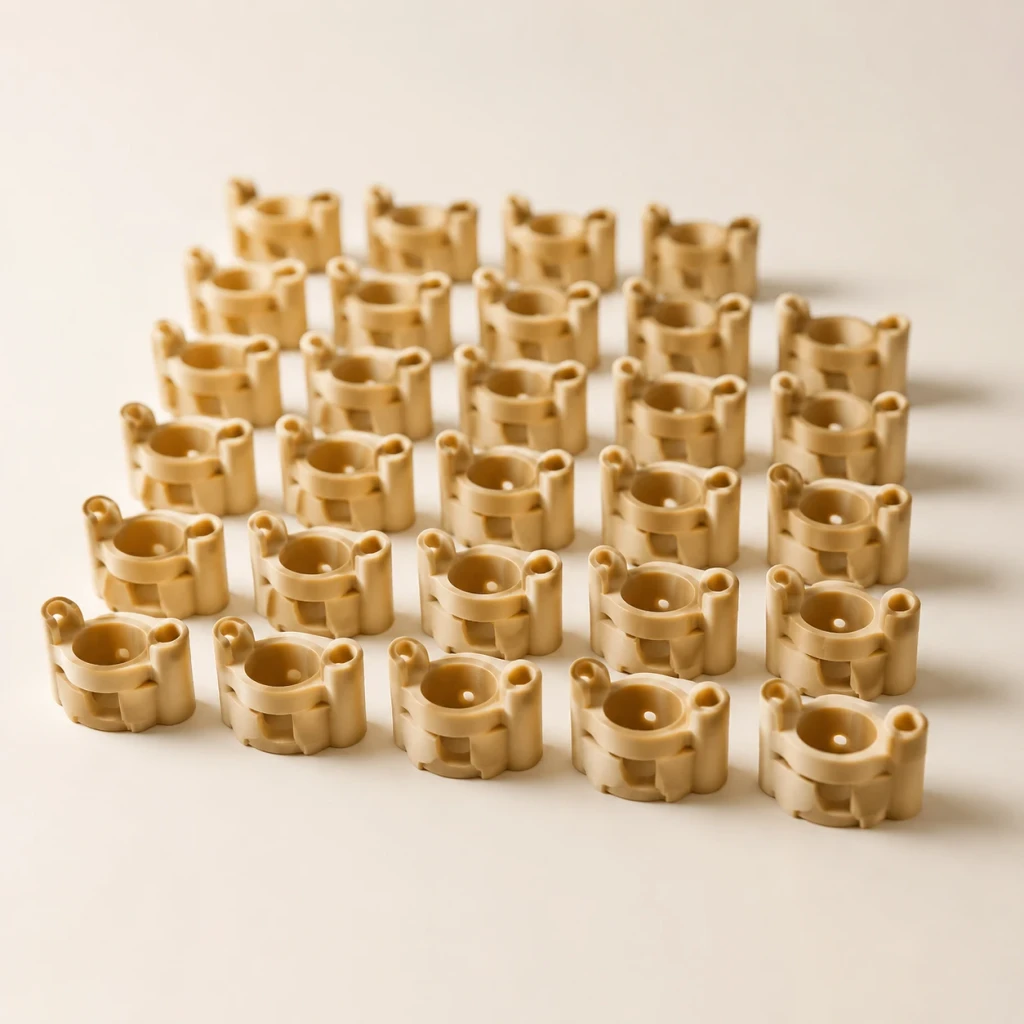
Batch drift compounds
Variance that is tolerable on one machine multiplies across a fleet. Consistency has to be controlled at the lot, not detected at the printer.
Type to search products, guides, downloads and case studies — results appear as you type.
Suggested
12 solution paths
7 walkthroughs
 Print Farm Scaling — Material Strategy Walkthrough
 Outdoor UV Stability — Enclosure Material Walkthrough
 Figurine Batch Consistency — Surface-Finish Walkthrough Educational Lab Deployment — Safe Material Walkthrough Industrial Jig Precision — Tolerance Walkthrough A European Print Farm — 40-Unit Consistency Overhaul A University Environmental Lab — Outdoor Sensor Enclosure
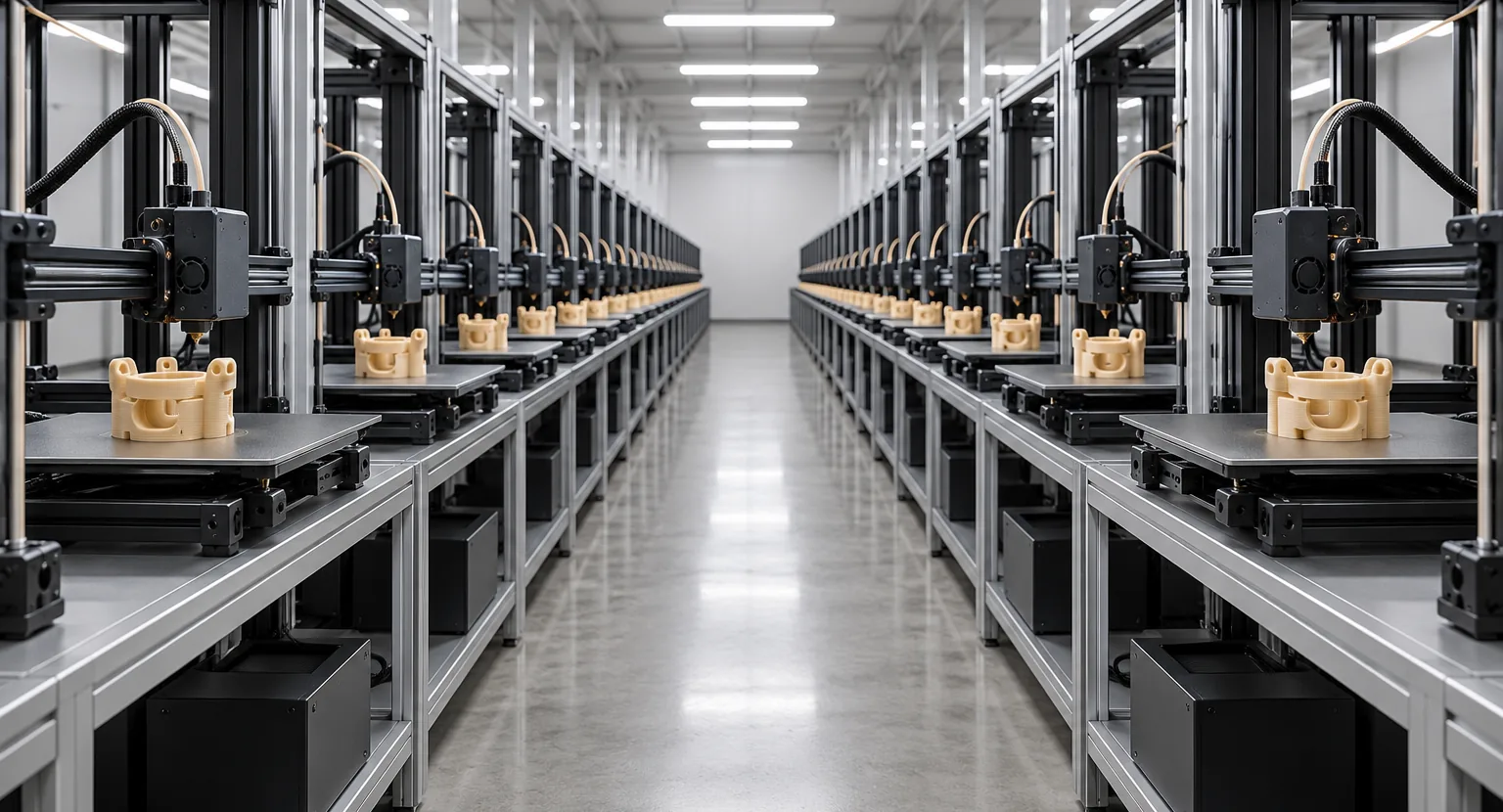
◆ Production scenario · Print Farm
Batch-locked lots, laser-verified diameter and a CoA on every pallet, so fleet output stays predictable from the first spool to the last.
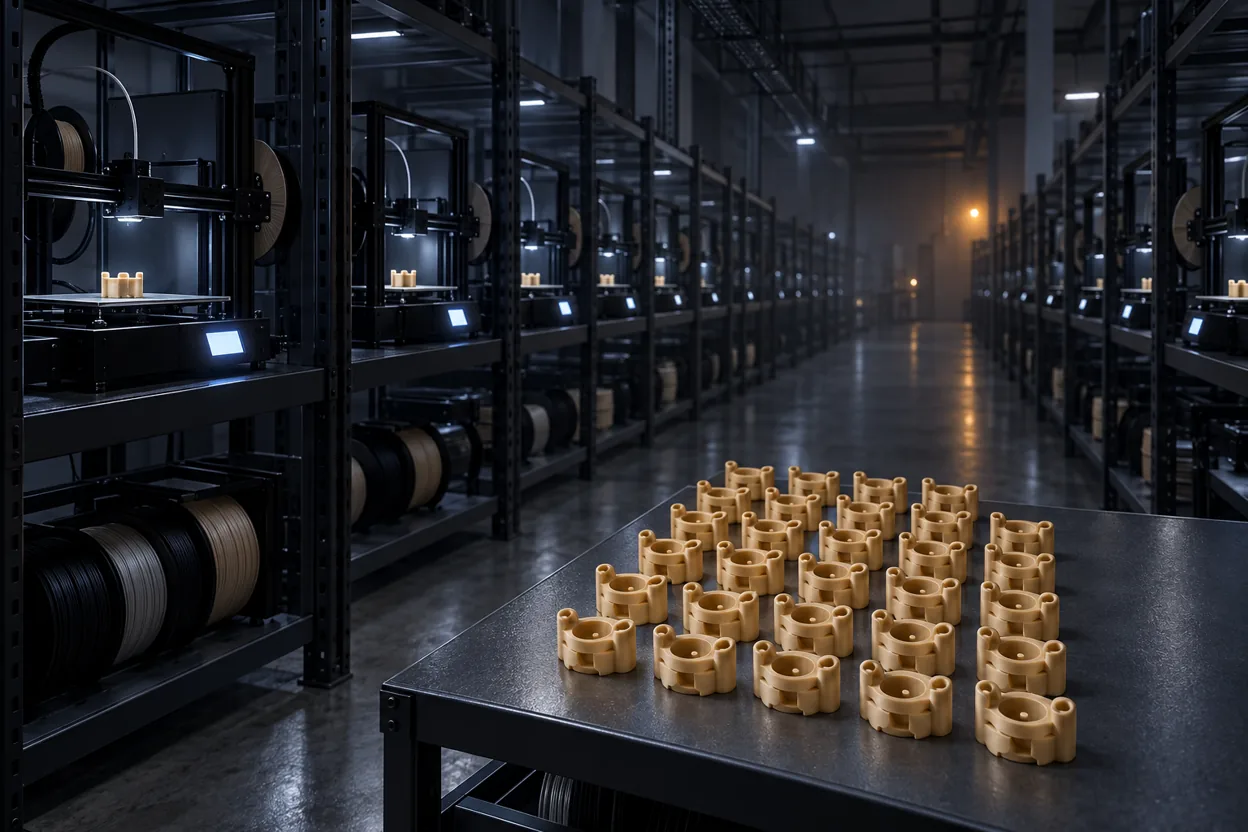
02 — What it actually costs
From the scenario brief
A 2% failure rate on 50 printers
Material wasted per failed job, machine hours on top
derived: 50 printers x 2% = one failed job per day, 200 g each
A small failure rate multiplied across 50 machines becomes a large daily loss in material and machine hours
Color shift between lots turns a repeat order into a customer complaint
Moisture absorbed in transit shows up as stringing, bubbling and weak layer adhesion
03 — Why it happens
Variance that is tolerable on one machine multiplies across a fleet. Consistency has to be controlled at the lot, not detected at the printer.
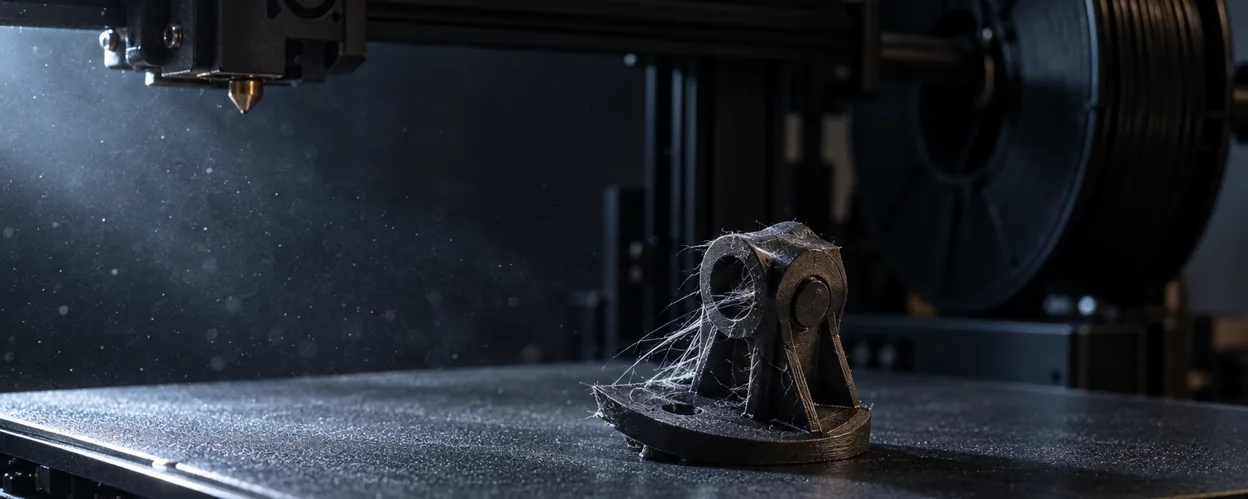
Once to print the failed job, and once to run it again. Drying and diameter control are throughput measures, not quality overhead.

Buyers reorder when they can show what changed between lots. A CoA per lot turns quality control into a paper trail.
04 — What we hold for you
Every production lot ships with measured diameter, moisture content and batch number.
We provide Documented lot data you can archive and compare across orders
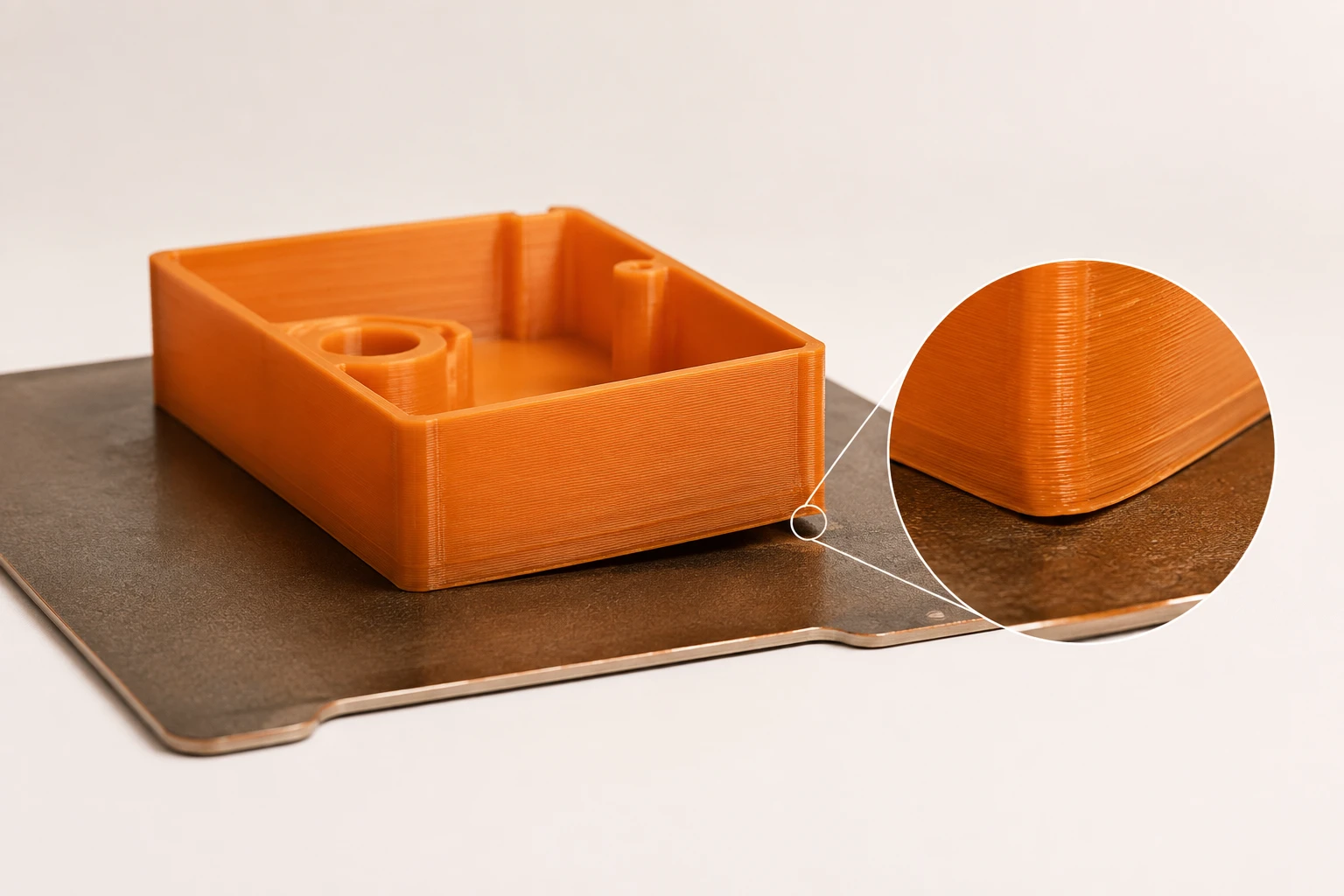
View material ↗In-line laser micrometers measure spools to ±0.03mm at 500 samples per second.
We provide 100% spool inspection instead of manual sampling
View material ↗Vacuum-sealed spools with desiccant inside moisture-barrier bags, validated through 35-day ocean transit simulation.
We provide Filament that arrives dry after weeks at sea
Print profiles matched to the machine models in your fleet.
We provide Starting parameters and troubleshooting support, with a response within 24 hours

05 — The materials
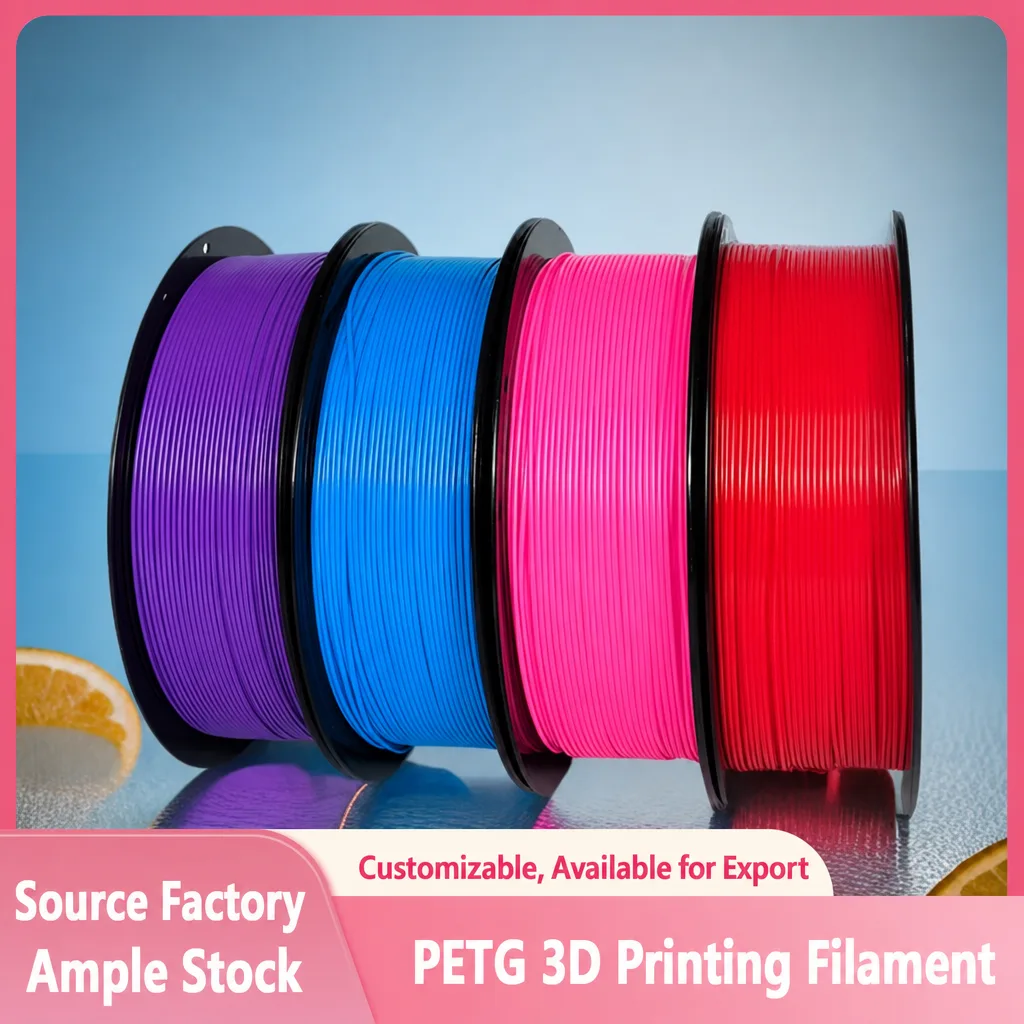
Core filament
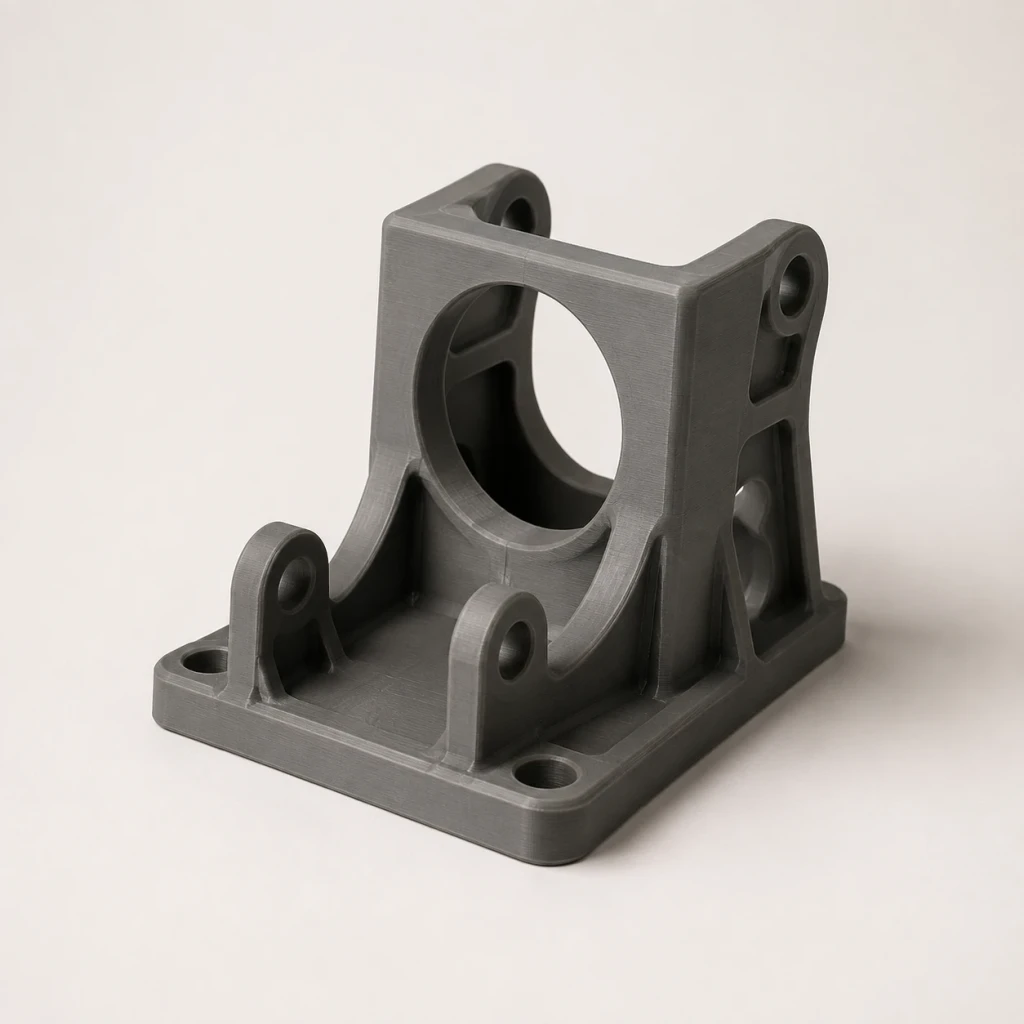
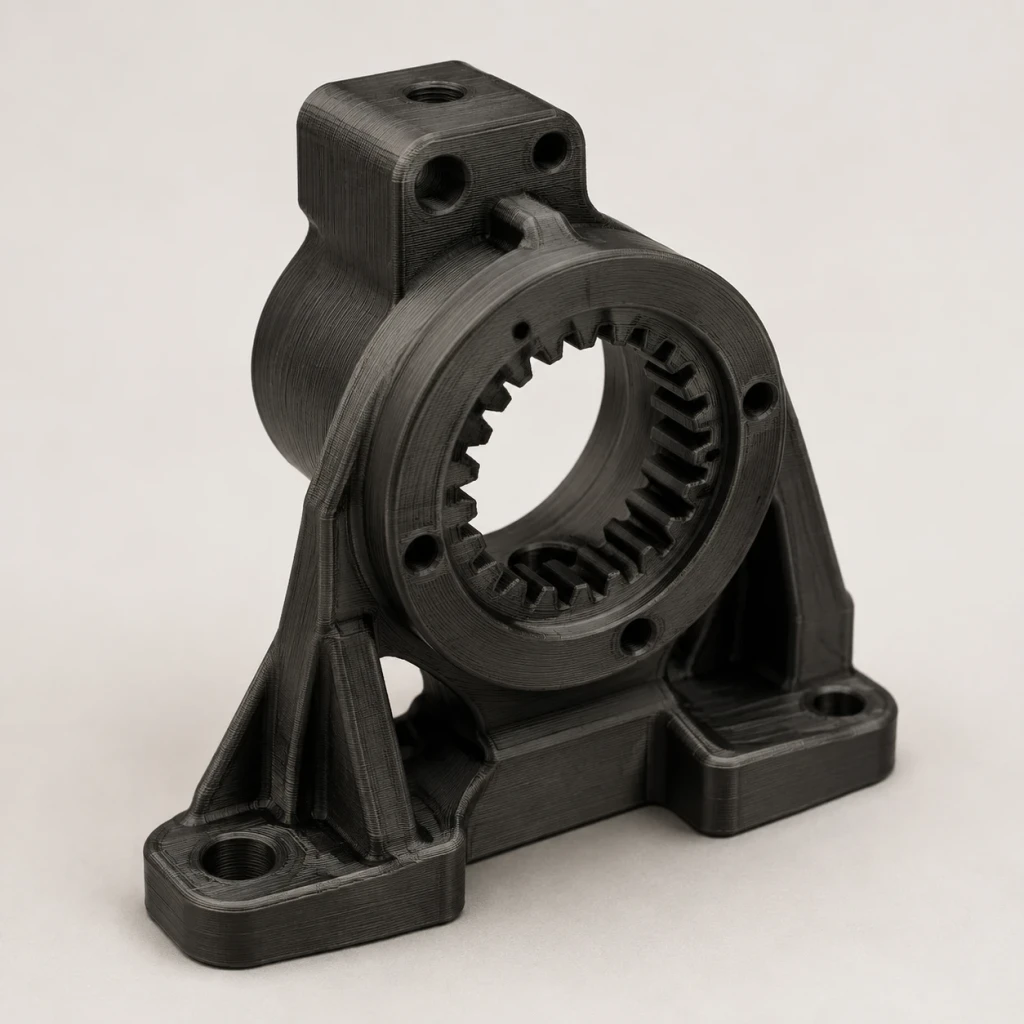
Durable, impact resistant and stable enough for brackets, gears and production parts
View material ↗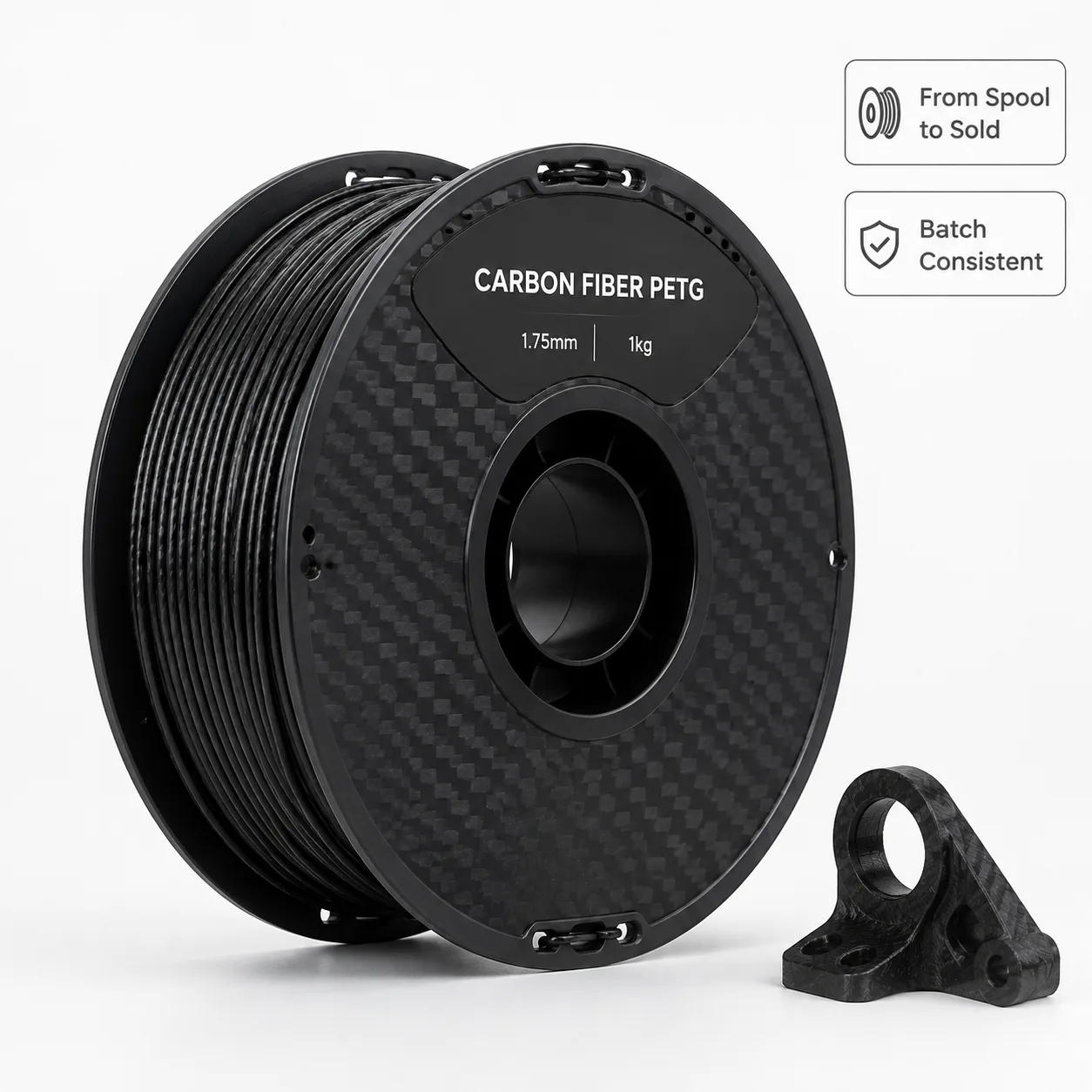
Core filament
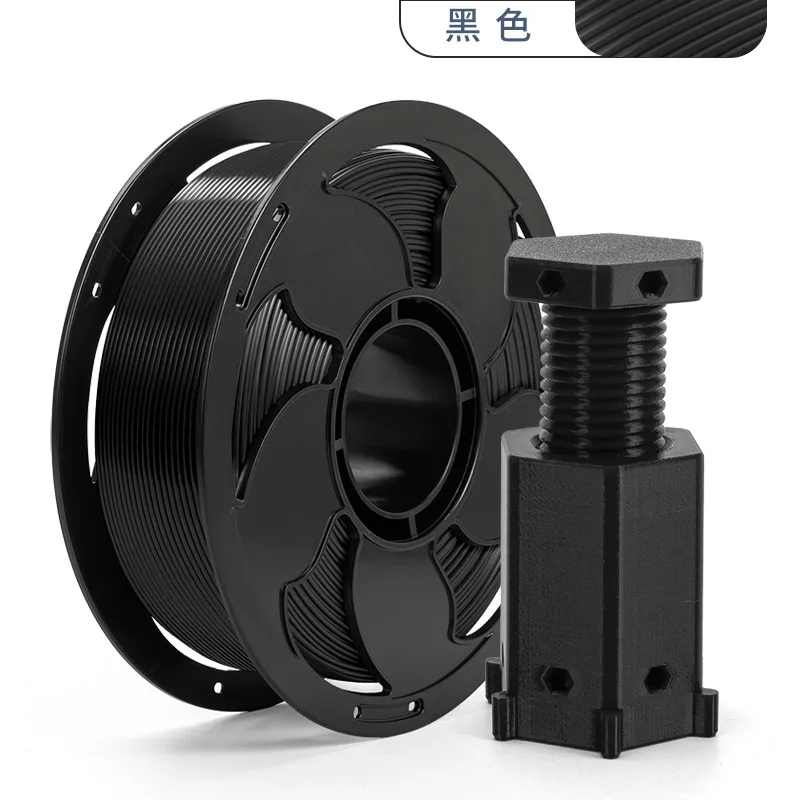
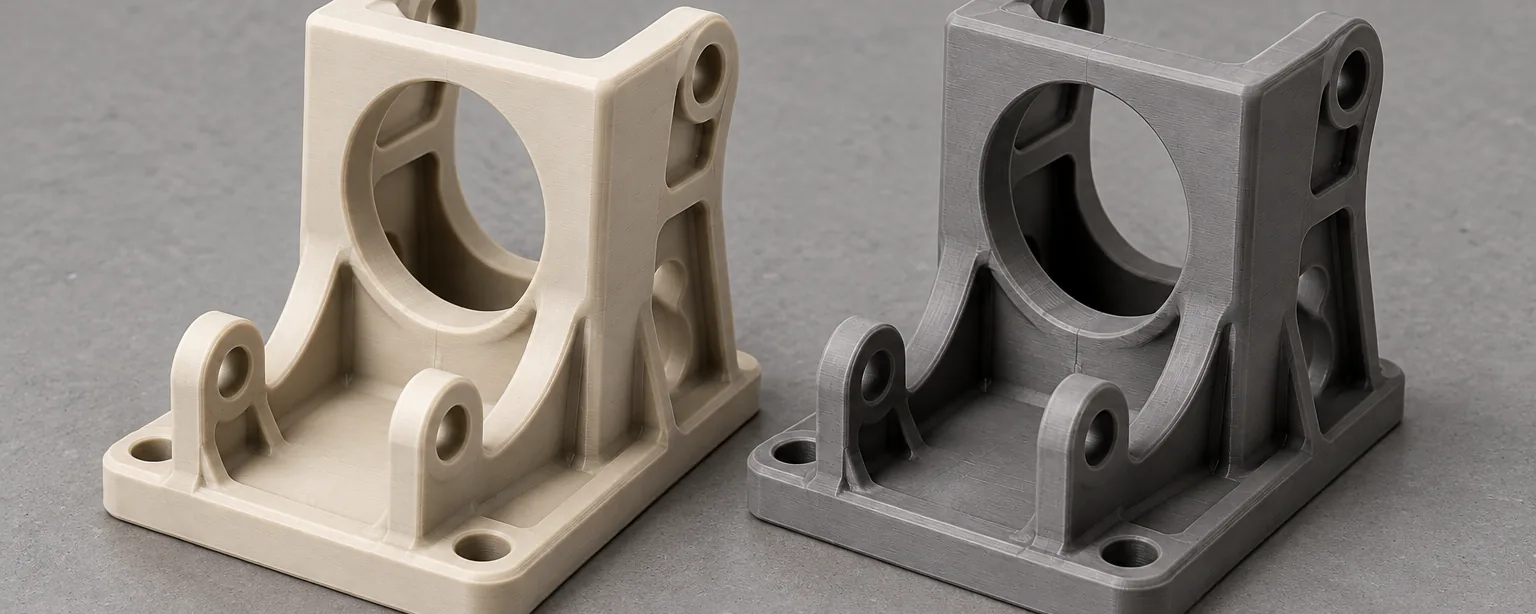
Higher stiffness for jigs and fixtures that must hold tolerance
View material ↗ 06 — The evidence
An illustrative walkthrough of a print farm scaling to 80 machines, where batch-to-batch color variance makes client-facing parts differ from the approved sample.
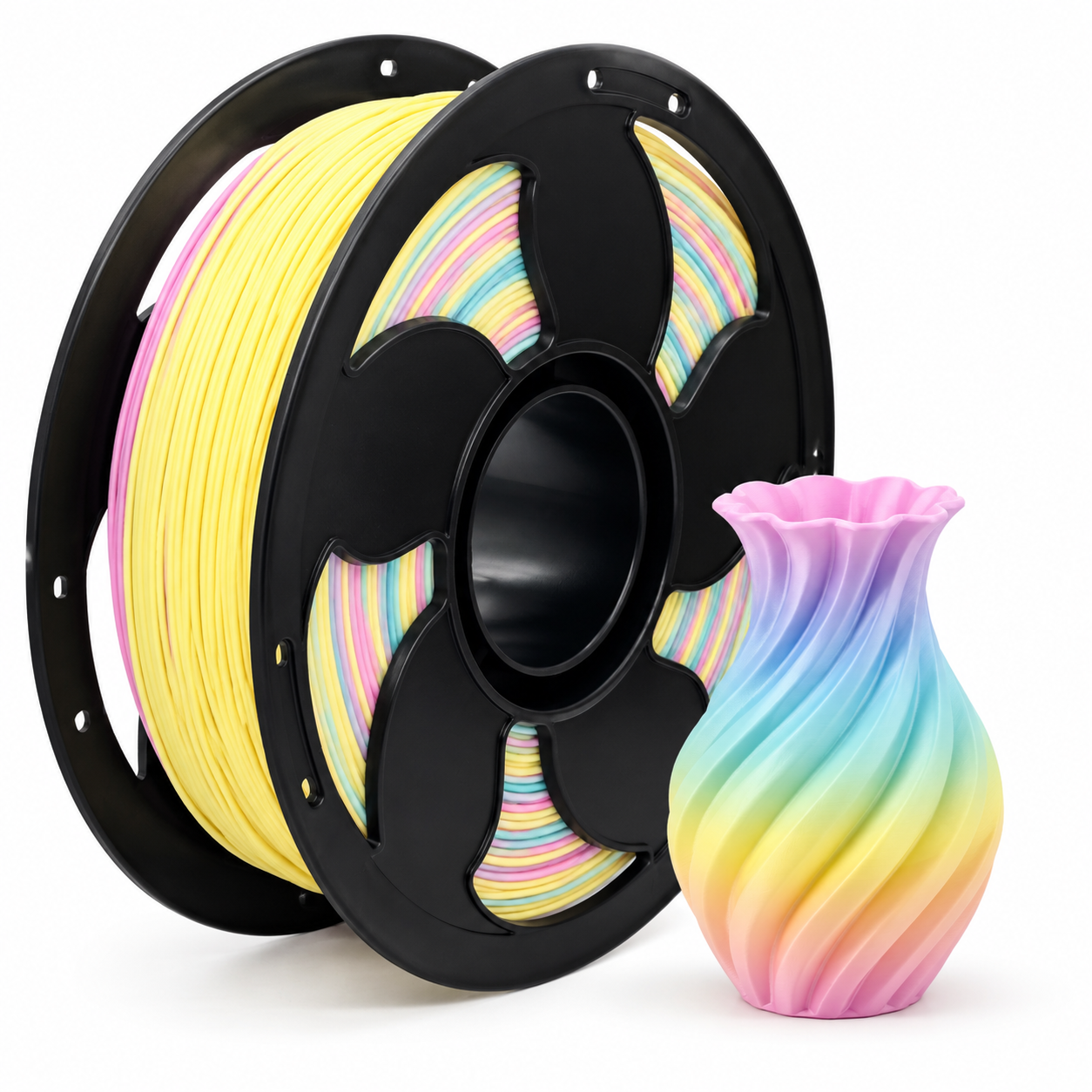
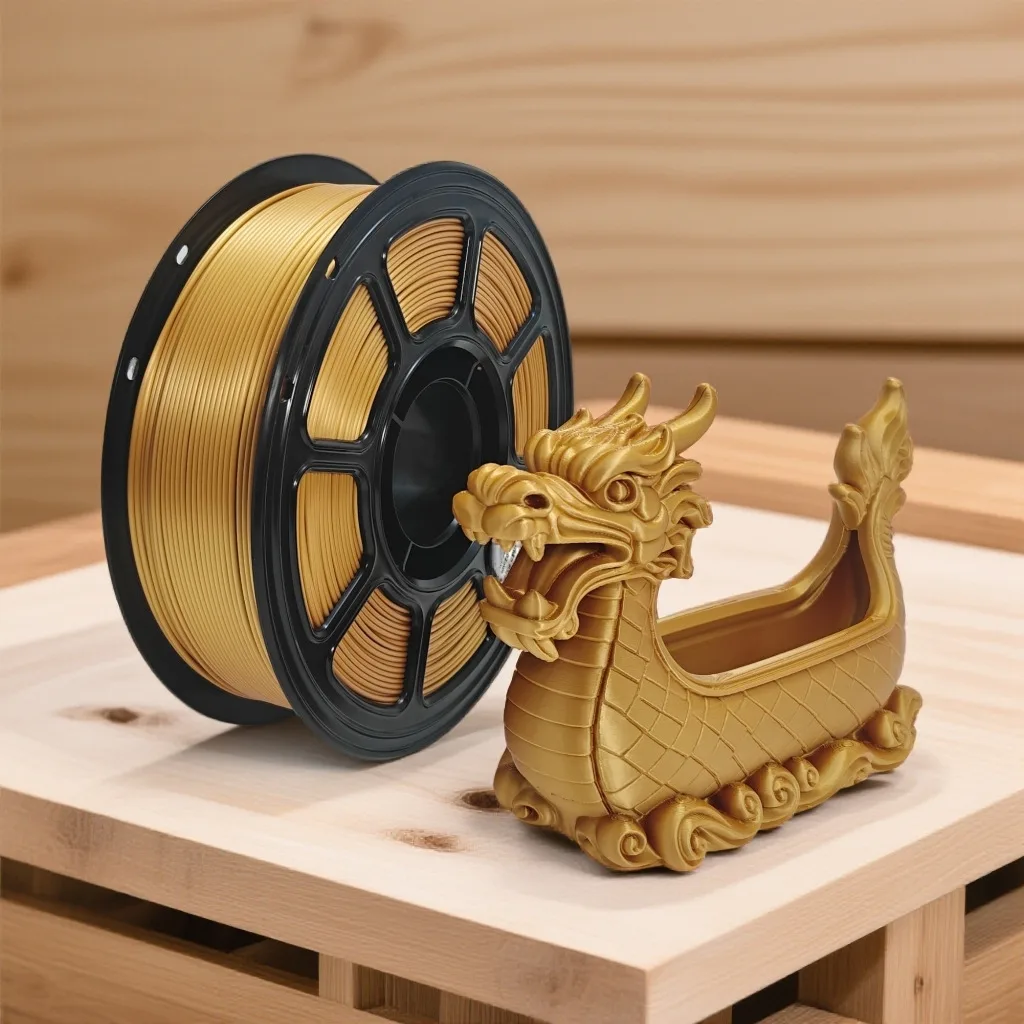
What we changed The fix is a split BOM: silk PLA for client-facing surfaces, PETG for functional internals, both lot-locked.
Split the BOM by surface visibility
Lock color per lot with documented deviation
Laser-verify diameter so feeding stays consistent
Consistent surface finish and feeding reliability across the whole run
07 — The path
Day 1
Tell us your machine models, monthly volume and the failure modes you are seeing.
Start a project →Day 2 to 3
We shortlist the filament grades and starting print profiles for your machines.
Browse materials →Week 1
Test sample spools on your own machines before committing to production volume.
Request a free sample →Week 2 and beyond
Production runs with a CoA per lot and ocean-ready packaging.
See the workflow →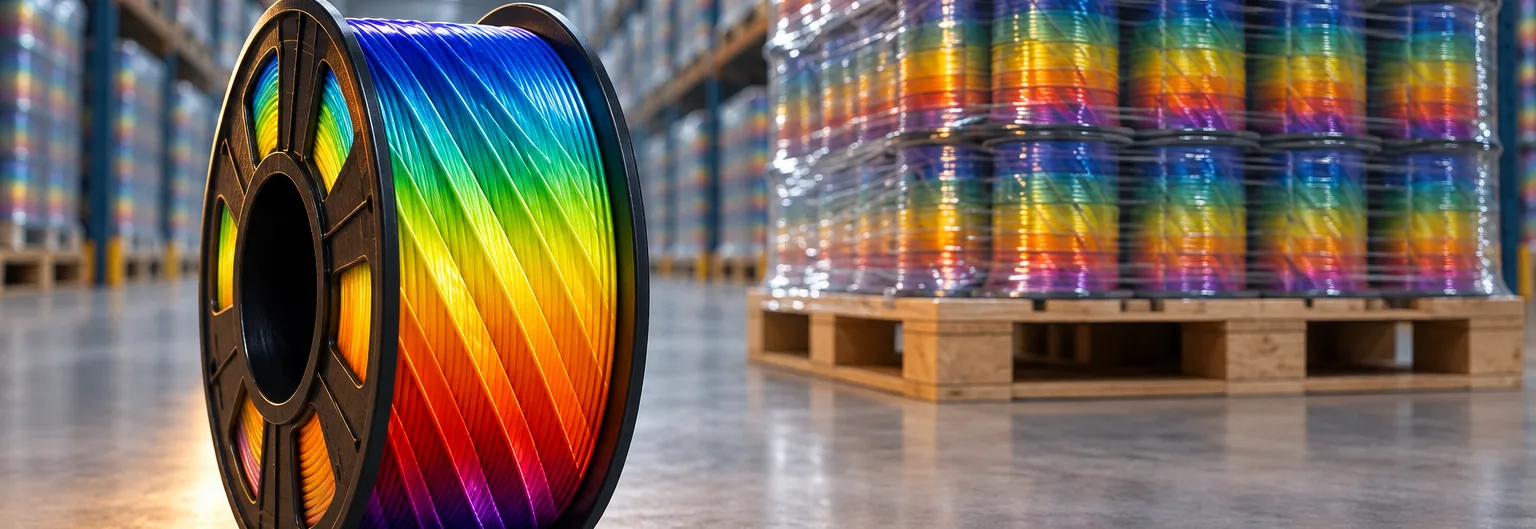

08 — Your first move
Validate free samples on your own machines before you commit to production volume.
Reply within 24h · Sample-first ordering · We'll send you the Alibaba product link for final negotiation.
Check your email for our response. For pricing and formal orders, you can also visit our Alibaba store:
Visit Alibaba Store →Our form service is being upgraded — please reach us directly: [email protected]
Running 50+ printers is a precision management challenge. When filament variability enters the equation — inconsistent diameter, moisture contamination, batch-to-batch color shift — the compounding effect across dozens of machines is catastrophic for margins. A 2% failure rate on 50 printers with 200g waste per failure = significant daily losses.