
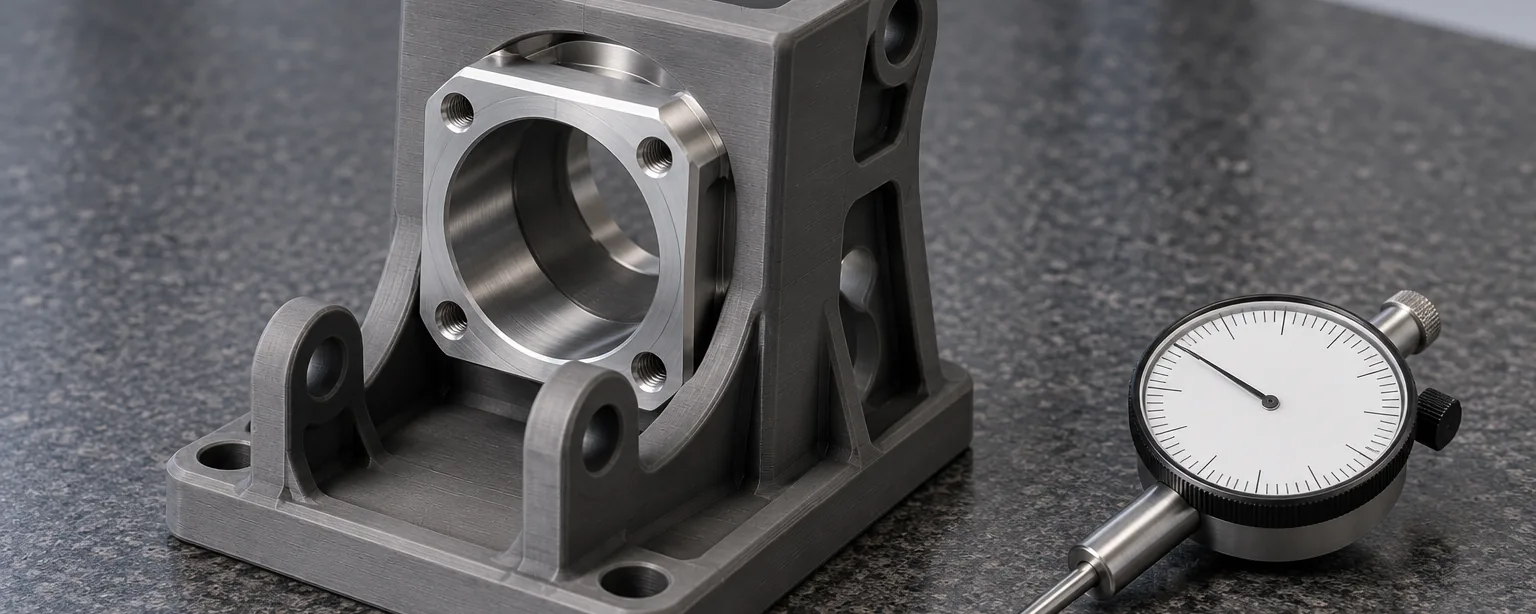
01
Fixtures are metrology, not tooling
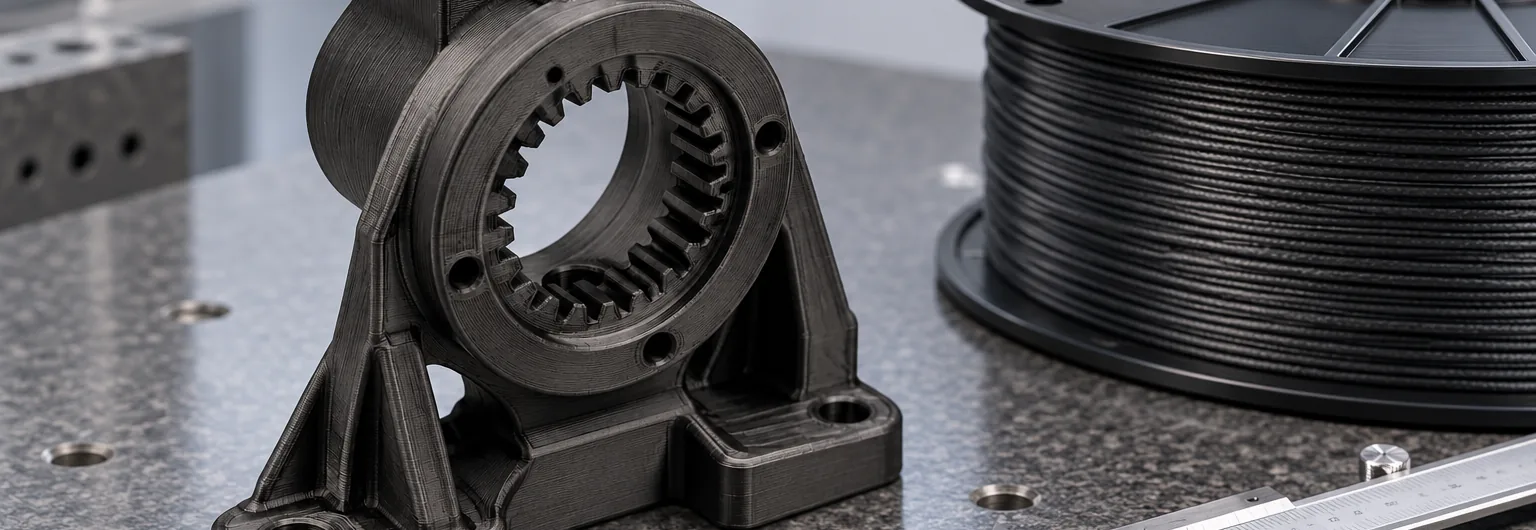
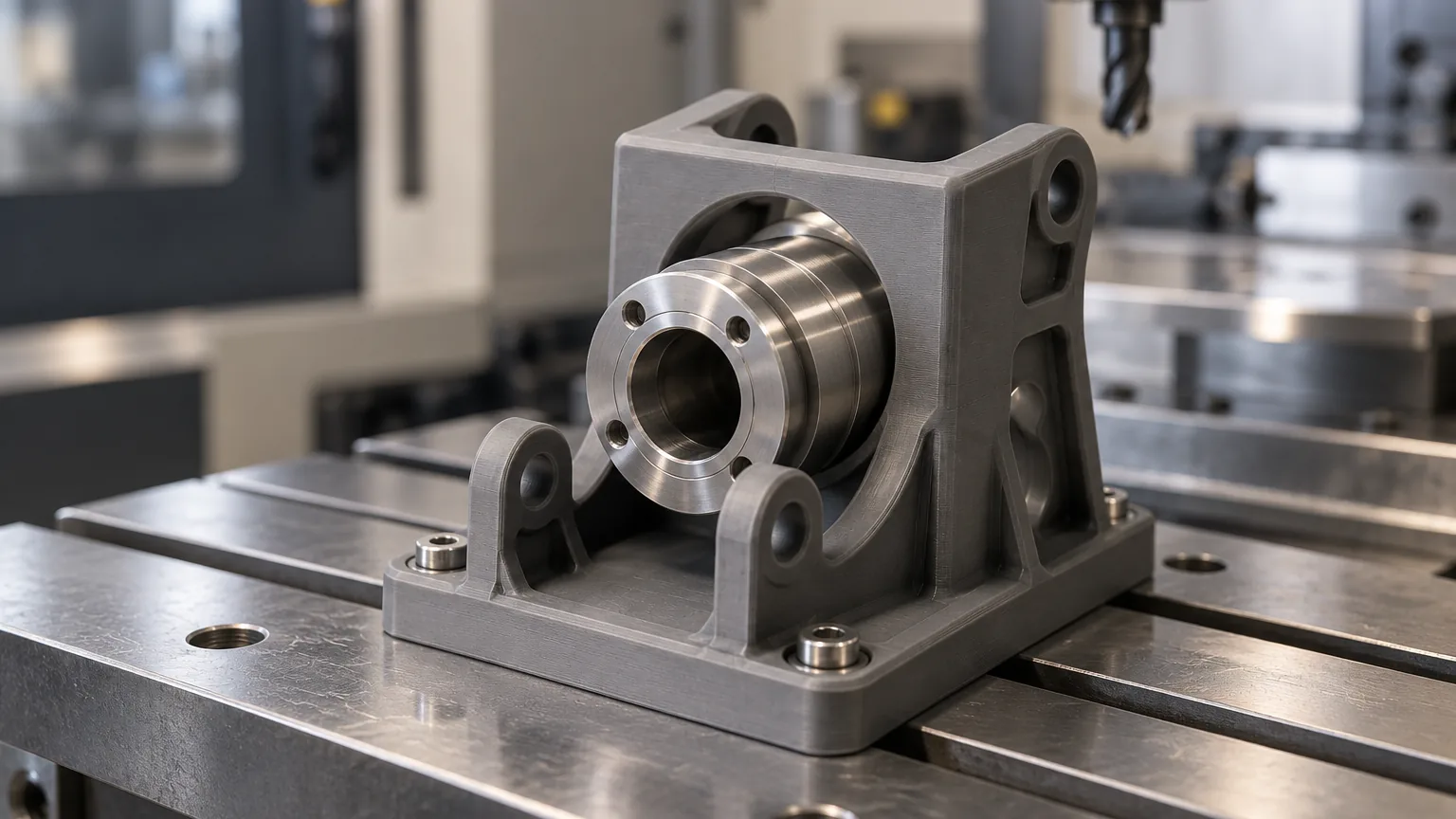
Anything used to hold or check a part becomes part of the measurement chain. Its stability matters more than its strength.
Type to search products, guides, downloads and case studies — results appear as you type.
Suggested
12 solution paths
7 walkthroughs
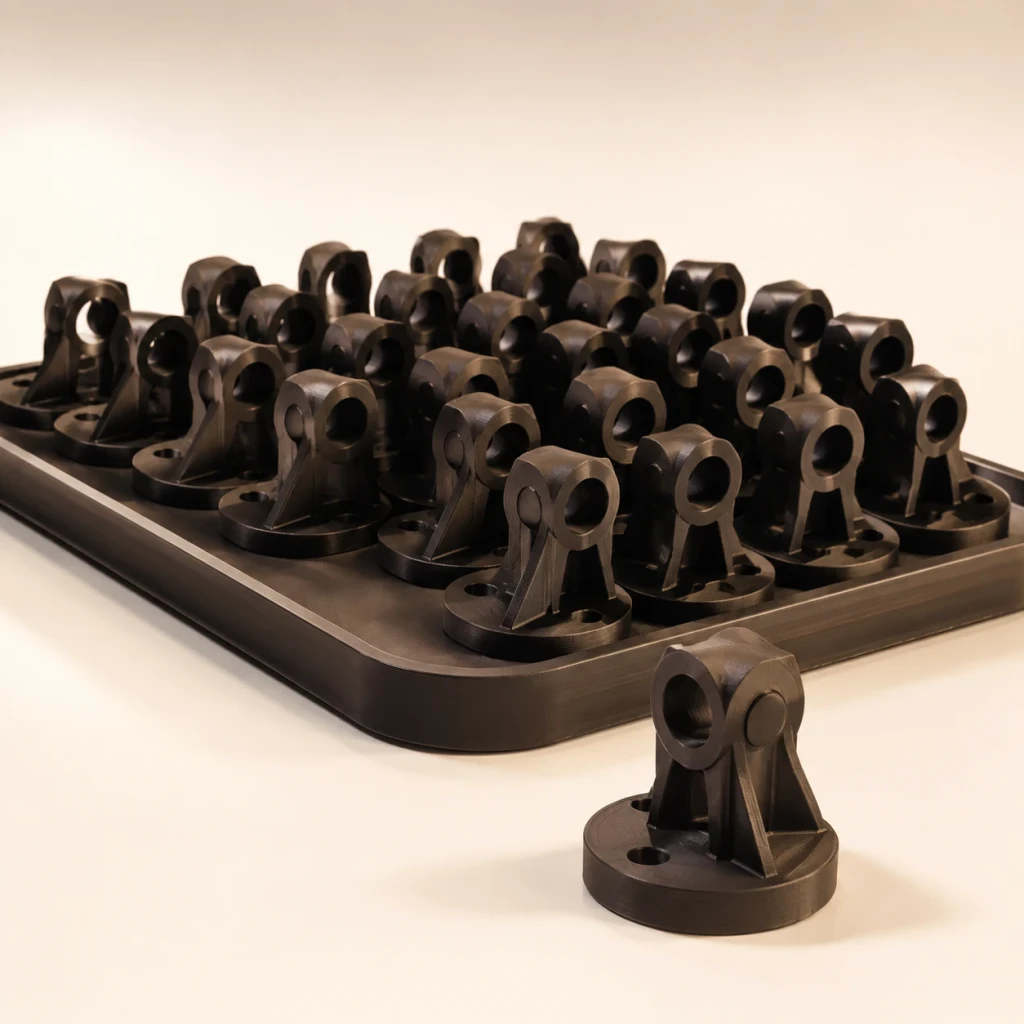 Print Farm Scaling — Material Strategy Walkthrough
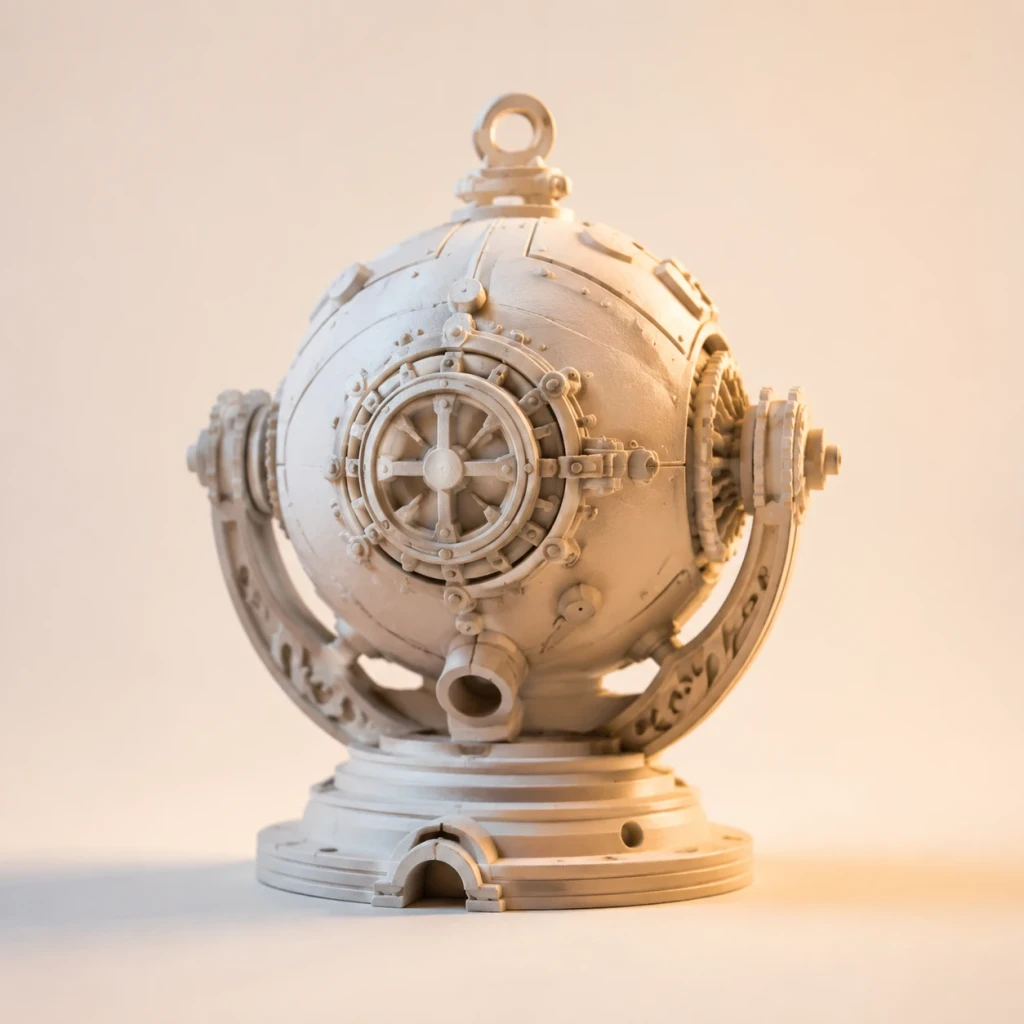 Outdoor UV Stability — Enclosure Material Walkthrough
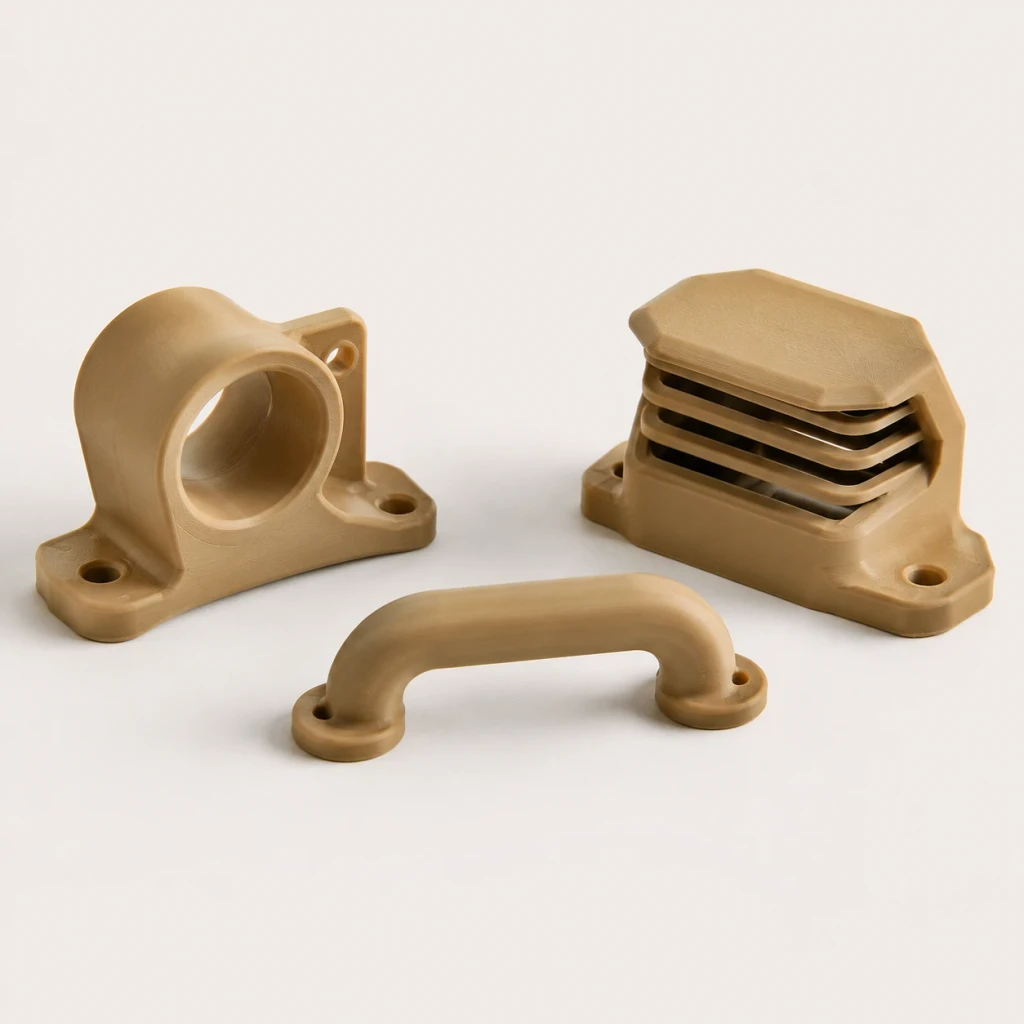 Figurine Batch Consistency — Surface-Finish Walkthrough Educational Lab Deployment — Safe Material Walkthrough Industrial Jig Precision — Tolerance Walkthrough A European Print Farm — 40-Unit Consistency Overhaul A University Environmental Lab — Outdoor Sensor Enclosure
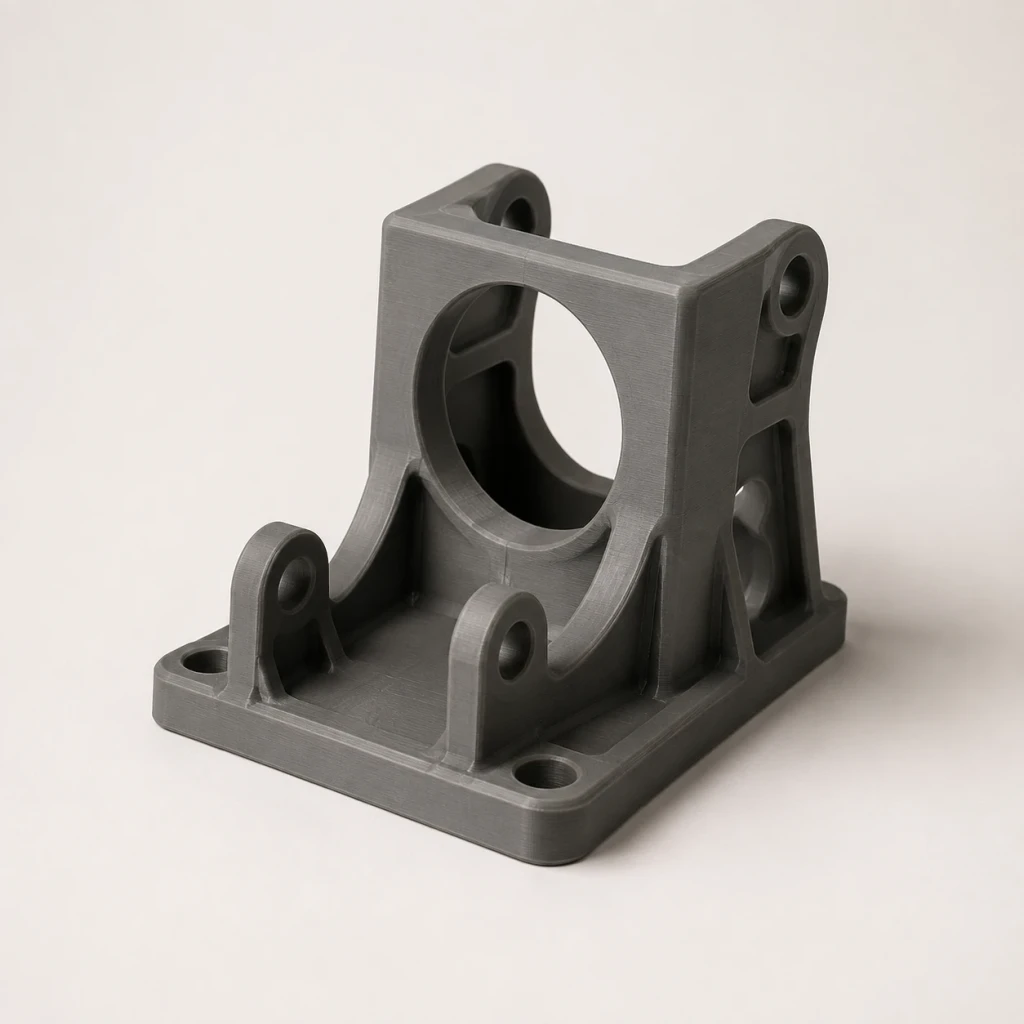
◆ Production scenario · Industrial
Stiff grades with laser-verified diameter and batch documentation, so a fixture behaves the same in month three as on day one.
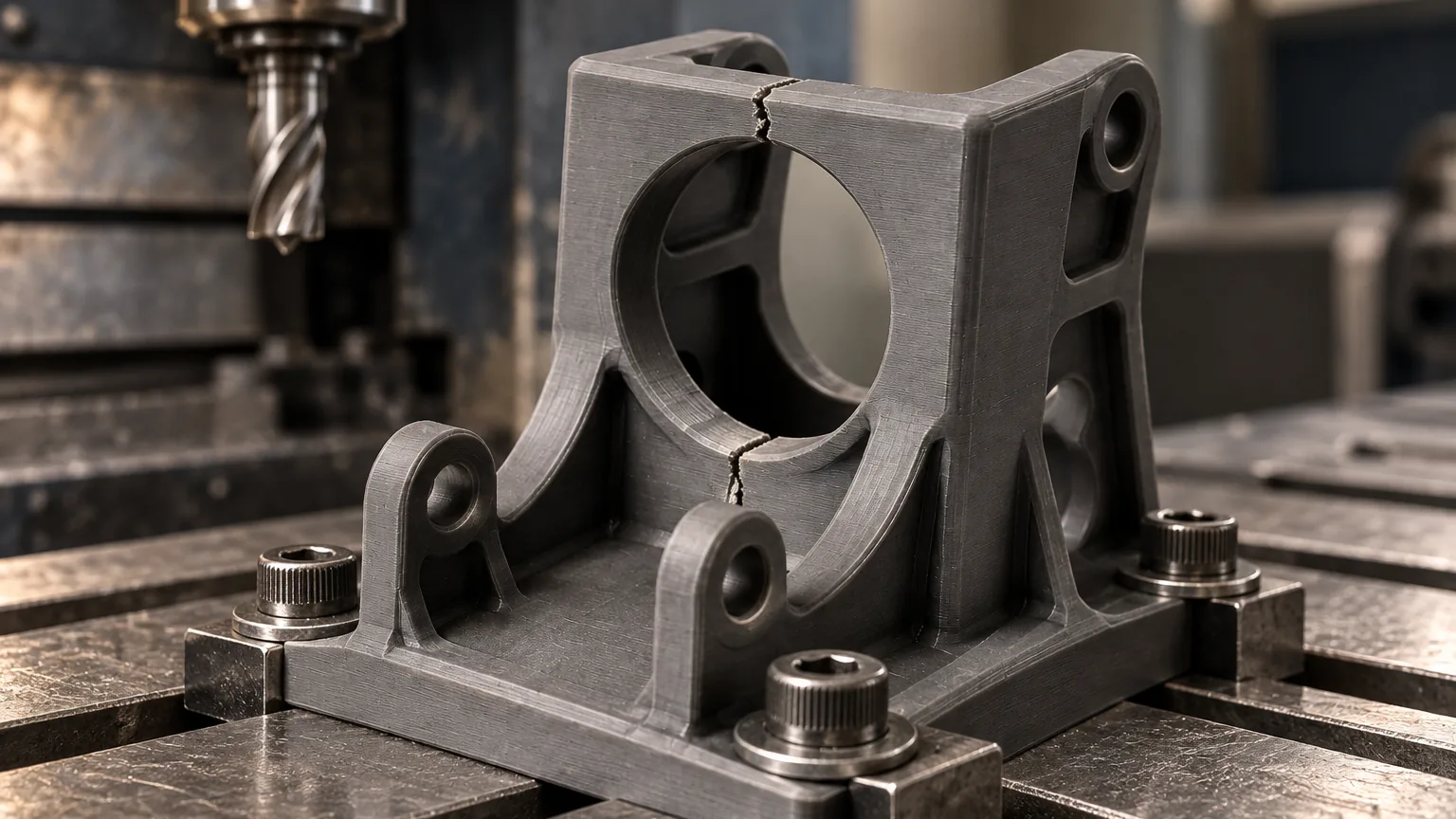
02 — What it actually costs
Dimensional drift between batches silently invalidates every part produced against the fixture
A cracked jig stops a line that was planned around it
Without lot data, a quality issue cannot be traced back to a material batch
03 — Why it happens
Anything used to hold or check a part becomes part of the measurement chain. Its stability matters more than its strength.
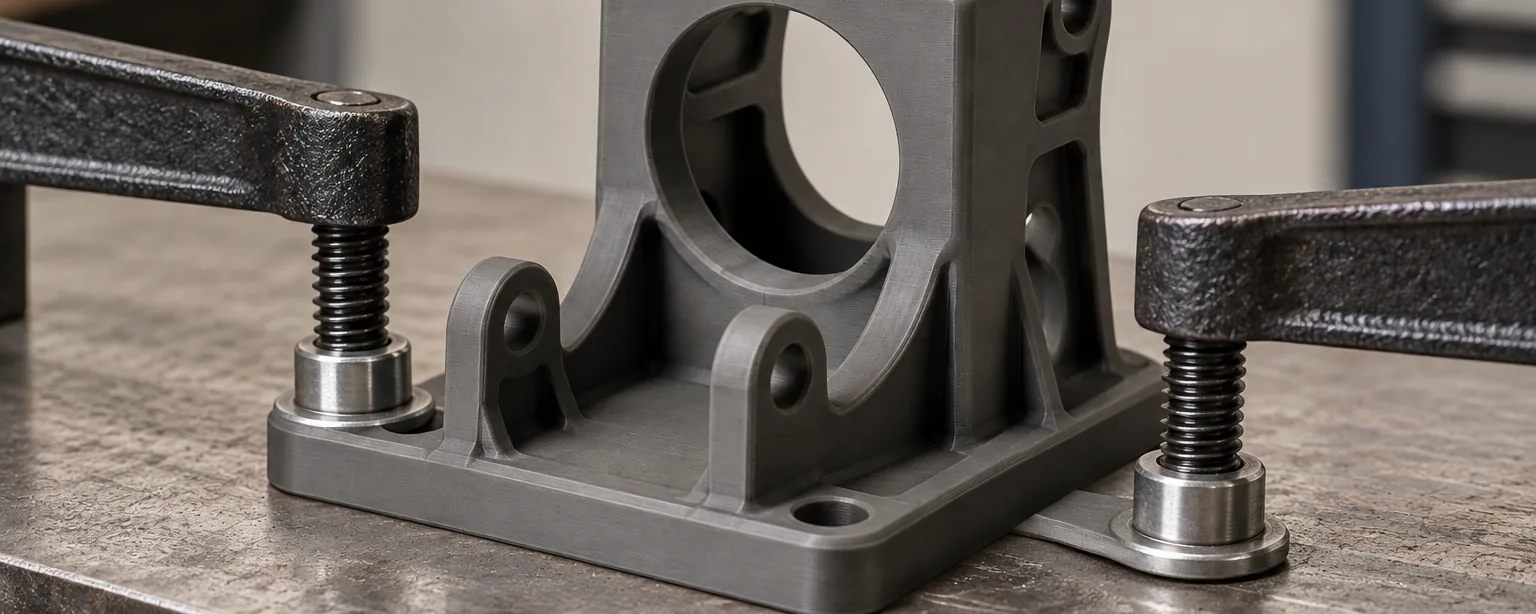
A jig that deflects under clamp load fails regardless of how strong the material is in a tensile test.
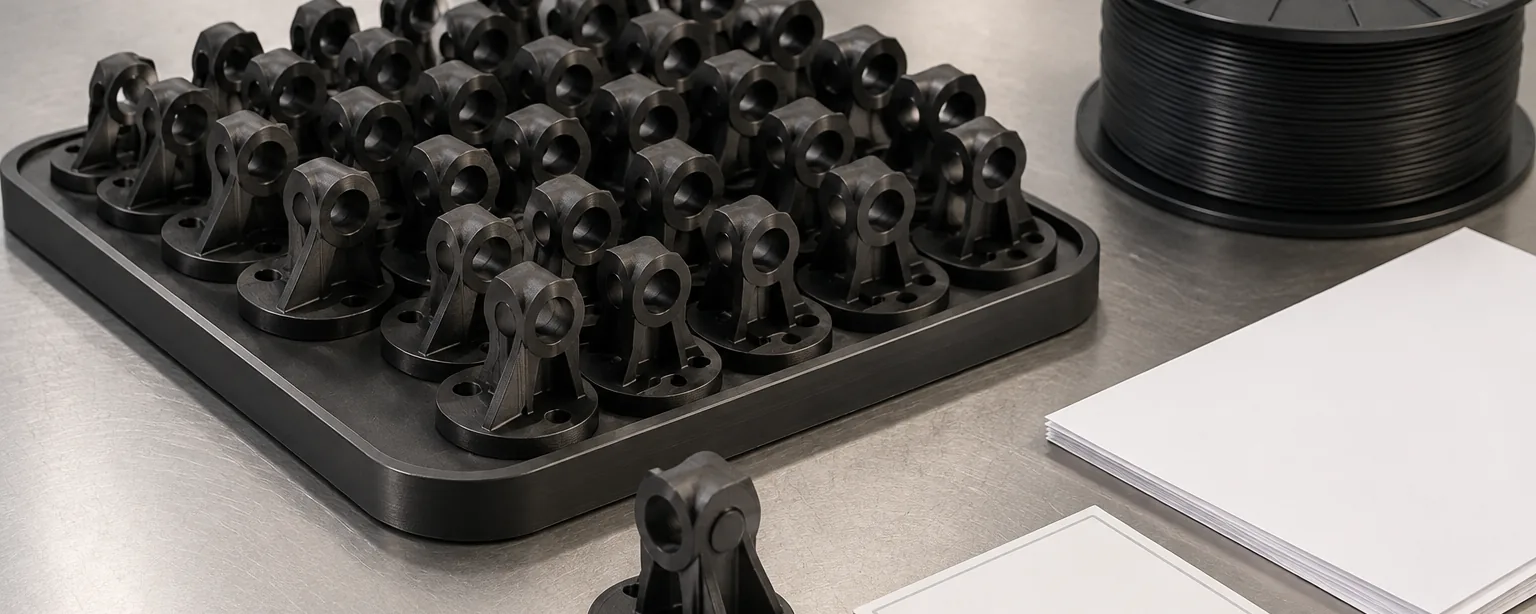
When a fixture problem appears, a batch number turns a line-wide investigation into a single lot check.
04 — What we hold for you
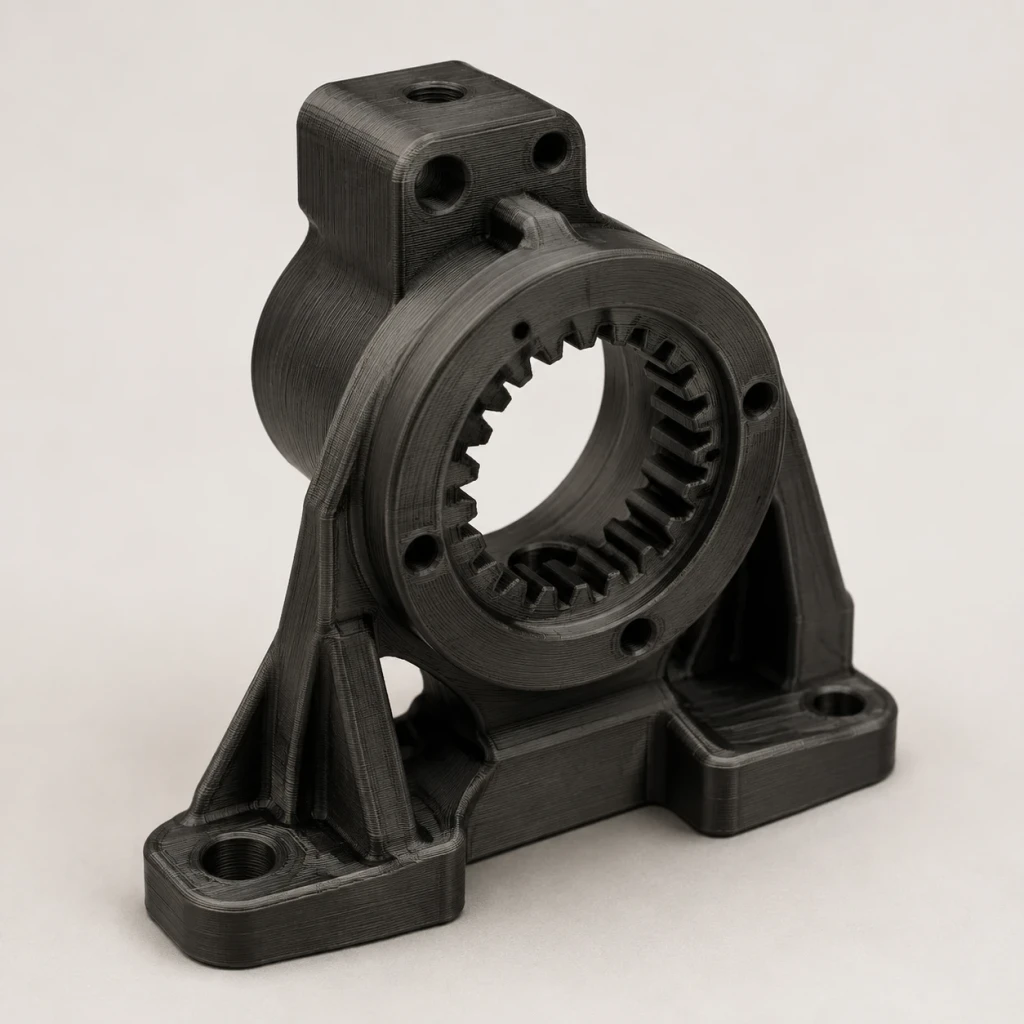
Carbon-fibre reinforced PETG and ASA for parts that must resist deflection.
We provide A grade recommendation based on your clamp loads and environment
View material ↗Every spool measured in-line to ±0.03mm during extrusion.
We provide Consistent extrusion so fixture dimensions repeat between lots
View material ↗Measured diameter, moisture and batch number on every lot.
We provide A traceable record for every fixture you print
05 — The materials
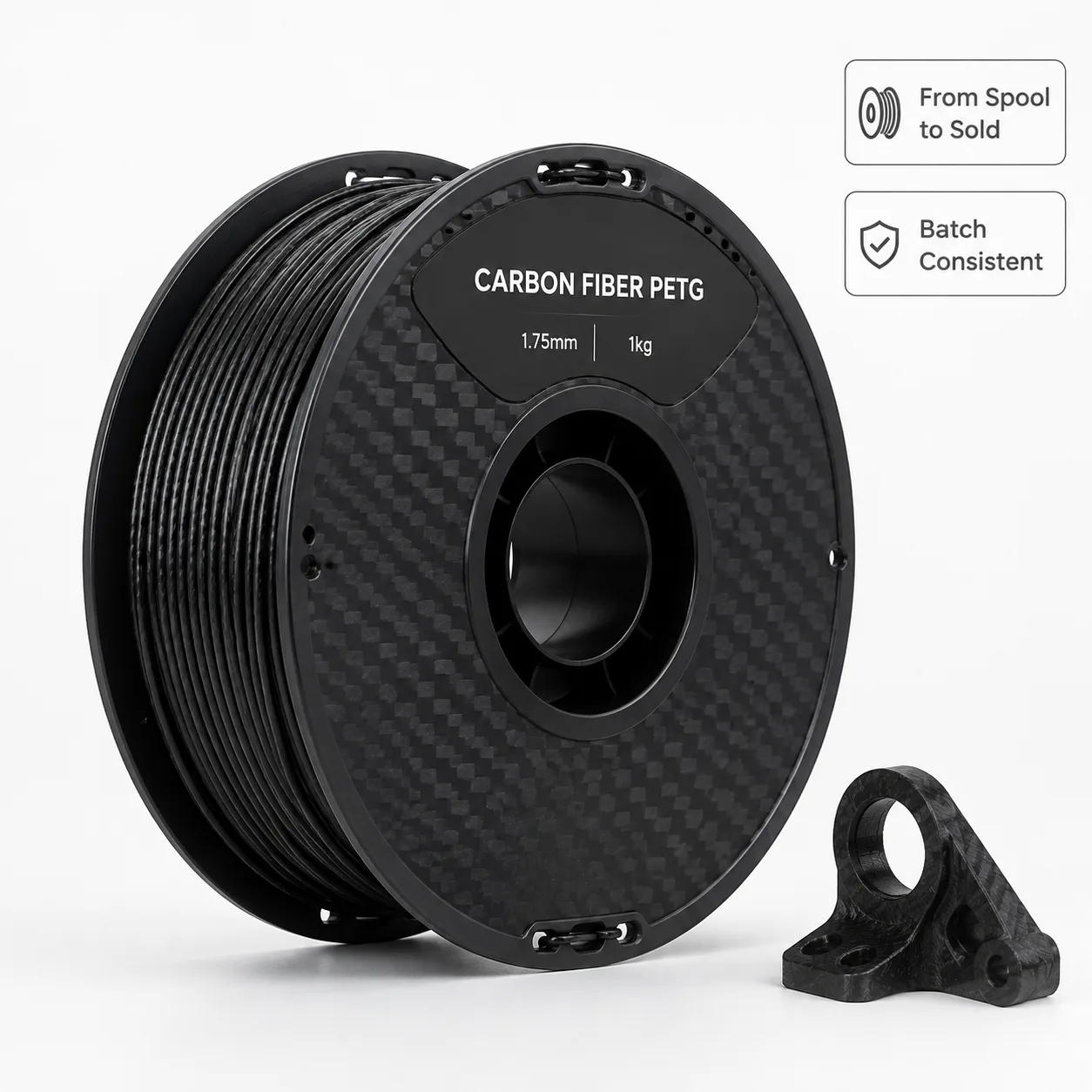
Core filament
Higher stiffness for jigs and fixtures that must resist deflection
View material ↗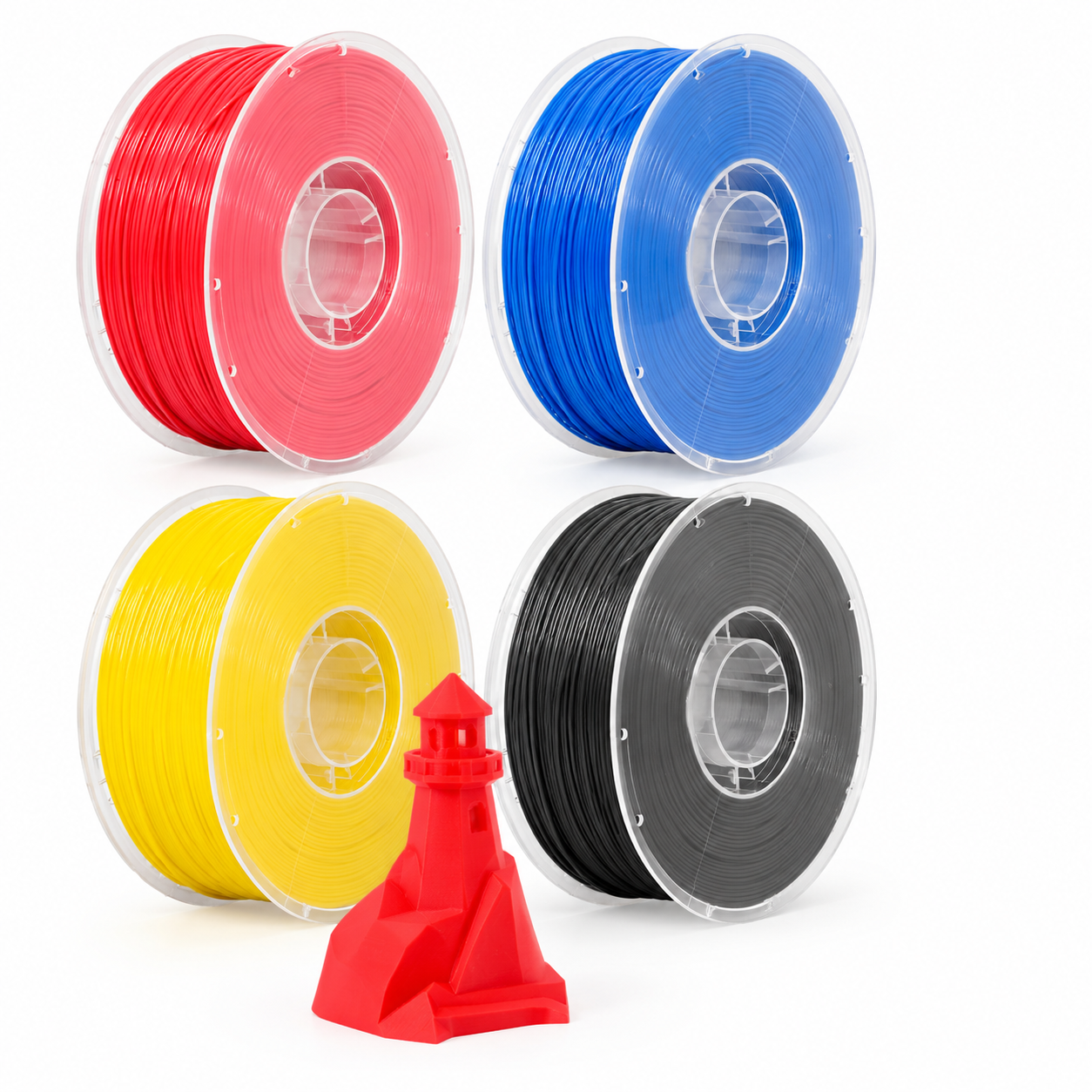
Core filament
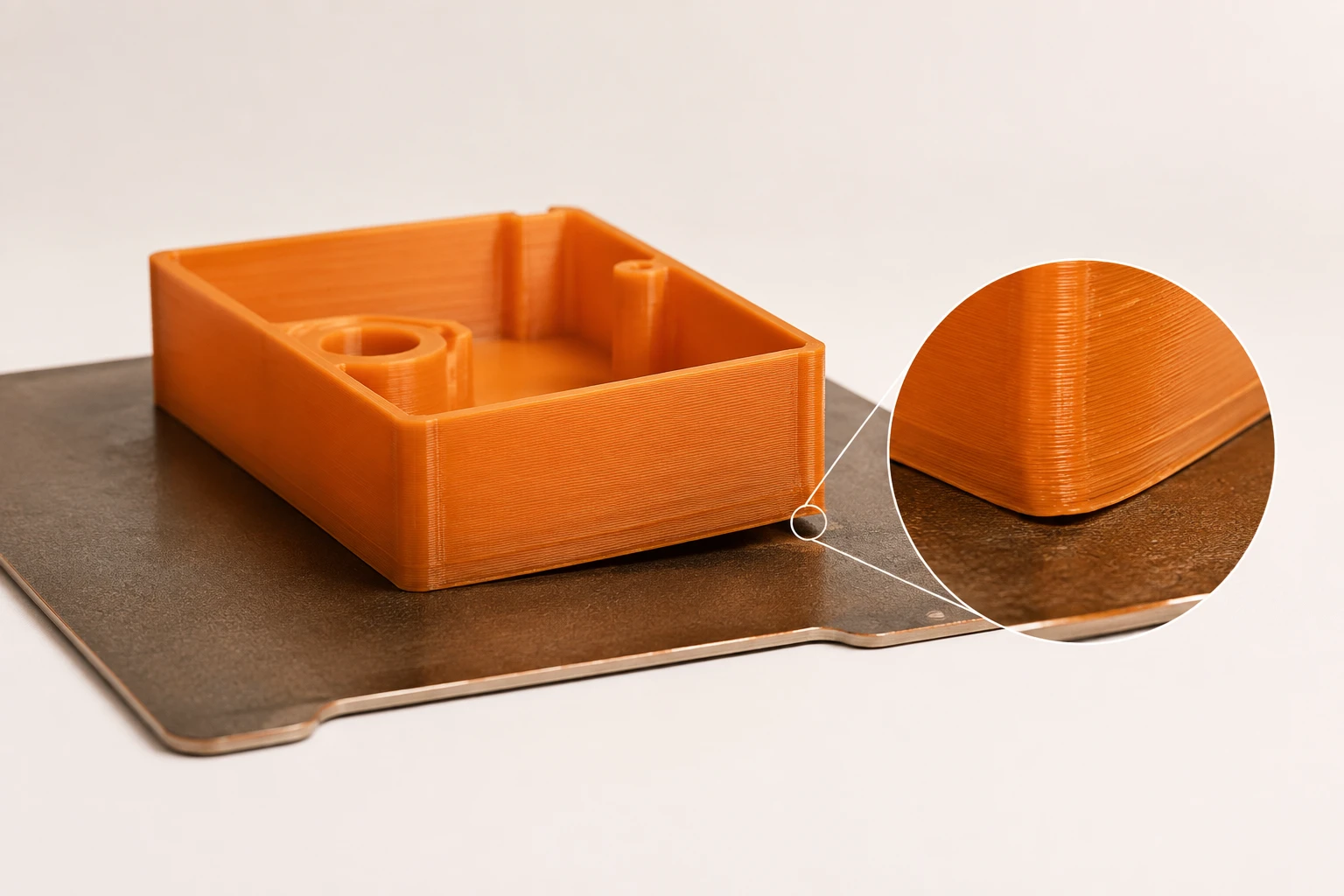
Tough general-purpose grade for non-critical guides and holders
View material ↗07 — The path
Day 1
Tell us the clamp loads, temperature and lifetime the fixture must survive.
Start a project →Day 2 to 3
We propose the grade and print parameters for your geometry.
Browse materials →Week 1
Run our structured sample protocol on your own machines.
See the protocol →Week 2 and beyond
Supplied from documented lots with ocean-ready packaging.
See the workflow →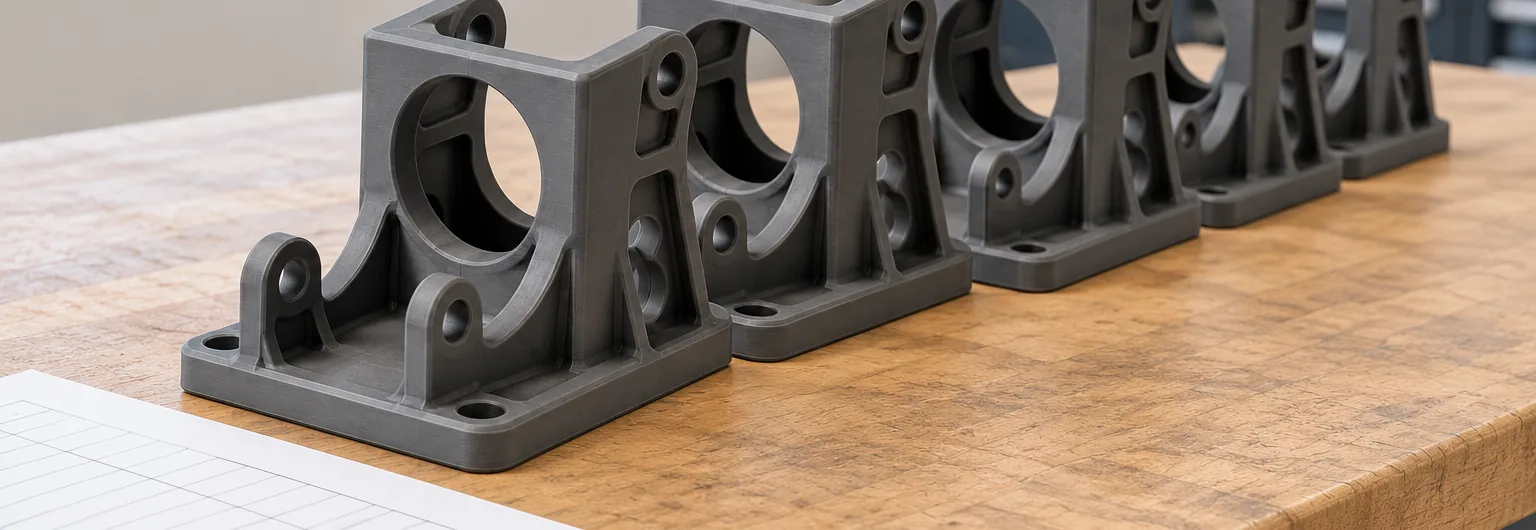
08 — Your first move
Print a sample and test it under real clamp loads before you commit the line.
Reply within 24h · Sample-first ordering · We'll send you the Alibaba product link for final negotiation.
Check your email for our response. For pricing and formal orders, you can also visit our Alibaba store:
Visit Alibaba Store →Our form service is being upgraded — please reach us directly: [email protected]
Manufacturing jigs and fixtures are put-and-forget investments. Once you’ve integrated a printed jig into a production workflow, it needs to survive daily use, temperature variation, and occasional chemical exposure — for months, not weeks. Standard PLA fails here within days. The cost of jig failure isn’t the reprint — it’s the 4-hour line stoppage that follows.