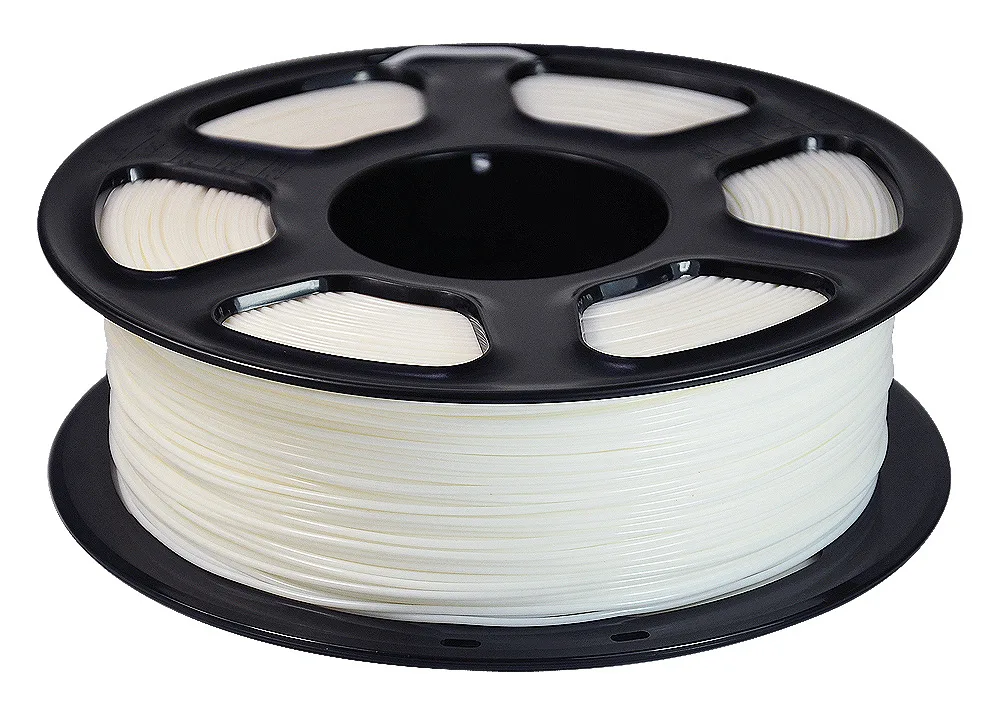
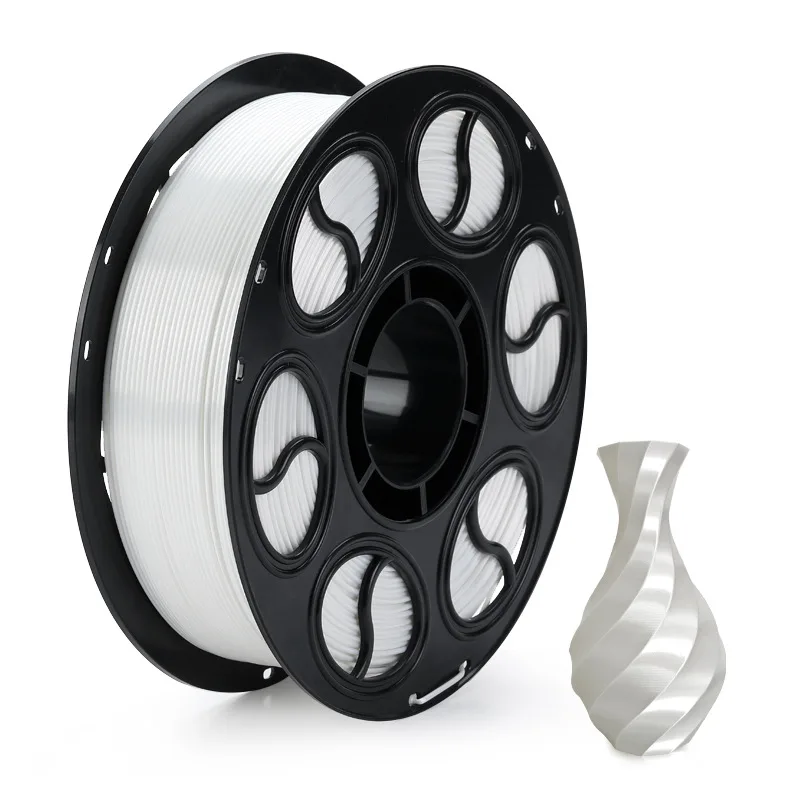



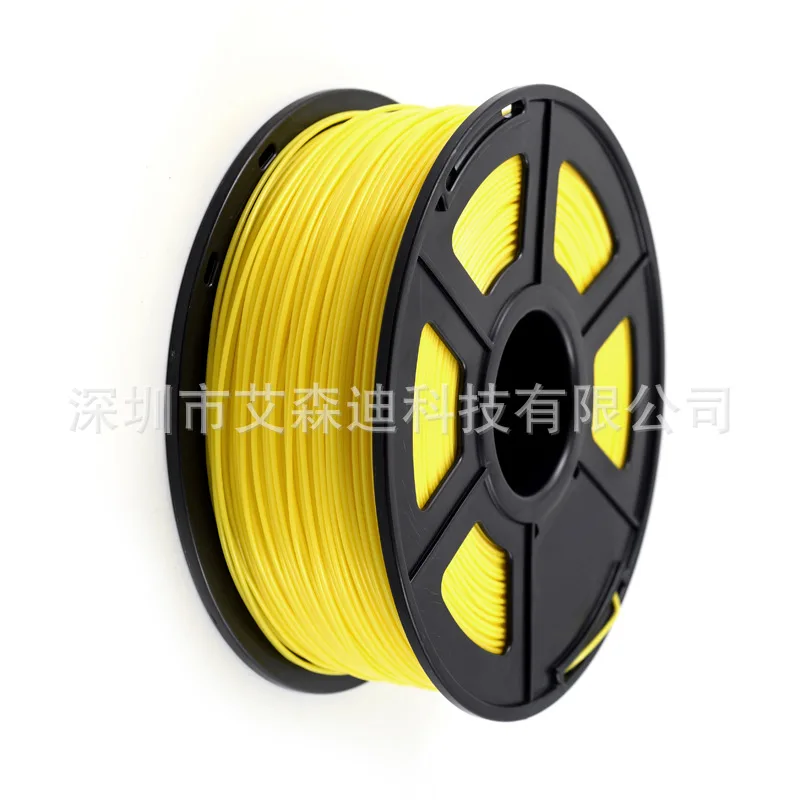
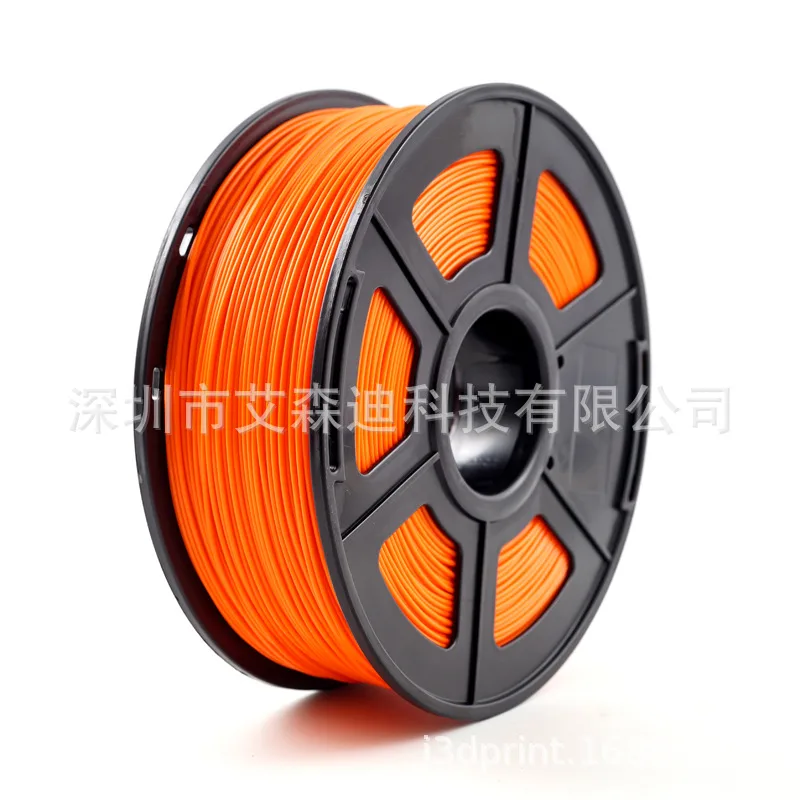
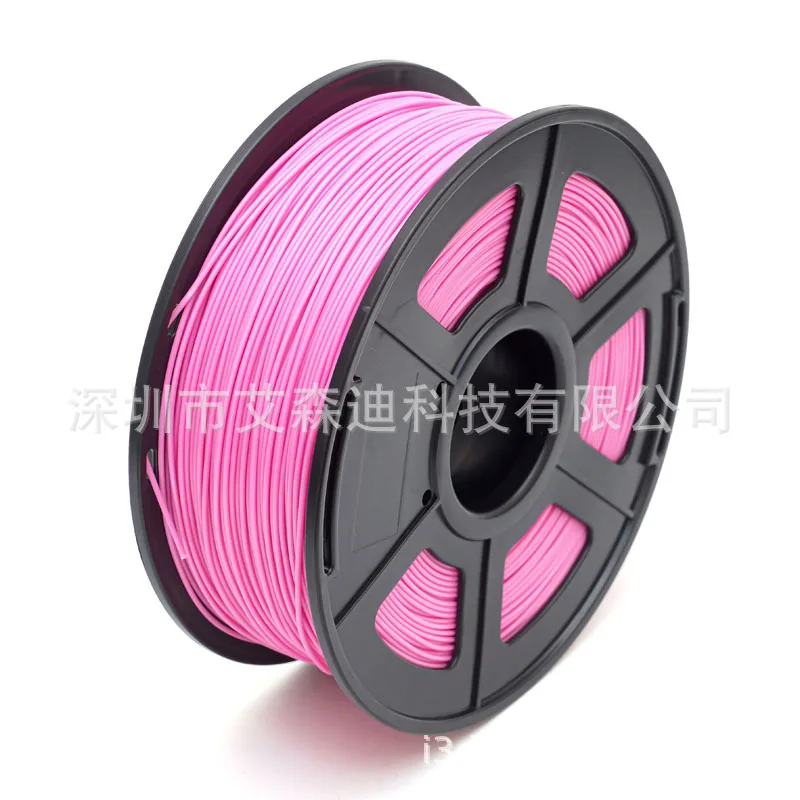
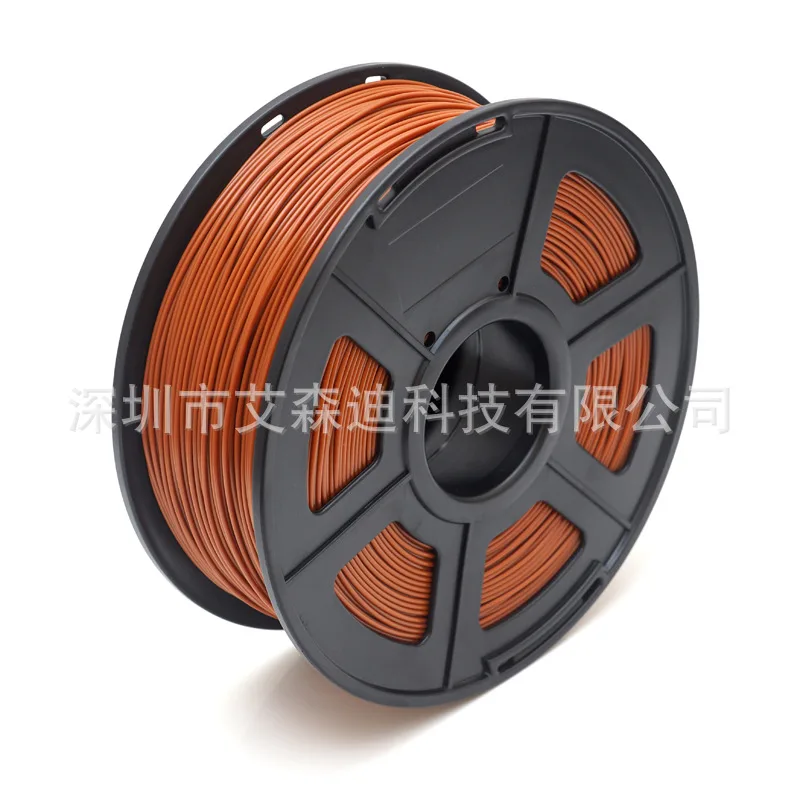
ABS 1.75mm 1kg

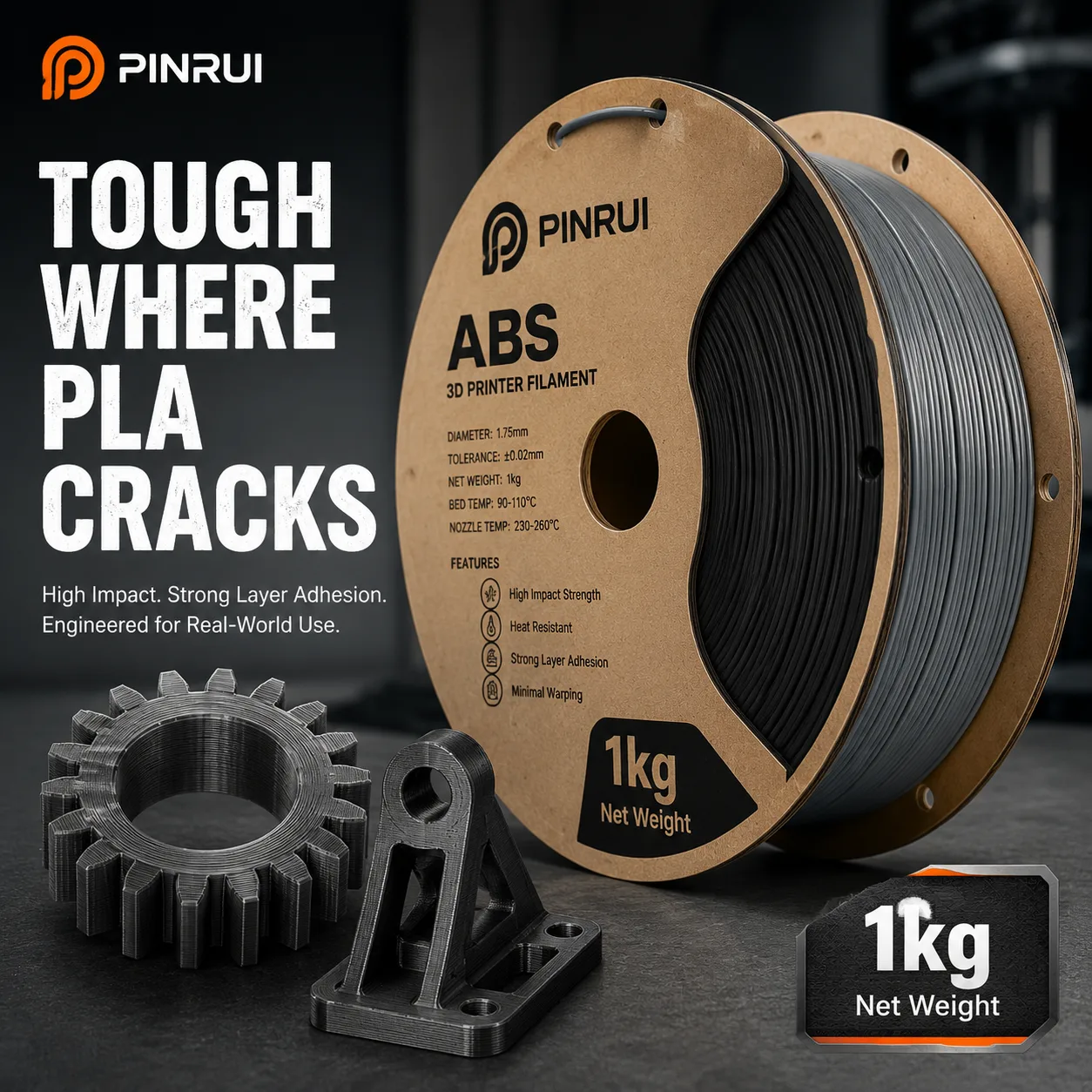
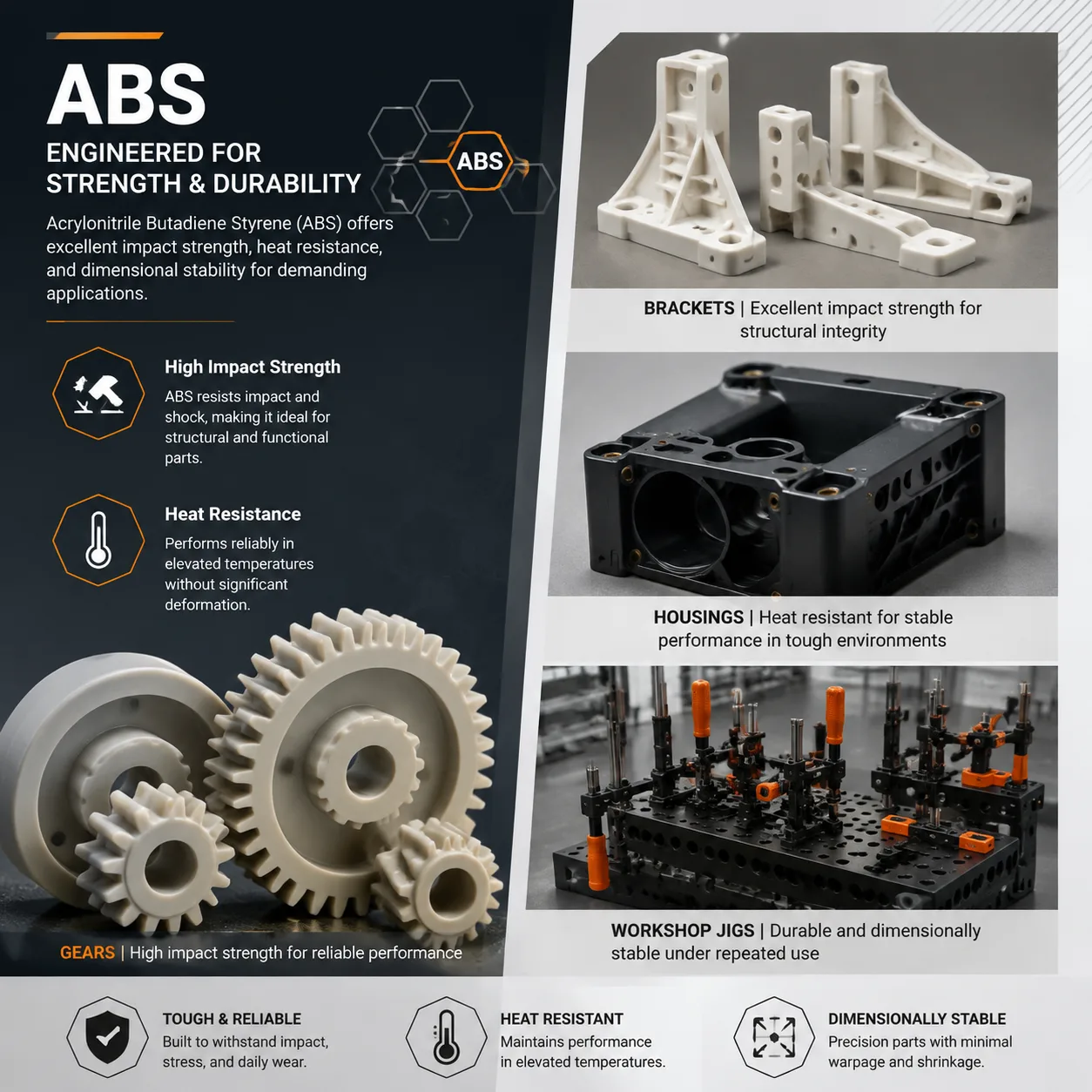
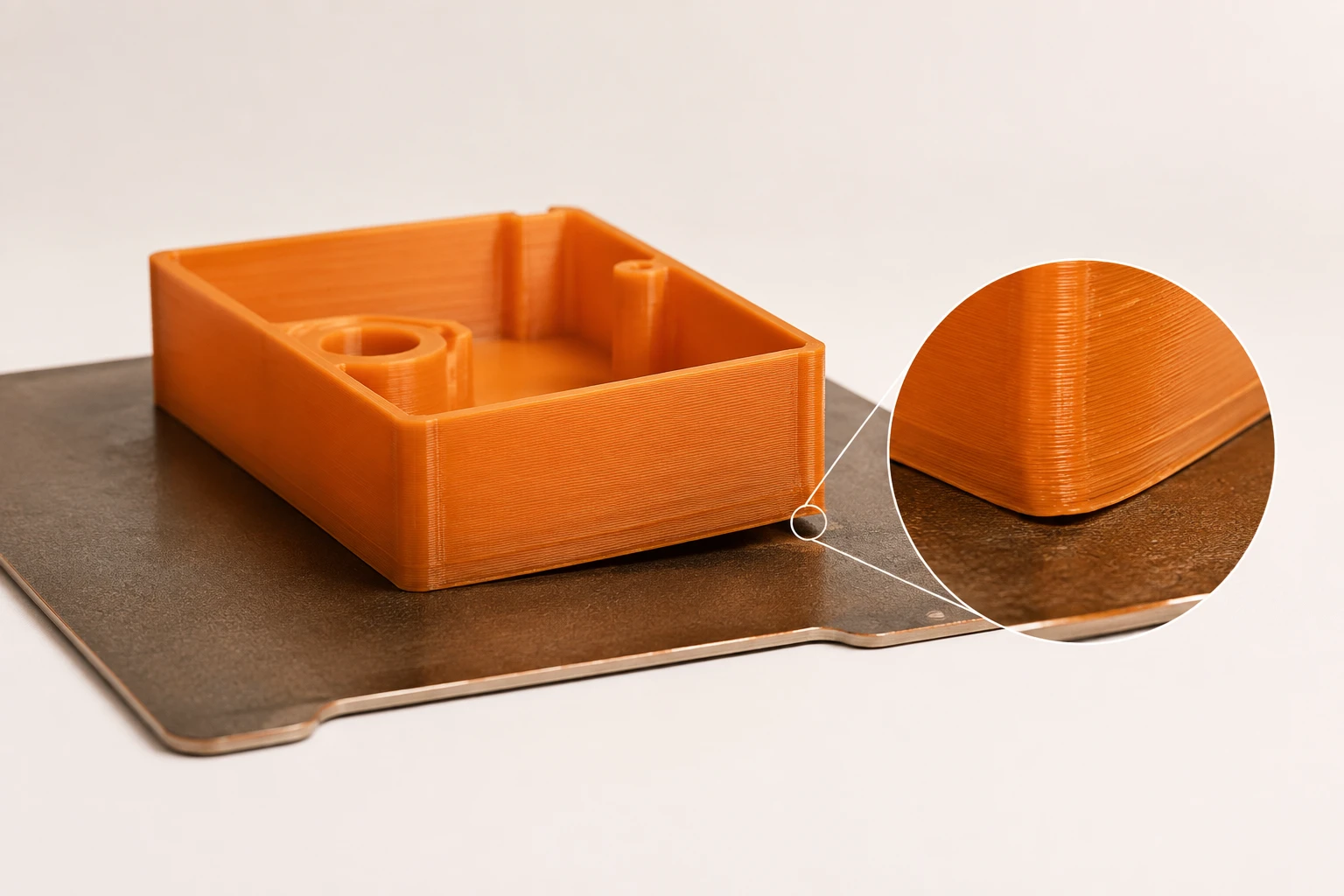
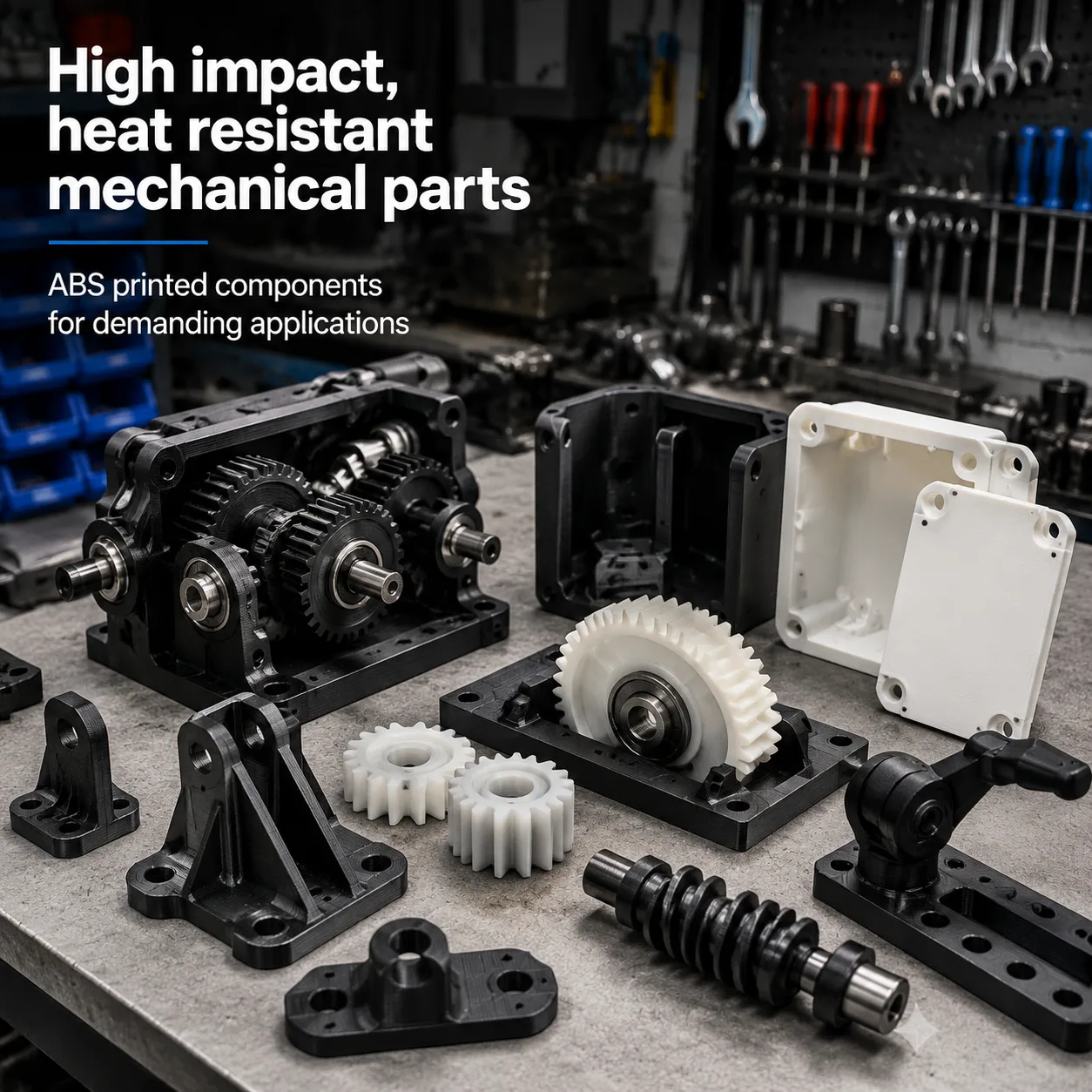
Brand: Yiqiu3D · A structural part is judged on the day it is dropped, not on the bench: ordinary ABS brackets crack at the screw boss and hinges split along a layer line, and the failure is impact, not stiffness. This grade is specified for high-impact structural use - enclosures, brackets, jigs and automotive trim - and for heat resistance in the same part up to roughly 90-100 °C while the print runs enclosed.

  • White leads the range and ships first: an opaque white that keeps layer lines quiet on visible faces and photographs with no gloss hotspots for a listing main image. The grade is stocked across 9 colours - White
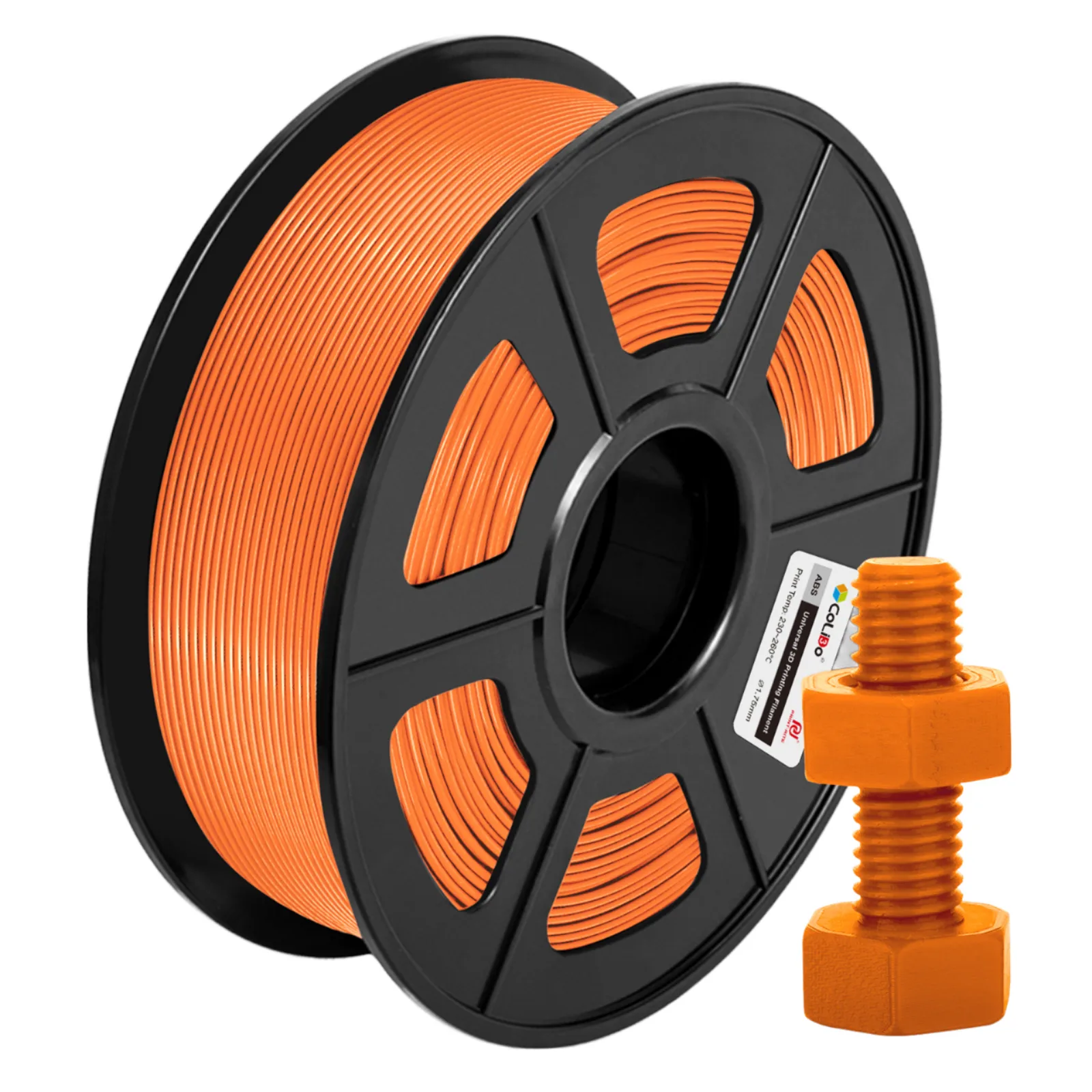
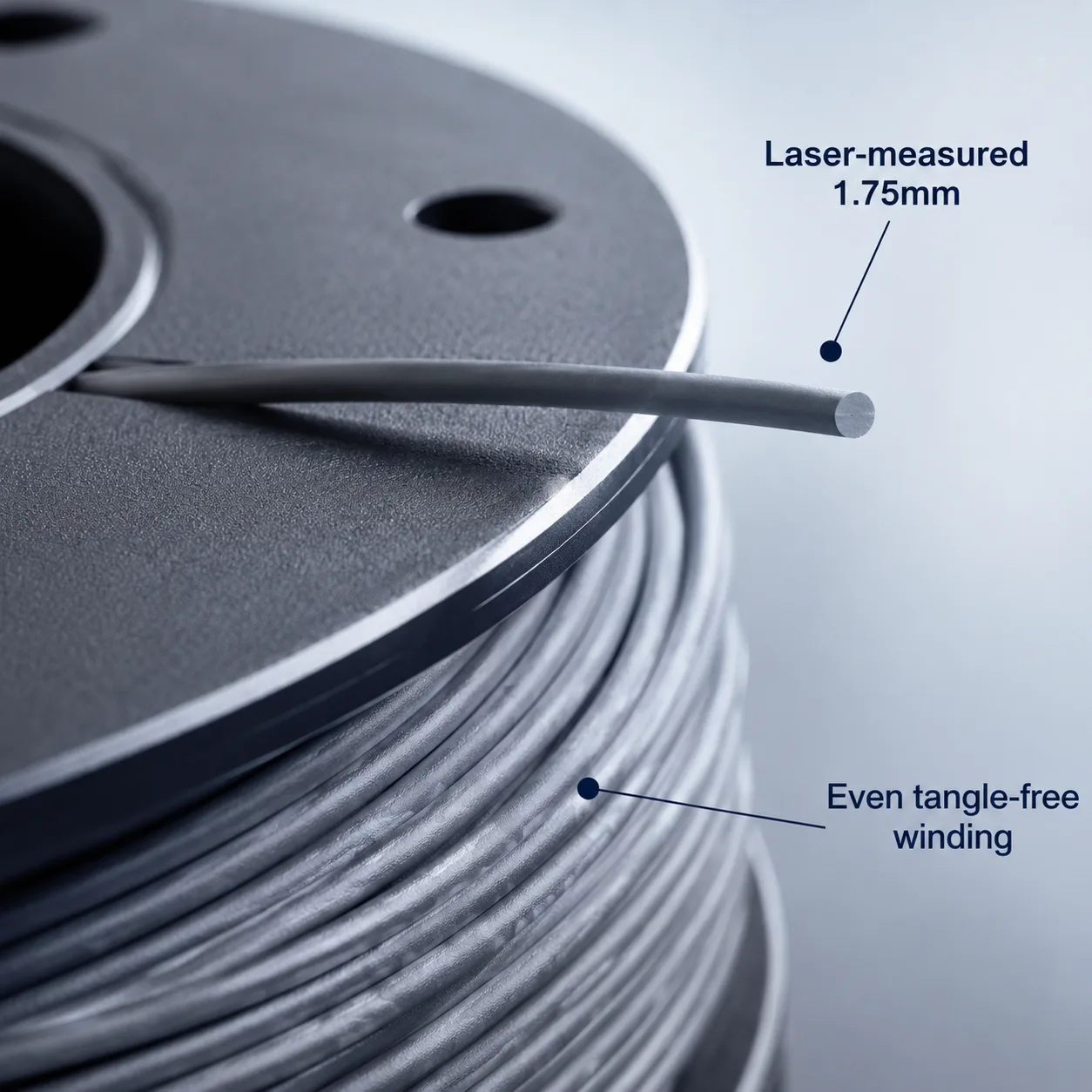
  • 1.75mm diameter on a standard round spool
  • Drop-in on the 1.75mm FDM machines a workshop already runs - Bambu Lab
Compare filaments
Diameter 1.75mm
Material ABS
Quick Answer

What does high impact mean for a printed part?

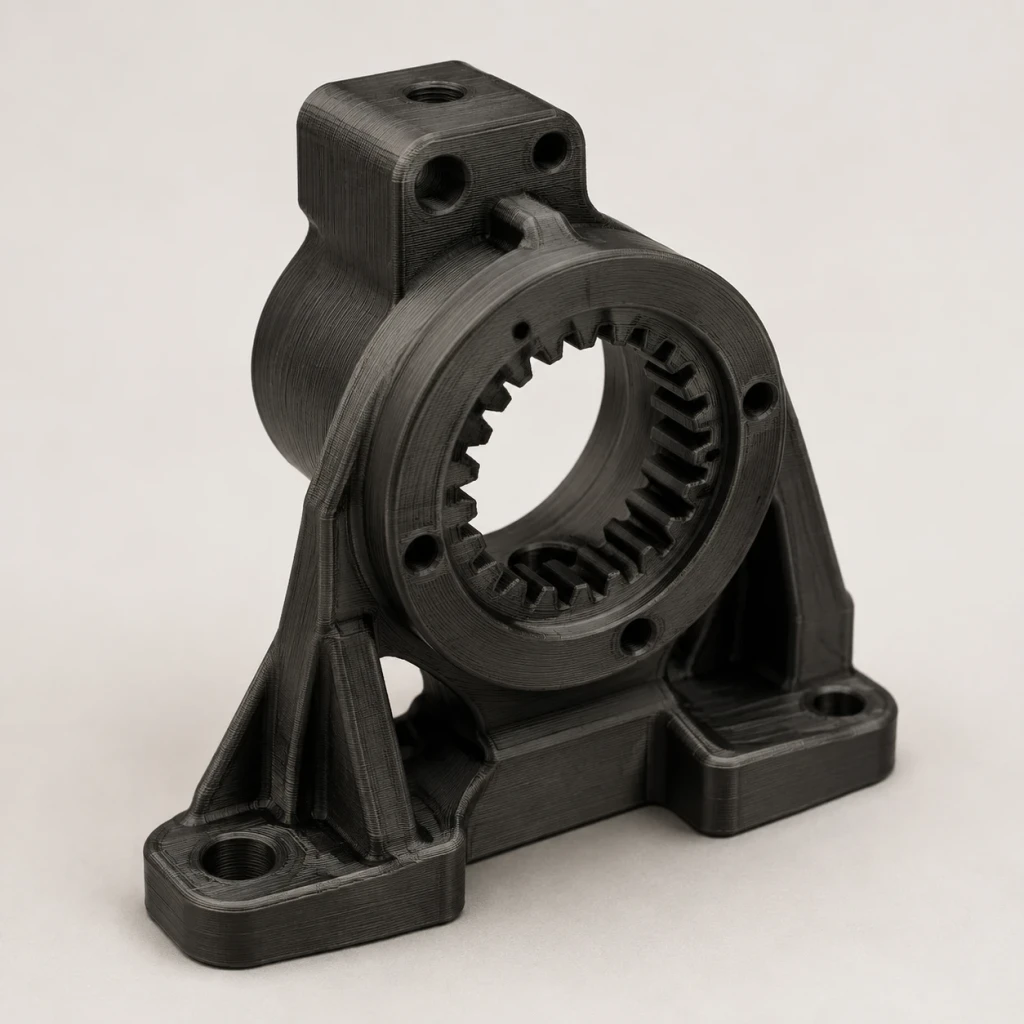
It is bought for parts that are handled, dropped or clamped rather than displayed: enclosures, brackets, jigs and automotive trim. A commodity ABS part tends to fail at the screw boss or along a layer line when it takes a hit; this grade is specified for that structural duty and for heat resistance up to roughly 90-100 °C in the same part. It is not sold as a flexible material - a part that must bend and recover is a TPU job.

Full answers below
Is it right for my project?

Best for: For heat-resistant functional parts up to roughly 90-100C - enclosures, automotive trim and tooling - available in 9 colours; 1kg spools; lead colour ABS 1.75 White 1kg. Not ideal for: Not for outdoor long-term UV exposure - ASA resists sunlight far better - available in 9 colours; 1kg spools; lead colour ABS 1.75 White 1kg.

Print settings

Nozzle 240-260°C

01 · Why this one

Product highlights

3 reasons

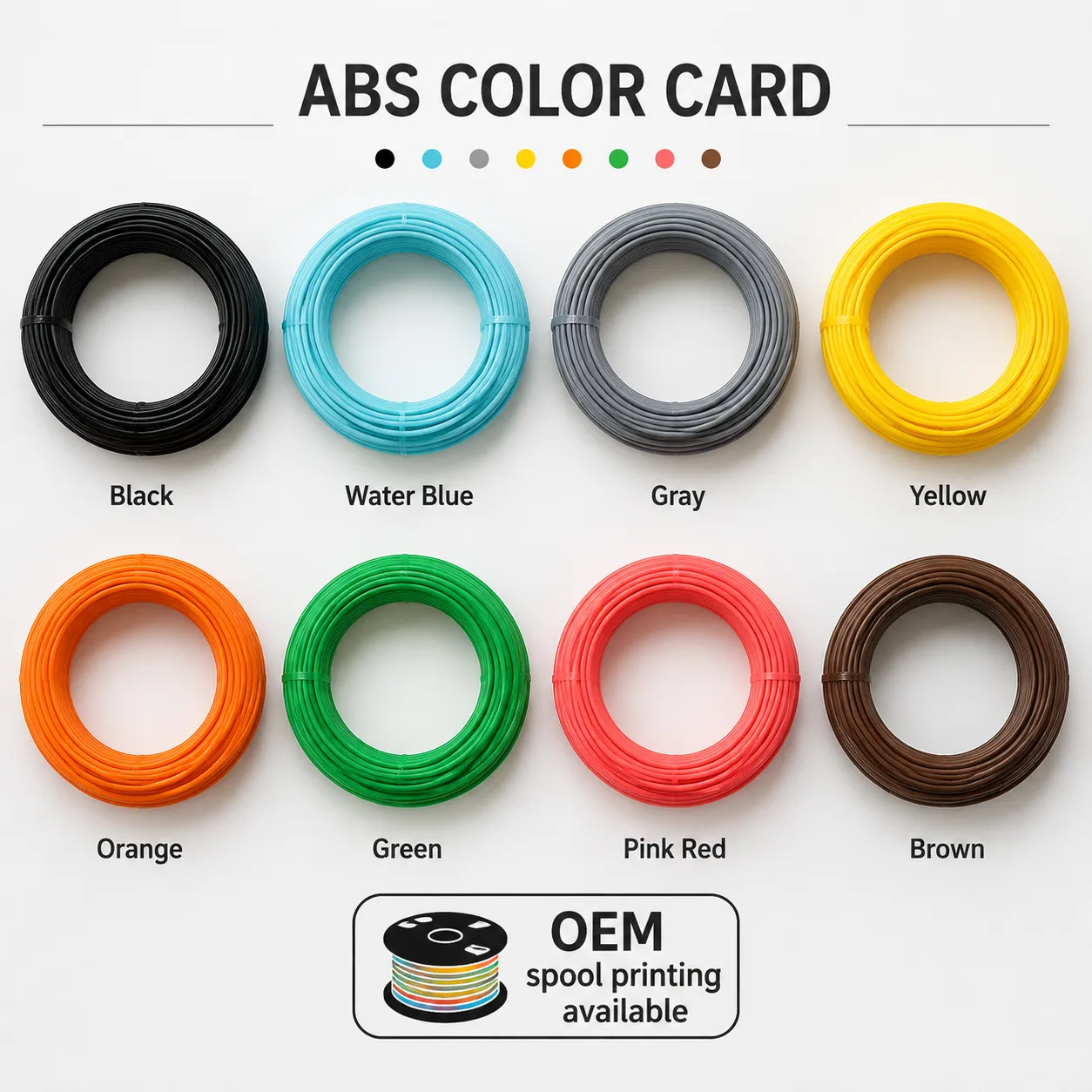
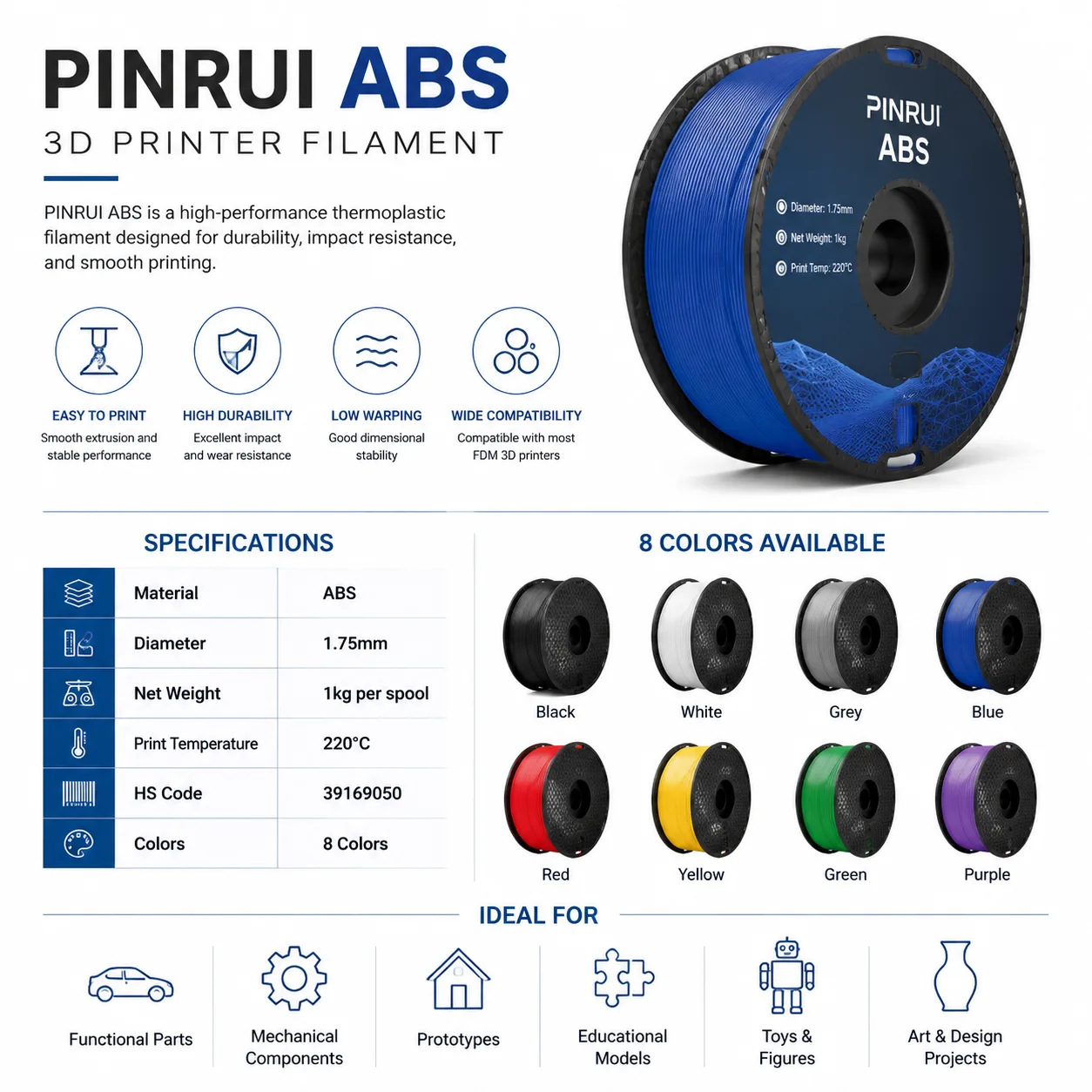
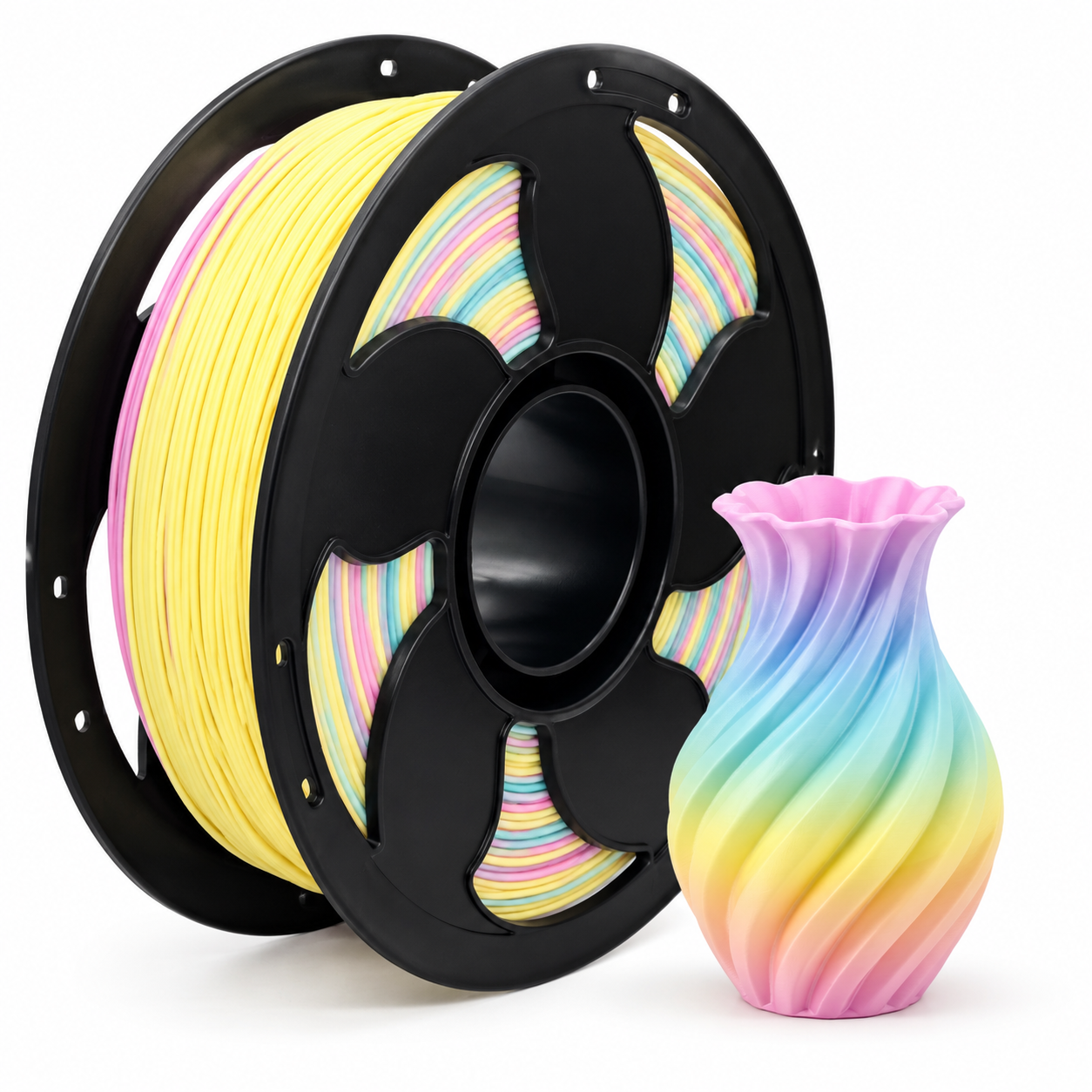
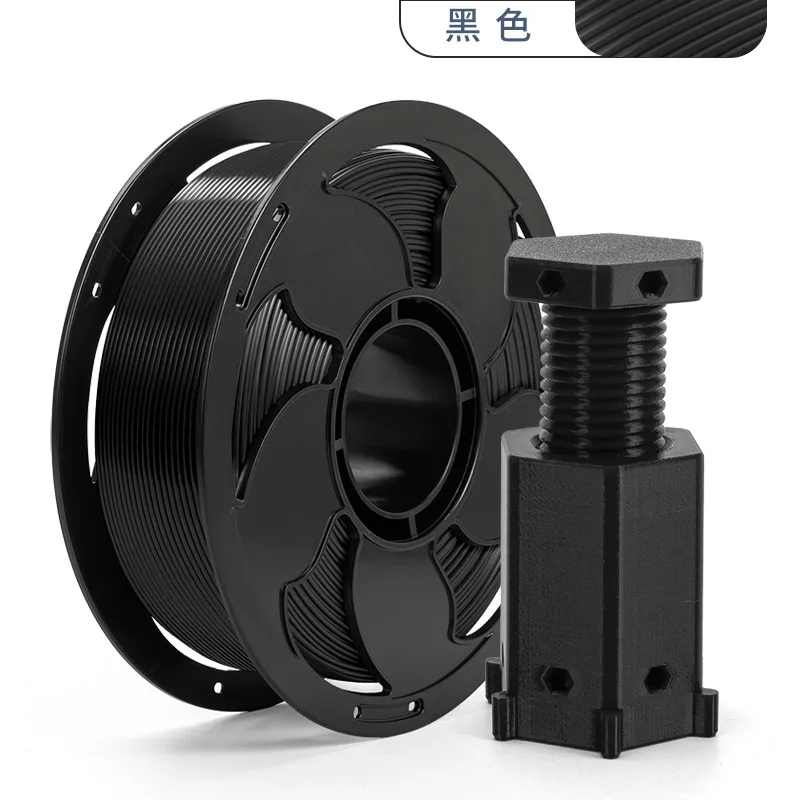
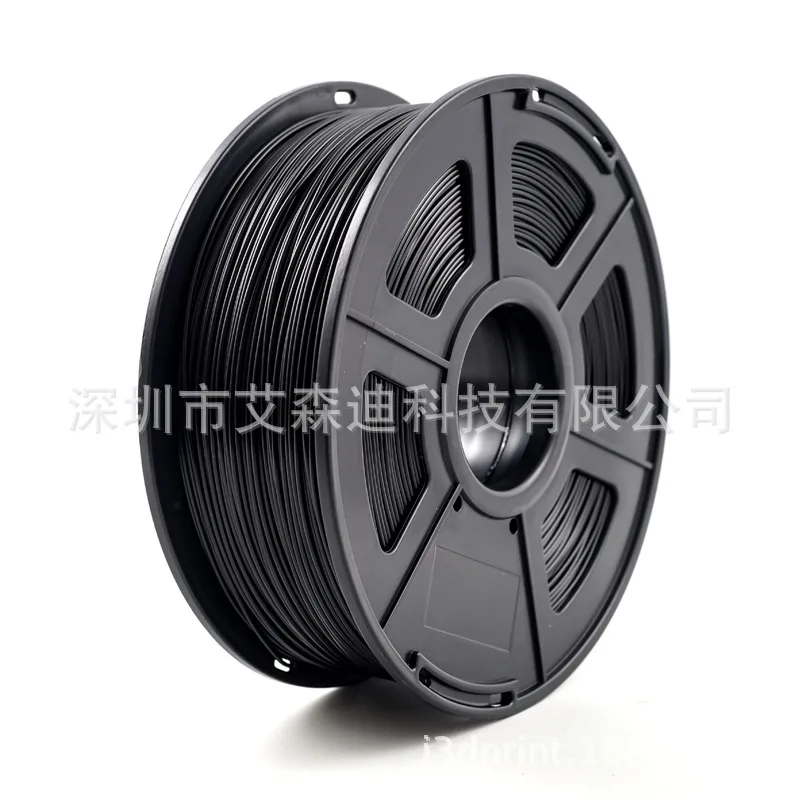
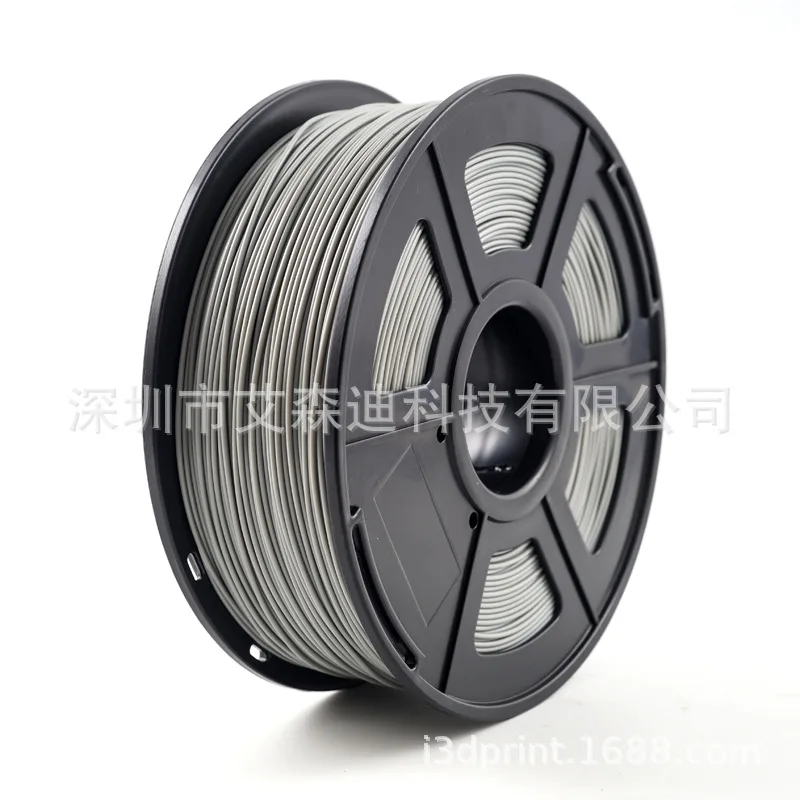
White leads the range and ships first: an opaque white that keeps layer lines quiet on visible faces and photographs with no gloss hotspots for a listing main image. The grade is stocked across 9 colours - White, Black, Water Blue, Gray, Yellow, Orange, Green, Pink Red and Brown - so a farm can hold one profile and still ship colour variation to its own customers.

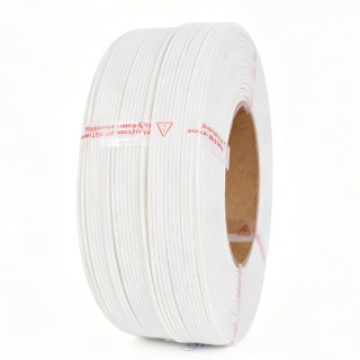
1.75mm diameter on a standard round spool, 1 kg net filament per spool, and approximately 400 m of strand per spool, with a nozzle window of, with the setting confirmed for your application. Diameter and melt window decide whether an impact-critical part prints clean, and both are held per spool, so a spool moves between machines without re-tuning the profile that was proved on the first one.

Drop-in on the 1.75mm FDM machines a workshop already runs - Bambu Lab, Creality, Prusa and similar - with the ABS setup that impacts print quality: an enclosed chamber, a heated bed and ventilation for the fumes. Acetone vapour smoothing after printing welds the surface into a seamless shell, which a sanded-and-painted part cannot match. The round spool seats in a standard holder or dry box with no adapter.

Technical Data

Specifications

Diameter 1.75mm
Material ABS

Print Profile

ABS 1.75mm 1kg prints best at 240-260°C nozzle.

Nozzle Temp240-260°C

Spool Specification

Spool details for your feeding and handling setup.

Gross Weight1.3 kg
Lengthapprox. 400m
Spool Size (L×W×H)21 × 21 × 6 cm
Pack FormatPiece
Spool TypeRound Spool

Attributes

Country / Regionchina
HS Code39169050
Item No.abs-filament-high-impact-2
Diameter 1.75mm
Length approx. 400m
Appearance Round Spool
Diameter 1.75mm
Length approx. 400m
Appearance Round Spool
Before You Ask

Frequently Asked Questions

What does high impact mean for a printed part?
It is bought for parts that are handled, dropped or clamped rather than displayed: enclosures, brackets, jigs and automotive trim. A commodity ABS part tends to fail at the screw boss or along a layer line when it takes a hit; this grade is specified for that structural duty and for heat resistance up to roughly 90-100 °C in the same part. It is not sold as a flexible material - a part that must bend and recover is a TPU job.
Will it print on the FDM machines a workshop already runs?
Yes. It is 1.75mm filament for standard FDM machines - Bambu Lab, Creality, Prusa and similar - and the round spool needs no adapter. ABS does require an enclosed chamber, a heated bed and ventilation for the fumes: it shrinks as it cools, and an open-frame machine leaves the part warped with split layers instead of a straight-sided structural part.
What nozzle temperature should I set?
The nozzle window for this range is, with the setting confirmed for your application. Start in the middle of that window with the chamber closed and the bed heated. Bed temperature settings stay with your own machine profile rather than with the spool.
How much filament is on one spool, and how far does it go?
Each spool carries 1 kg net filament per spool at 1.75mm diameter, which on this grade is approximately 400 m of strand. Usable length shifts a little with run tolerance, so plan a production batch from the slicer estimate for 1 kg on the 1.75mm profile you use and treat the metre figure as nominal.
Which colours are stocked, and can shades vary between batches?
White is the lead colour and is stocked first; the range runs across 9 colours - White, Black, Water Blue, Gray, Yellow, Orange, Green, Pink Red and Brown. Pigment is dosed against a fixed target, but shade names are confirmed per order, so for a colour-critical line place a trial order in the shade your customers buy and compare it on the plate before committing to a full range.
What is high-impact ABS best used for?
Structural parts that take heat and impact in service: enclosures and covers, brackets and mounting plates, jigs and fixtures, automotive interior trim, and housings that are acetone vapour smoothed into a seamless shell. It is not sold for long-term outdoor exposure - sunlight degrades ABS and ASA resists UV far better - so specify the ASA grade for exterior parts.
How is the spool packed, and how should I store it?
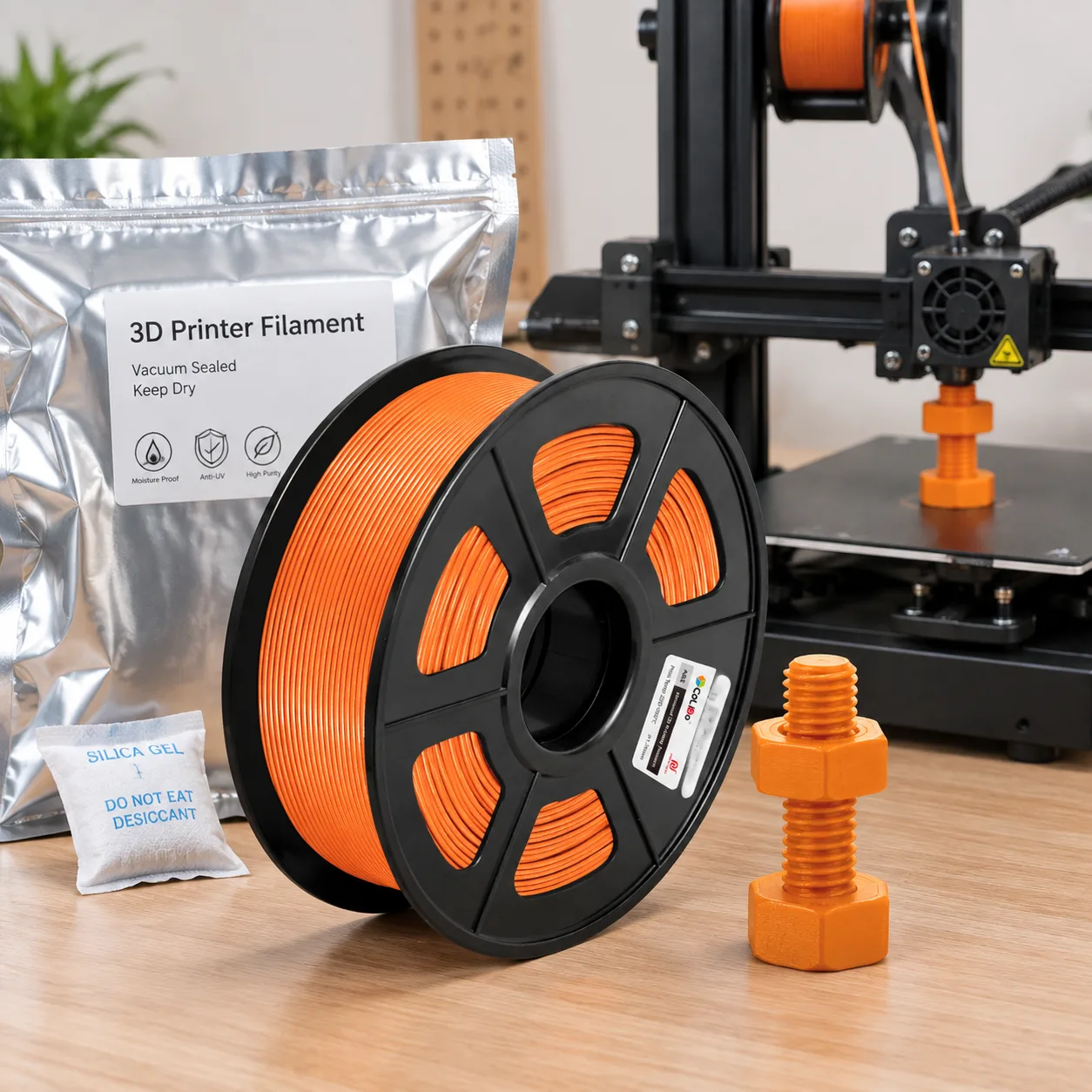
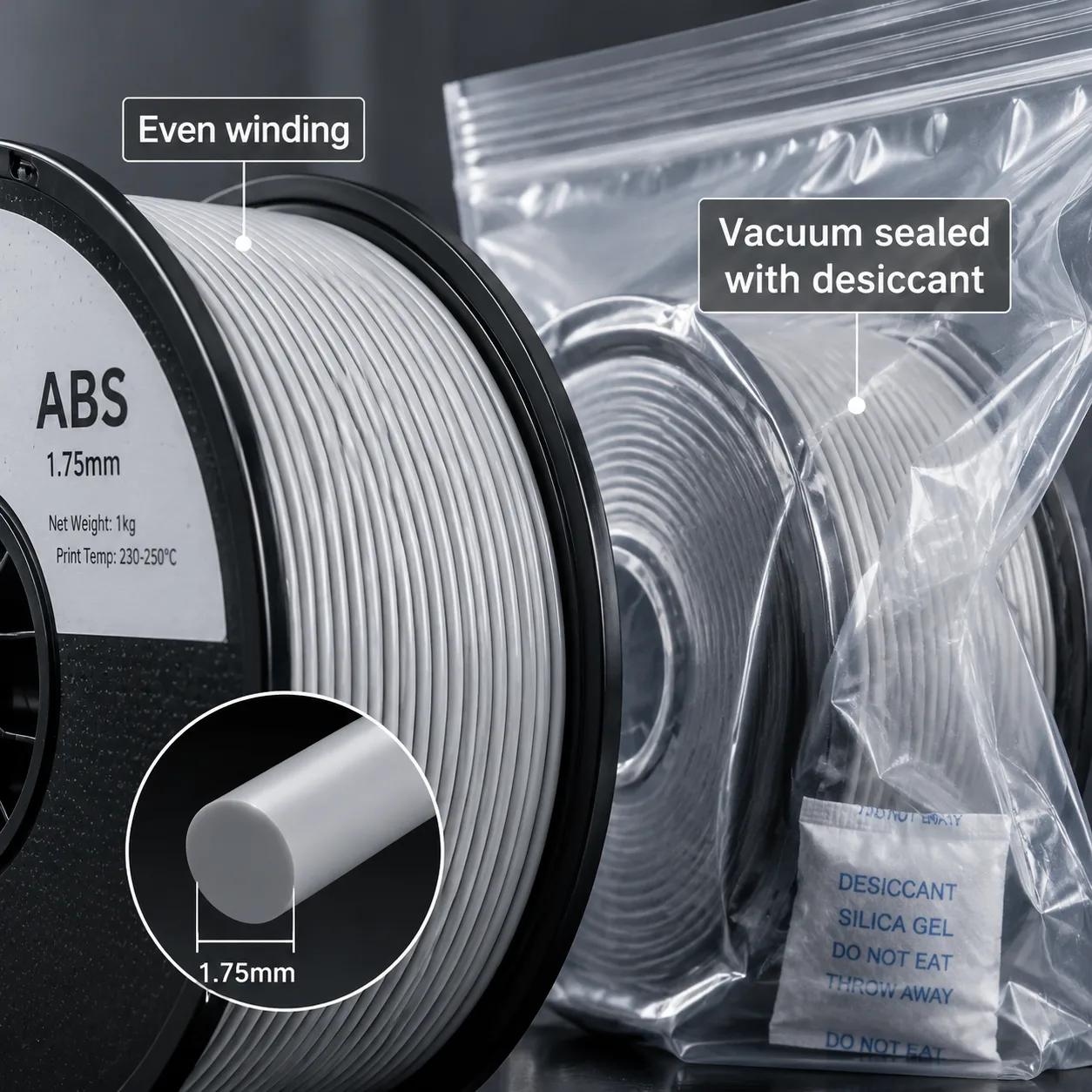
Each spool is vacuum sealed in a moisture-barrier bag with a desiccant pack and shipped on a round spool that fits standard holders and dry boxes. After opening, reseal the bag or move the spool into a dry box with desiccant: damp ABS pops in the nozzle and prints weak layers, which is the last thing a structural part needs.

Documentation & Downloads

Everything we publish for this material, in one place.