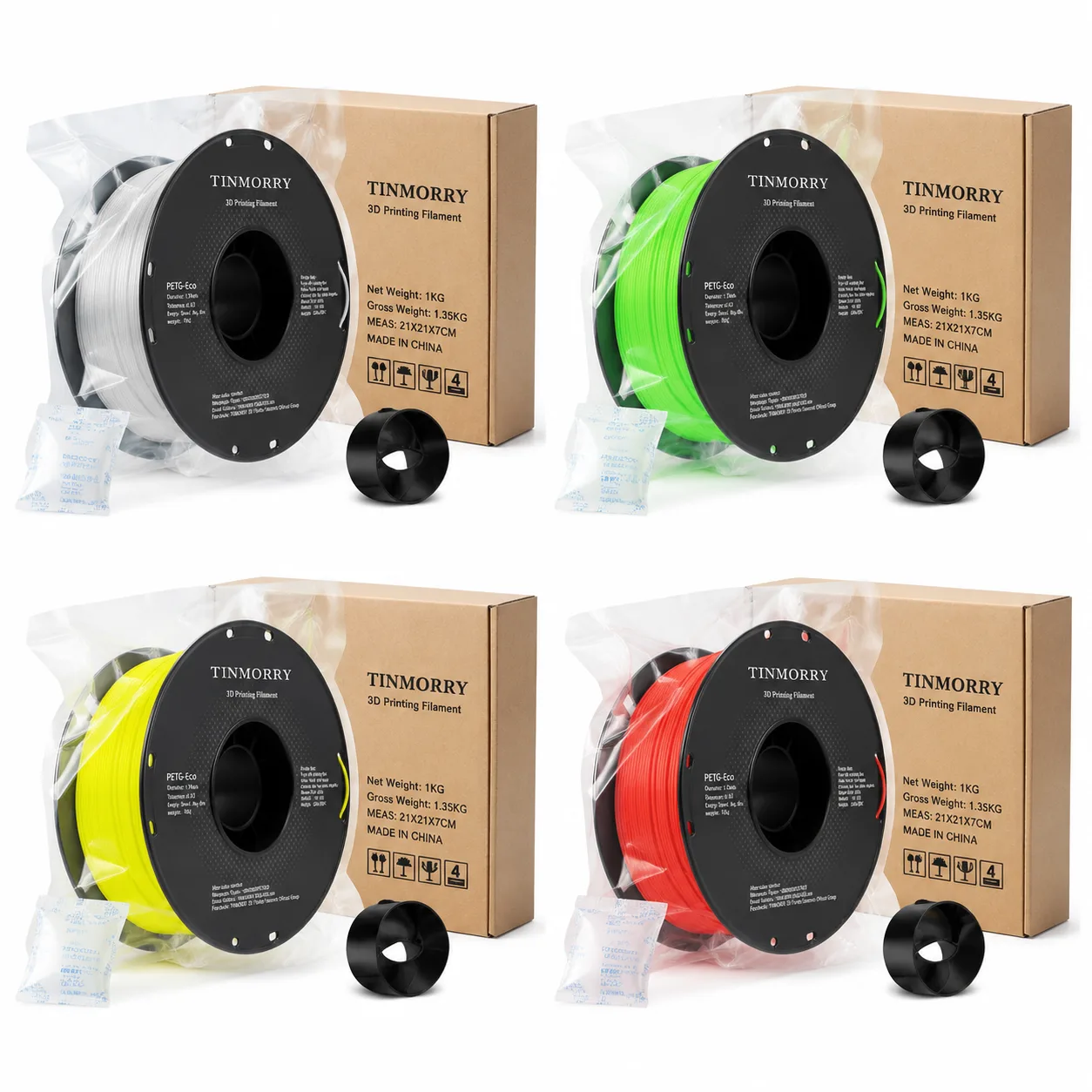
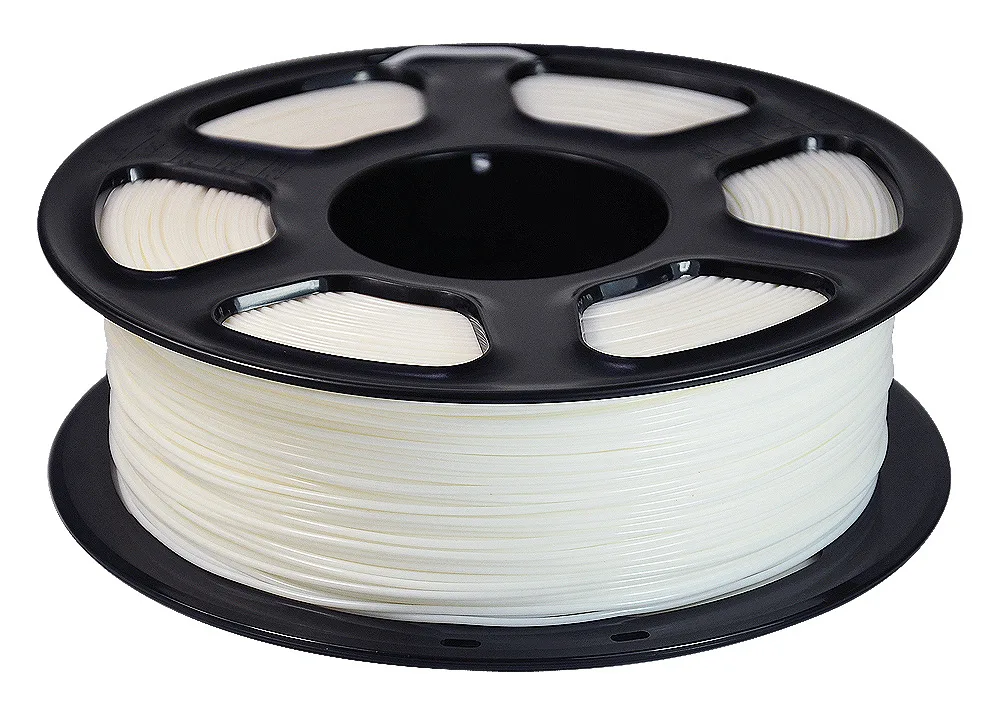
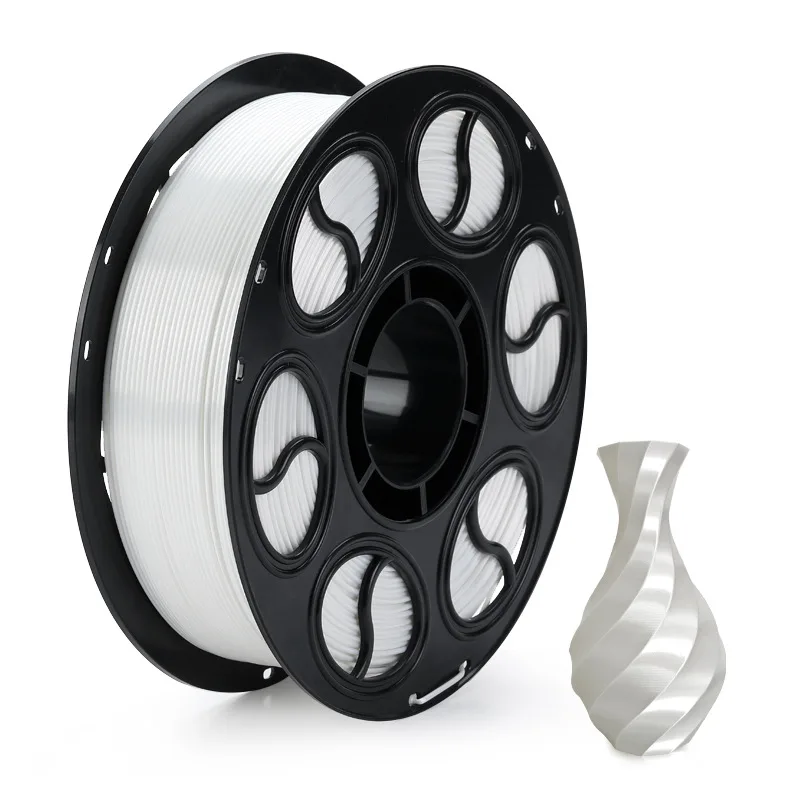
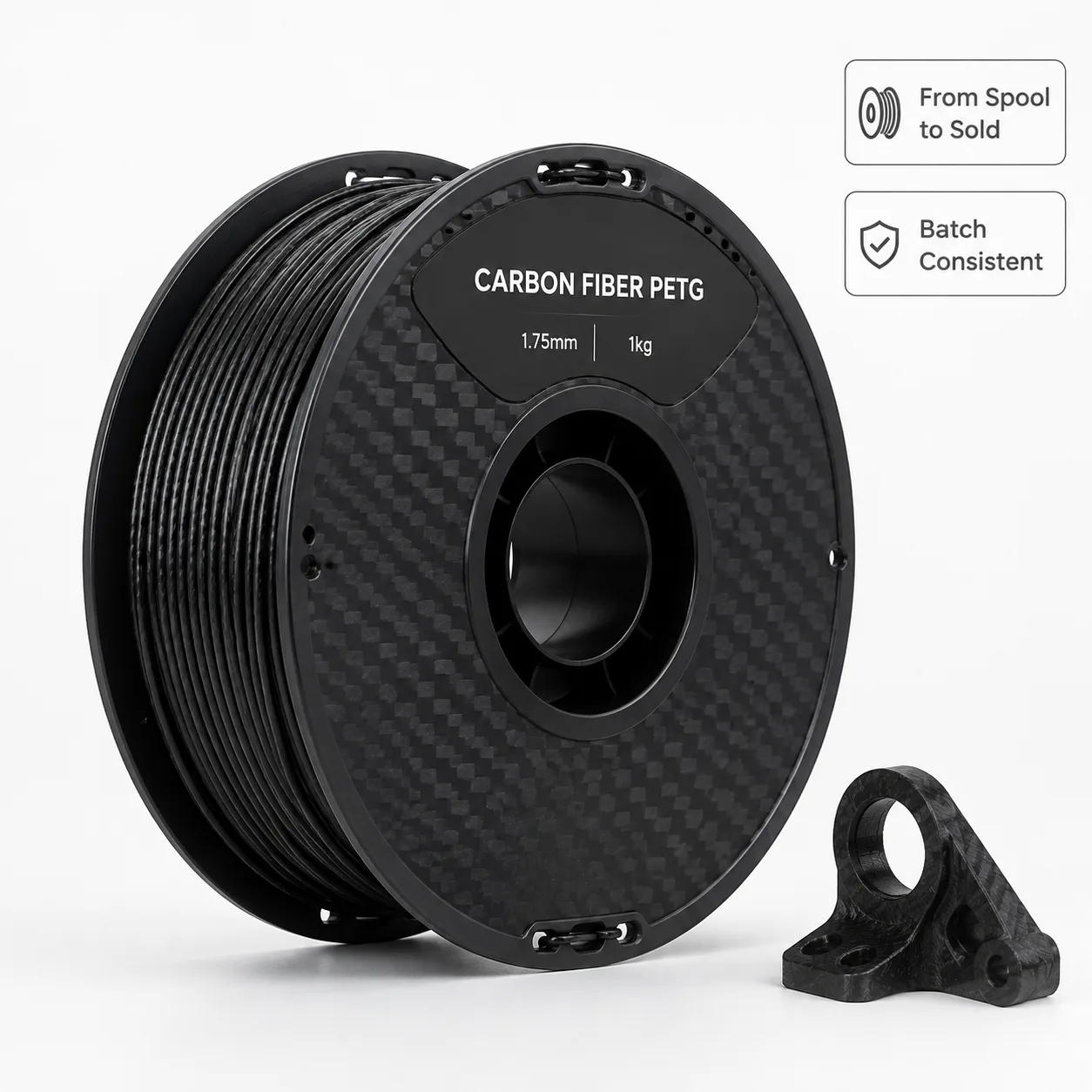
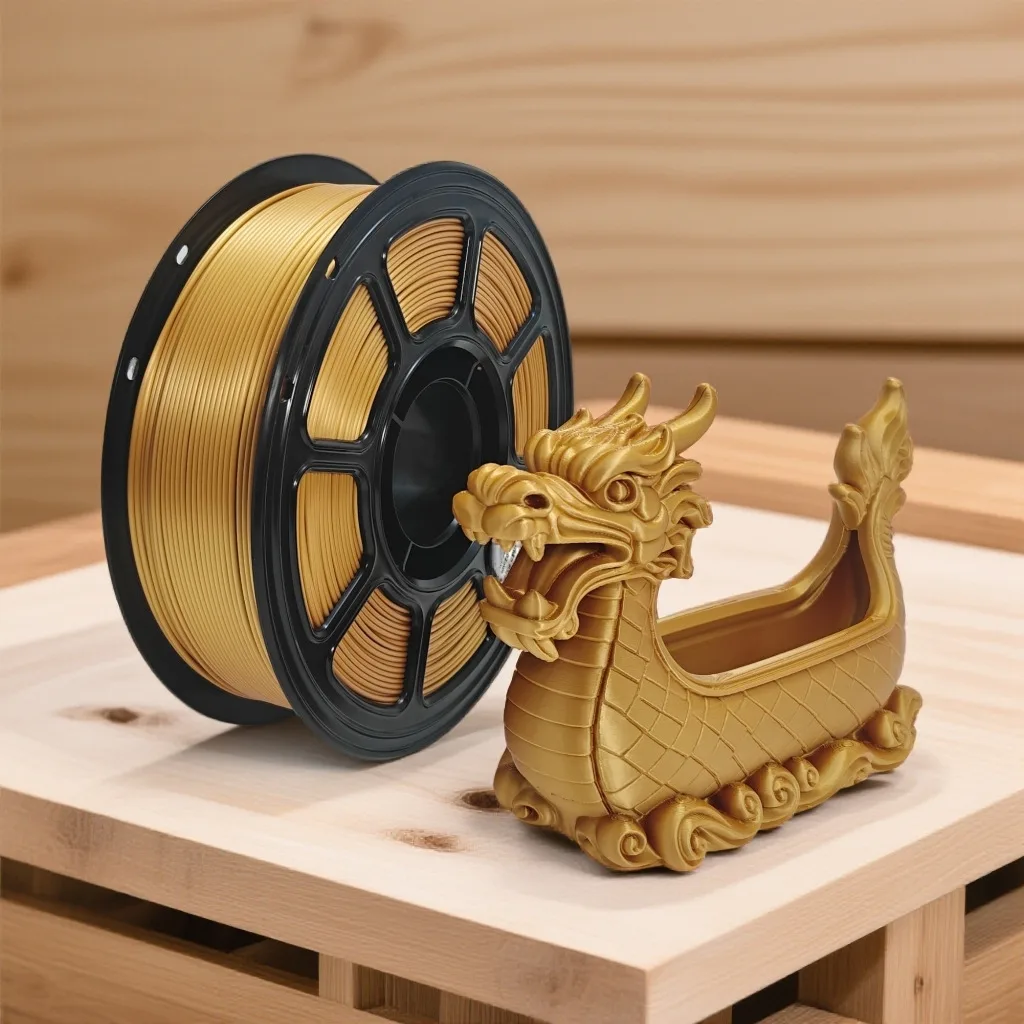


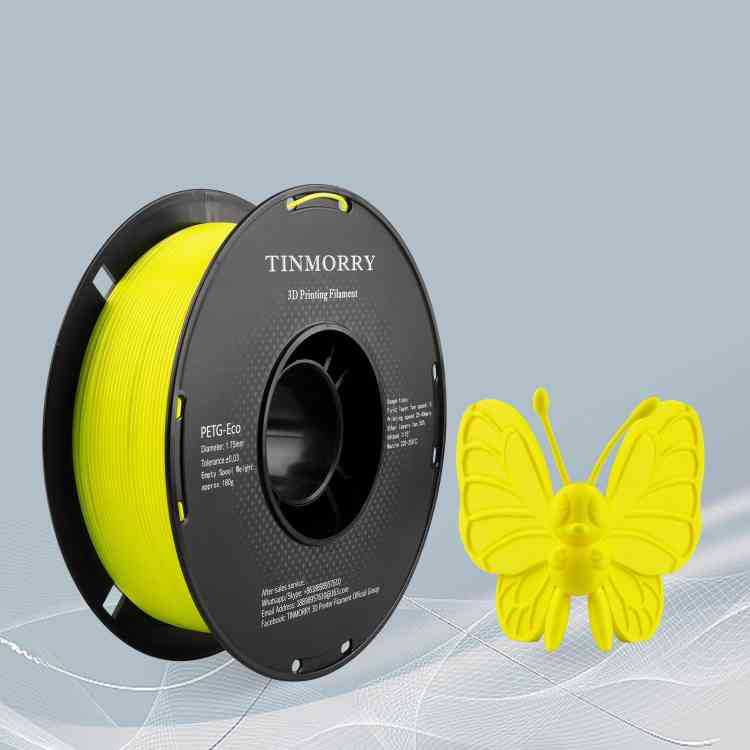
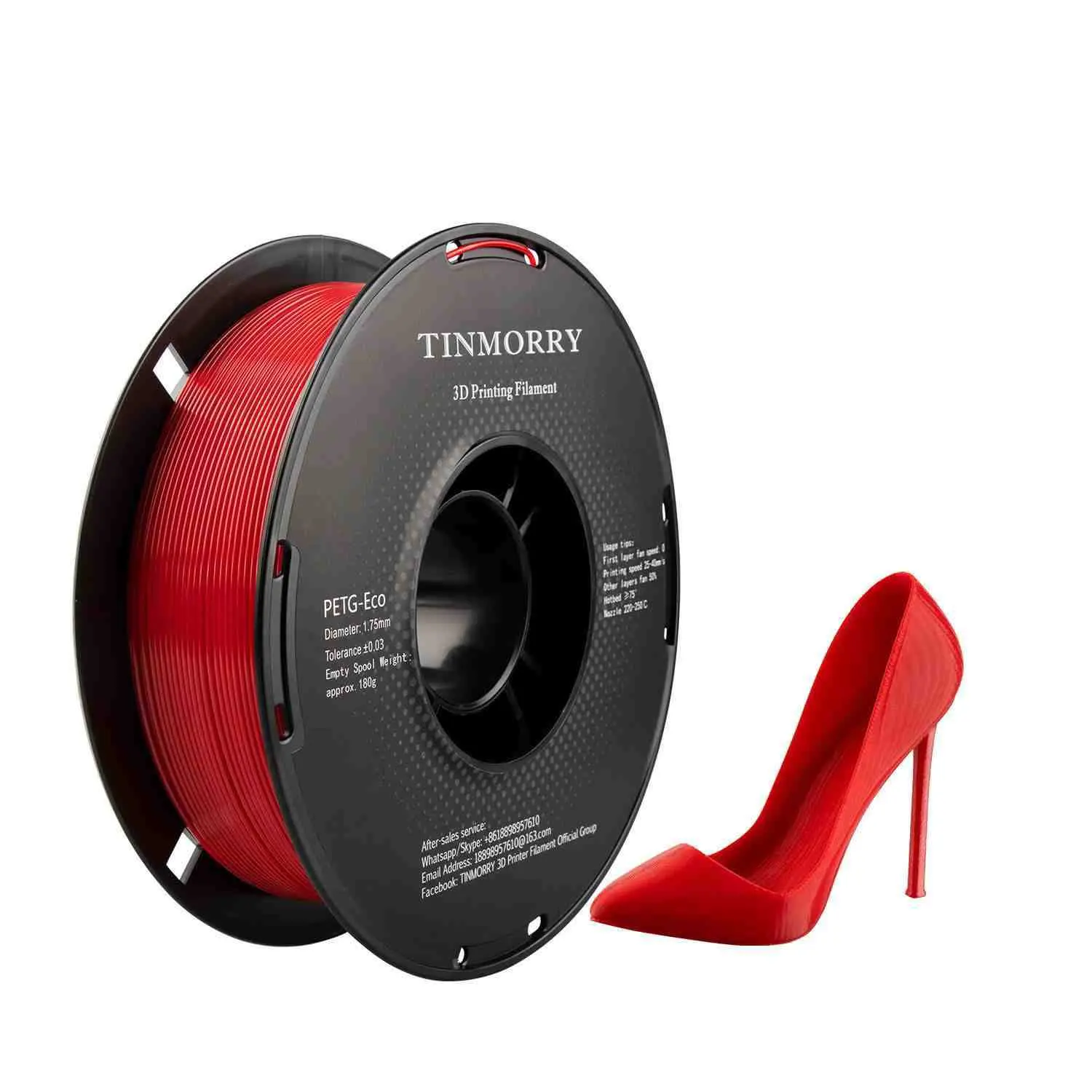
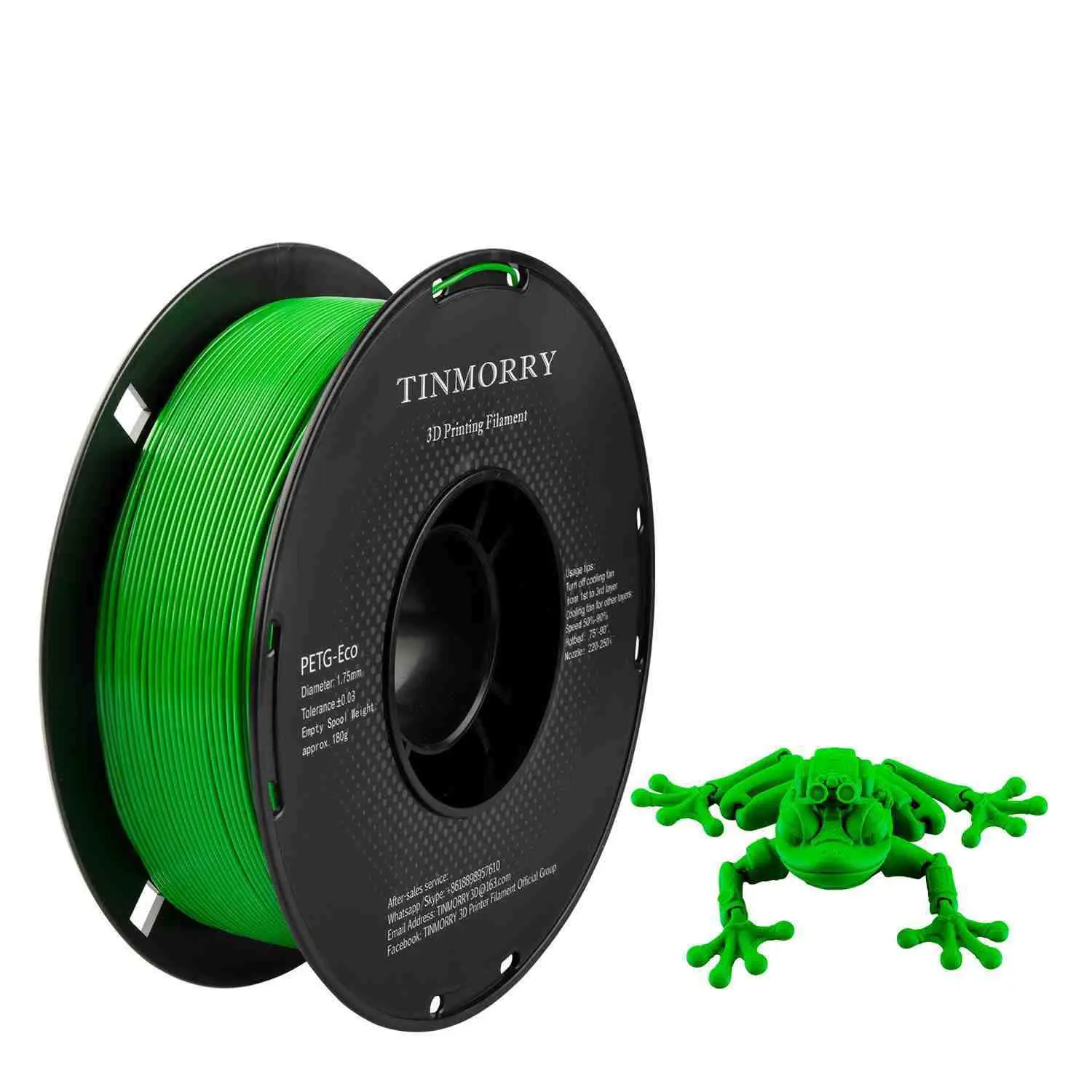
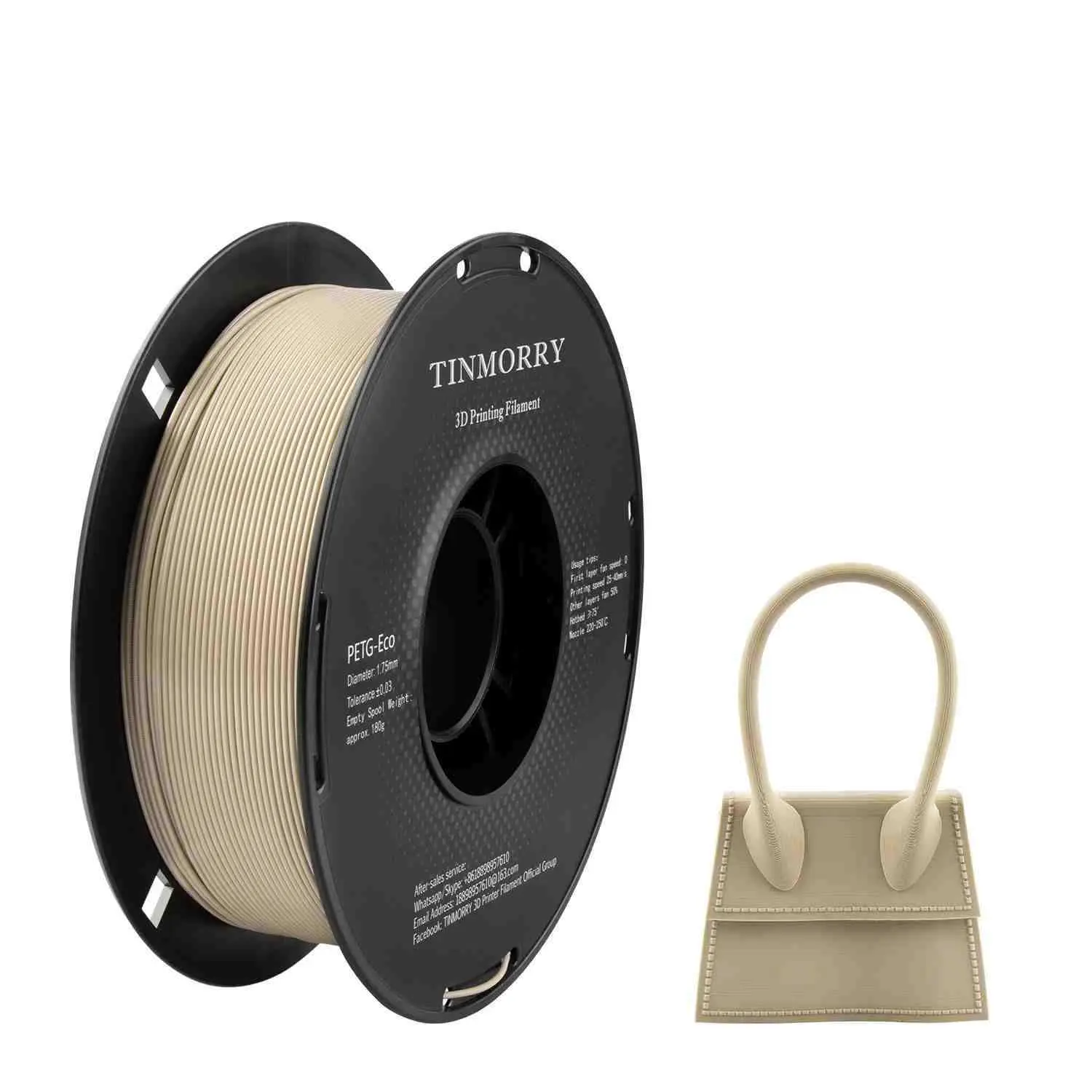
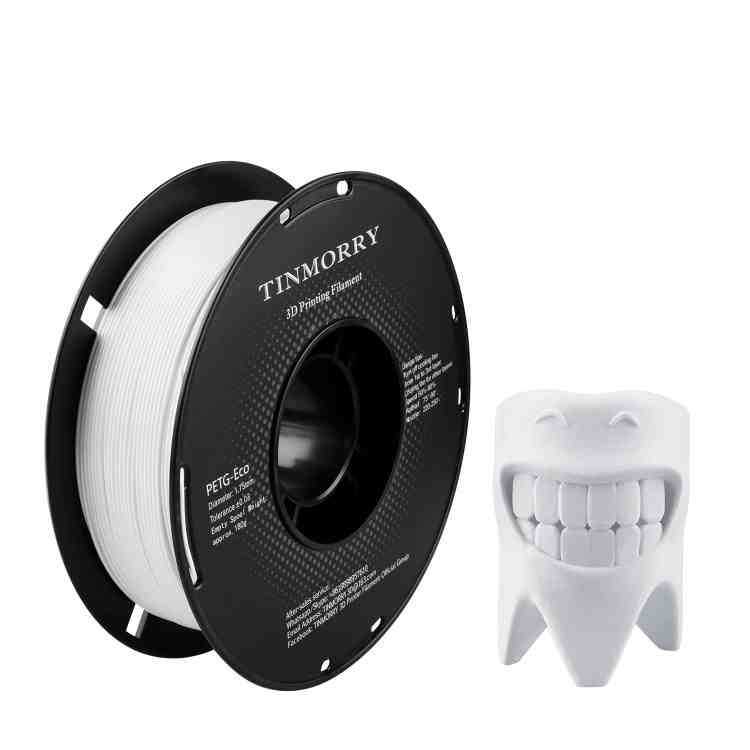
High-Speed PETG 1.75mm

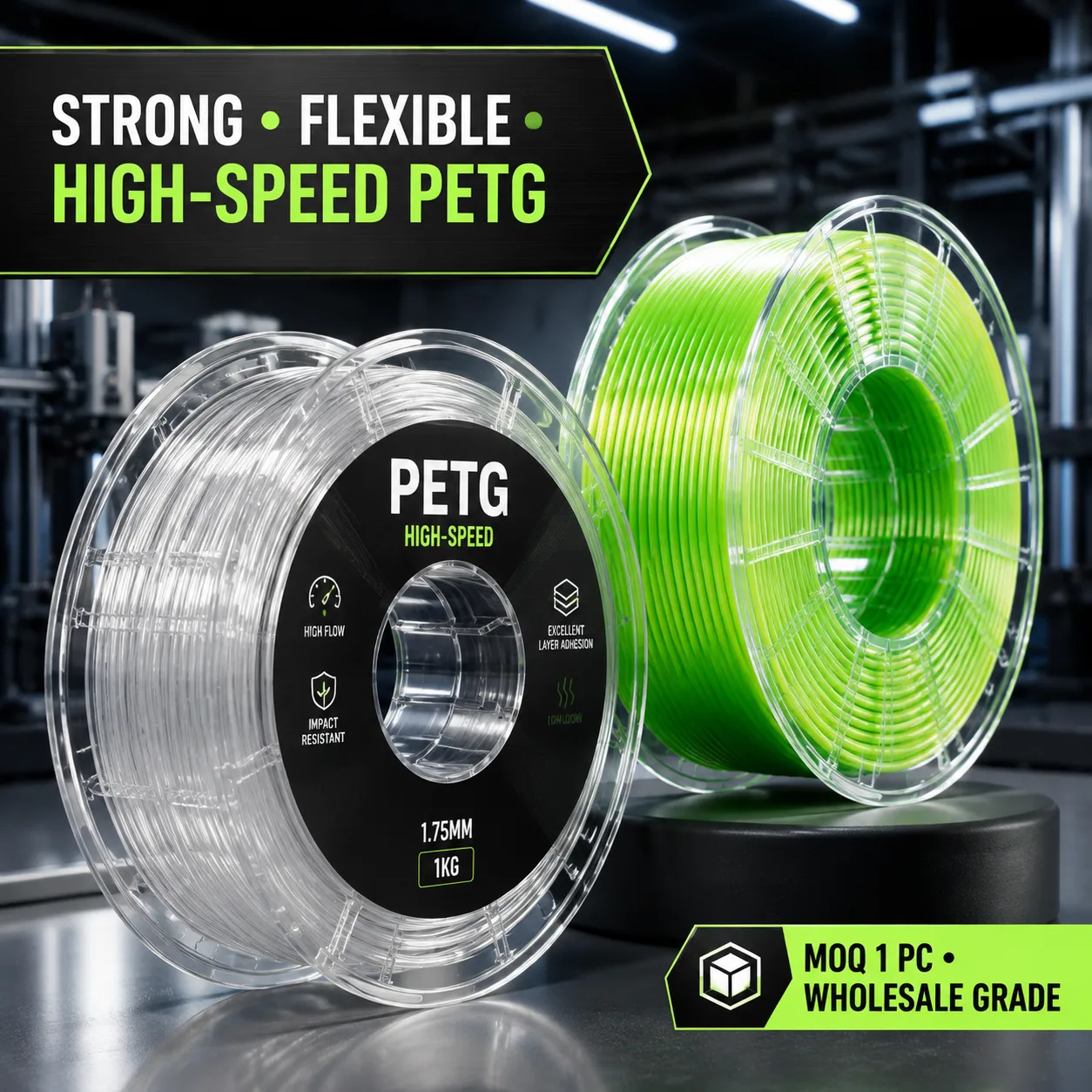
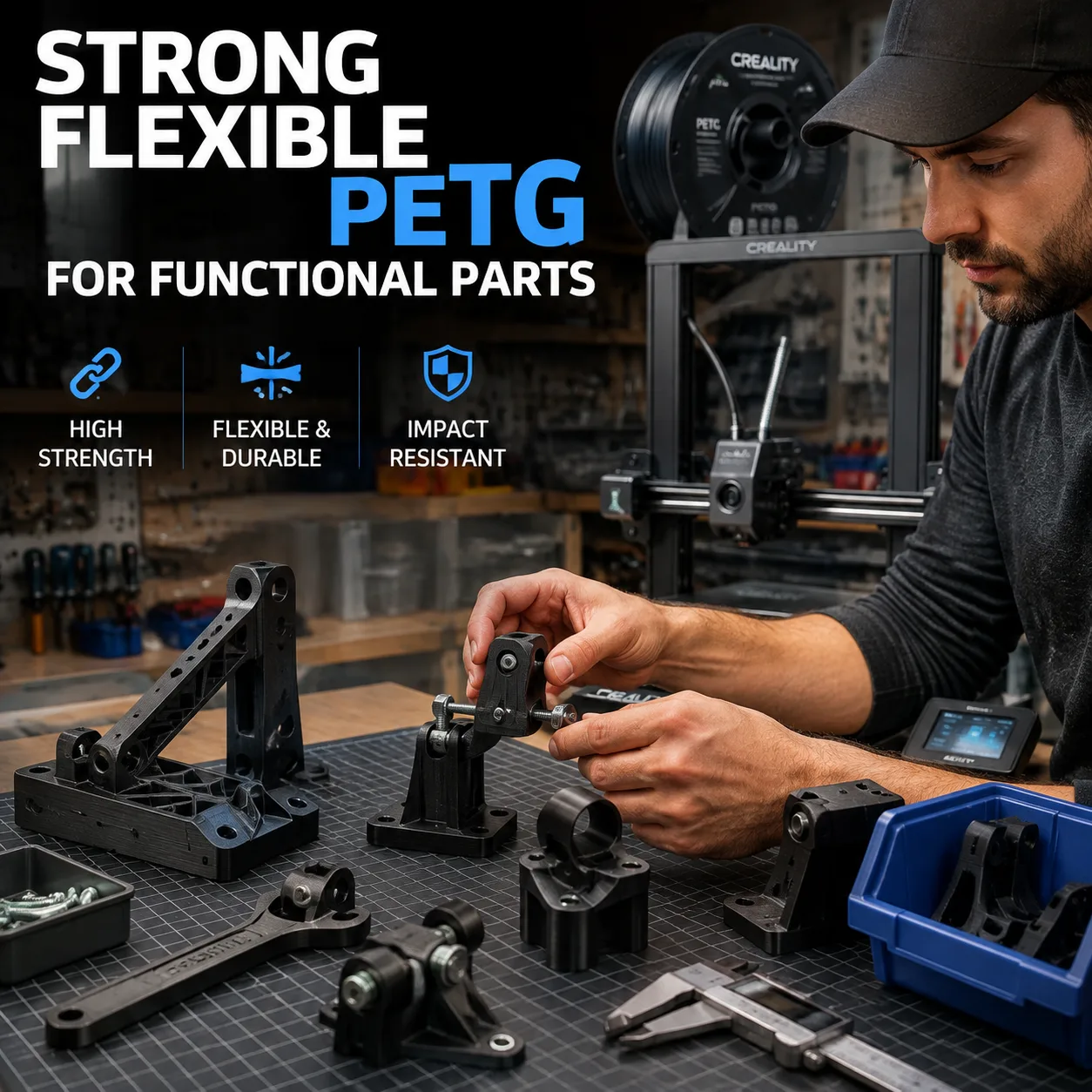
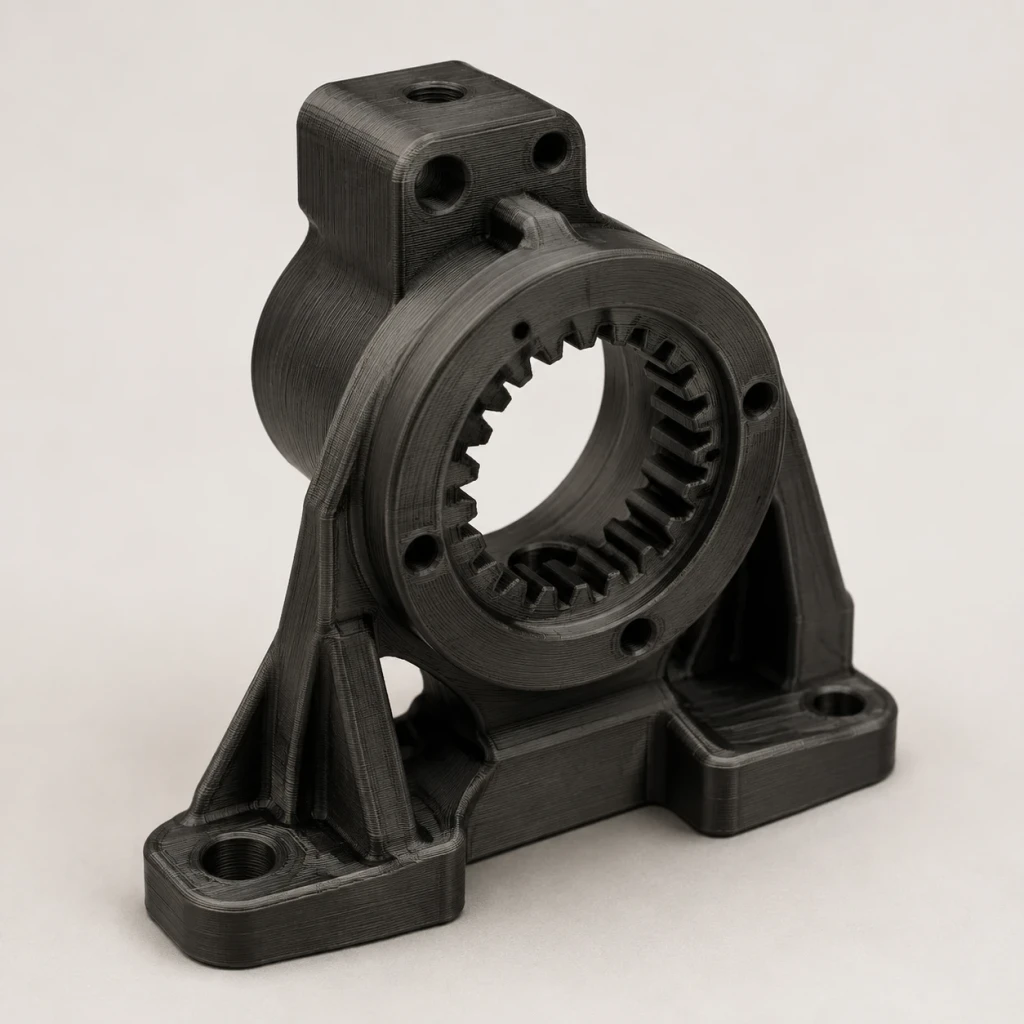
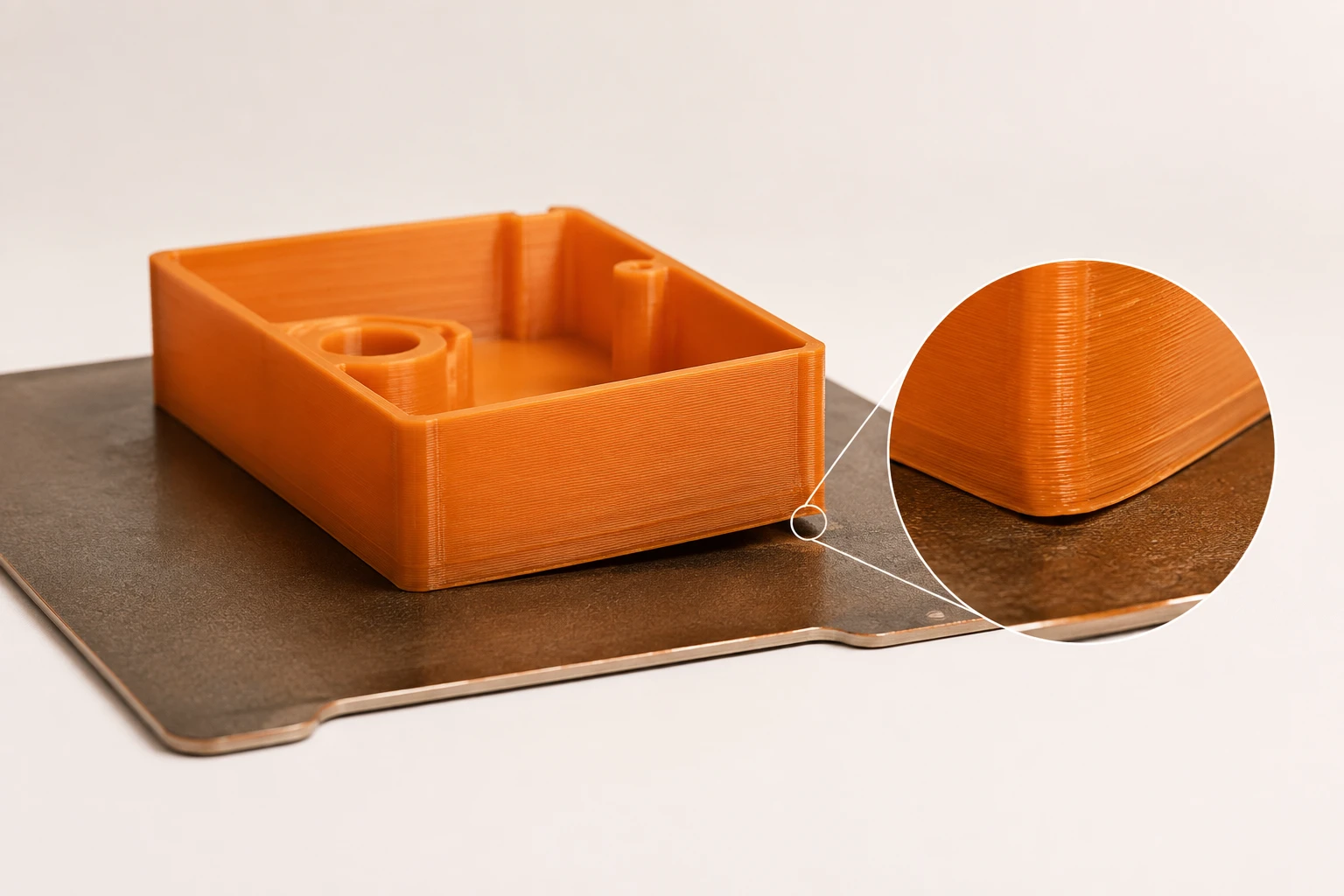
Brand: Yiqiu3D · PLA parts cracking under load? This high-speed PETG combines strength with just enough flexibility to absorb impacts — functional brackets, jigs and outdoor parts that PLA simply can't handle.

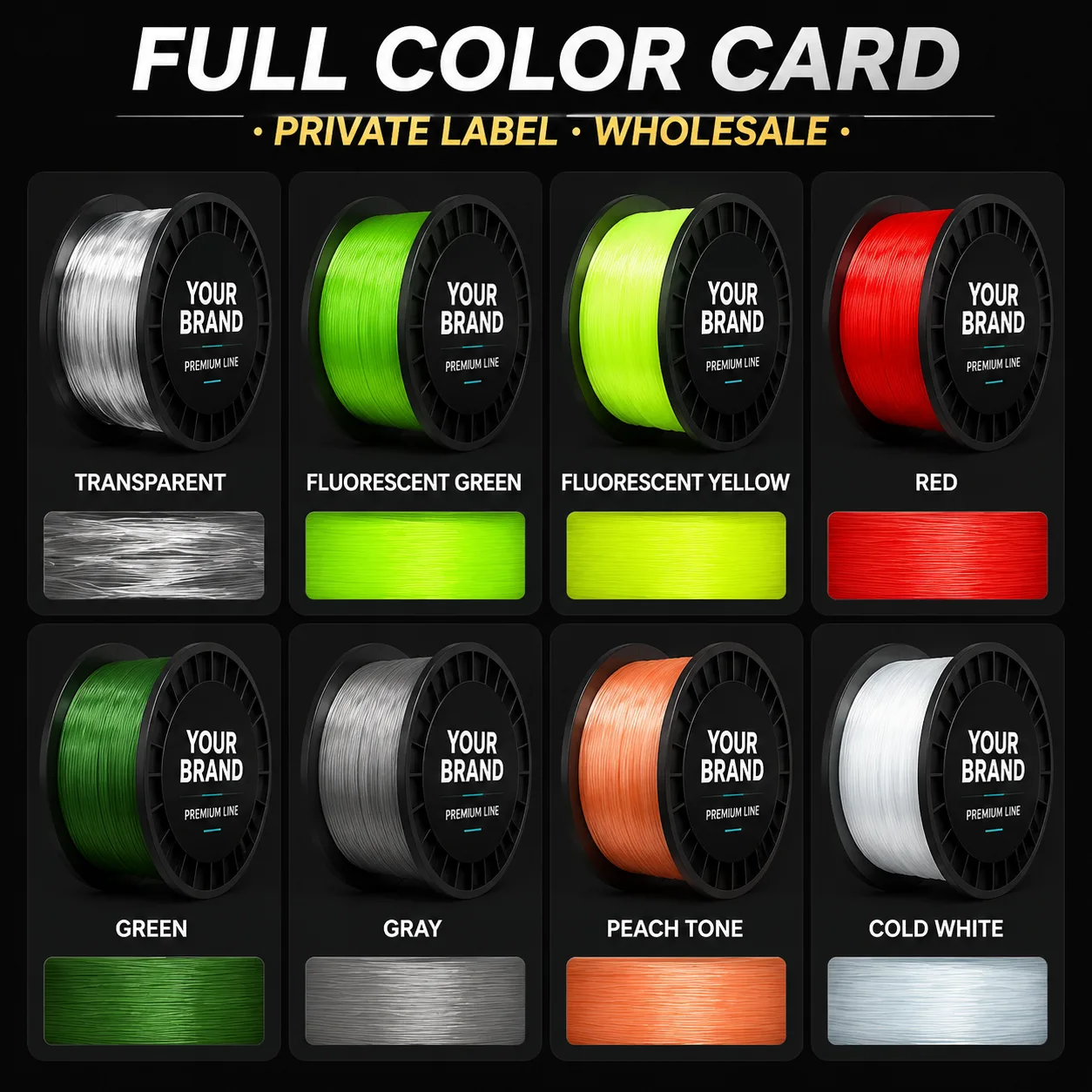
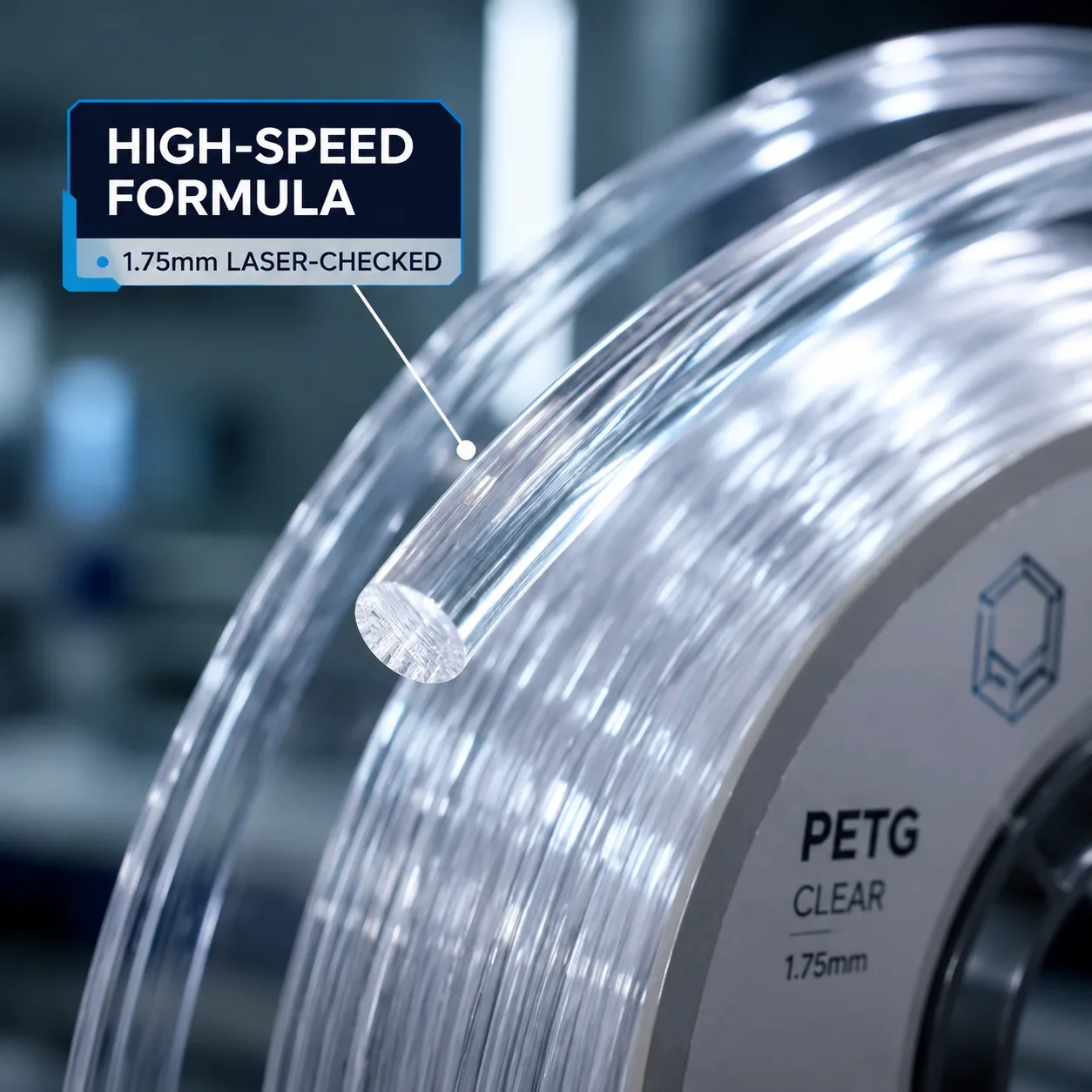
  • Unique visibility colors: Transparent
  • High-speed formulated: the resin flows cleanly at speed
  • Chemical and moisture resistant: PETG shrugs off water
Compare filaments
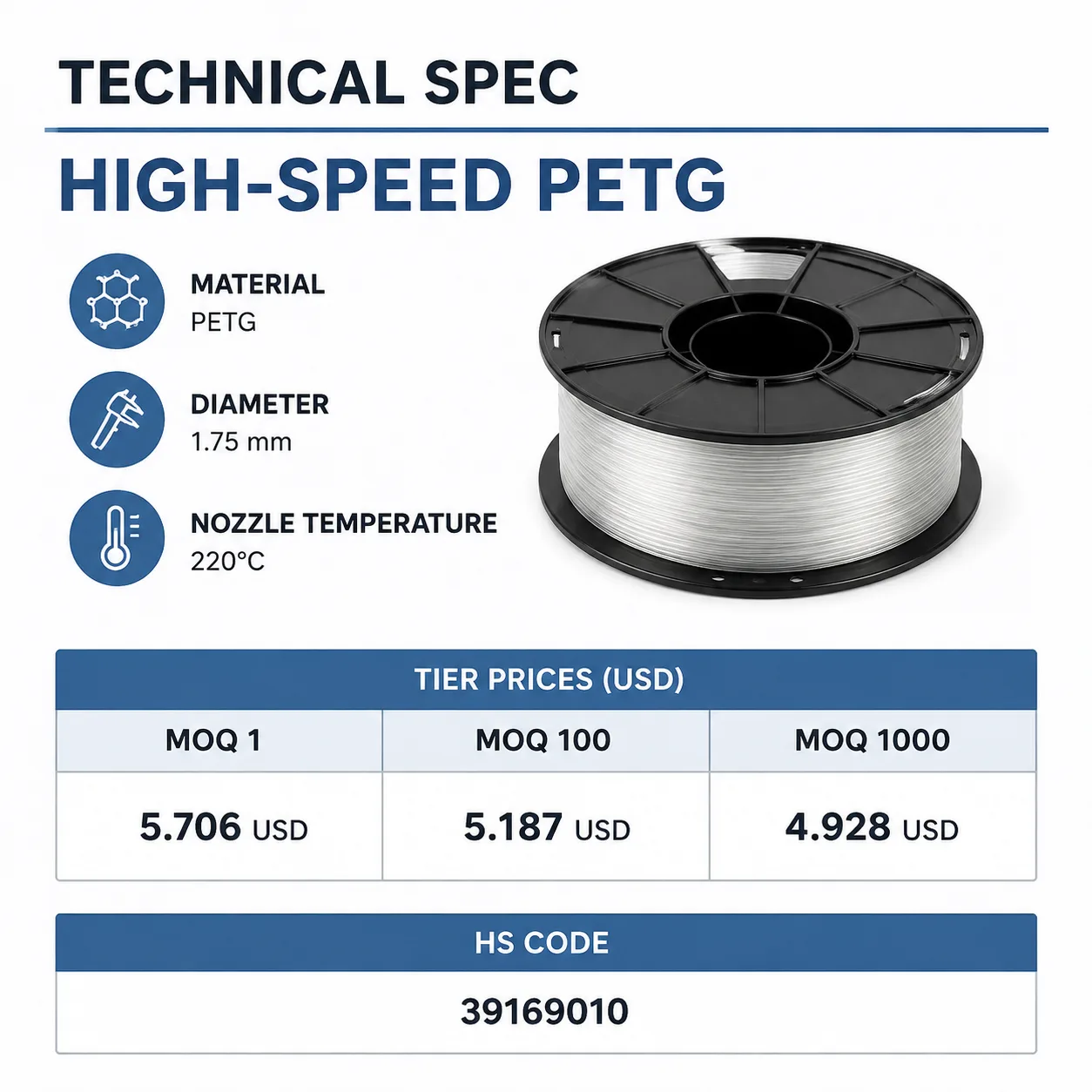
Diameter 1.75mm
Material PETG
Quick Answer

What makes PETG stronger and tougher than PLA?

PETG combines the toughness of ABS with the ease of PLA: the glycol-modified structure gives higher impact resistance and flexibility than PLA, better UV and chemical resistance, and parts that bend slightly instead of shattering under load.

Full answers below
Is it right for my project?

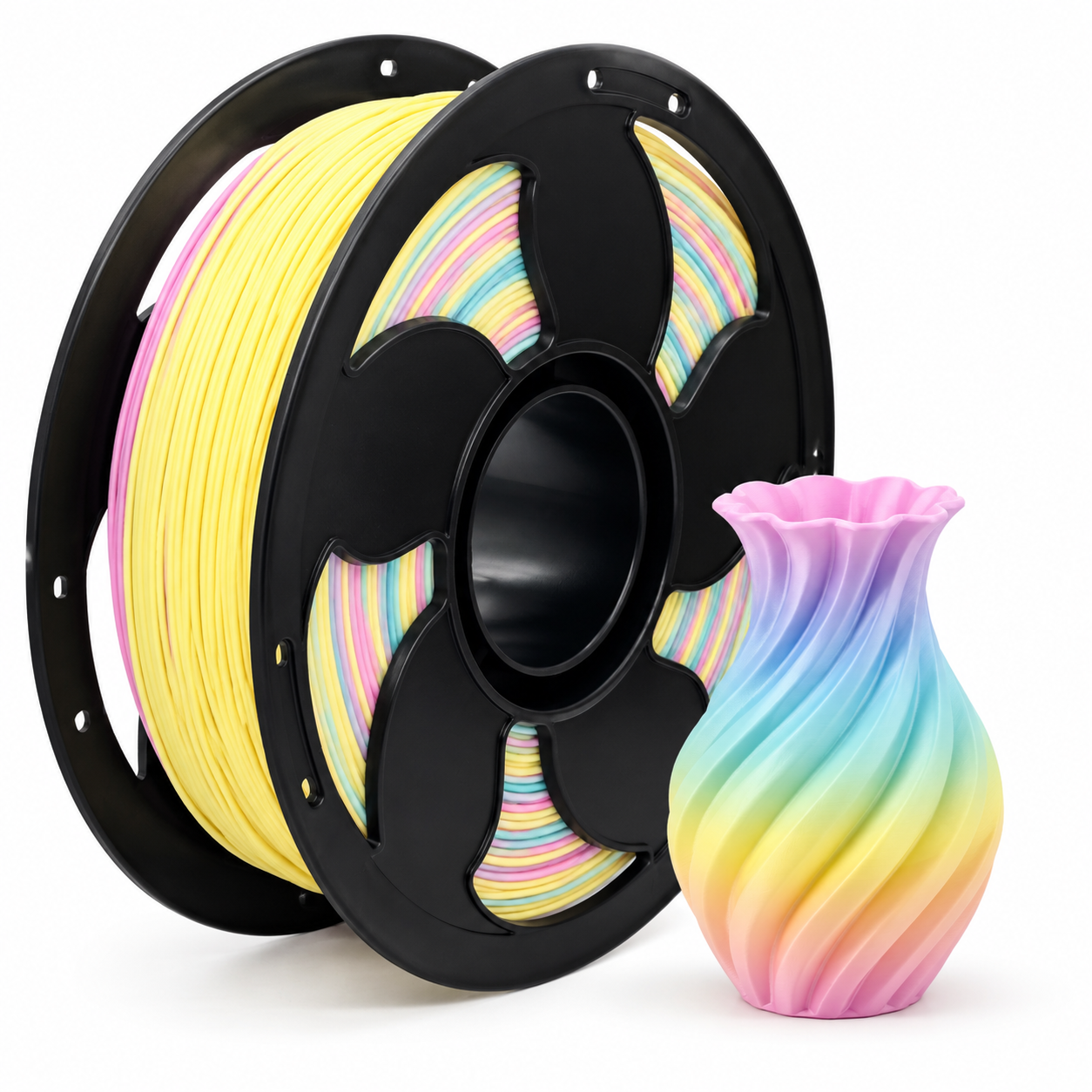
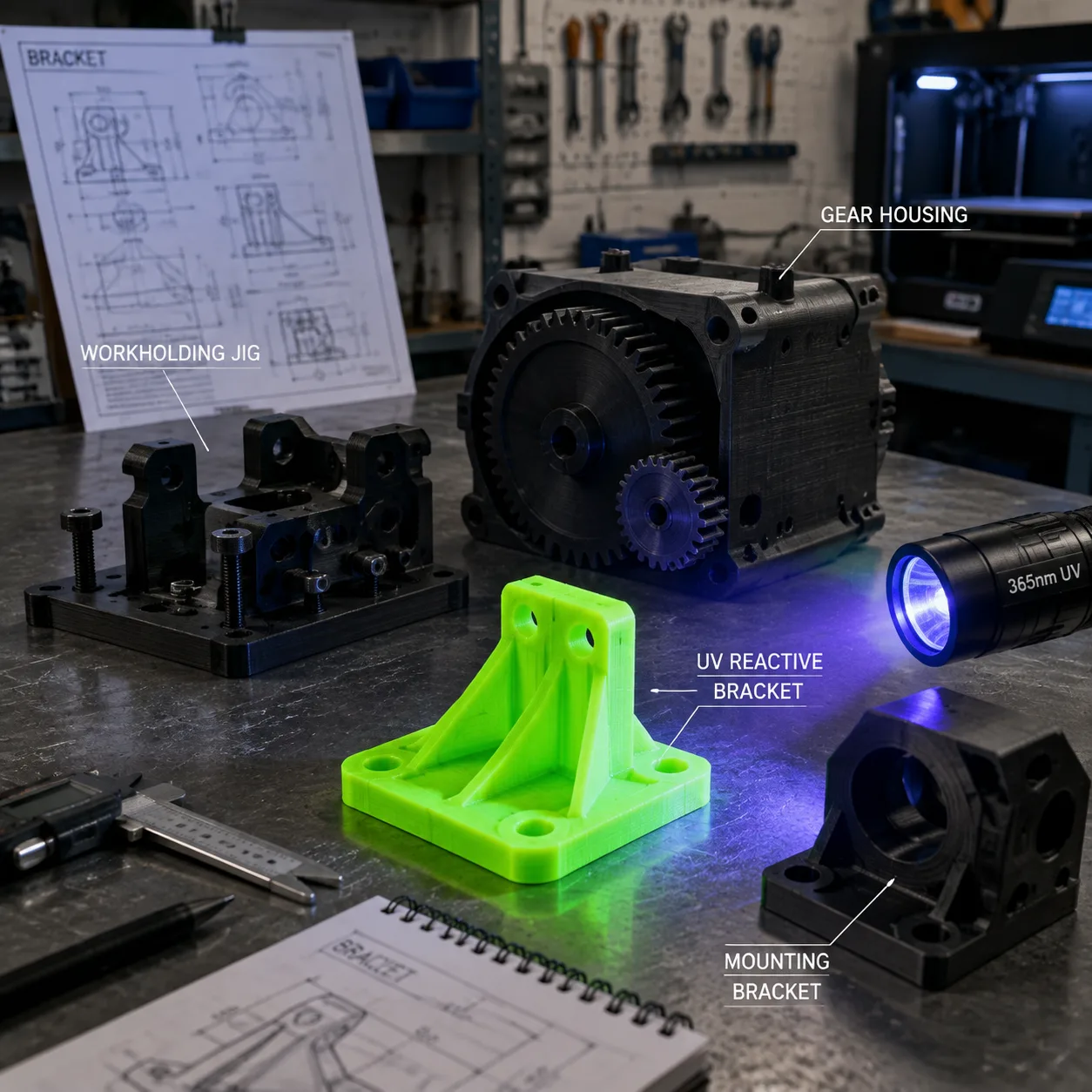
Best for: A strong all-rounder for end-use parts needing toughness and easy printing without a heated chamber - available in 9 colours; lead colour Bright Yellow. Not ideal for: Avoid where very fine cosmetic detail leads; PLA or resin prints cleaner surfaces - available in 9 colours; lead colour Bright Yellow.

Print settings

Nozzle 230-260°C

01 · Why this one

Product highlights

3 reasons

Unique visibility colors: Transparent, Fluorescent Green and Fluorescent Yellow give you see-through housings, light-pipe effects and high-visibility parts that standard filaments can't deliver.

High-speed formulated: the resin flows cleanly at speed, so you can run fast layer times on Bambu Lab, Creality or Prusa machines without the stringing and warping that plague ordinary PETG.

Chemical and moisture resistant: PETG shrugs off water, oils and mild chemicals better than PLA, making it the default choice for durable consumer and workshop parts.

Technical Data

Specifications

Diameter 1.75mm
Material PETG

Print Profile

High-Speed PETG 1.75mm prints best at 230-260°C nozzle.

Nozzle Temp230-260°C

Skip manual setup — import the ready-made profile into OrcaSlicer (Help → Open Configuration Folder → filament):

Manufacturer-recommended baseline — validated on Bambu Lab, Creality, Anycubic, Prusa and ELEGOO fleets. Fine-tune on your machine before production runs.

Spool Specification

Spool details for your feeding and handling setup.

Gross Weight0.1 kg
Spool Size (L×W×H)21 × 21 × 7 cm
Pack FormatPiece

Attributes

Country / Regionchina
HS Code39169010
Item No.high-speed-petg-filament
Origin Other
Country/Region of Origin Other
Cross-Section Round
Before You Ask

Frequently Asked Questions

What makes PETG stronger and tougher than PLA?
PETG combines the toughness of ABS with the ease of PLA: the glycol-modified structure gives higher impact resistance and flexibility than PLA, better UV and chemical resistance, and parts that bend slightly instead of shattering under load.
Is it compatible with my printer?
Yes — it is a 1.75 mm round filament for any FDM printer accepting that diameter, including Bambu Lab, Creality, Prusa and Anycubic machines, with direct-drive or Bowden extruders.
What temperatures should I use?
Start with the listed 220°C nozzle and a bed of 70-80°C for best adhesion. PETG likes a little more heat than PLA and benefits from a heated, slightly textured bed surface to prevent warping.
How long does one spool last?
A standard 1 kg retail spool of 1.75 mm PETG holds roughly 320 meters of filament — enough for several medium functional parts or dozens of small pieces, depending on infill and size.
Which colors are available?
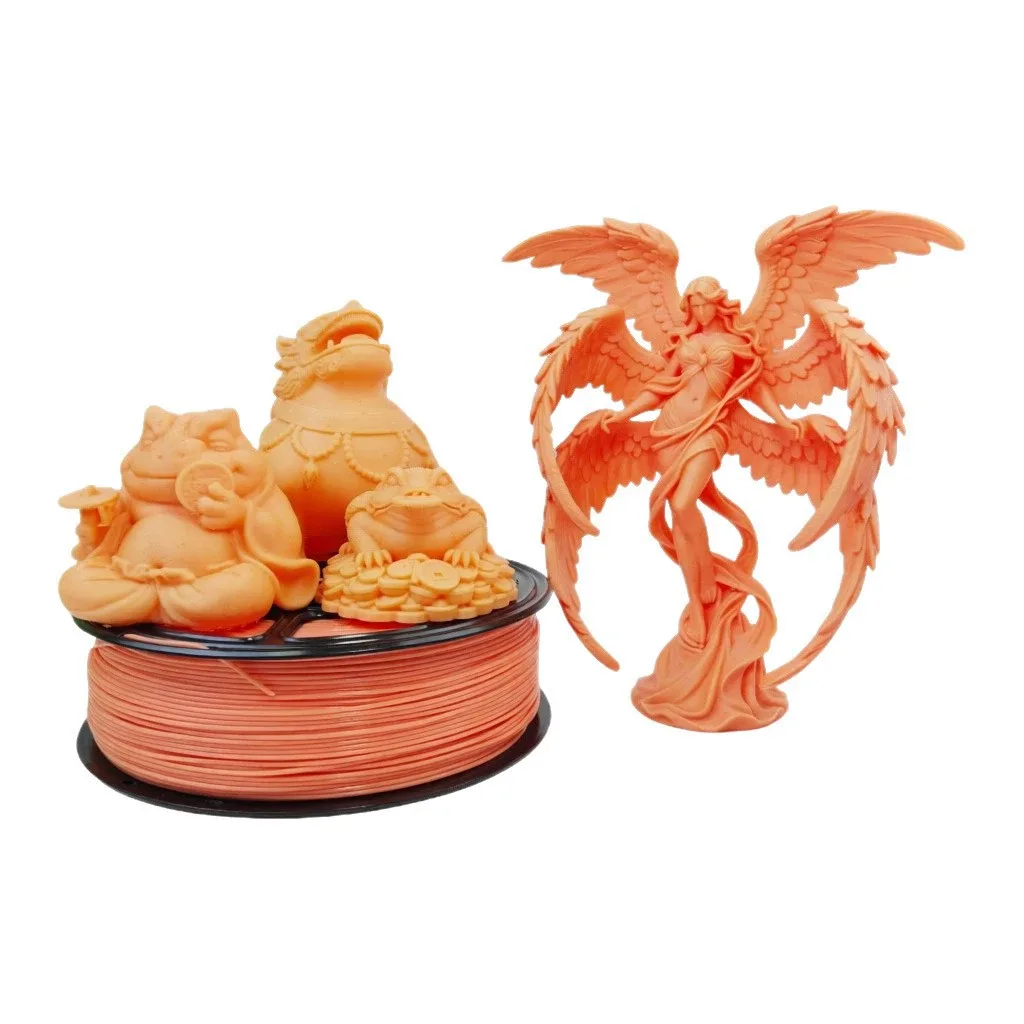
Eight shades are offered: Transparent, Fluorescent Green, Fluorescent Yellow, Red, Green, Gray, Peach Tone and Cold White. Transparent suits light pipes and inspection covers; fluorescent colors make high-visibility parts.
How fast can I print this PETG?
This is a high-speed grade: 60-120 mm/s is realistic on capable machines, and simple geometry can go higher with proper cooling. Start at 60 mm/s, tune retraction, then push up step by step.
What is PETG best used for?
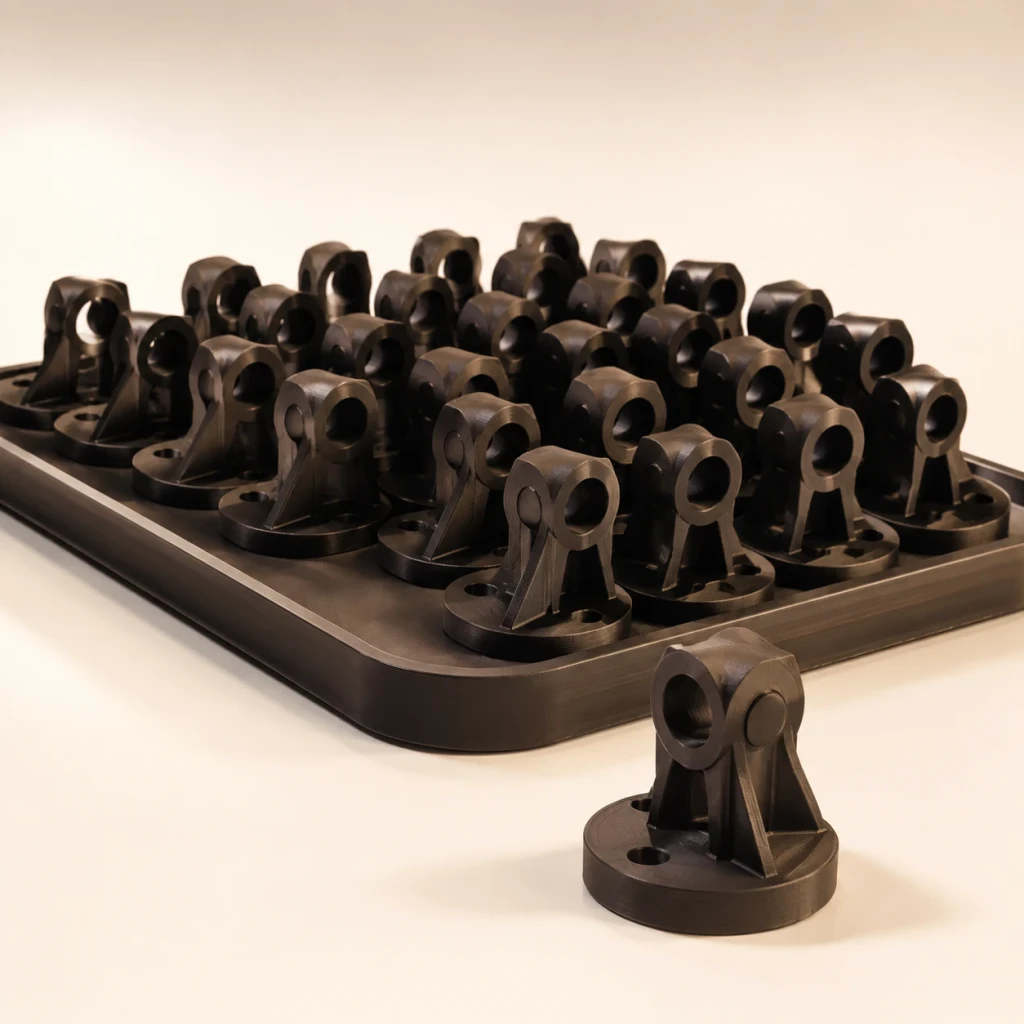
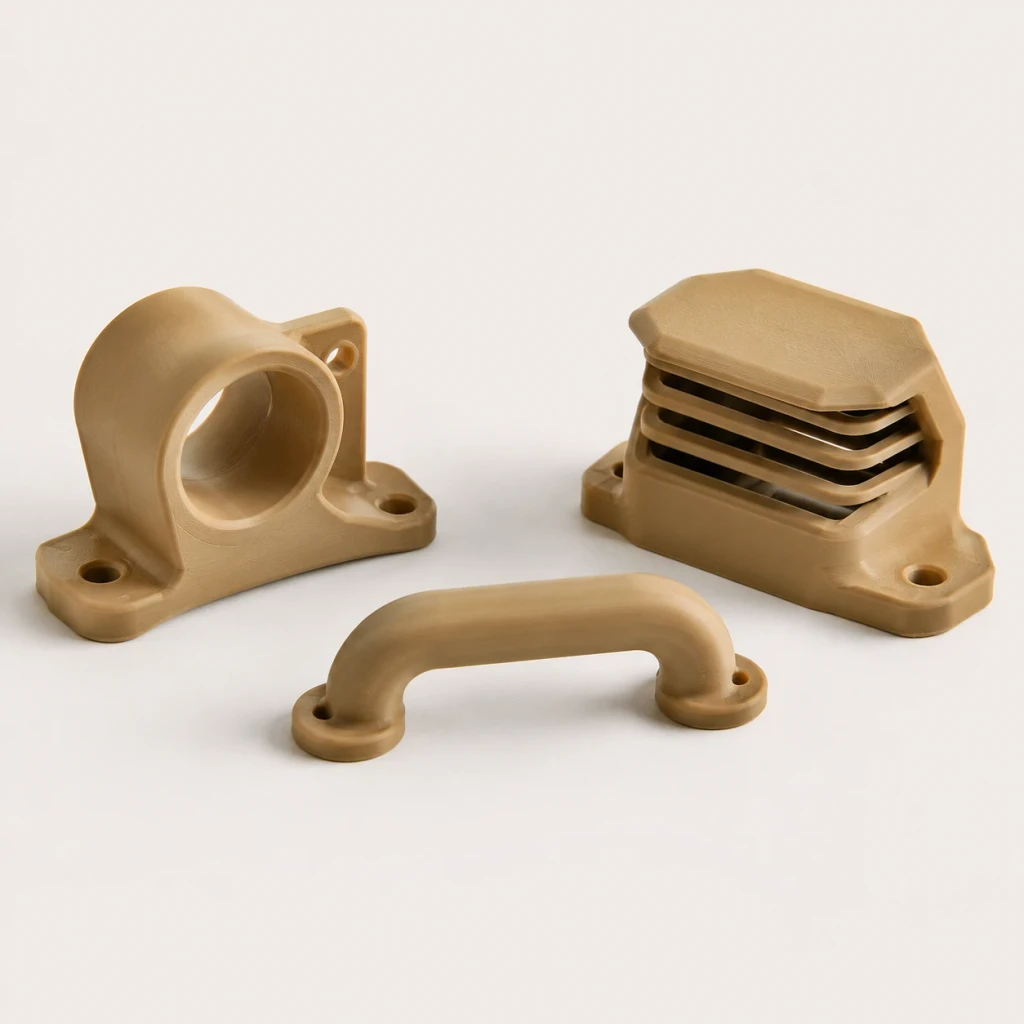
It is the workhorse for functional parts — brackets, hinges, jigs, outdoor enclosures, hydration and food-contact-adjacent containers, and any part that sees water, heat or impact. For very hot environments, choose ABS or ASA instead.
How should I store it and how is it packaged?
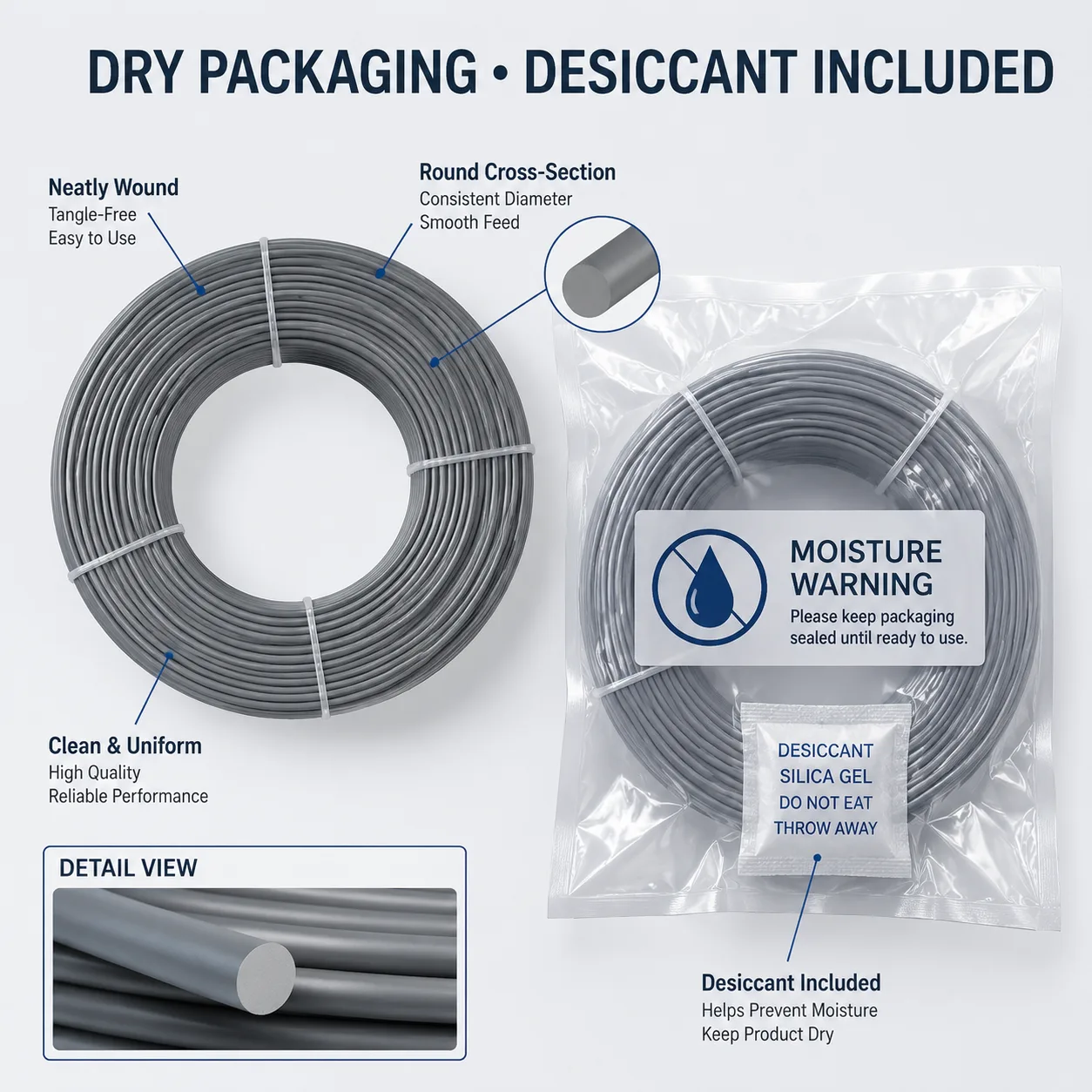
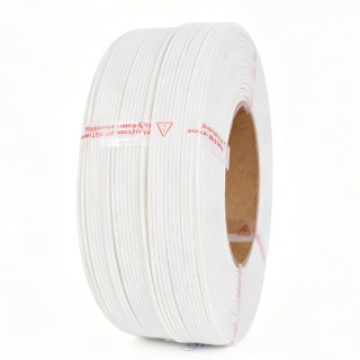
PETG absorbs moisture, so each spool is machine-wound, vacuum-sealed with a desiccant pouch and boxed. Dry it (for example 65°C for a few hours in a filament dryer) if it has been stored open for a long time.

Documentation & Downloads

Everything we publish for this material, in one place.