
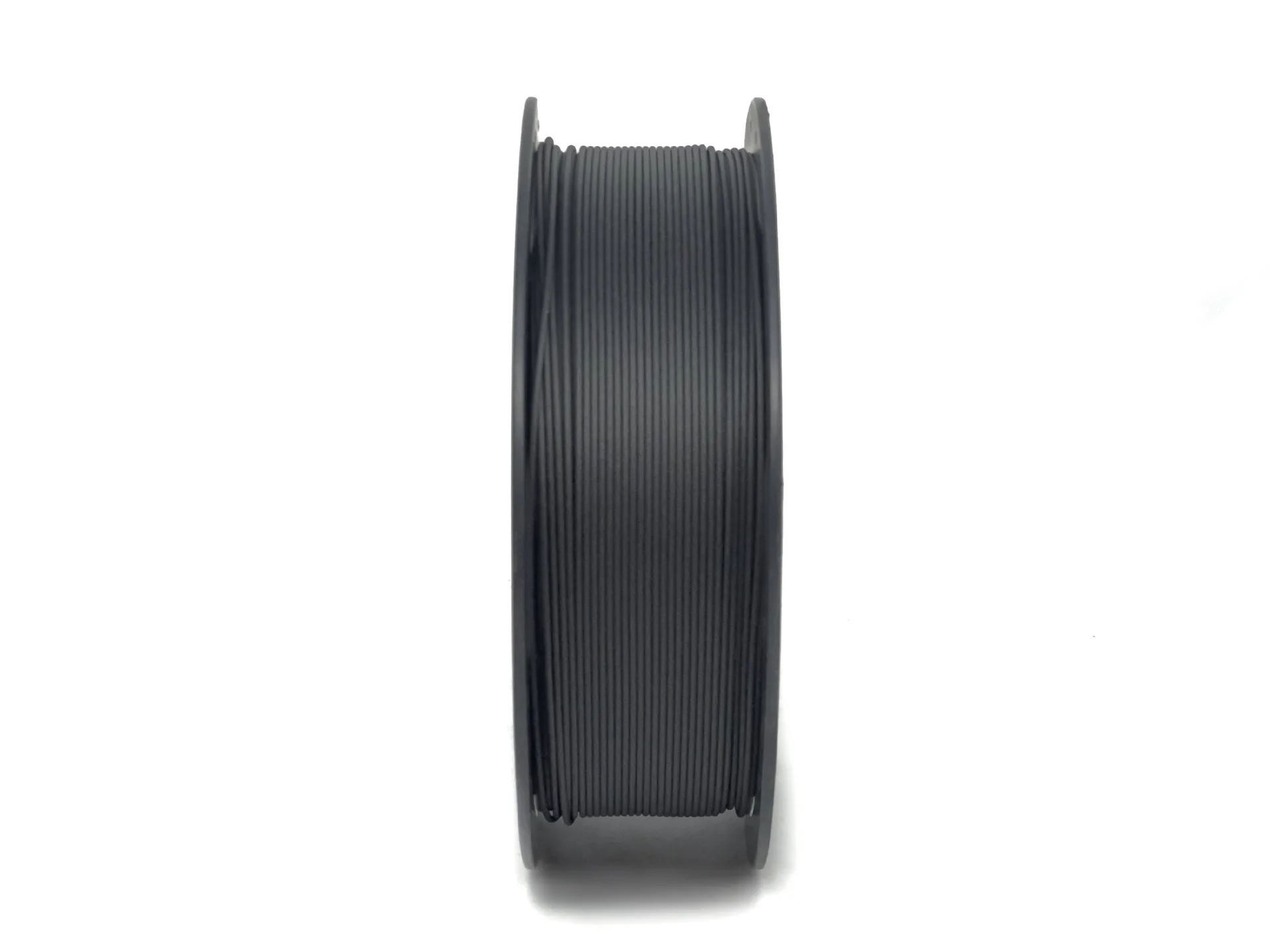
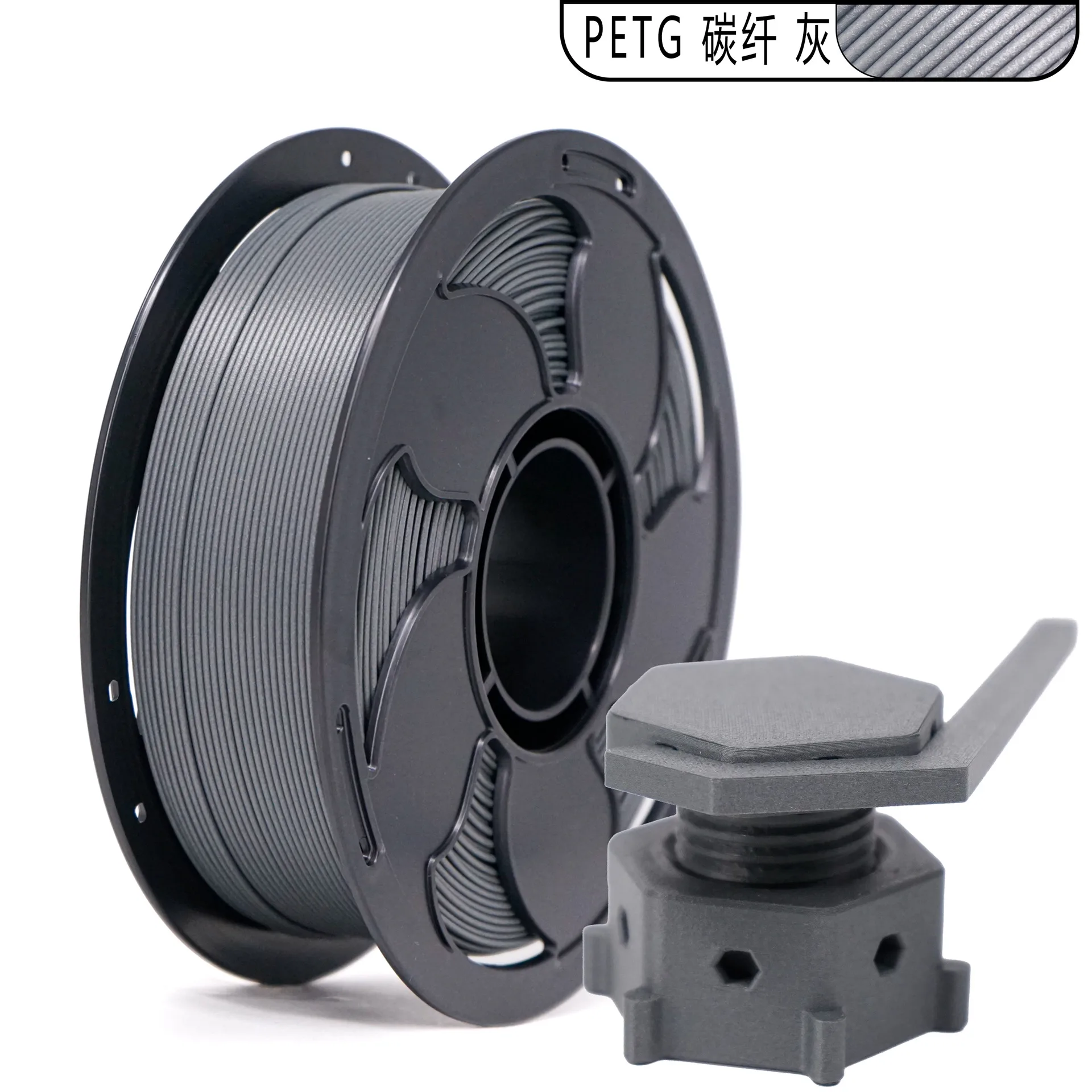
Yiqiu3D PLA CF & PLA GF Filament 1.75 mm 1 kg Fiber-Reinforced

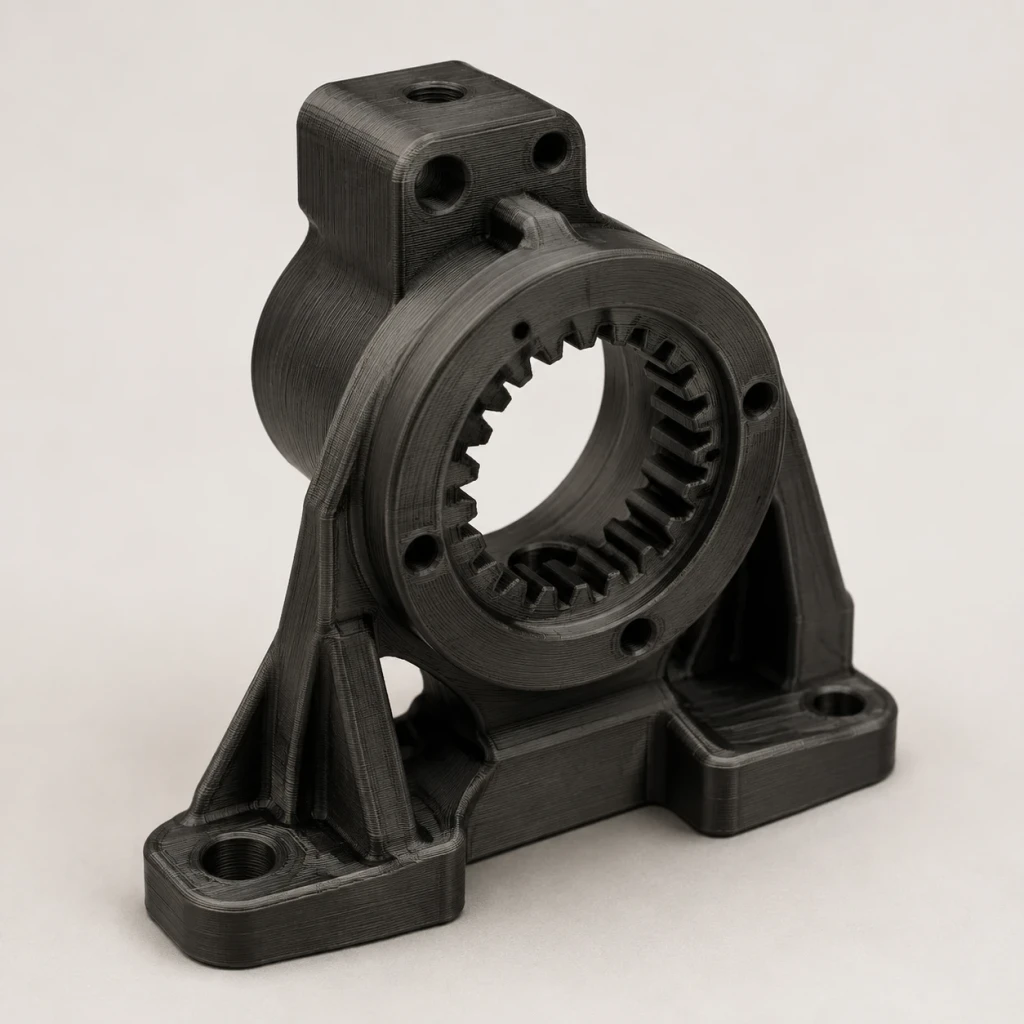
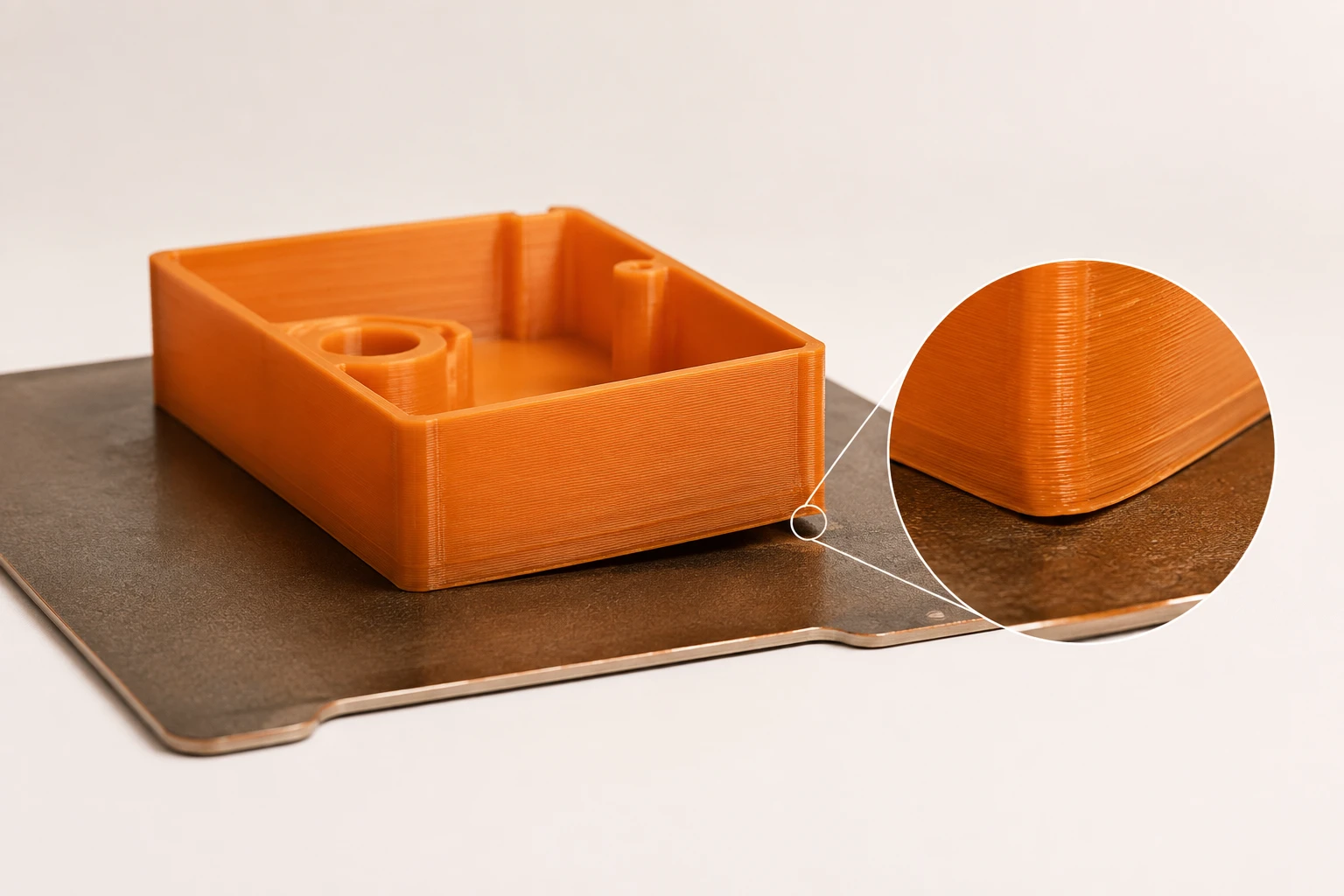
Brand: Yiqiu3D · Thermal shrink is the quiet killer of a printed fixture: the part measures right off the plate, then drifts with temperature and load until the assembly no longer locates. This grade is a fibre-reinforced PLA composite built on glass fibre - the reinforcement lifts rigidity and dimensional stability, so a fixture keeps its geometry in workshop conditions. Fibre-filled filament is abrasive: run a hardened or steel nozzle instead of brass.

  • Clean neutral tones
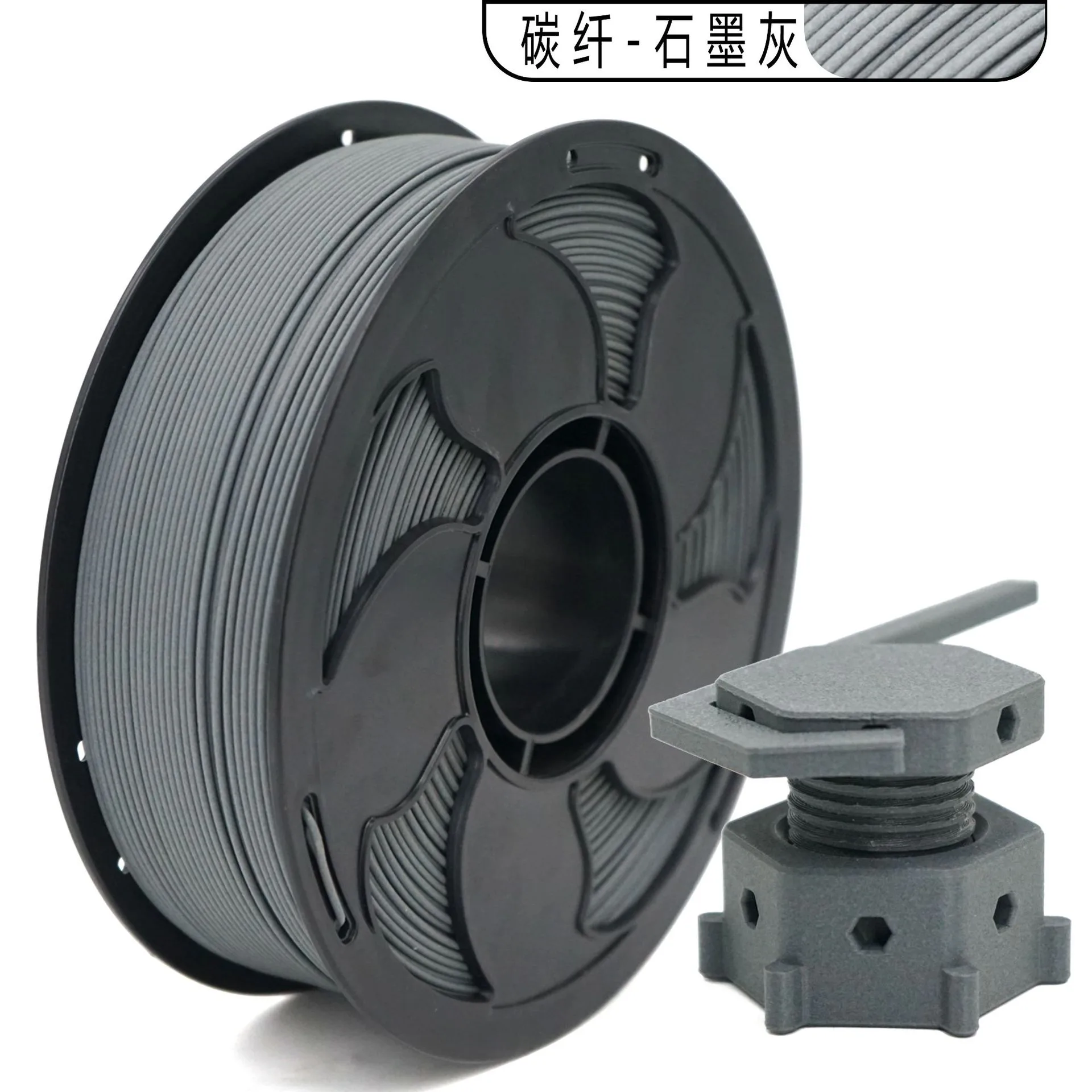
  • the range also carries Gray Glass Fiber and Black Glass Fiber
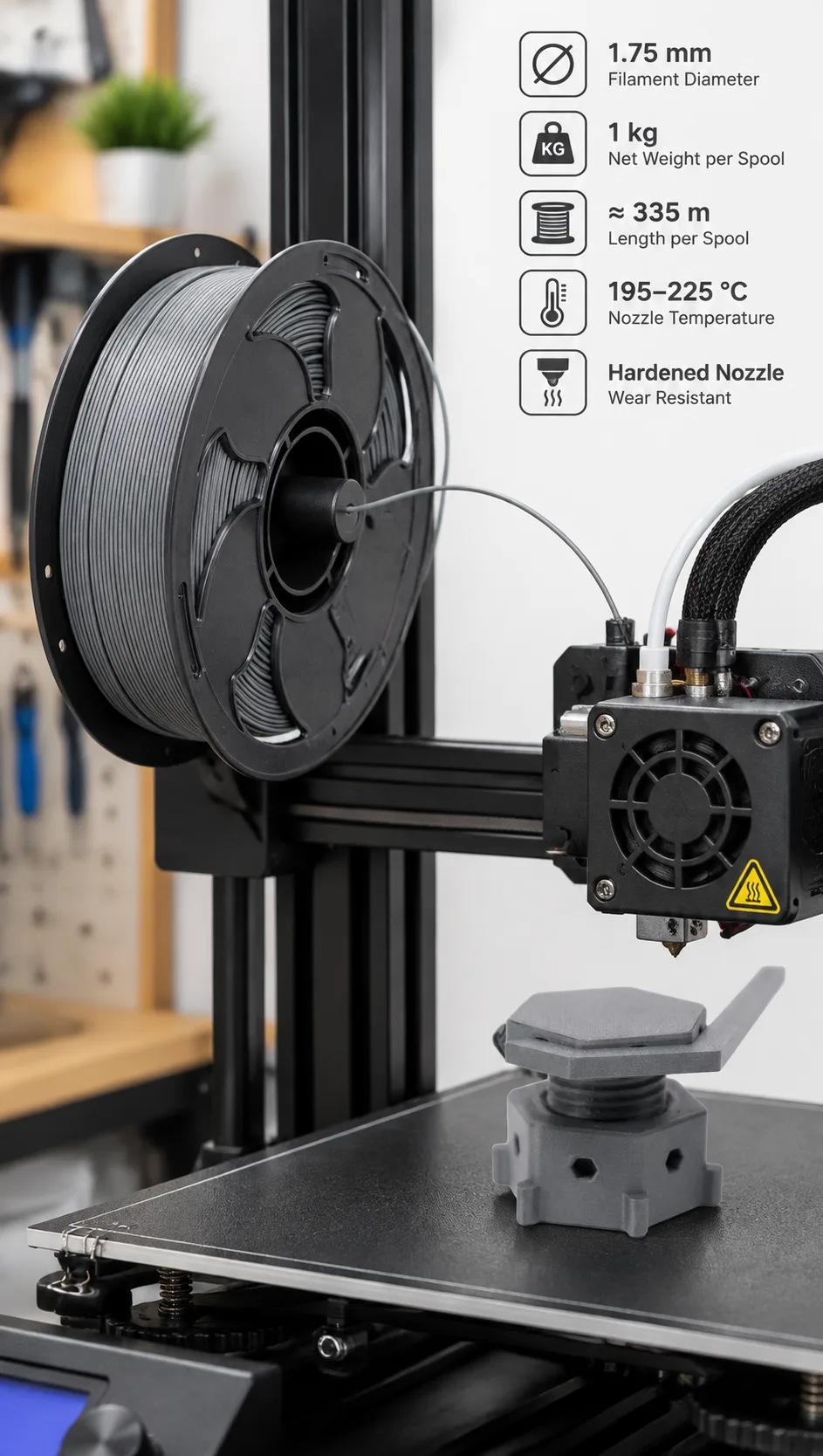
  • A reinforced spool only earns its place if it runs on the hardware already on the floor. This grade prints in the standard PLA window - 195-225 °C nozzle temperature - on ordinary 1.75mm FDM machines
Compare filaments
Diameter 1.75mm
Material PLA
Quick Answer

What is Glass Fiber PLA and when should I choose it over carbon fibre?

It is a PLA composite with glass fibre carried in the matrix. Glass fibre is the usual choice when the job is rigidity and dimensional stability rather than maximum stiffness - fixtures, jigs, alignment blocks and parts that must hold their measurements in workshop conditions. Carbon-filled grades suit jobs where stiffness and creep resistance lead. Both are abrasive composites and both print in the 195-225 °C PLA window with a hardened or steel nozzle.

Full answers below
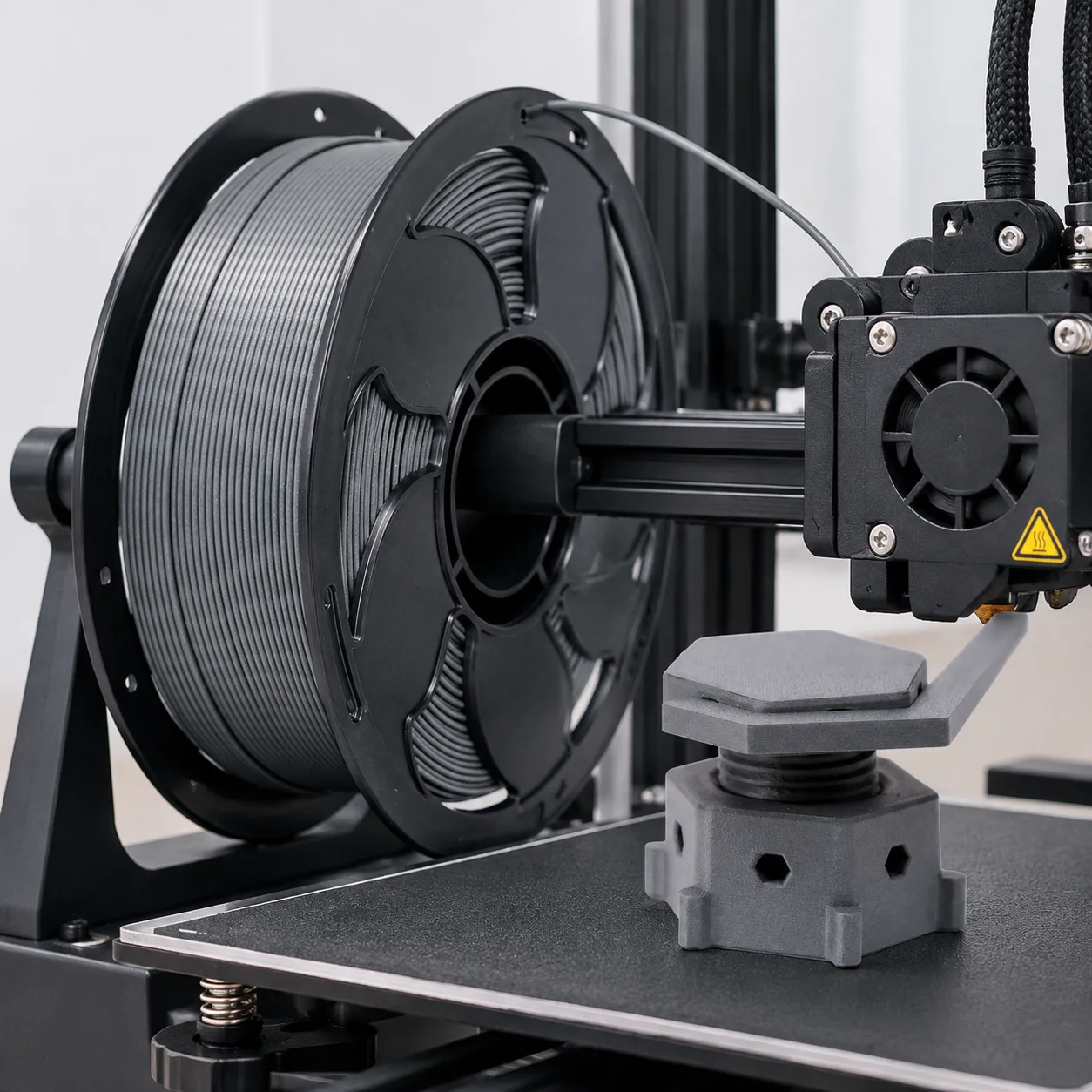
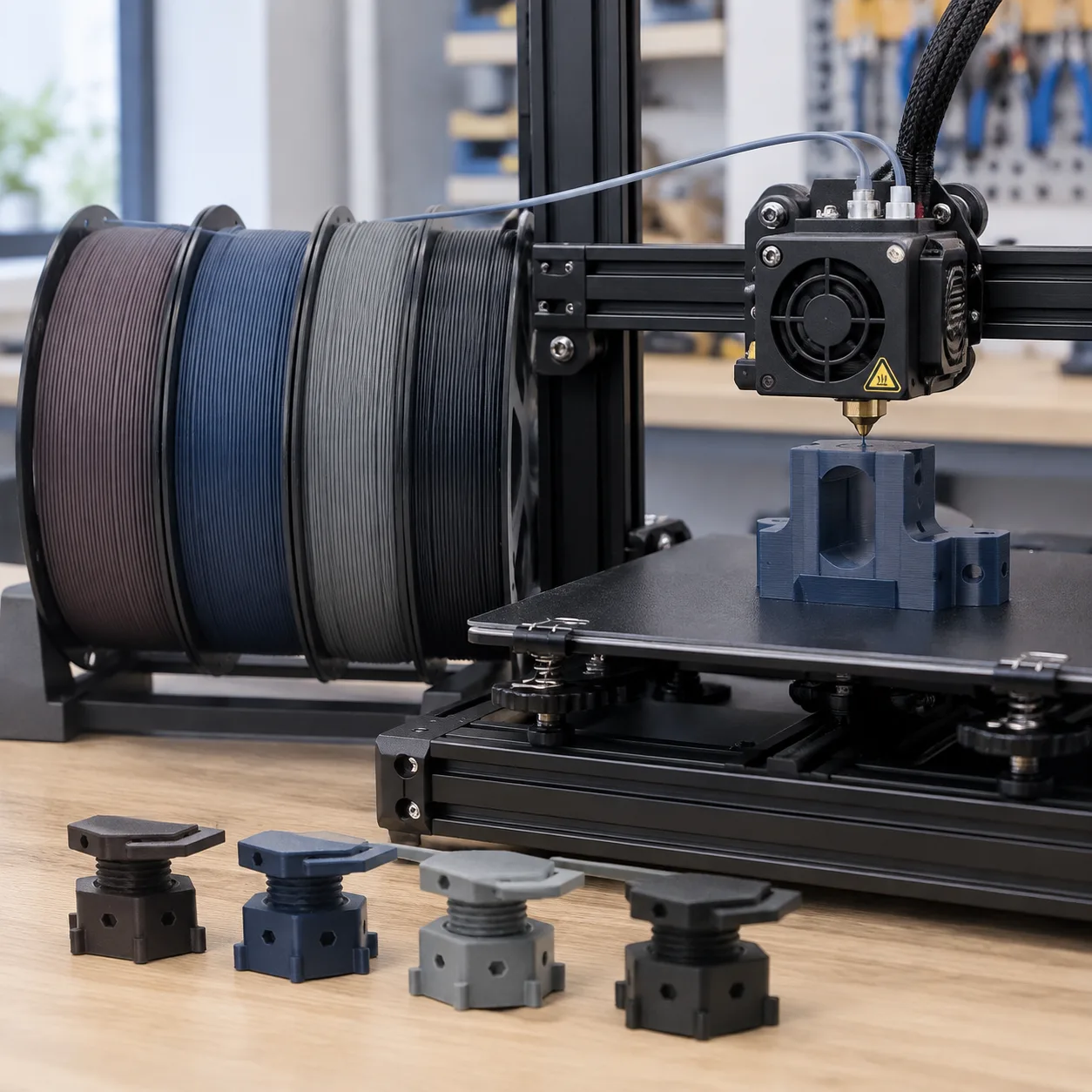
Is it right for my project?

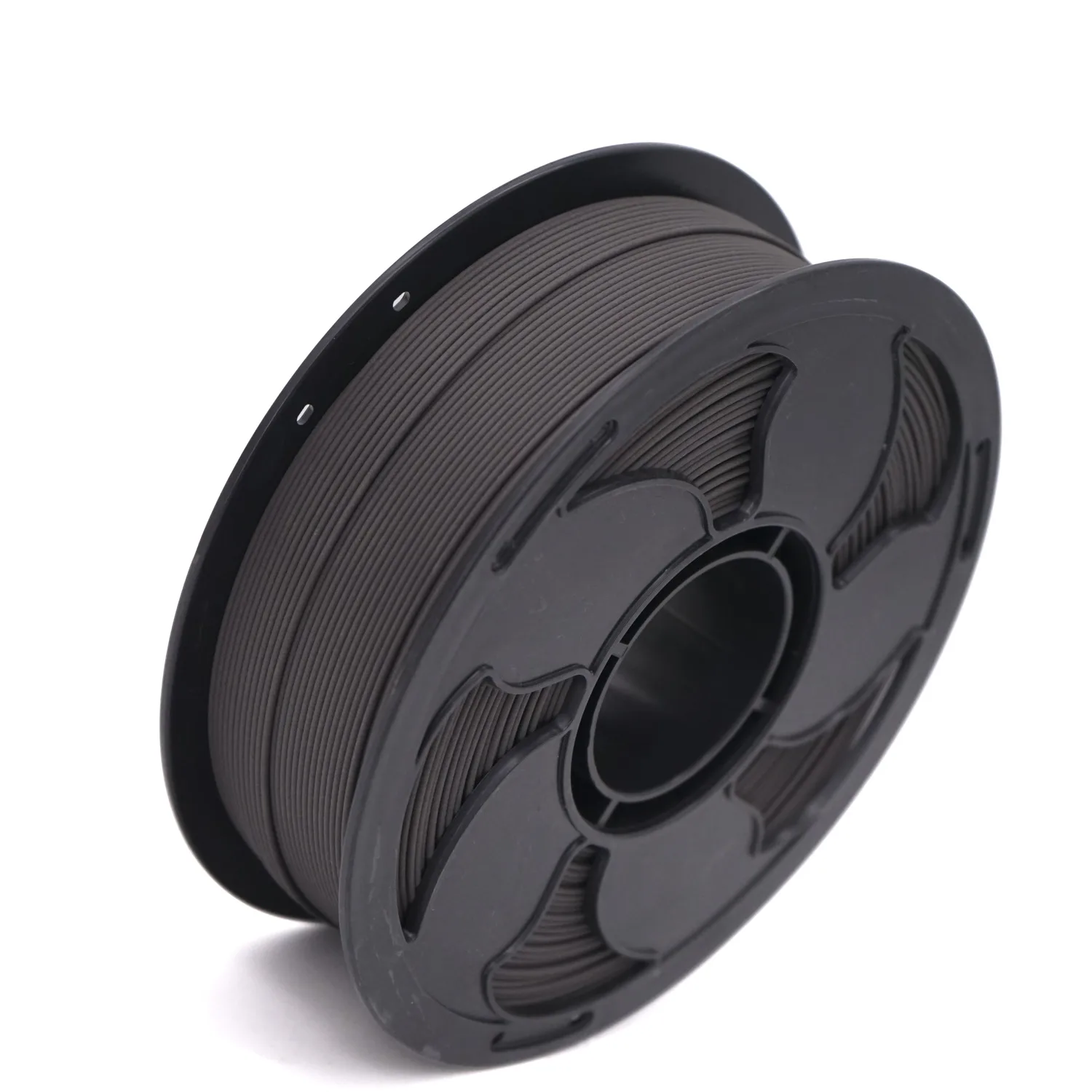
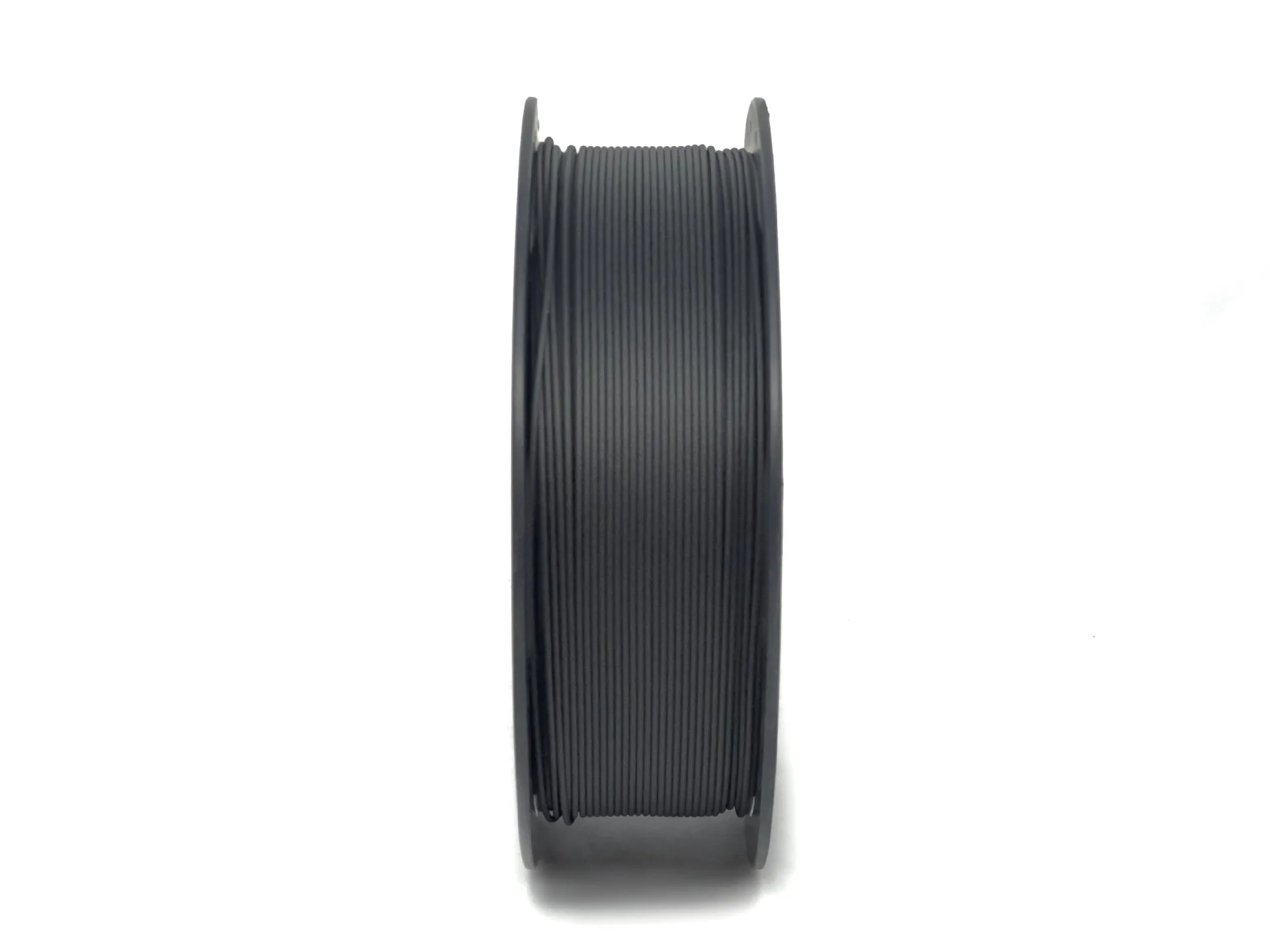
Best for: A cost-effective route for parts that do not face extreme service conditions - available in 9 colours; 1kg spools; lead colour PLA CF Black Carbon Fiber. Not ideal for: Not for high-temperature service; a PC or ASA grade is the better route there - available in 9 colours; 1kg spools; lead colour PLA CF Black Carbon Fiber.

Print settings

Nozzle 195-225°C

01 · Why this one

Product highlights

3 reasons

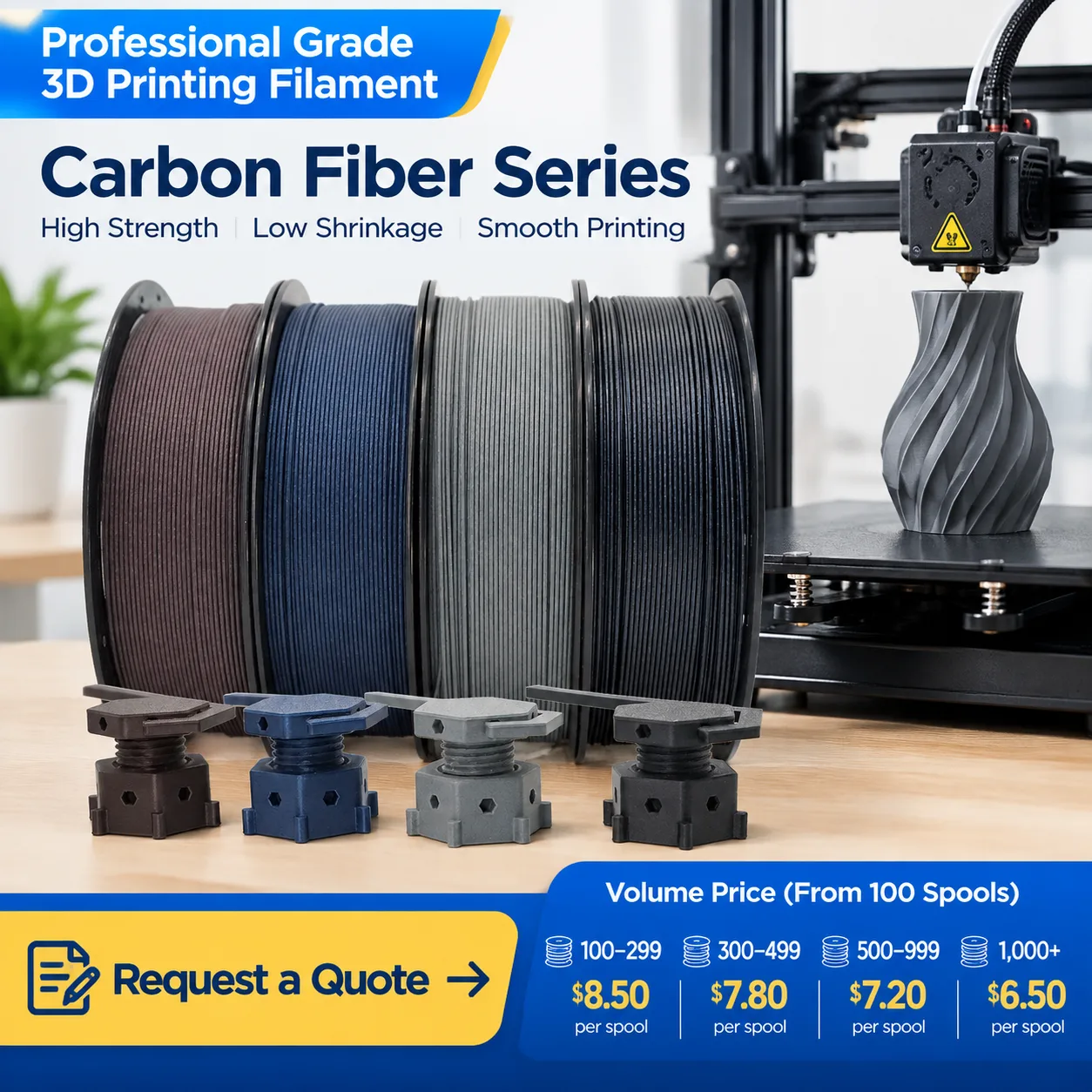
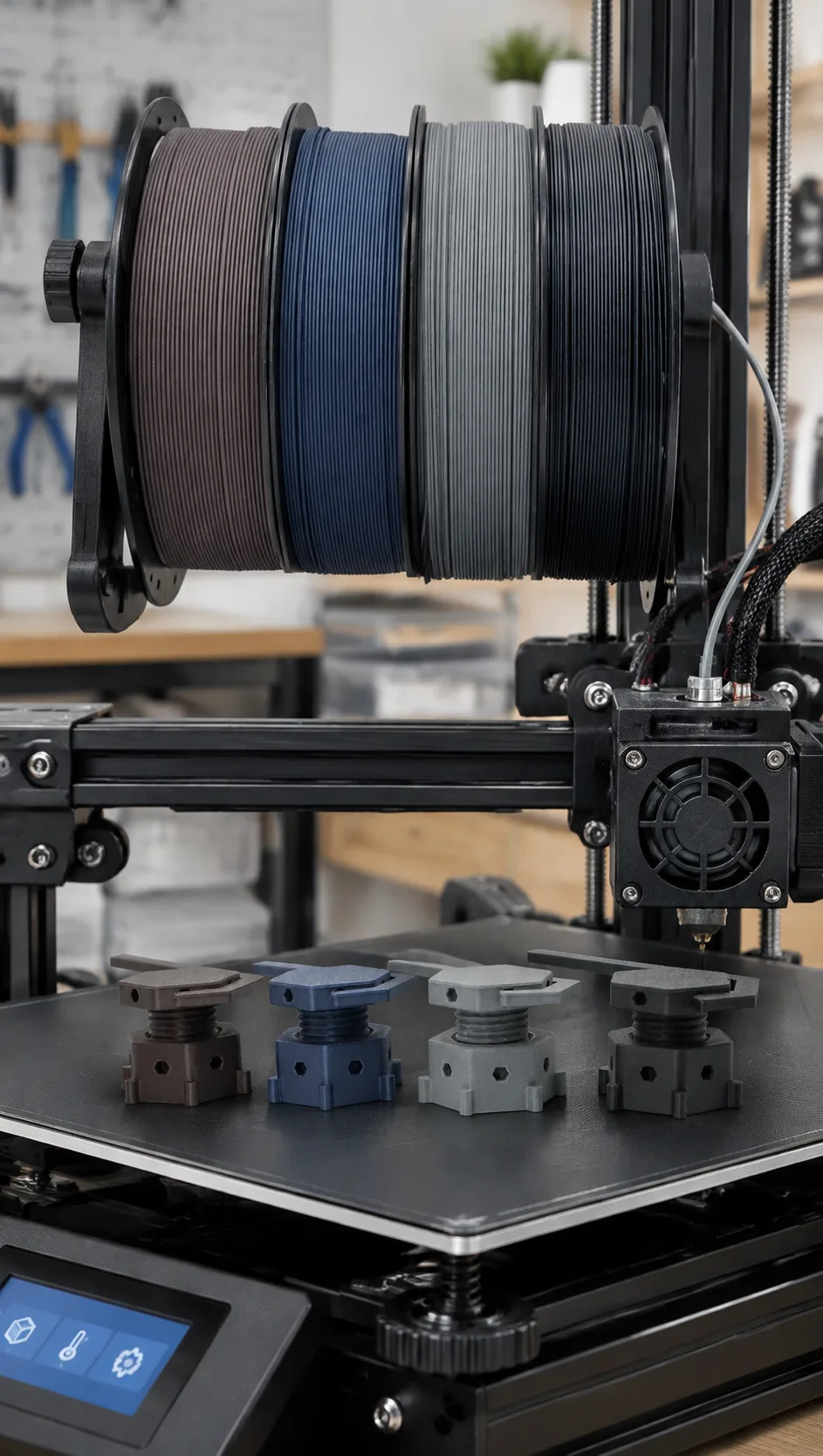
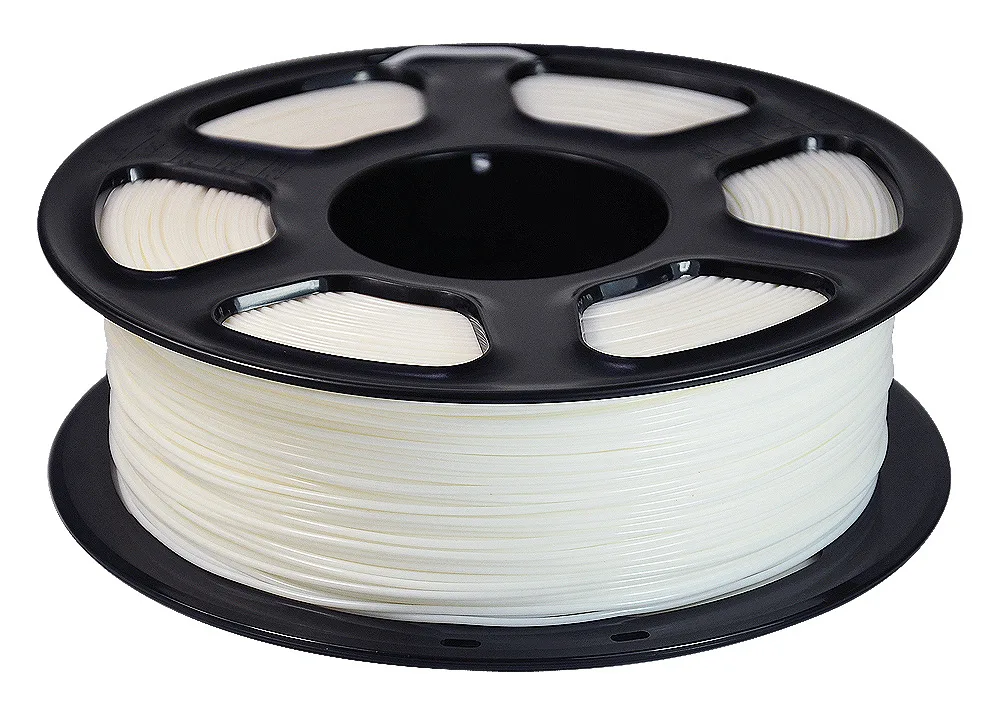
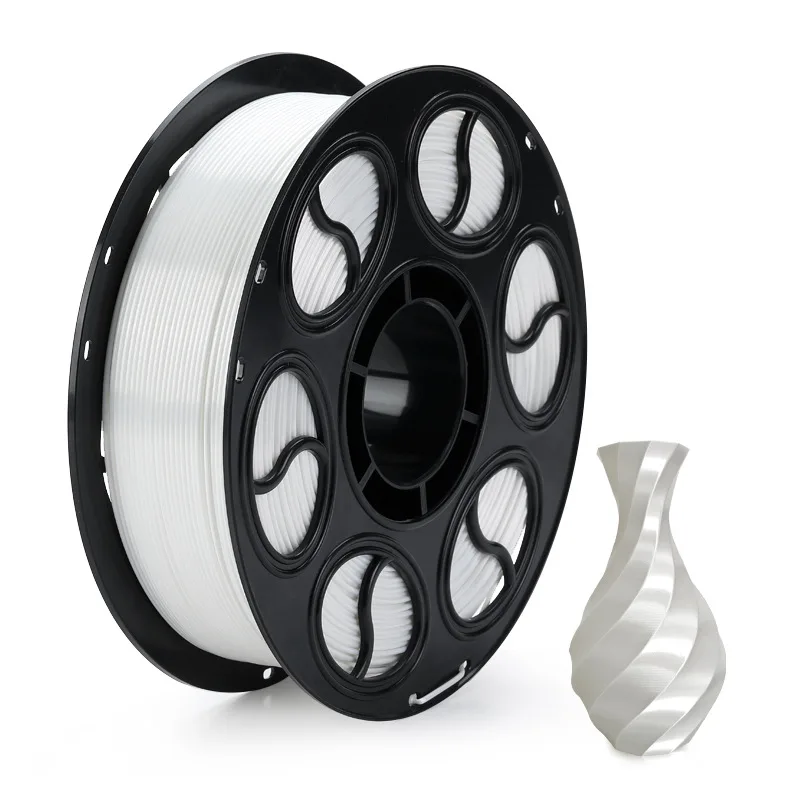
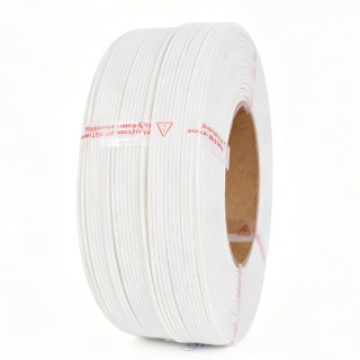
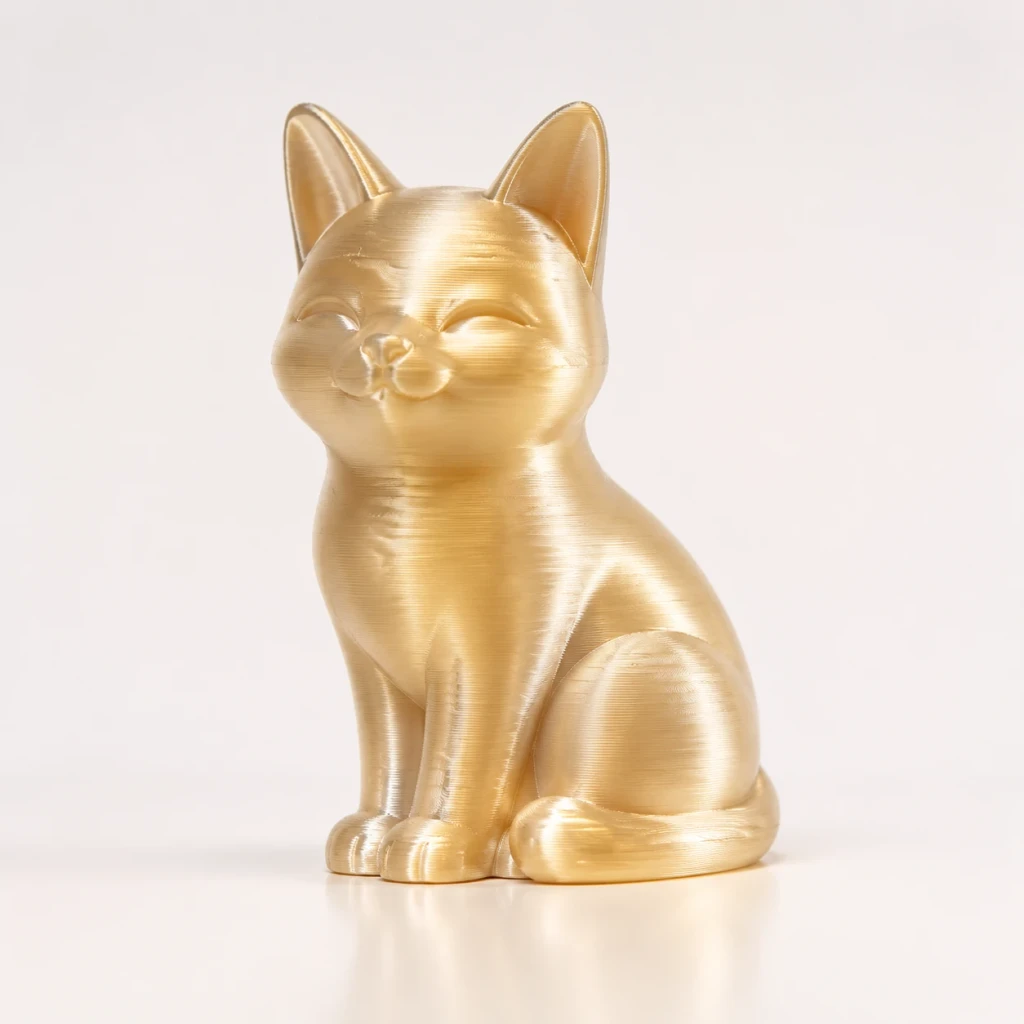
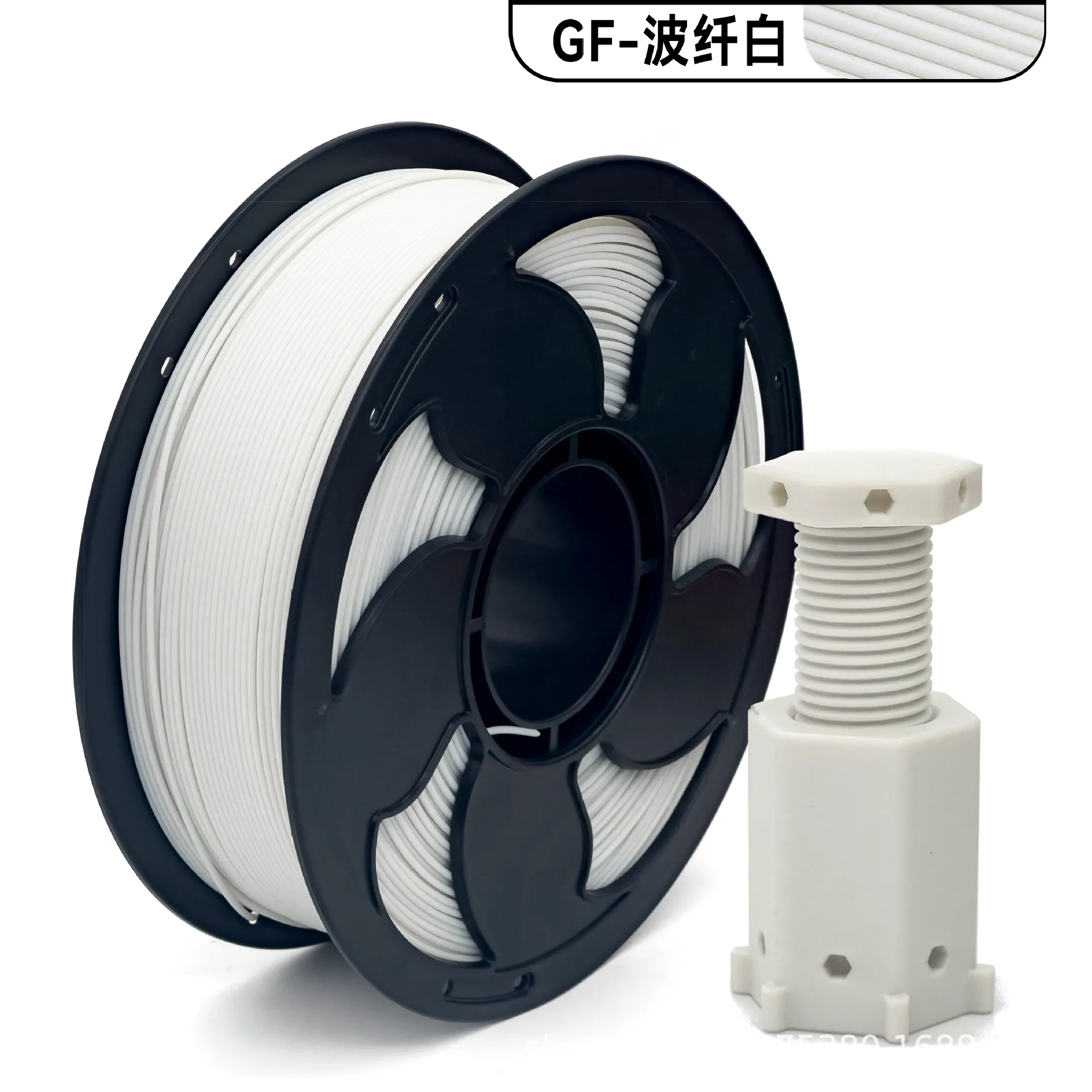
Clean neutral tones, low-gloss rather than bright. The glass-filled wall finishes satin, so a white or grey fixture reads as an engineering part instead of a shiny toy, and the surface takes a marker, a label or a colour code for fixture sets. Lead colour is White Glass Fiber

the range also carries Gray Glass Fiber and Black Glass Fiber, with nine colour options in the full catalogue.

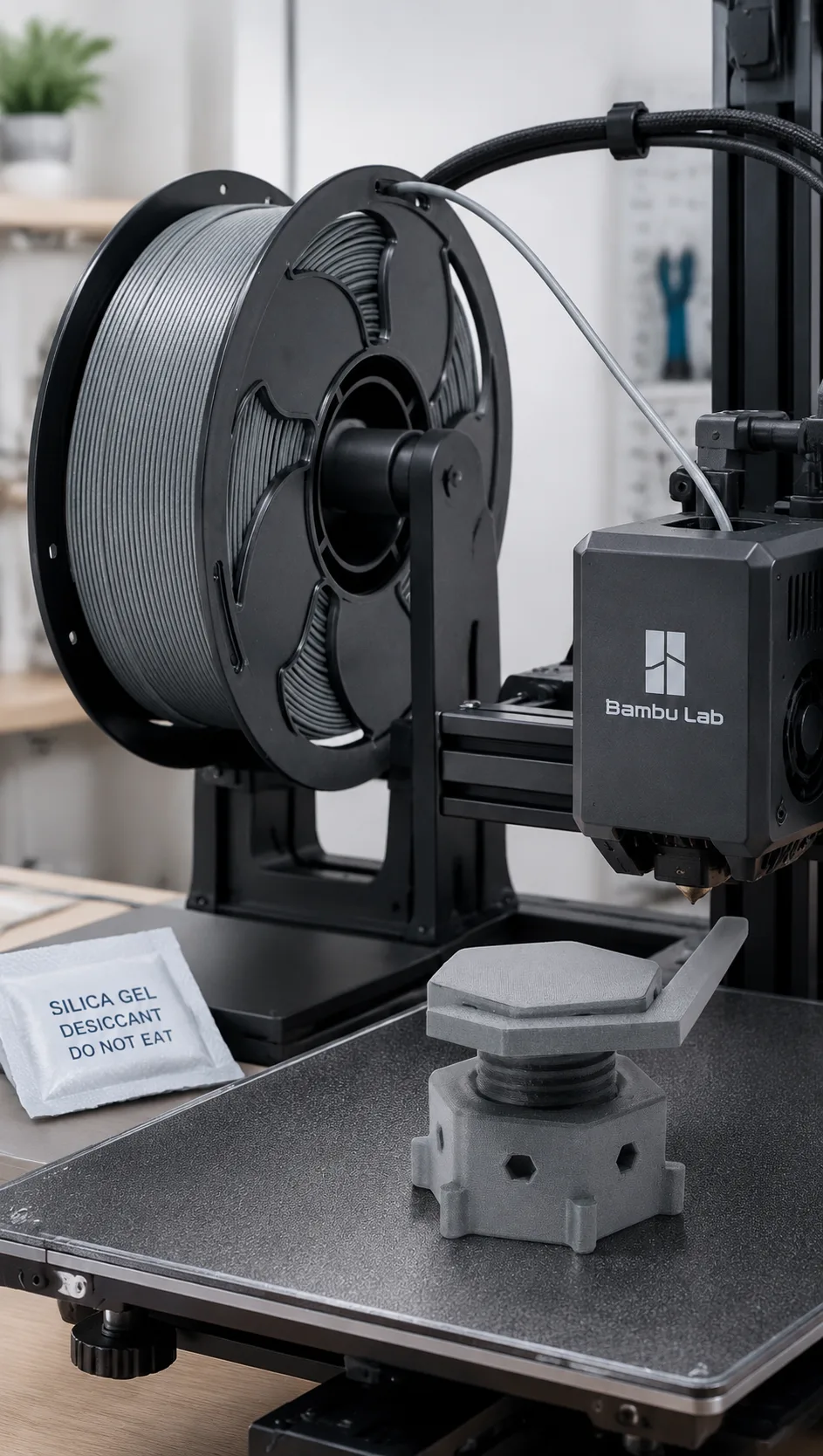
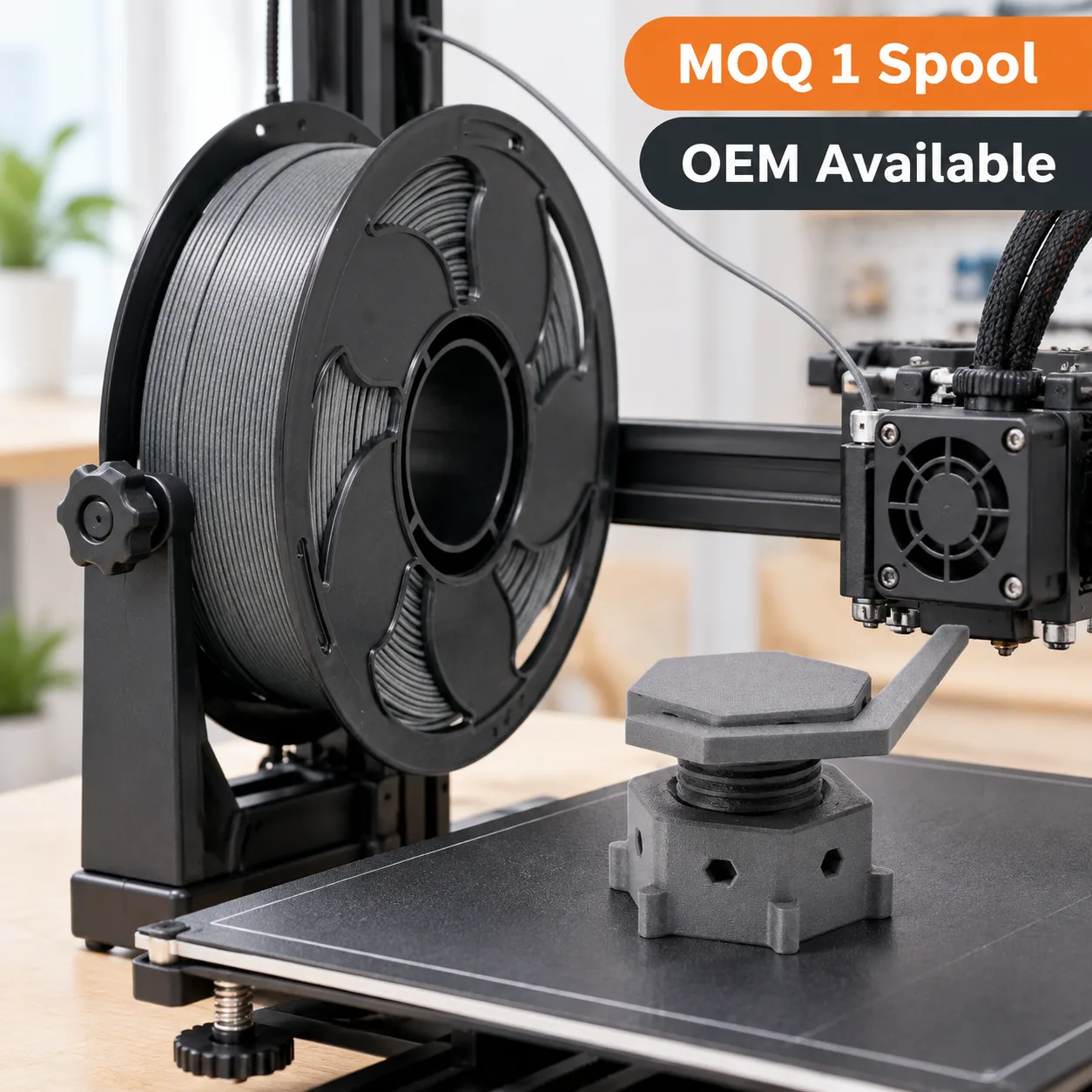
A reinforced spool only earns its place if it runs on the hardware already on the floor. This grade prints in the standard PLA window - 195-225 °C nozzle temperature - on ordinary 1.75mm FDM machines, so the only change is a hardened or steel nozzle for the abrasive fill. Vacuum-sealed spools keep the strand dry on arrival, which is what makes stiffness predictable instead of batch-luck.

Technical Data

Specifications

Diameter 1.75mm
Material PLA

Print Profile

Yiqiu3D PLA CF & PLA GF Filament 1.75 mm 1 kg Fiber-Reinforced prints best at 195-225°C nozzle.

Nozzle Temp195-225°C

Spool Specification

Spool details for your feeding and handling setup.

Gross Weight1.35 kg
Lengthapprox. 335m
Spool Size (L×W×H)21 × 21 × 7 cm
Pack FormatPiece
Spool TypeRound Spool

What You Receive

A reinforced spool only earns its place if it runs on the hardware already on the floor. This grade prints in the standard PLA window - 195-225 °C nozzle temperature - on ordinary 1.75mm FDM machines, so the only change is a hardened or steel nozzle for the abrasive fill. Vacuum-sealed spools keep the strand dry on arrival, which is what makes stiffness predictable instead of batch-luck.

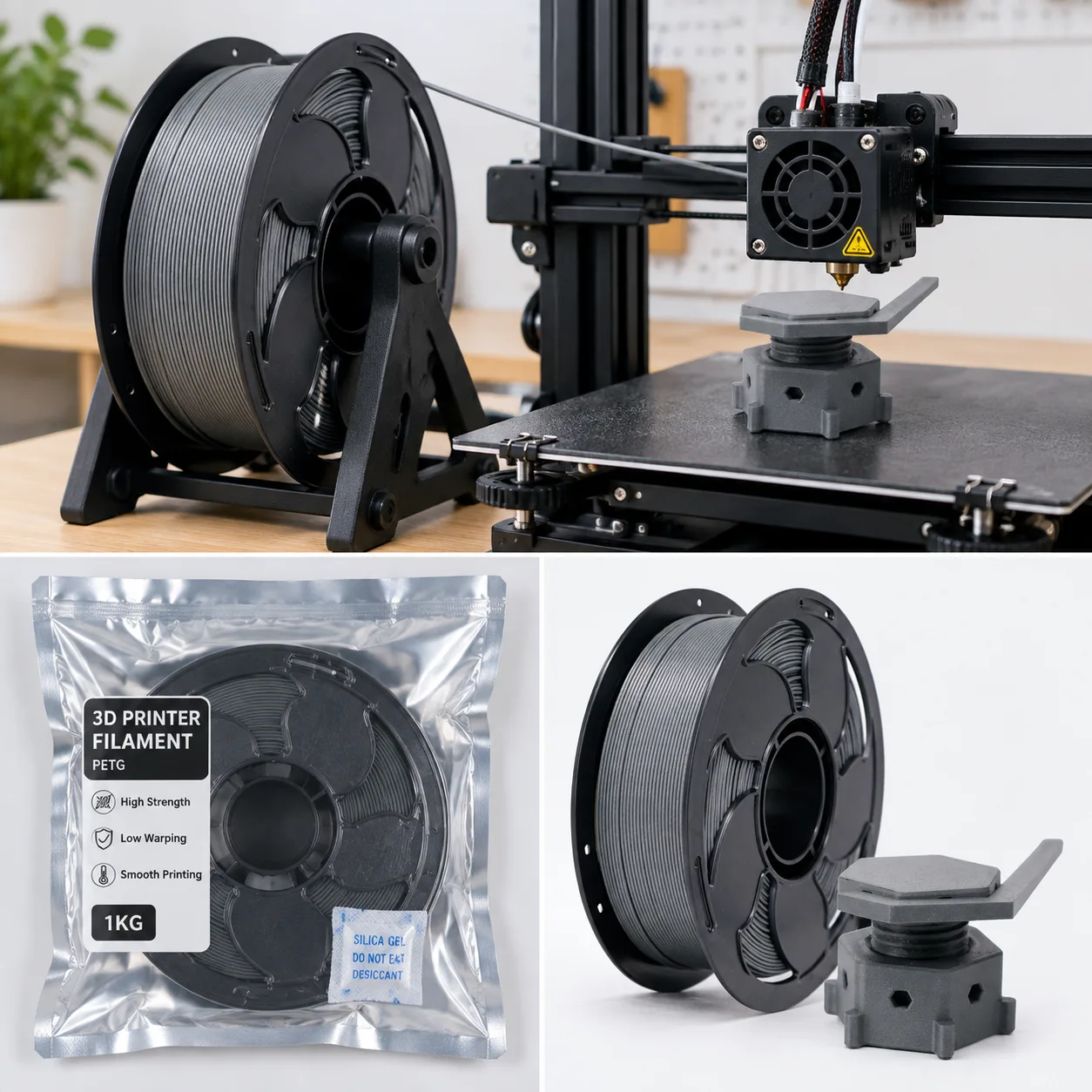
  • Vacuum-sealed bag
  • Desiccant pack
  • Arrives dry and ready to print

Attributes

Country / Regionchina
HS Code39169050
Item No.pla-cf-pla-gf-mm-kg
Diameter 1.75mm
Length approx. 335m
Appearance Round Spool
Diameter 1.75mm
Length approx. 335m
Appearance Round Spool
Before You Ask

Frequently Asked Questions

What is Glass Fiber PLA and when should I choose it over carbon fibre?
It is a PLA composite with glass fibre carried in the matrix. Glass fibre is the usual choice when the job is rigidity and dimensional stability rather than maximum stiffness - fixtures, jigs, alignment blocks and parts that must hold their measurements in workshop conditions. Carbon-filled grades suit jobs where stiffness and creep resistance lead. Both are abrasive composites and both print in the 195-225 °C PLA window with a hardened or steel nozzle.
Which printers and nozzles does this filament run on?
Any standard 1.75mm FDM printer with a PLA-capable hotend - Bambu Lab, Creality, Prusa, Elegoo and similar. Because the glass fill is abrasive, we recommend a hardened or steel nozzle rather than brass, with normal wear-part replacement intervals. No firmware or profile change is needed; slice it on your usual PLA settings and tune the temperature inside 195-225 °C.
What print temperature should I use?
Nozzle temperature 195-225 °C. Print toward the middle of that window for a balanced layer bond and surface finish, and move within it to suit detail or strength. With a hardened or steel nozzle the flow stays stable across the range. Let the part cool on the plate before removal, so the dimensionally stable geometry is not stressed while the wall is still soft.
How much filament is on one spool, and how far does it go?
1 kg net filament per spool in 1.75mm diameter - approximately 335 metres of strand. Real mileage depends on wall count, infill and model density, so use your slicer estimate for the specific fixture rather than an average. The wind is consistent from the first metre to the last, which matters on long prints where a single tangle can scrap the part.
Which colours are available in this range?
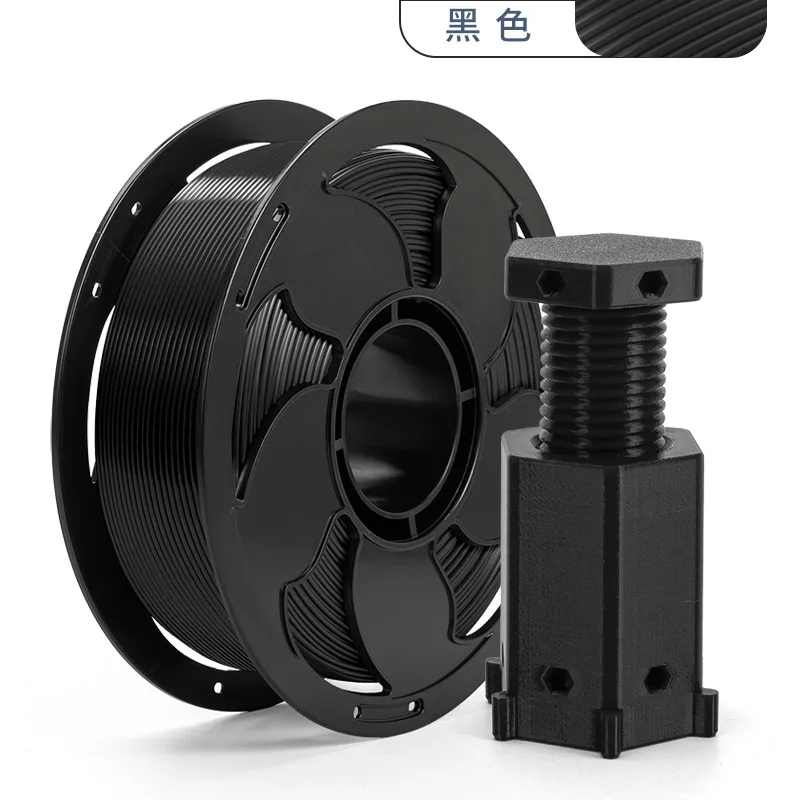
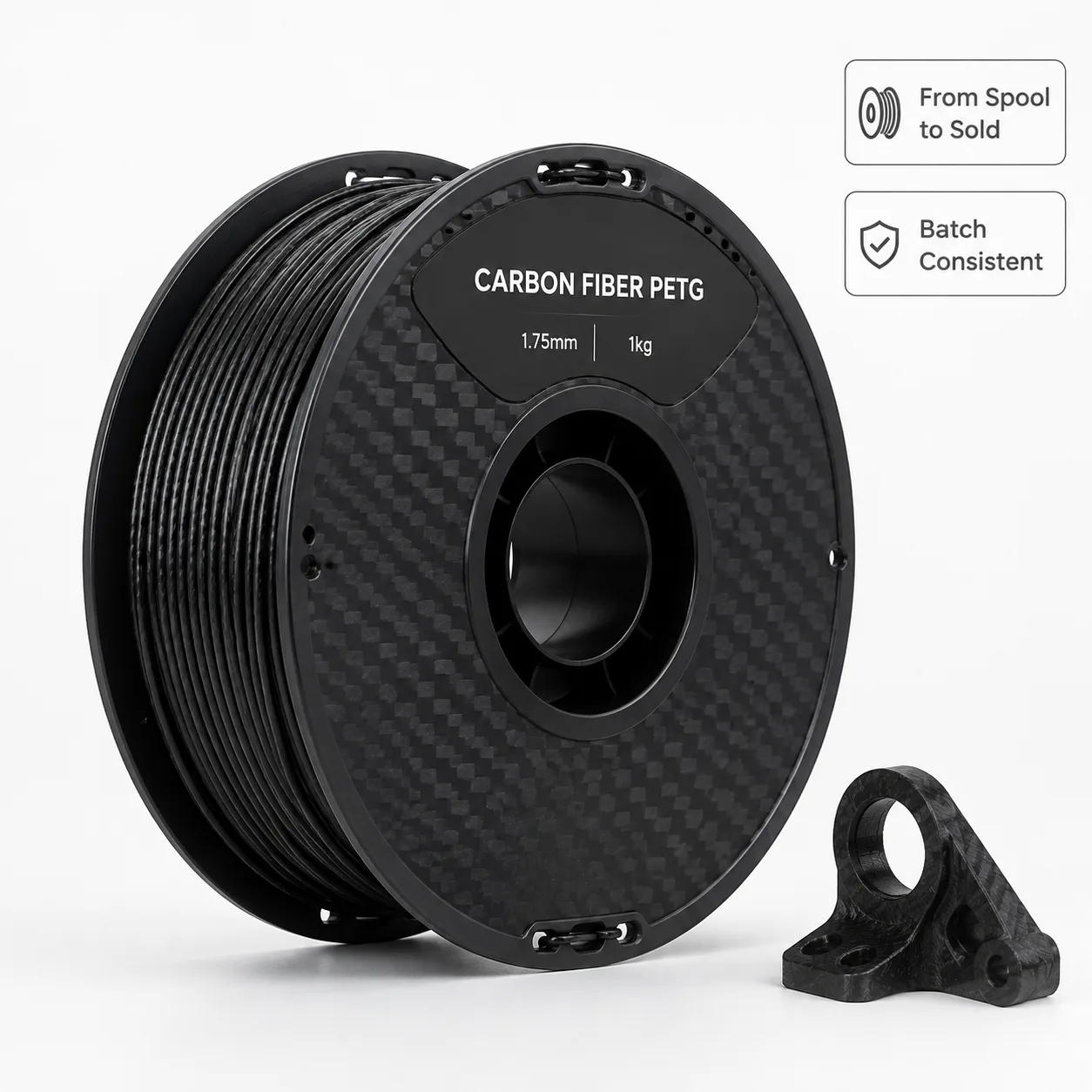
The glass-fibre colours are White Glass Fiber (lead colour), Gray Glass Fiber and Black Glass Fiber; the same catalogue also covers carbon-fibre colours in Black, Graphite Gray, Cyan and Mocha - nine colour options in total. Glass-filled colours are satin, not glossy. Send us the colour mix you need and we will confirm the closest available match.
What are the typical applications for glass fibre reinforced PLA?
Jigs, fixtures, alignment and locating blocks, brackets, enclosures and functional parts that must stay accurate in an indoor workshop. It is also used for assembly aids and repeat-use production tooling where a plain PLA part would relax out of tolerance. It is not a certified structural grade and is not for safety-critical or high-temperature service - tell us the duty and we will advise on the grade.
How is the filament packed and stored?
Each spool is vacuum-sealed with a desiccant sachet, so it arrives dry and ready to print. Store unopened spools between 15 and 25 °C away from direct sunlight, and reseal the bag or move the spool to a dry container after opening. A glass-filled strand that has absorbed moisture pops at the nozzle and prints a rougher, weaker wall, so keep opened spools sealed.

Documentation & Downloads

Everything we publish for this material, in one place.

Ready to Order

Get factory-direct pricing on Yiqiu3D PLA CF & PLA GF Filament 1.75 mm 1 kg Fiber-Reinforced

Not sure this is the right material? → Compare filaments