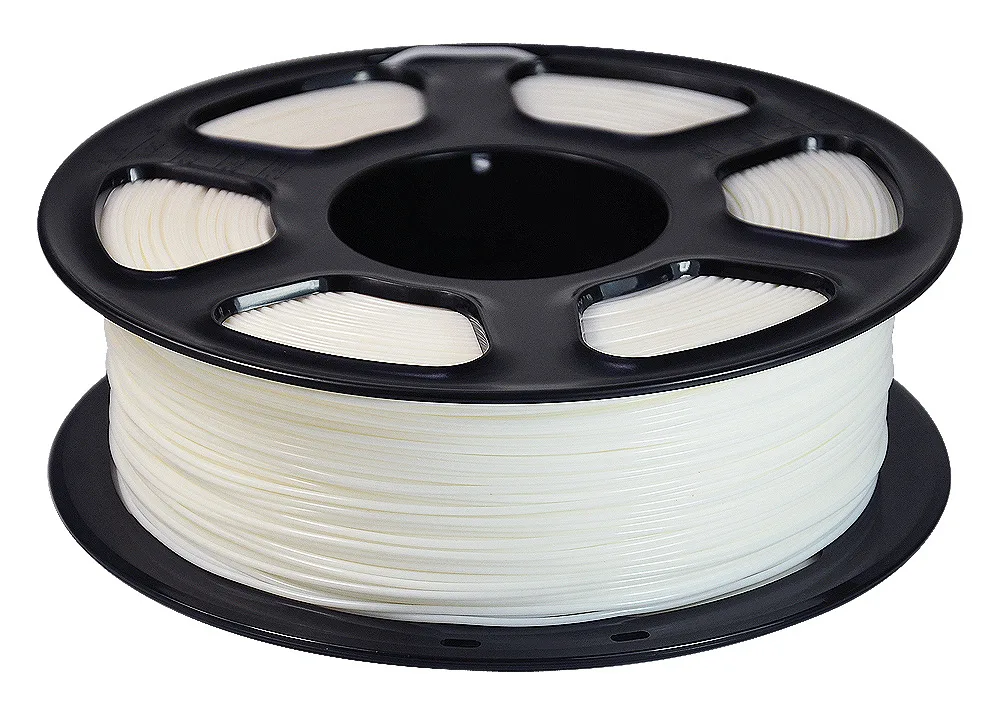
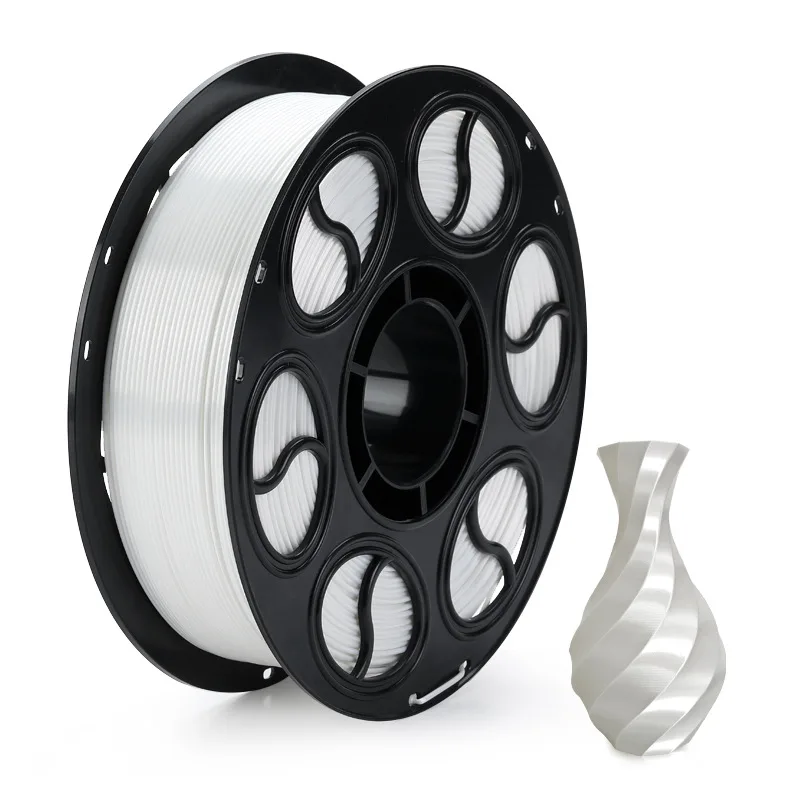
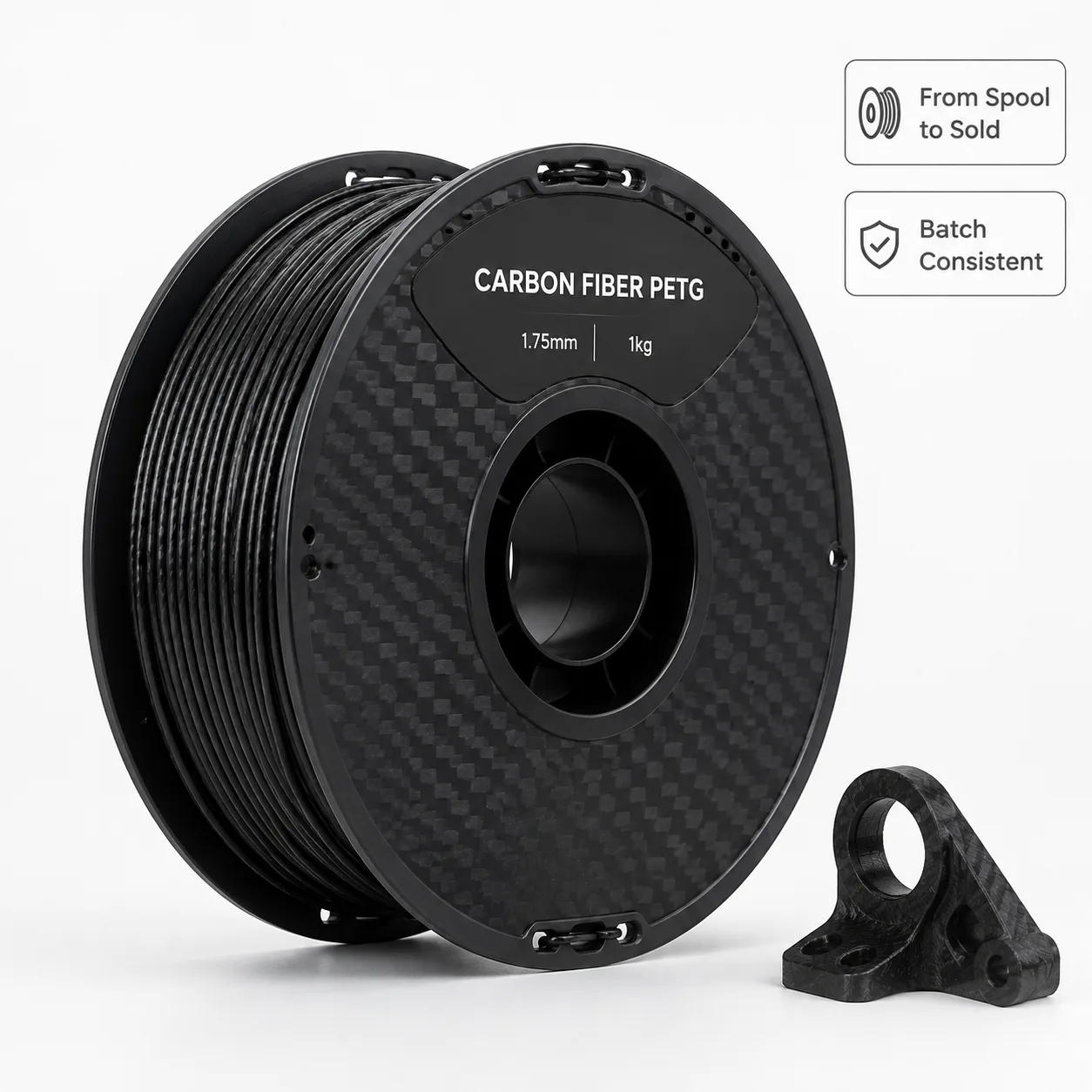
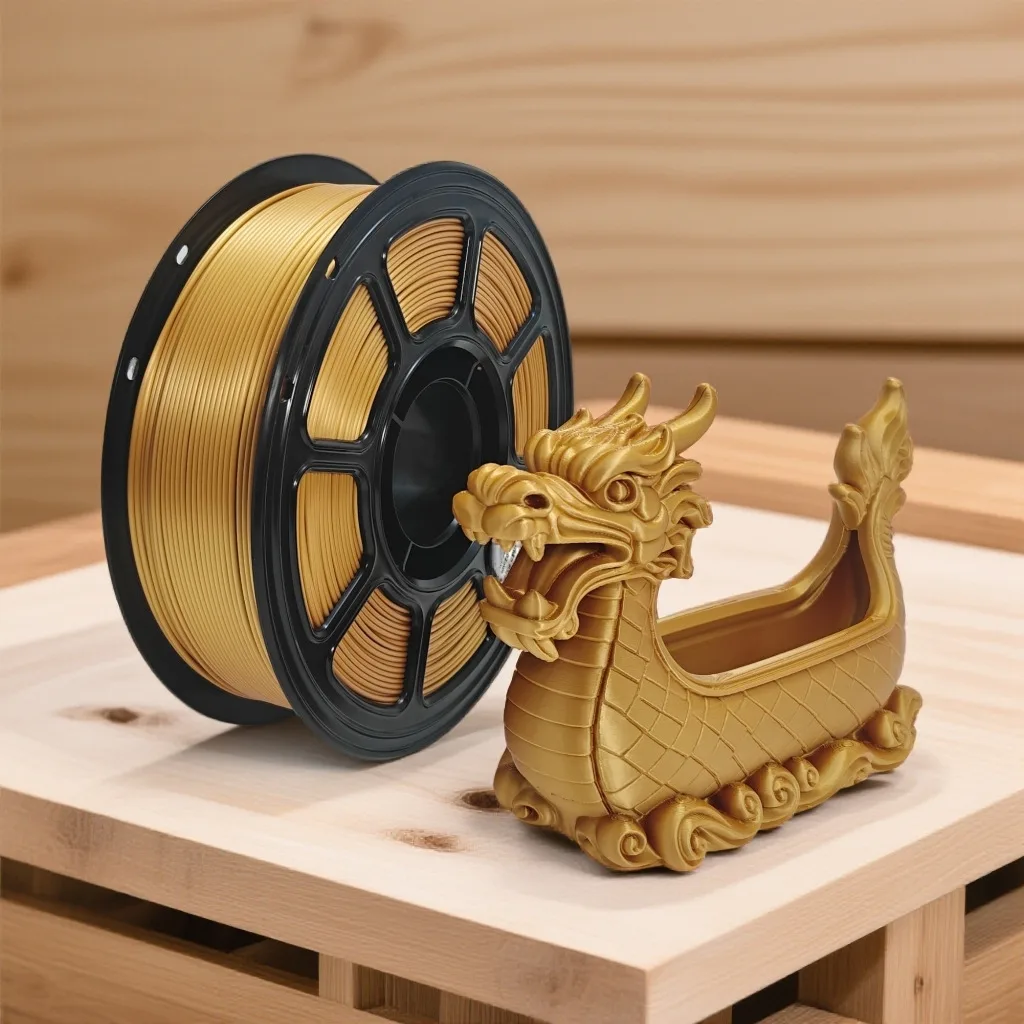
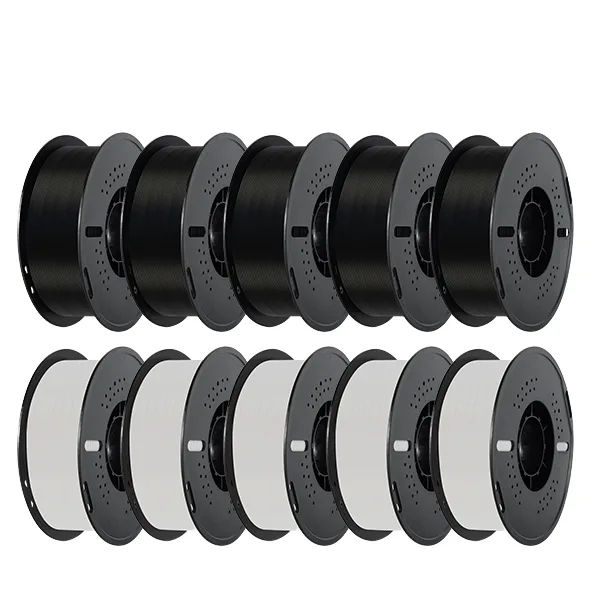
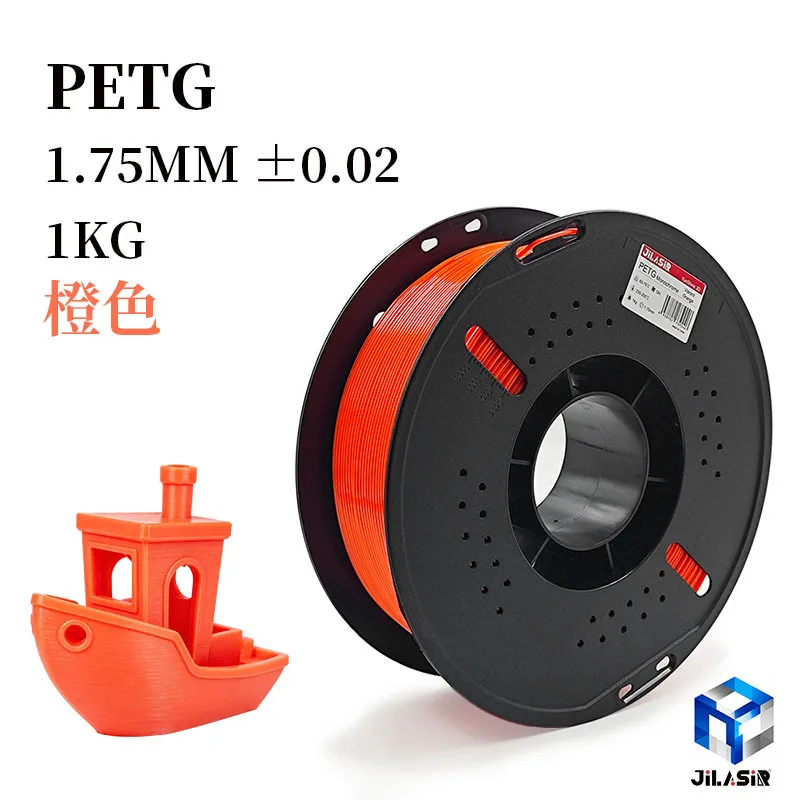
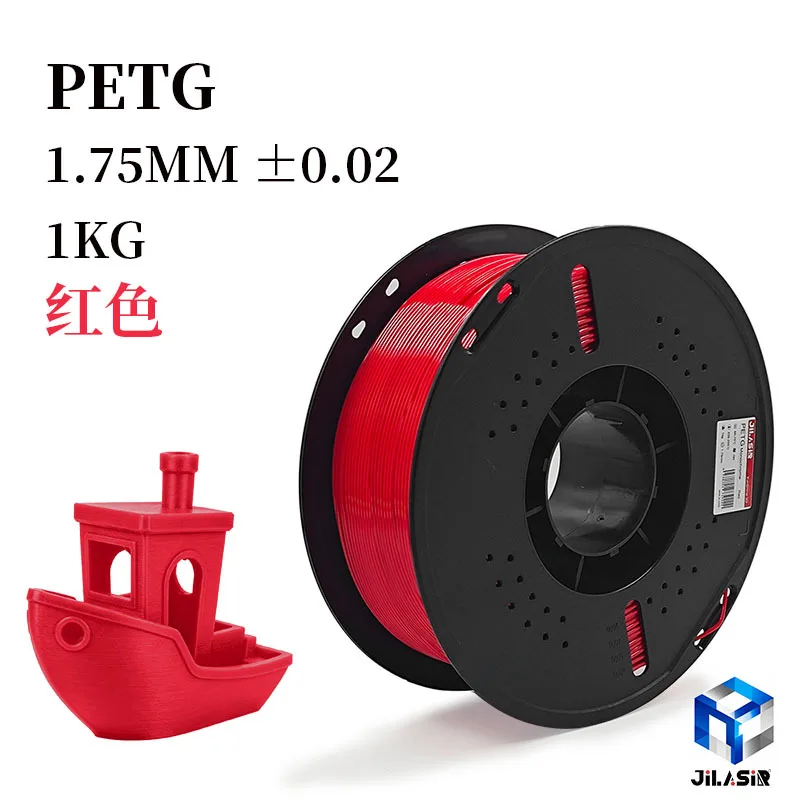
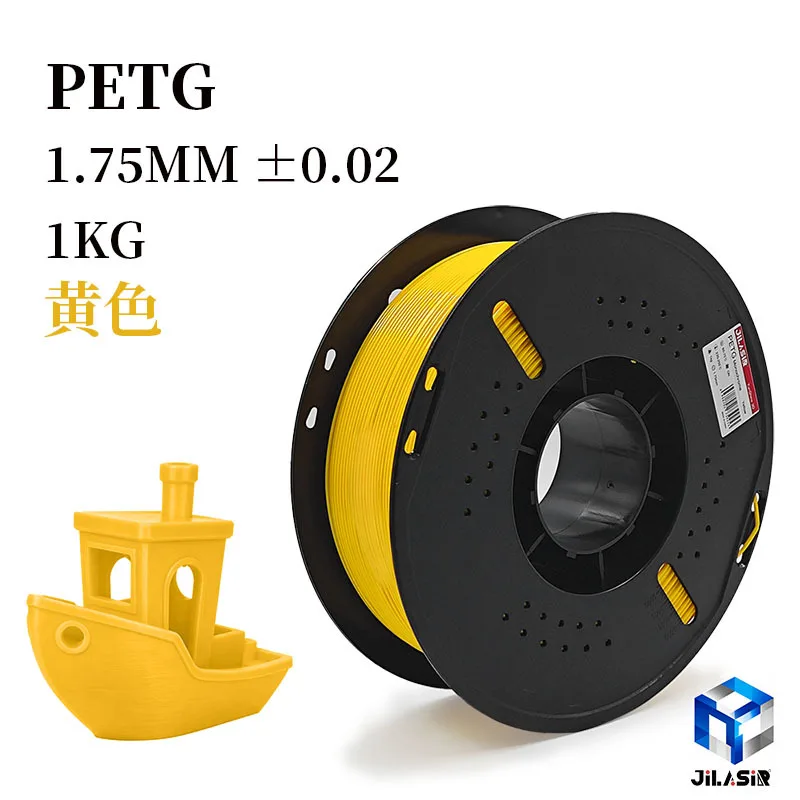
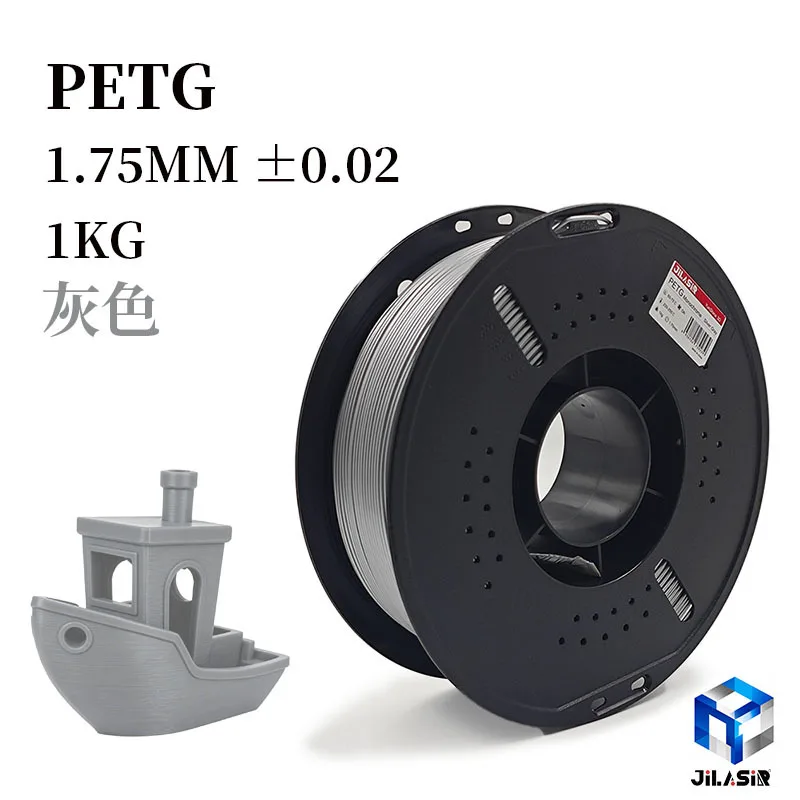
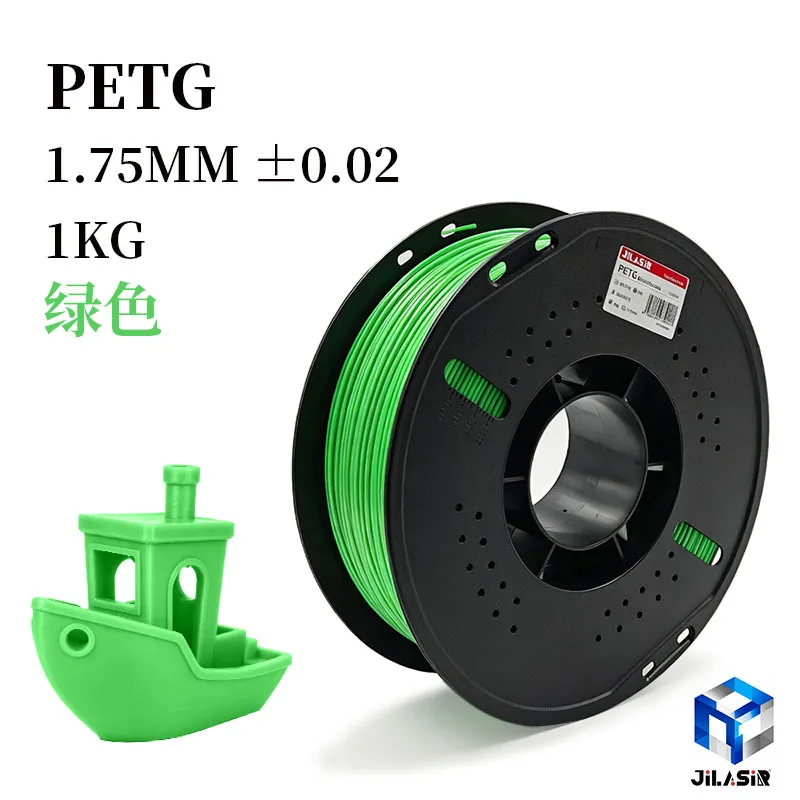
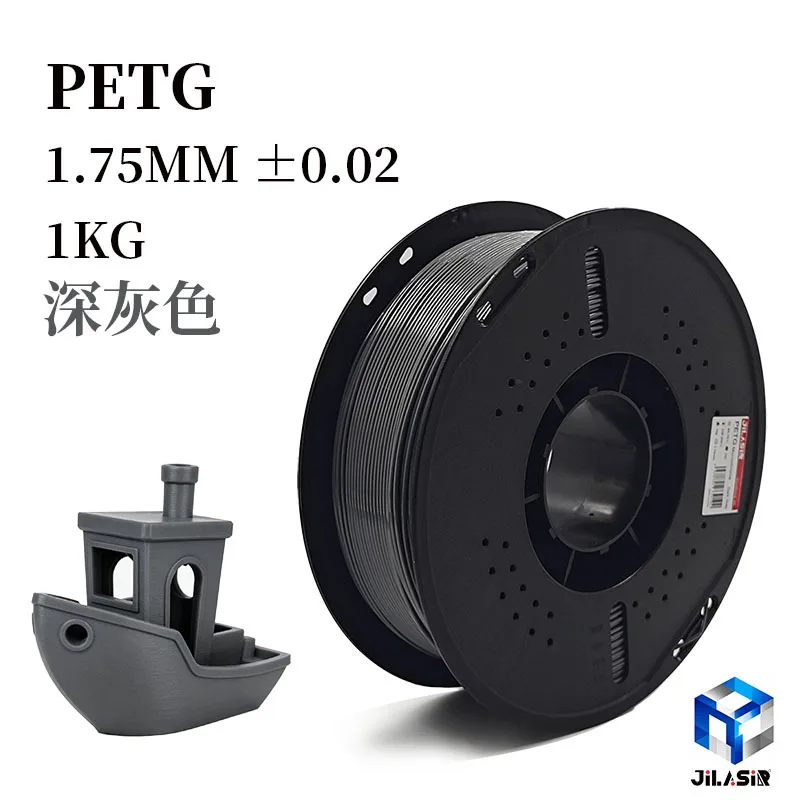
PETG Filament 1.75mm

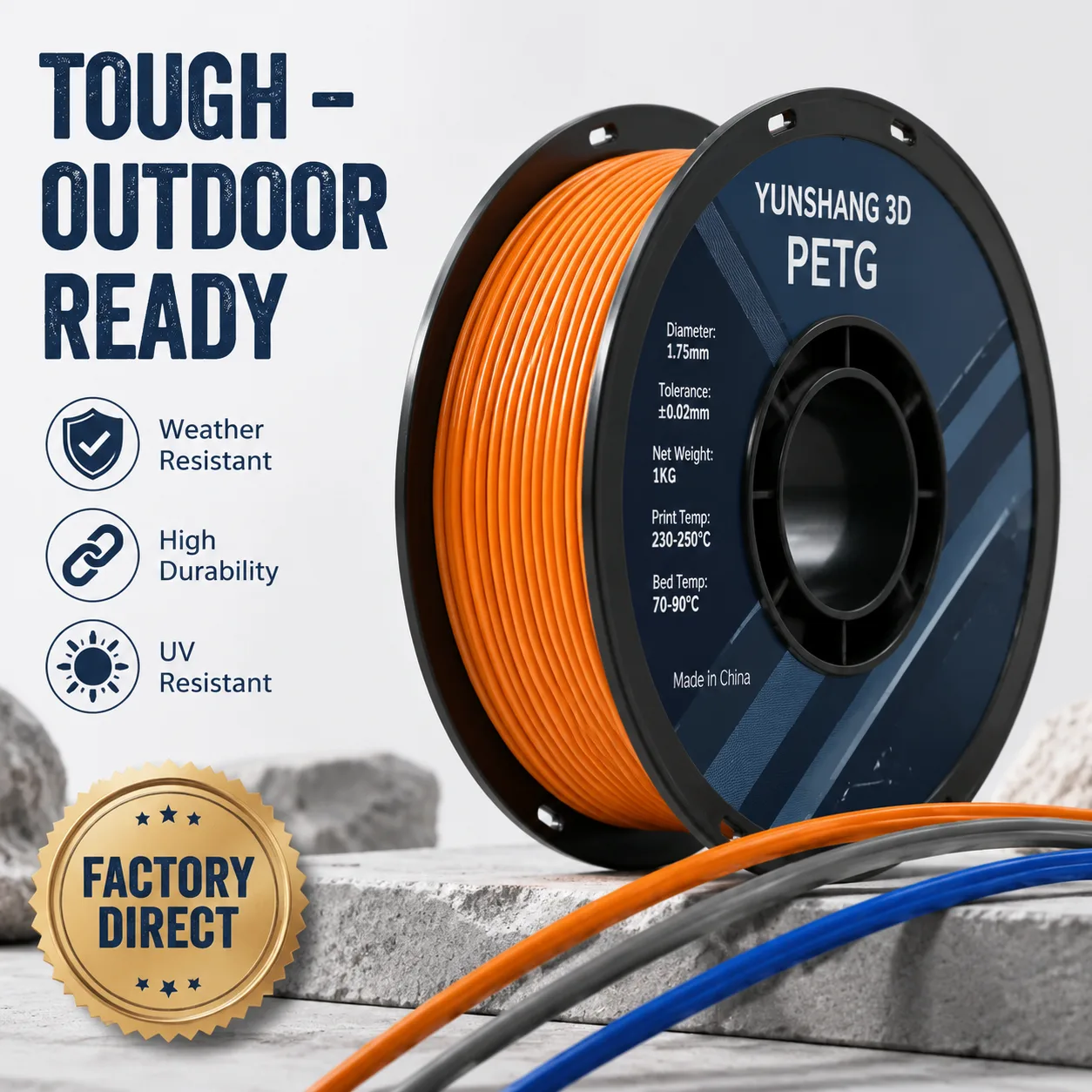
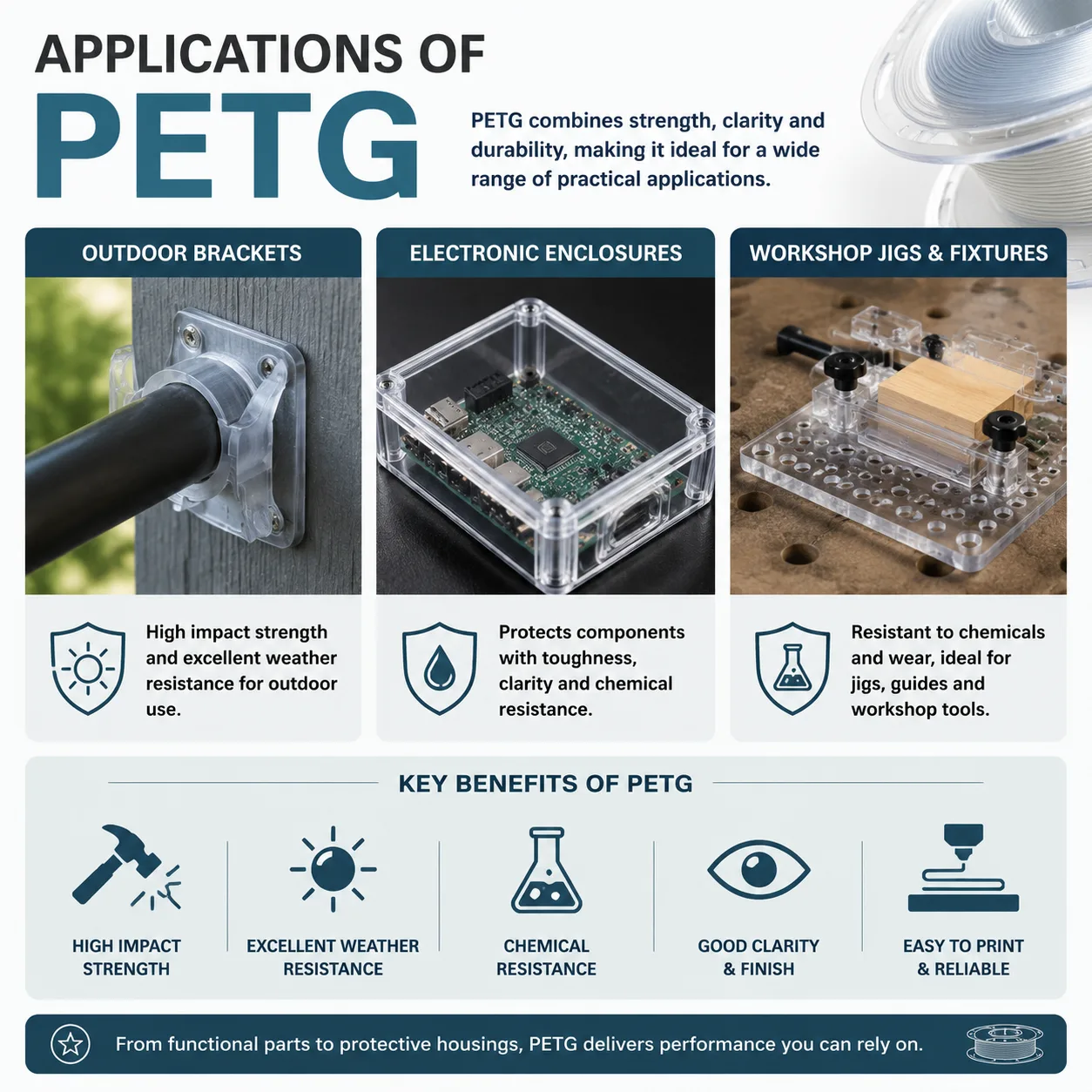
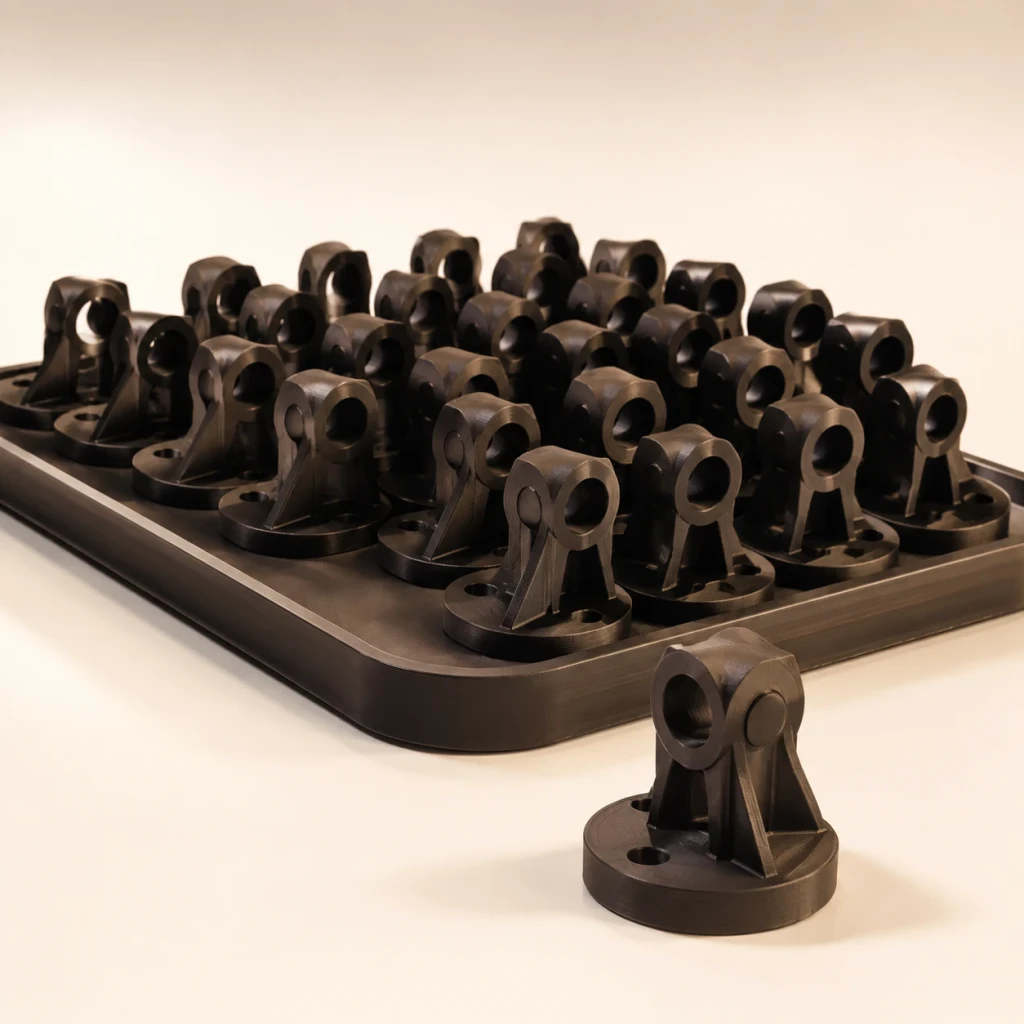
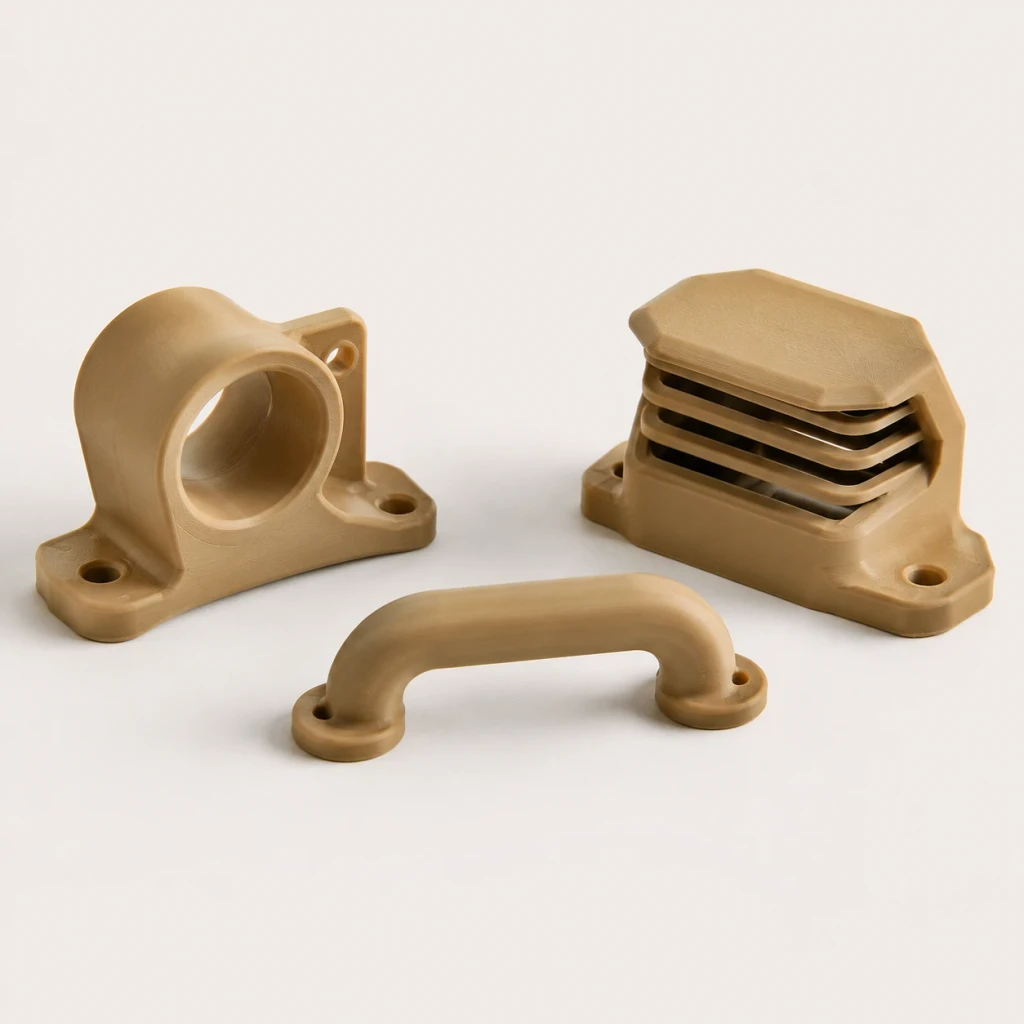
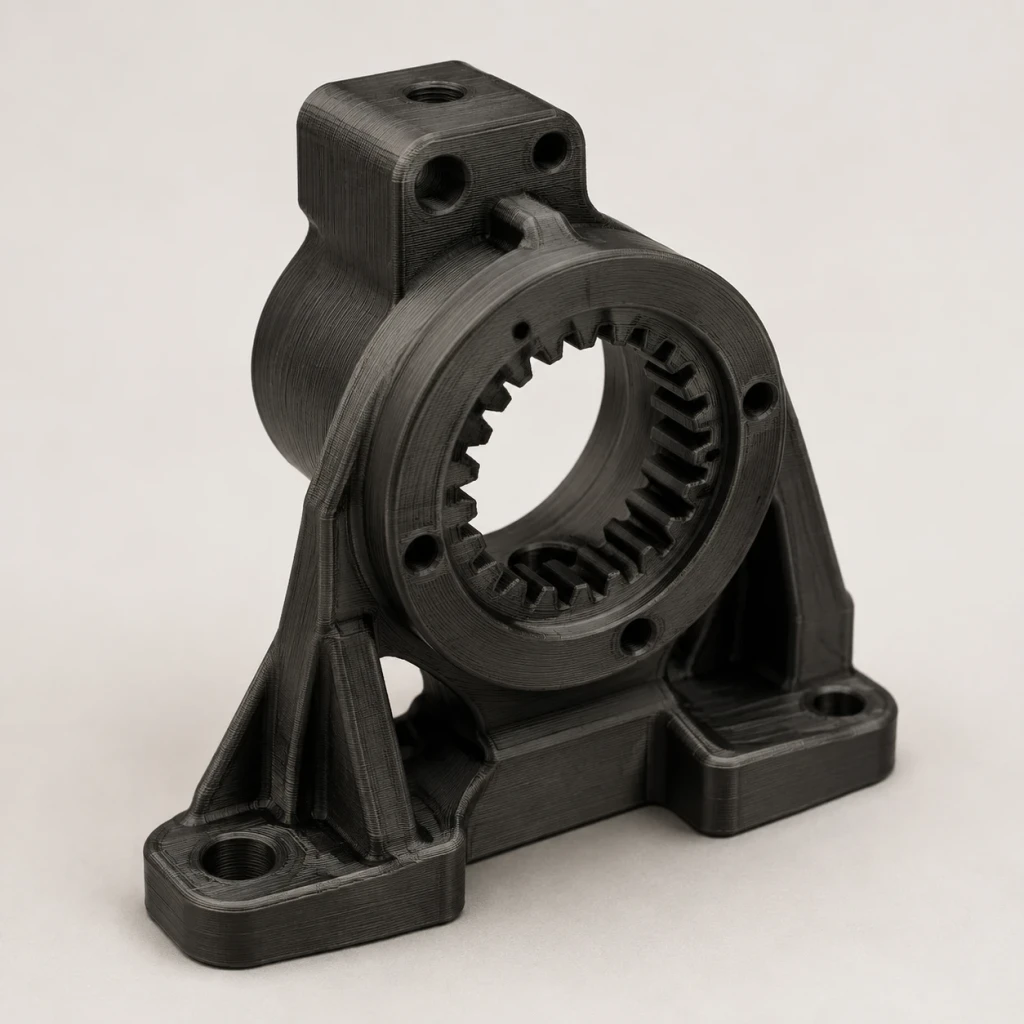
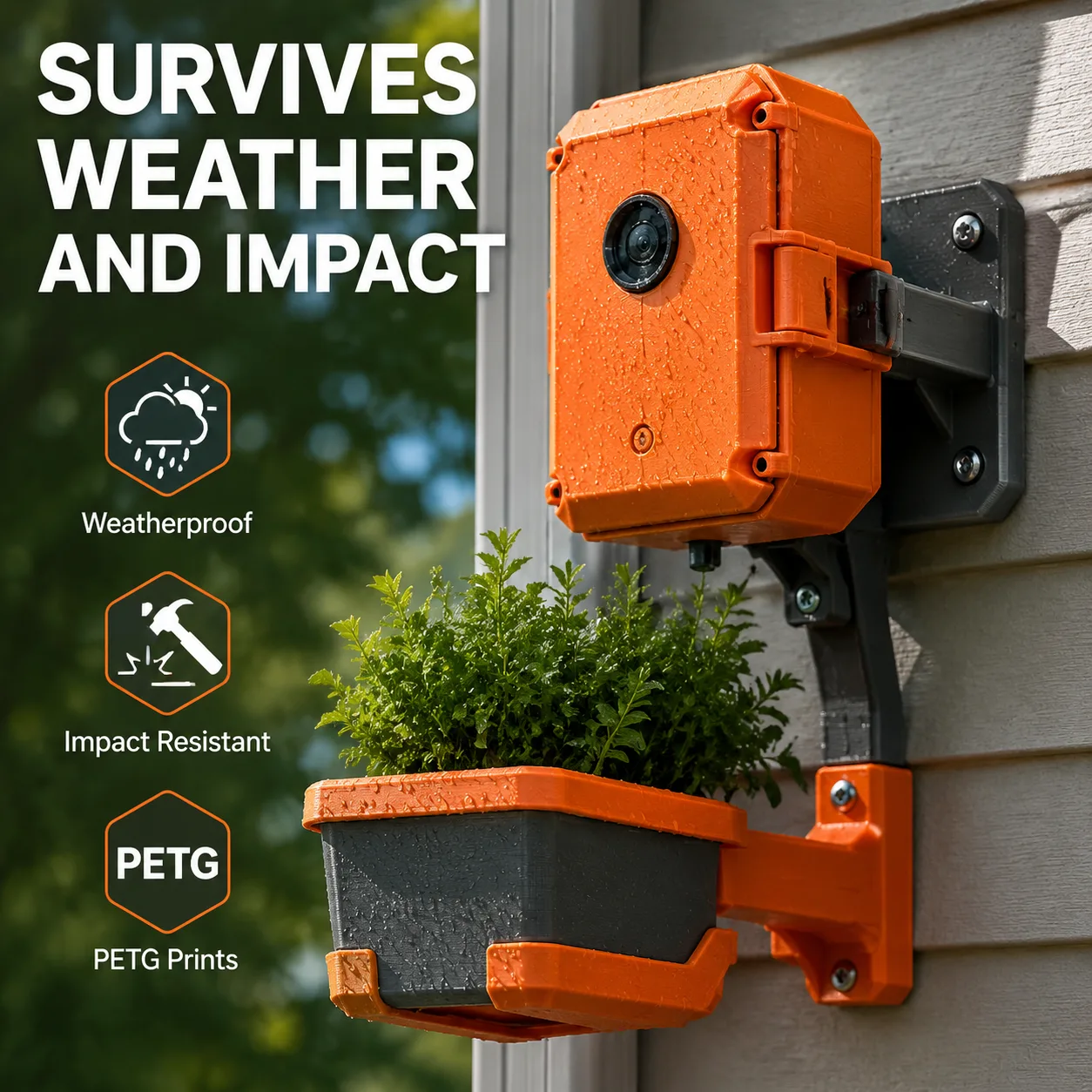
Brand: Yiqiu3D · PLA brackets crack in the sun and in the cold: this PETG combines impact strength, weather resistance and chemical resistance, so outdoor brackets, enclosures and jigs keep working season after season.

  • Eight solid colors
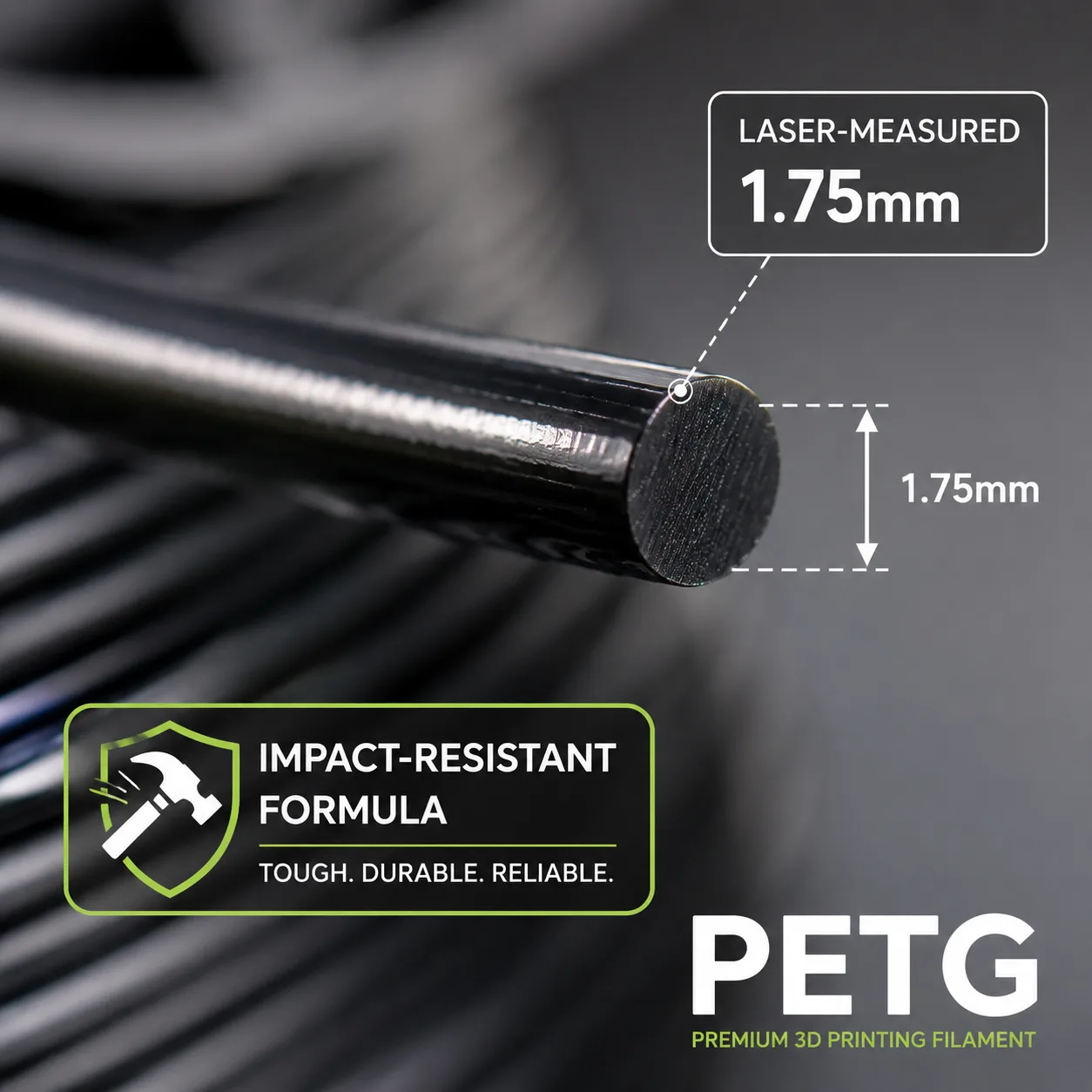
  • Laser-measured 1.75mm diameter with even
  • Prints nearly as easily as PLA with the 220°C nozzle temperature on the label
Compare filaments
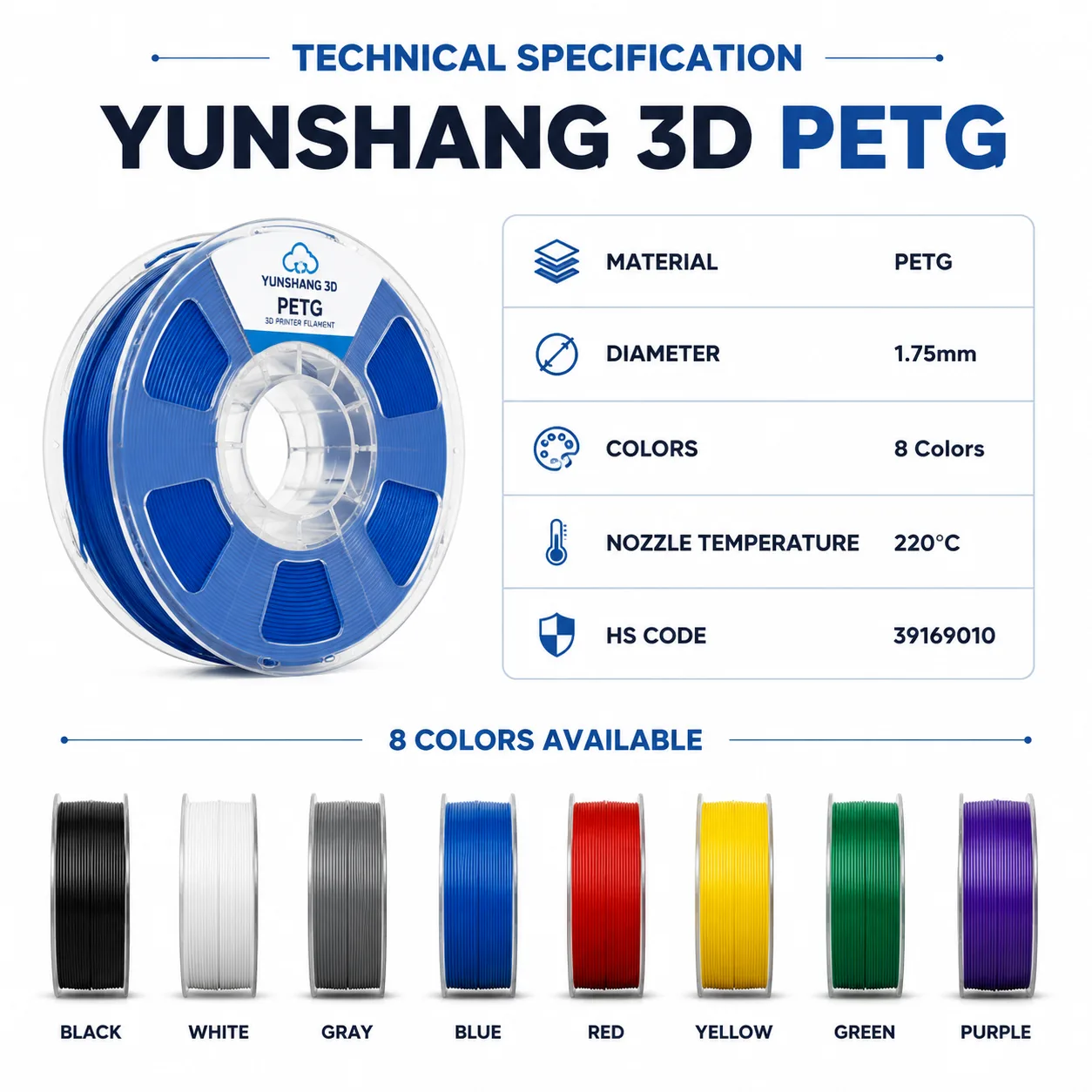
Diameter 1.75mm
Material PETG
Quick Answer

Why is PETG stronger and more durable than PLA?

PETG is a glycol-modified copolyester: the modification makes printed parts ductile rather than brittle, so they absorb impacts and resist chemicals, moisture and UV better than PLA. That is why PETG is standard for functional and outdoor parts.

Full answers below
Is it right for my project?

Best for: For workshop fixtures, tool holders and jigs that live in a damp or busy environment - available in 9 colours; lead colour PTEG Black. Not ideal for: Avoid for parts in sustained heat; switch to ABS or ASA for higher service temperatures - available in 9 colours; lead colour PTEG Black.

Print settings

Nozzle 230-260°C

01 · Why this one

Product highlights

3 reasons

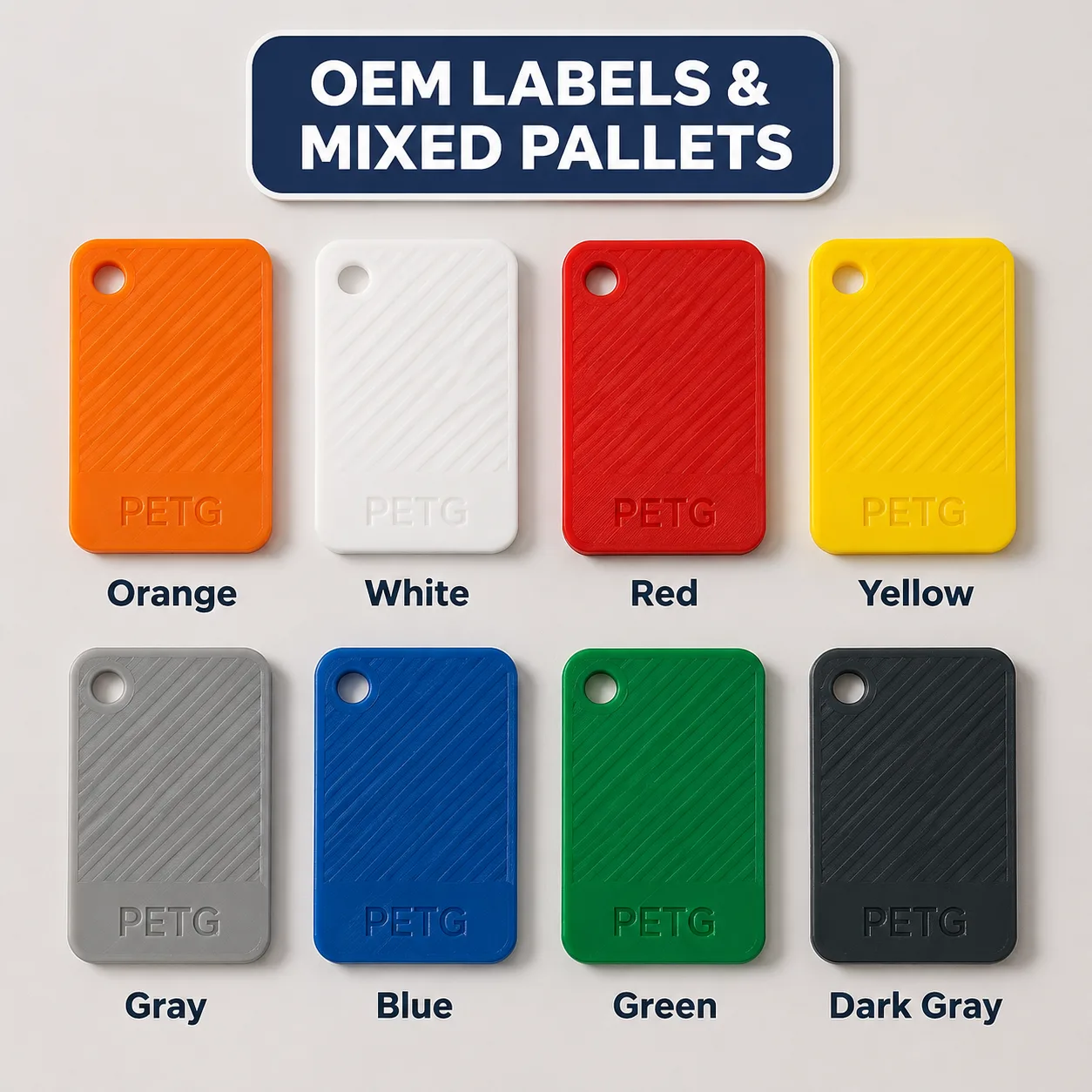
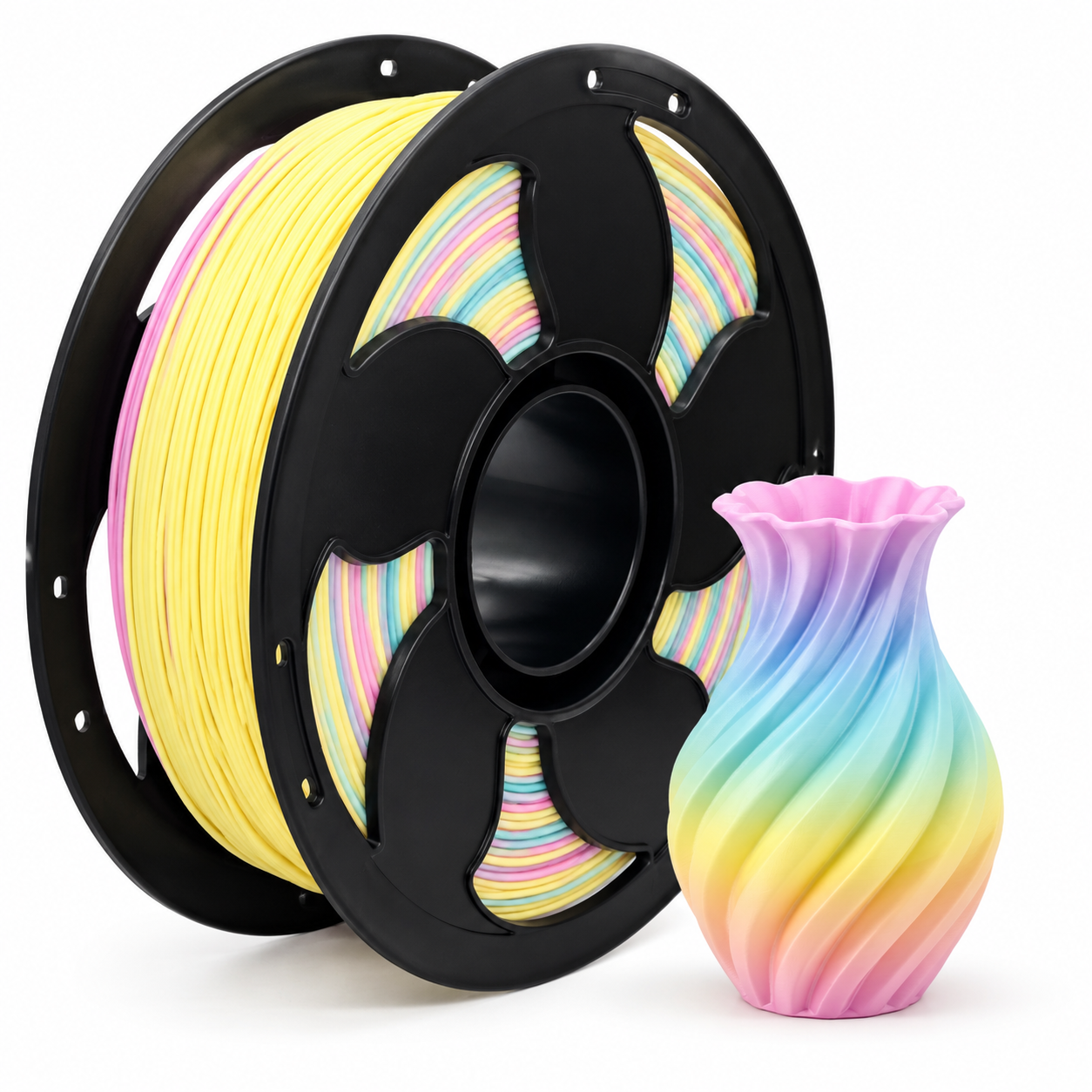
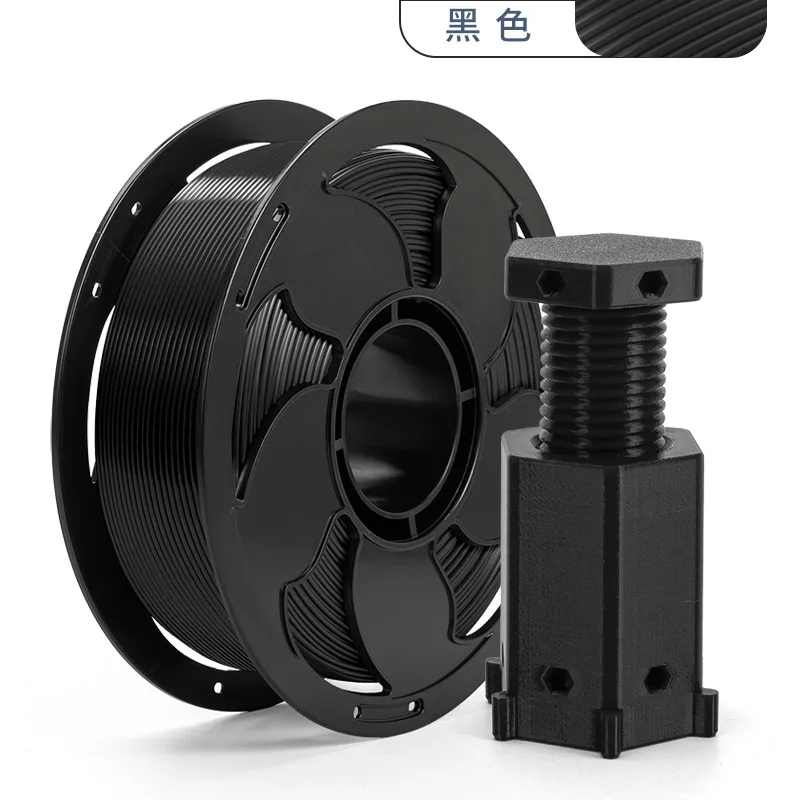
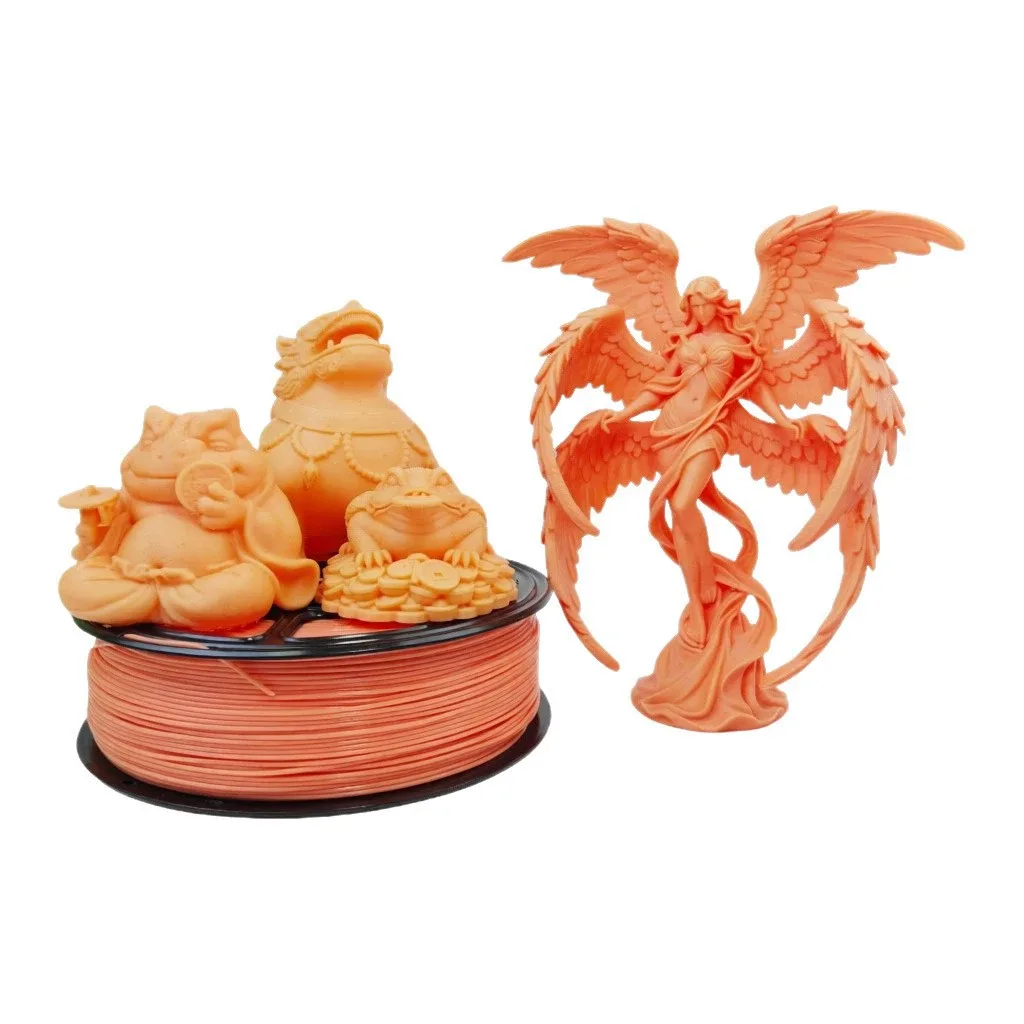
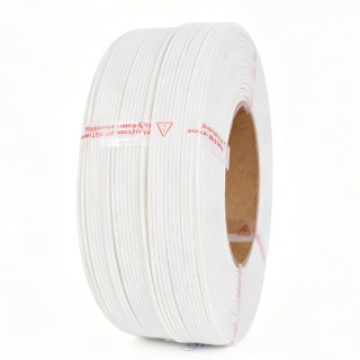
Eight solid colors, Orange, White, Red, Yellow, Gray, Blue, Green and Dark Gray, cover safety colors and functional neutrals for production and workshop use.

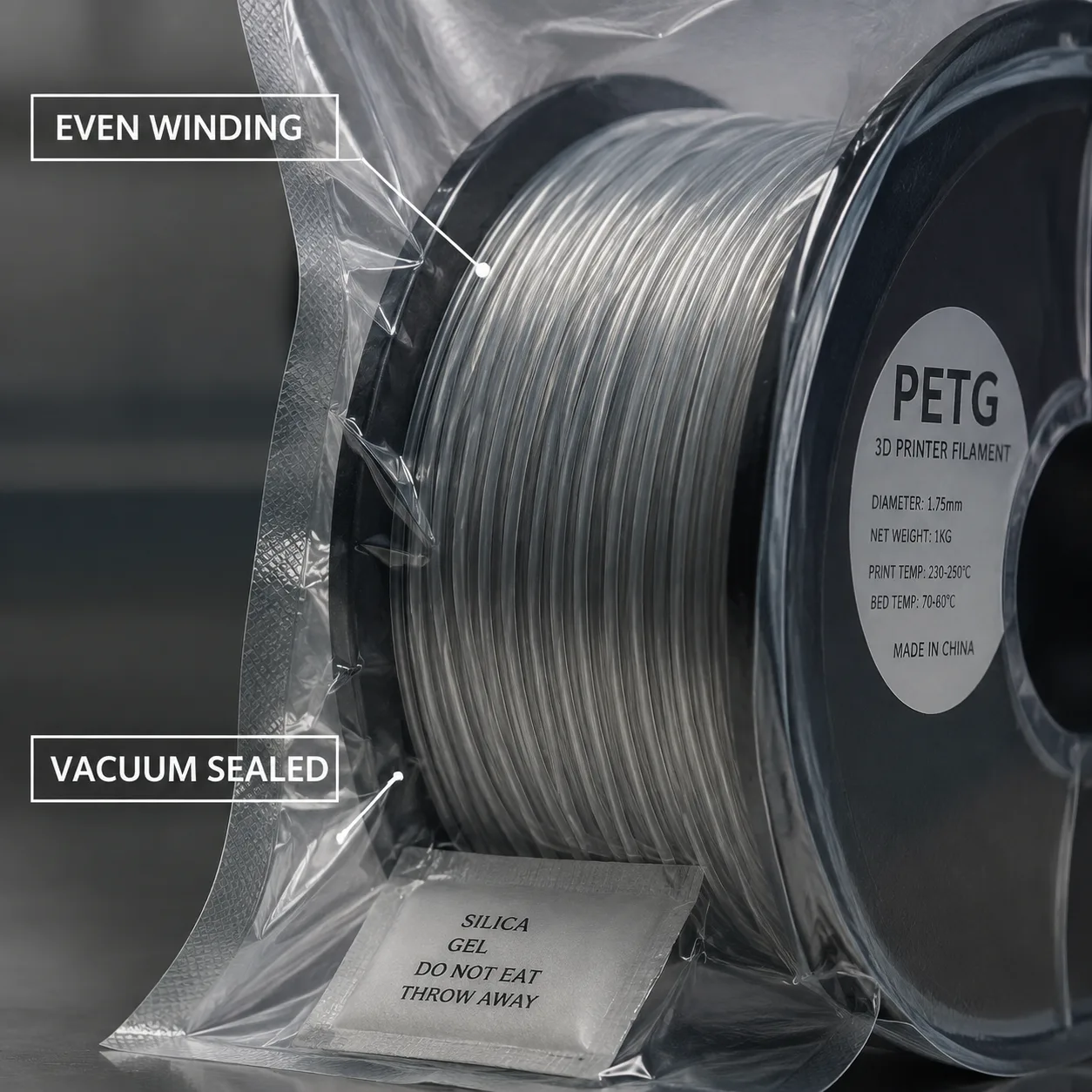
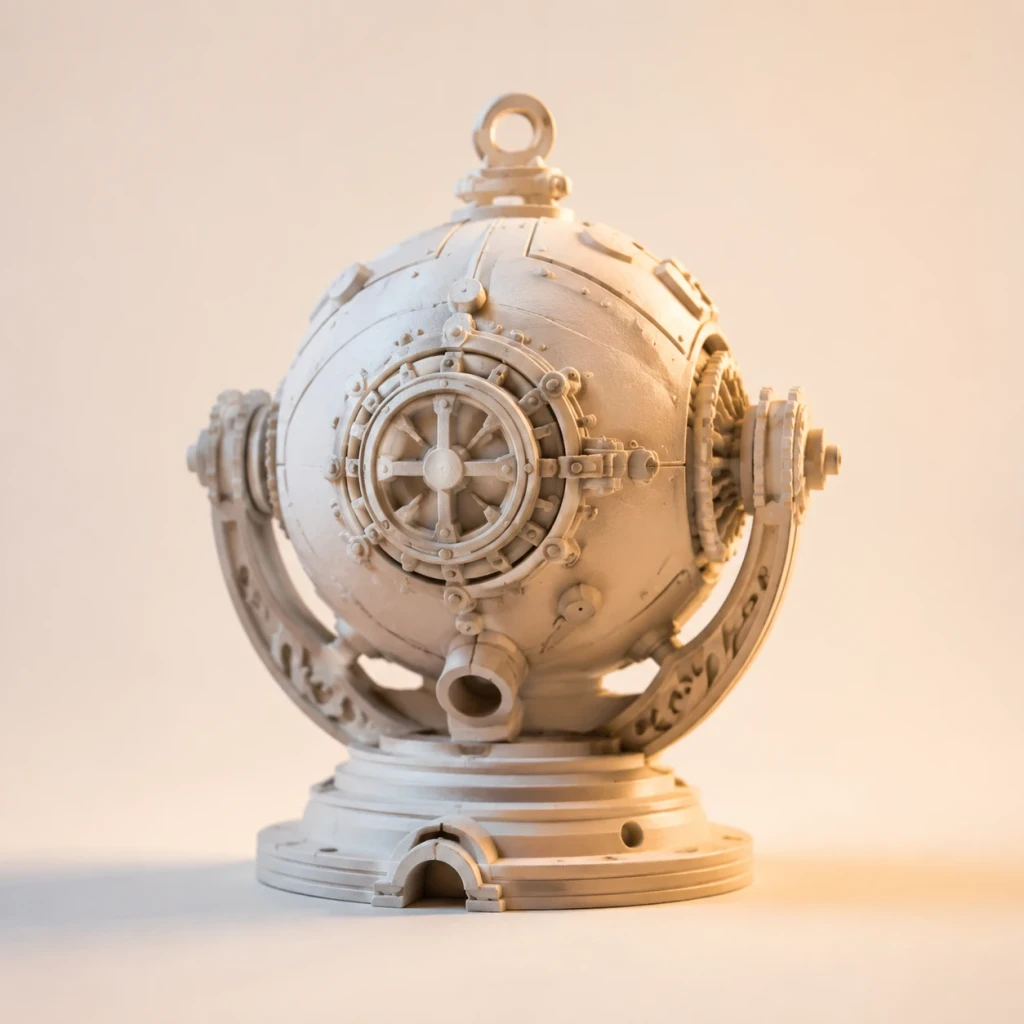
Laser-measured 1.75mm diameter with even, tangle-free winding keeps layer adhesion strong, so functional parts come out tough and dimensionally stable.

Prints nearly as easily as PLA with the 220°C nozzle temperature on the label, low odour and no enclosure needed, on Bambu Lab, Creality, Prusa or Anycubic machines.

Technical Data

Specifications

Diameter 1.75mm
Material PETG

Print Profile

PETG Filament 1.75mm prints best at 230-260°C nozzle.

Nozzle Temp230-260°C

Skip manual setup — import the ready-made profile into OrcaSlicer (Help → Open Configuration Folder → filament):

Manufacturer-recommended baseline — validated on Bambu Lab, Creality, Anycubic, Prusa and ELEGOO fleets. Fine-tune on your machine before production runs.

Spool Specification

Spool details for your feeding and handling setup.

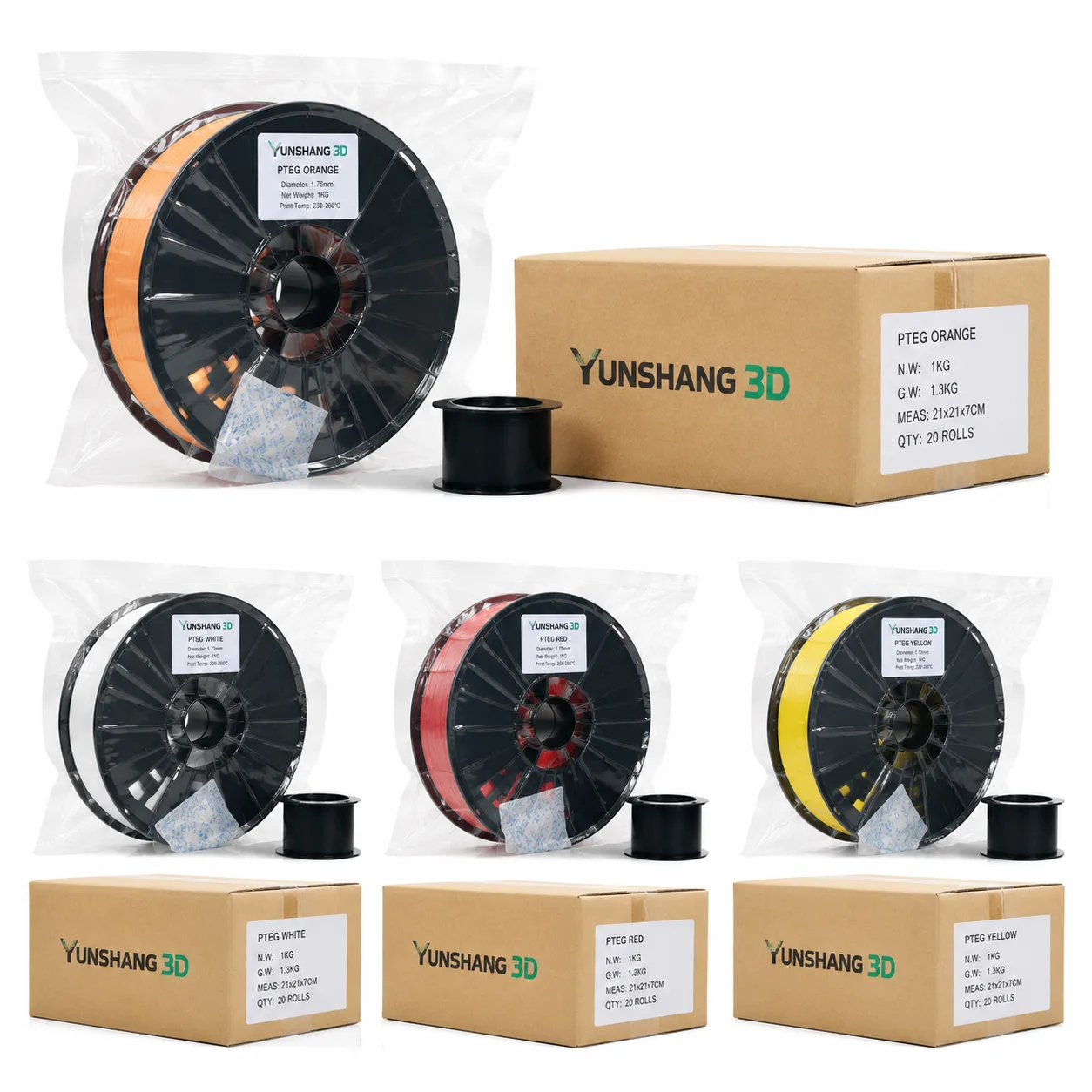
Gross Weight1.3 kg
Spool Size (L×W×H)19.5 × 19.5 × 6.5 cm
Pack FormatPiece
Spool TypeRound Spool

Attributes

Country / Regionchina
HS Code39169010
Item No.yunshang-3d-petg-filament
Diameter 1.75mm
Appearance Round Spool
Before You Ask

Frequently Asked Questions

Why is PETG stronger and more durable than PLA?
PETG is a glycol-modified copolyester: the modification makes printed parts ductile rather than brittle, so they absorb impacts and resist chemicals, moisture and UV better than PLA. That is why PETG is standard for functional and outdoor parts.
Will it work with my printer?
Yes, standard 1.75mm PETG for any FDM machine, including Bambu Lab, Creality, Prusa and Anycubic. A brass nozzle works; an all-metal hotend helps maintain stable high temperature.
What settings do you recommend?
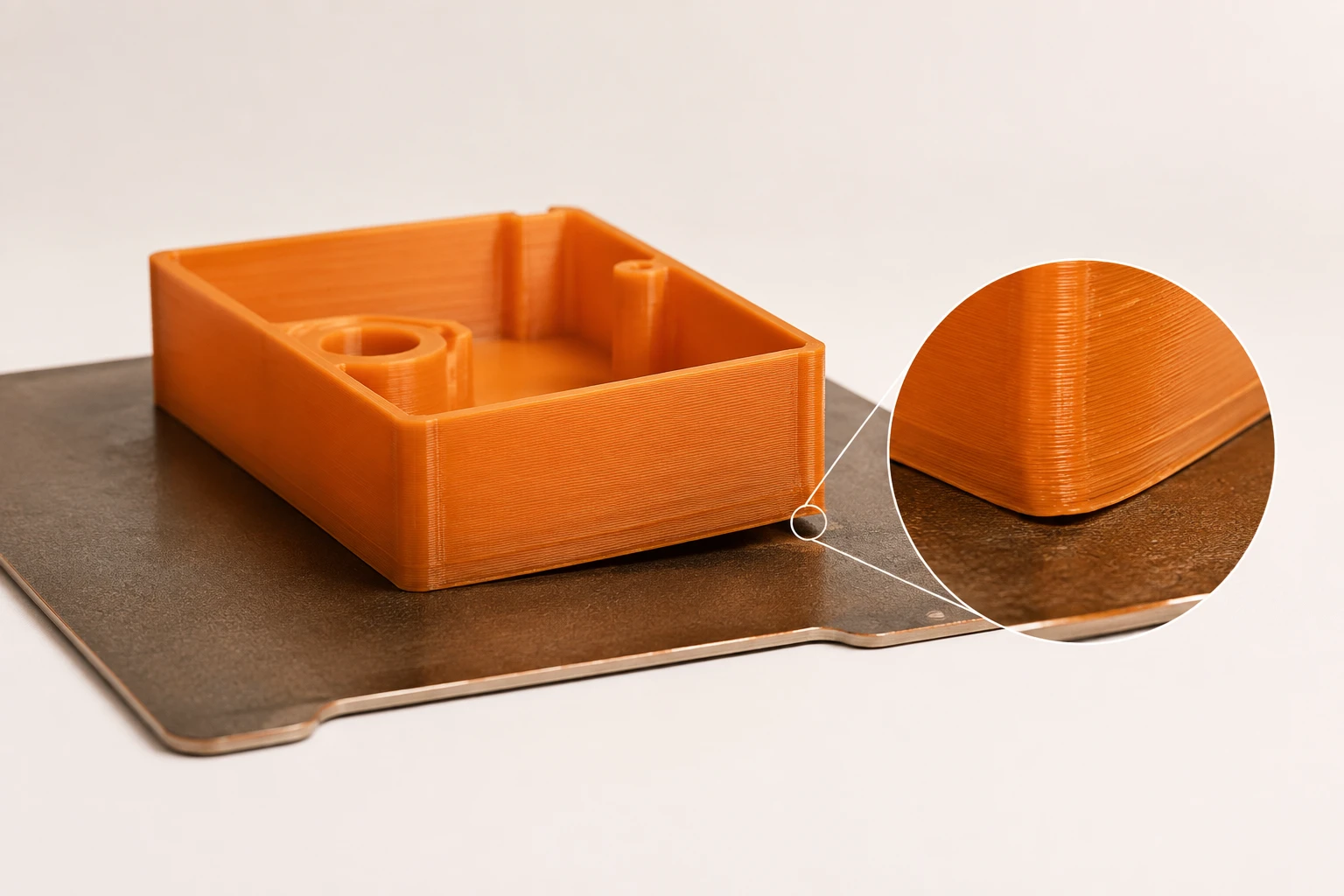
Use the 220°C nozzle temperature on the label with a heated bed and a slightly slower first layer. PETG sticks well, so little or no bed adhesive is needed; reduce fan speed on the first layers to improve adhesion.
How long does one spool last?
Functional parts with 20-30% infill use modest material; a full spool produces many brackets, mounts and enclosures. Exact runtime depends on part size, infill and wall count, so slice your model to budget.
What colors are available?
Eight batch-controlled colors: Orange, White, Red, Yellow, Gray, Blue, Green and Dark Gray. Safety colors like Orange and Yellow are popular for workshop and outdoor use, and reorders match the first delivery.
What speed should I use?
PETG prefers moderate speeds with a slightly slower outer wall for glossy, strong surfaces; 30-60 mm/s is a common range. It tolerates speed changes better than ABS, so infill can run faster once outer walls look clean.
Is it for prototypes or finished parts?
Finished parts: outdoor brackets, enclosures, jigs, mounts and containers that must last in real conditions. For quick concept models PLA is cheaper, but anything that must endure belongs in PETG.
How should I store it?
PETG absorbs moisture, so reseal the bag with the desiccant after every use and store upright away from sunlight. In humid climates, dry the spool before printing if it has been open for a while.

Documentation & Downloads

Everything we publish for this material, in one place.