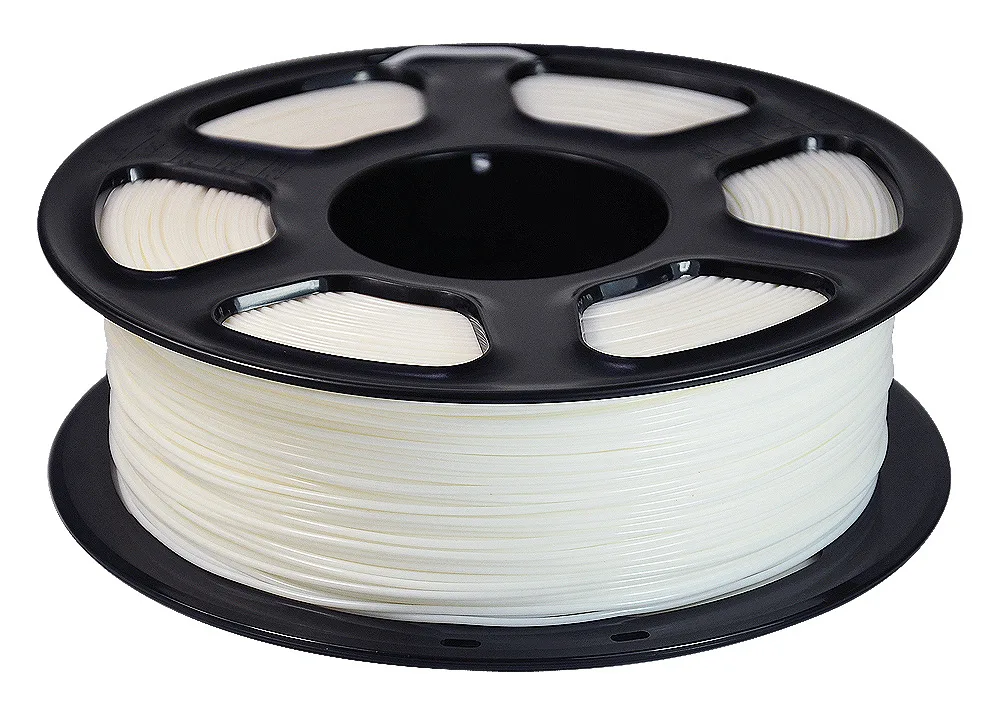
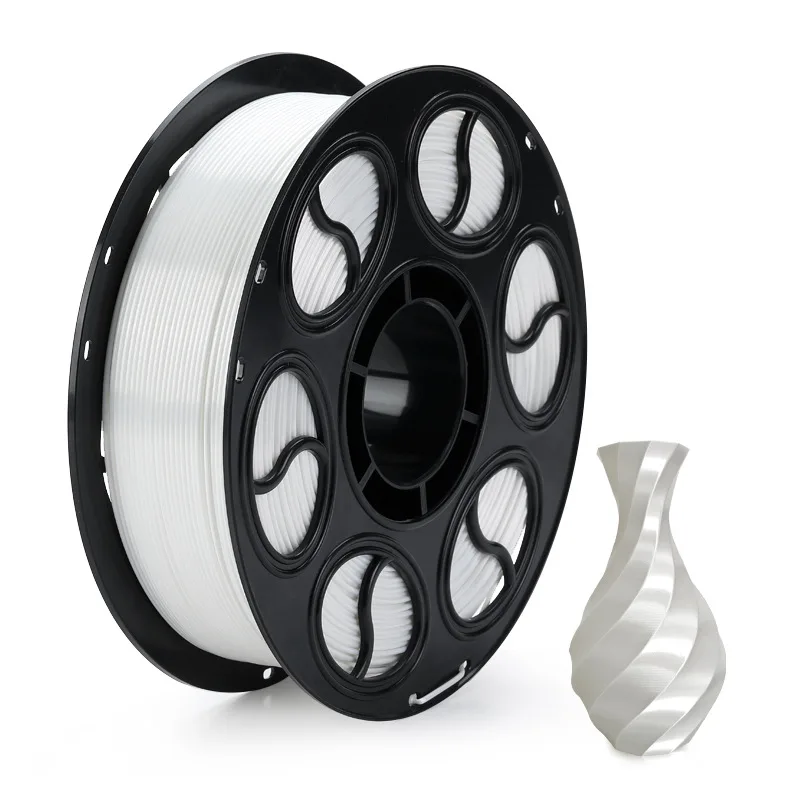
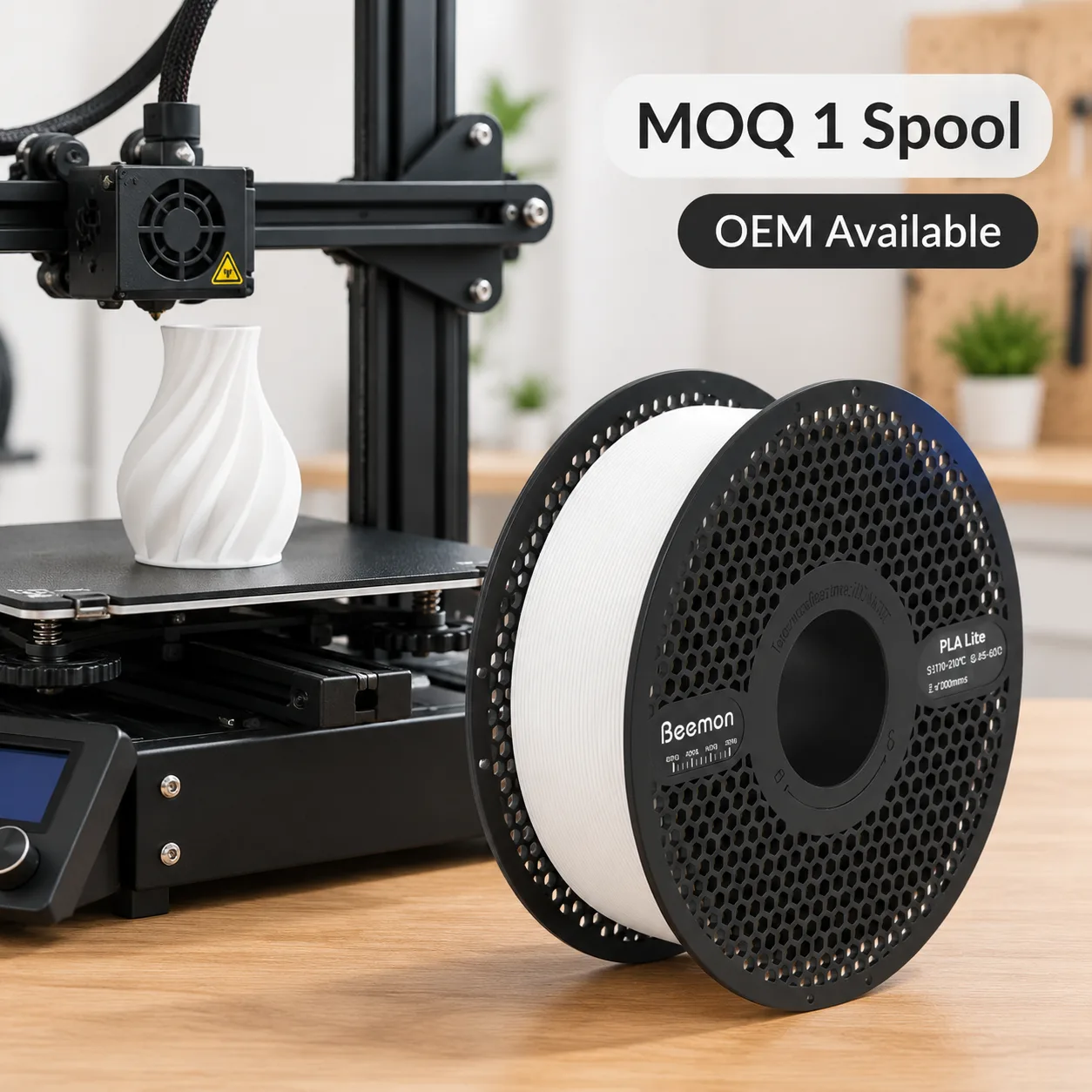
OEM Matte PLA+

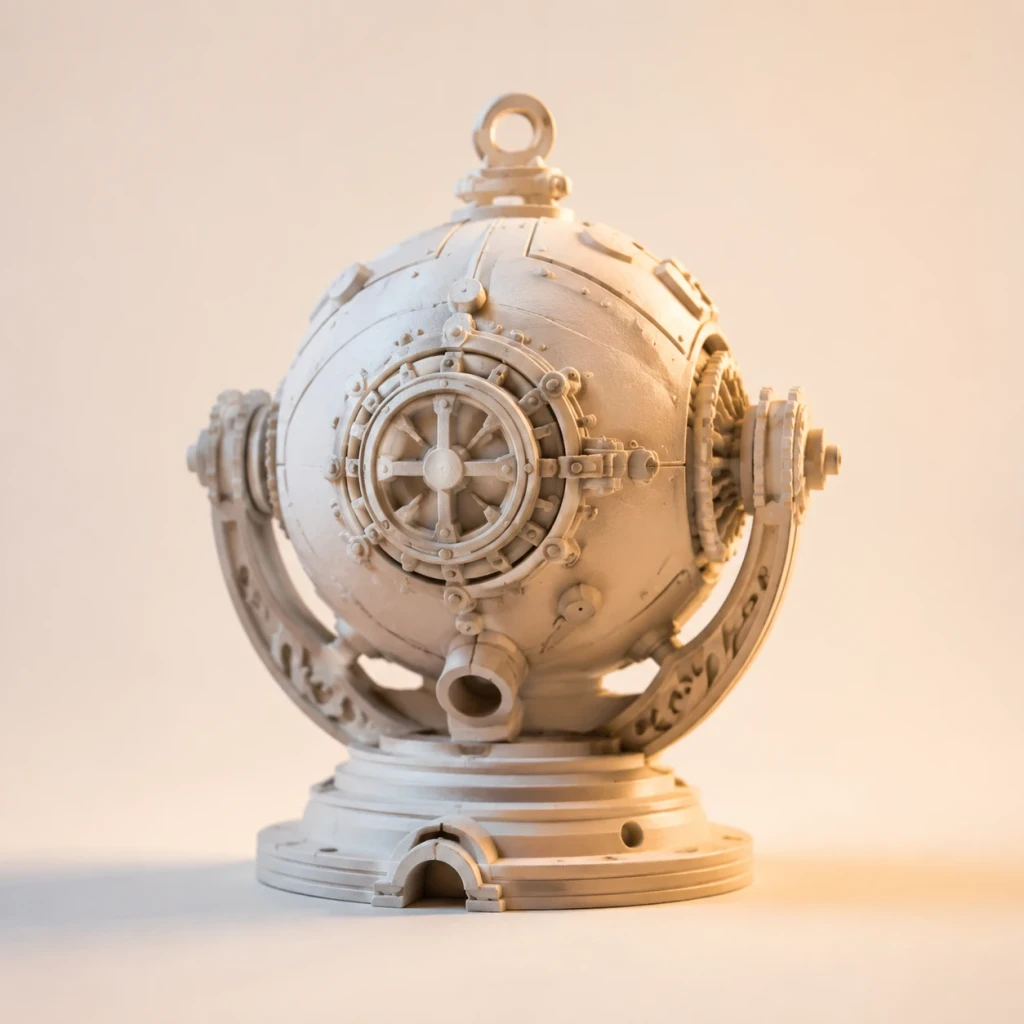
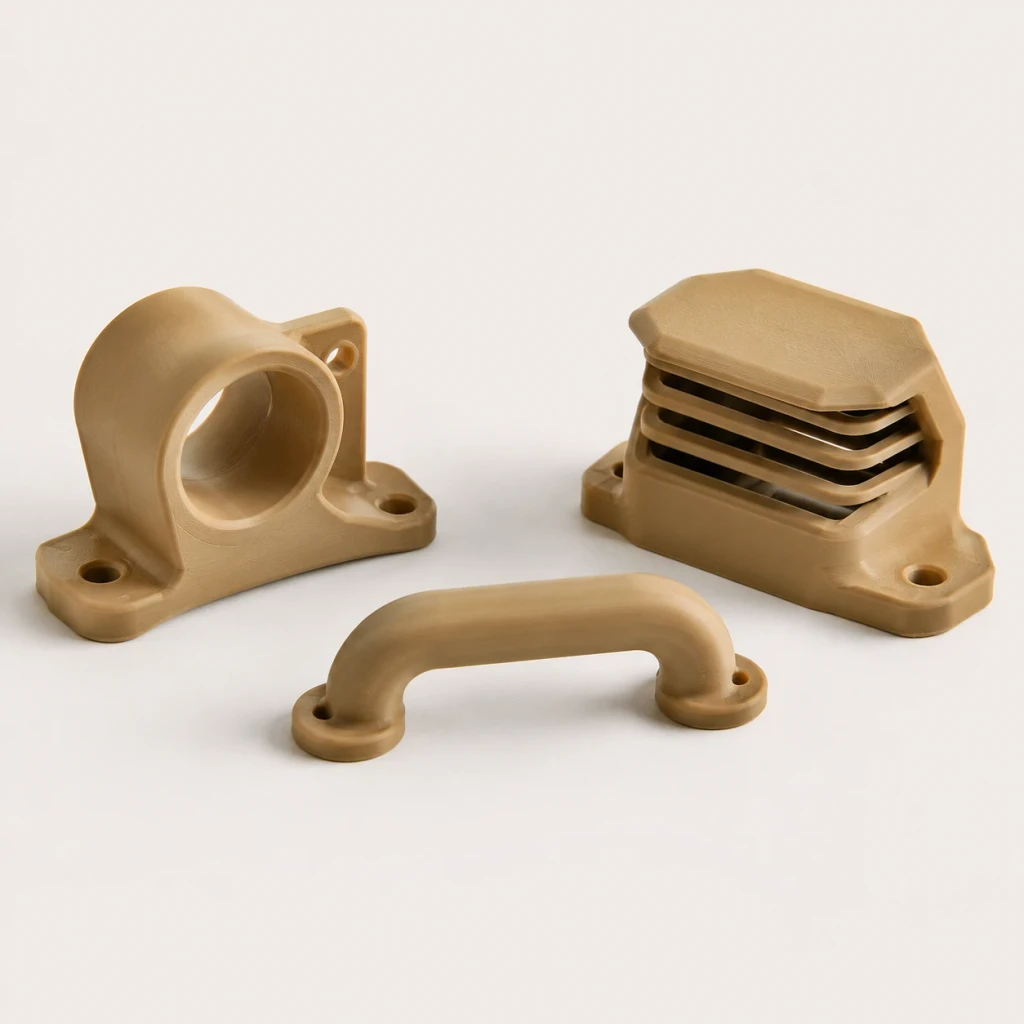
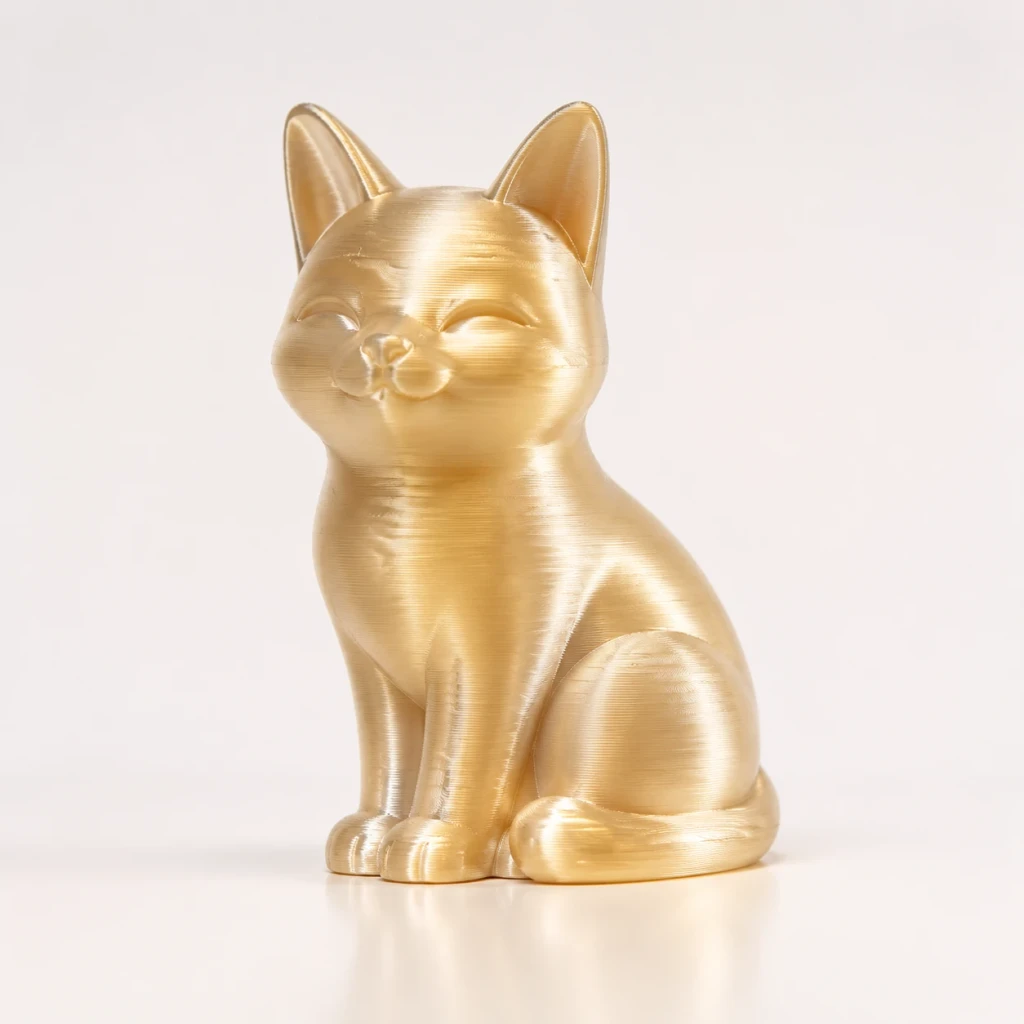
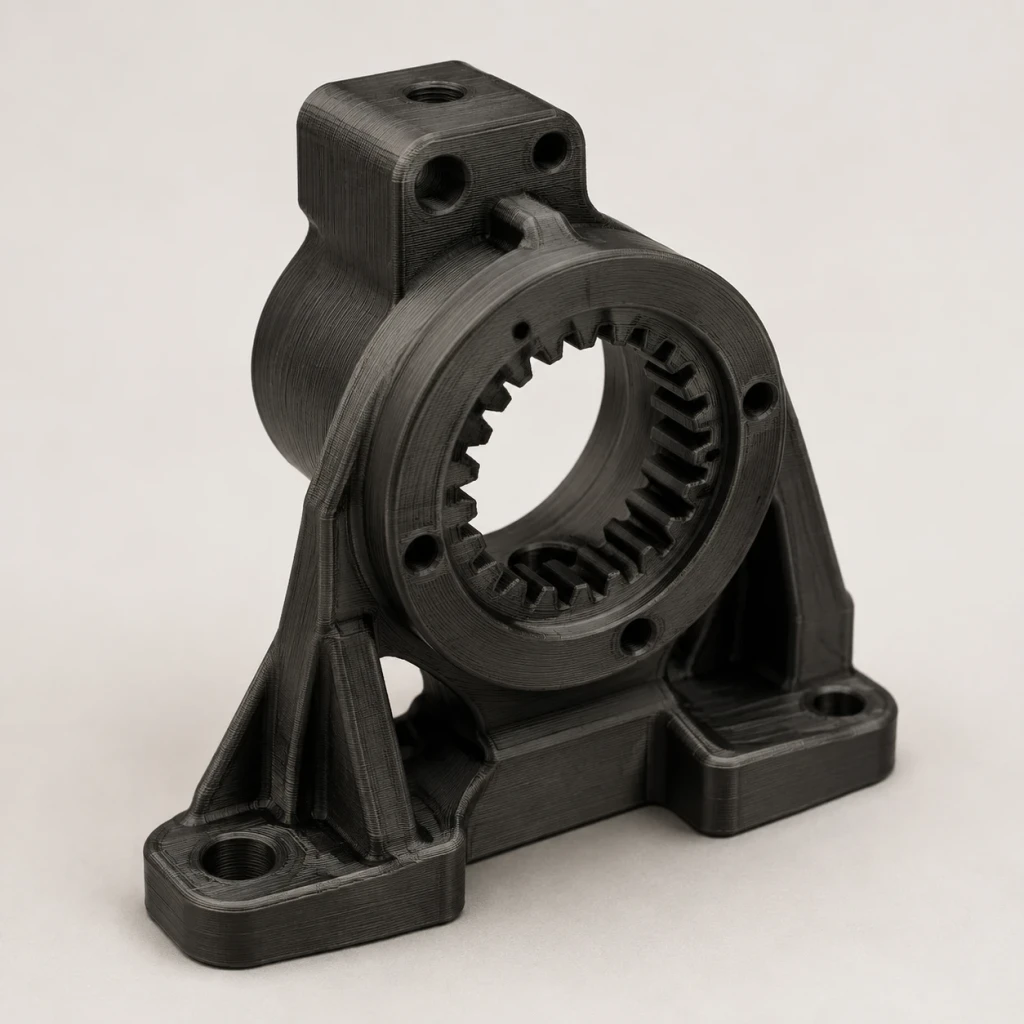
Brand: Yiqiu3D · Gloss is what betrays a printed part: a shiny surface turns every layer line, seam and extrusion mark into a visible flaw that has to be sanded and painted before the part can leave the shop. This Matte PLA Plus range is built around that fix - a matte finish that scatters light instead of reflecting it, so layer lines stay quiet on the finished part and post-processing drops to a minimum. White also hides the grey handling marks that show up on darker spools.

  • Nine matte colours in the range: Matte White (lead colour)
  • Runs on the ordinary PLA profile: nozzle temperature 195-225 °C
Compare filaments
Diameter 1.75mm
Material PLA
Quick Answer

What makes Matte PLA Plus different from standard PLA?

The finish, and what that does to surface quality. Standard PLA is semi-gloss, which makes seams, layer lines and extrusion marks visible on a finished part. The matte grade scatters light at the surface, so those marks sit back and a printed model reads as a finished object with far less sanding. It prints in the same PLA window - 195-225 °C nozzle temperature - so nothing in your profile changes.

Full answers below
Is it right for my project?

Best for: Reliable for everyday fabrication and quick replacement parts - available in 9 colours; 1kg spools; lead colour PLA+ Matte White. Not ideal for: Avoid for food-contact unless certified; ask us about compliant alternatives - available in 9 colours; 1kg spools; lead colour PLA+ Matte White.

Print settings

Nozzle 195-225°C

01 · Why this one

Product highlights

2 reasons

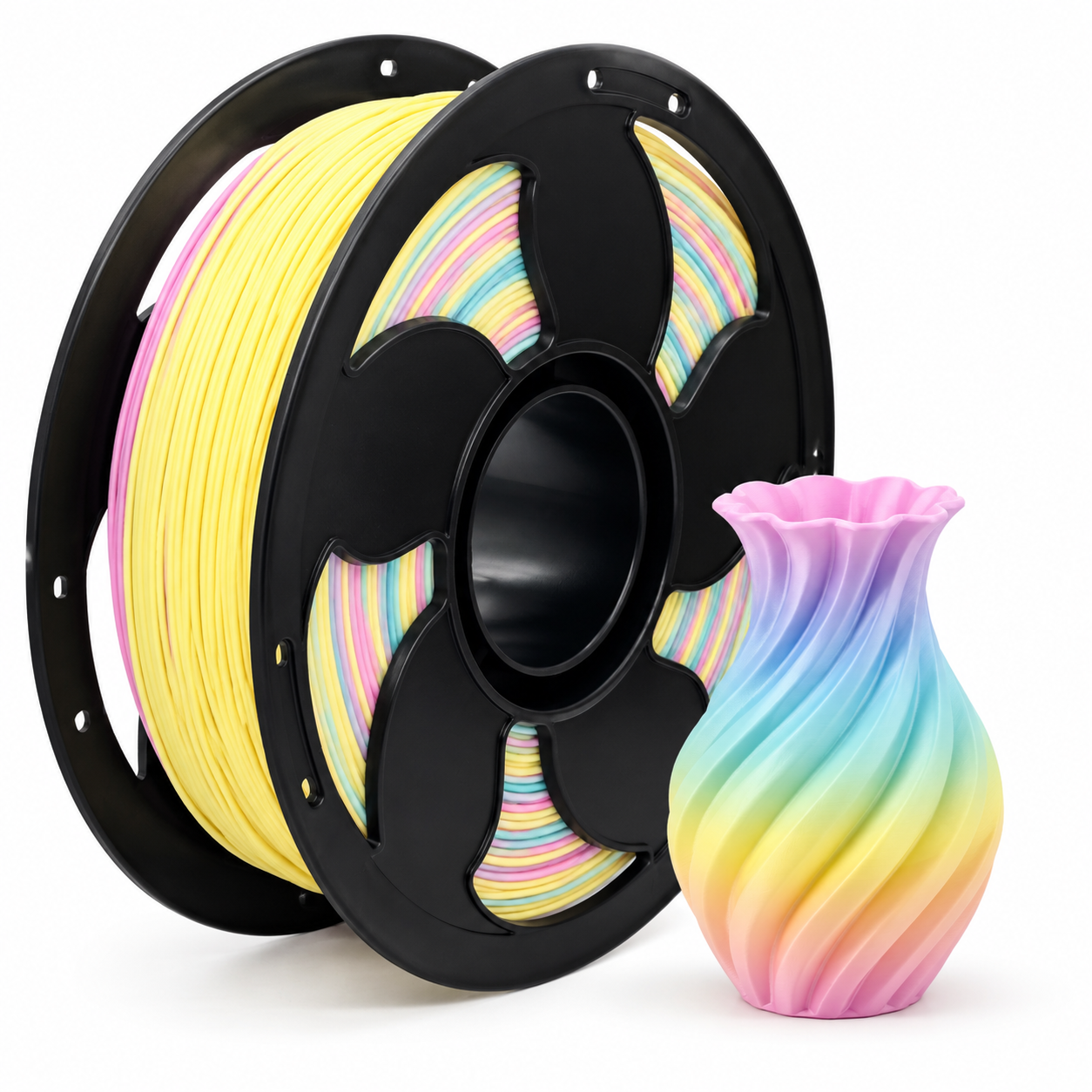
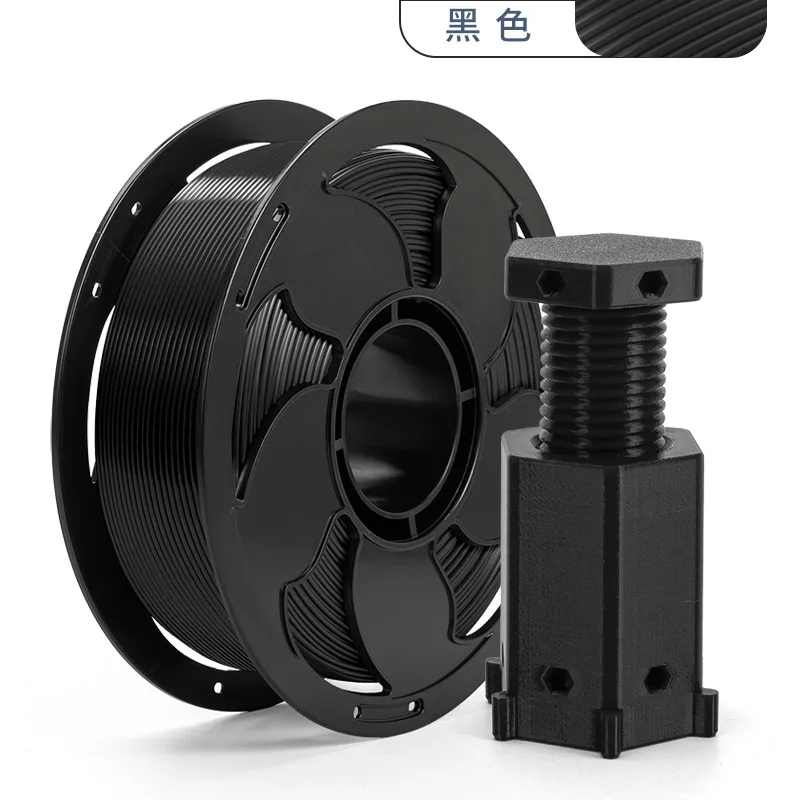
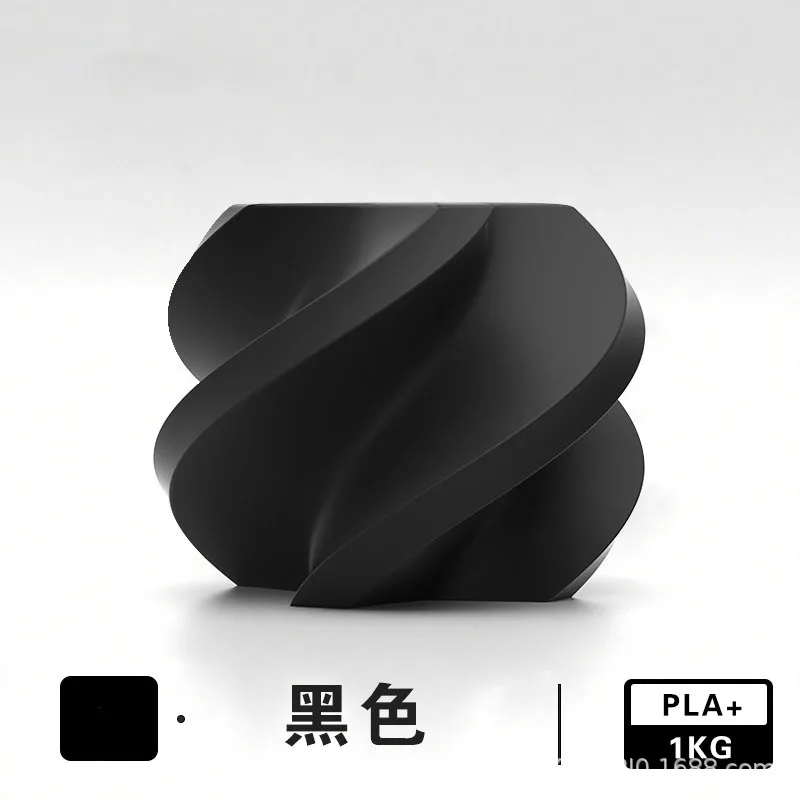
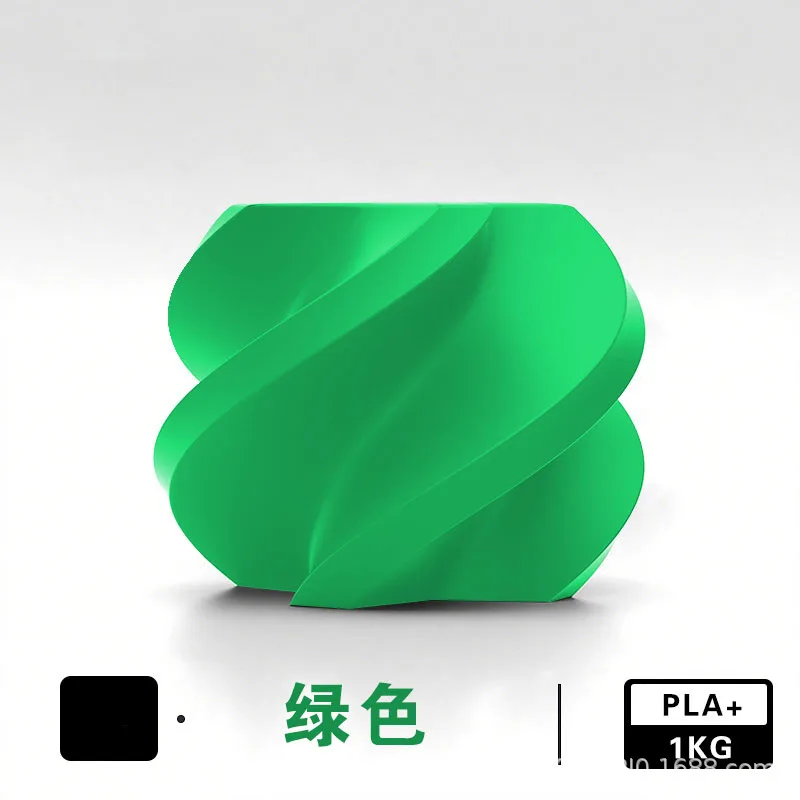
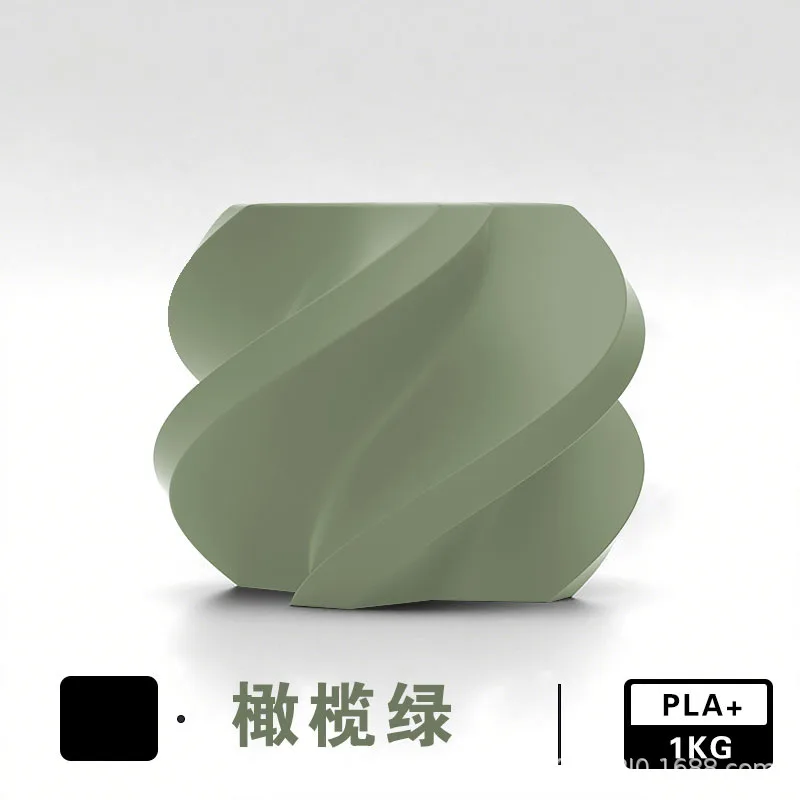
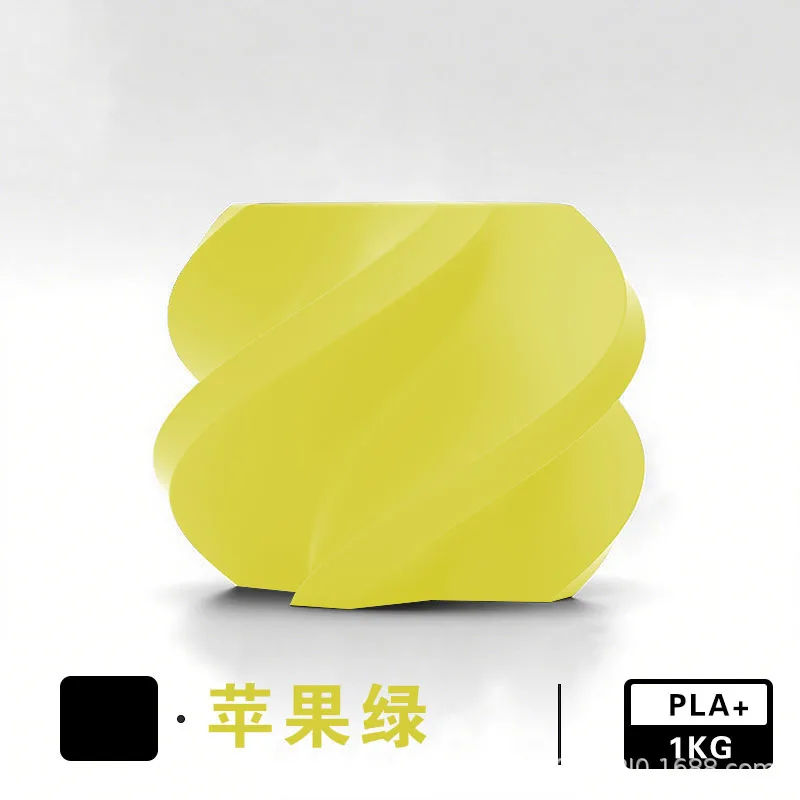
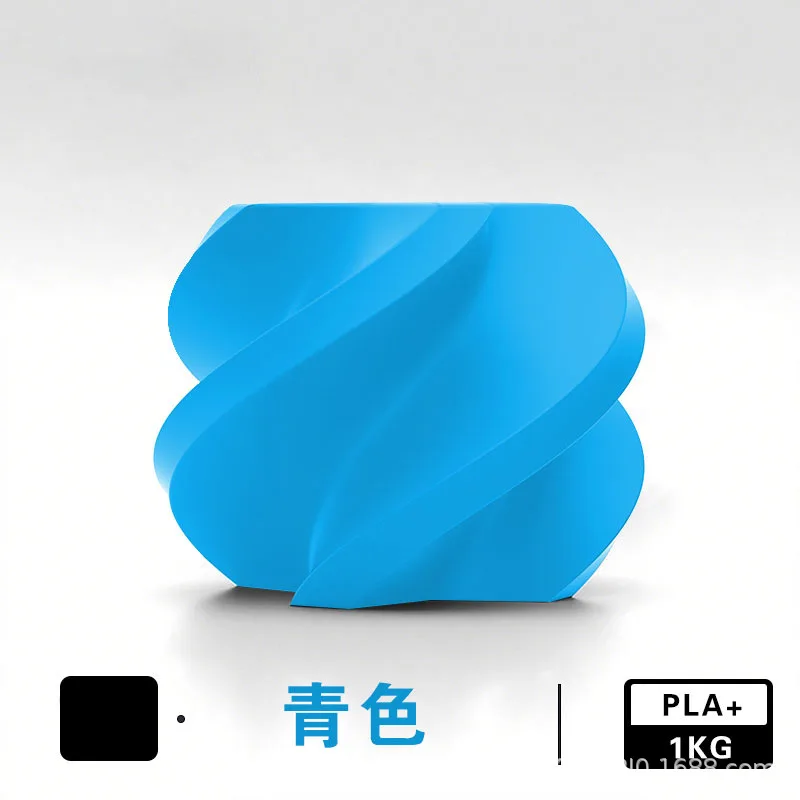
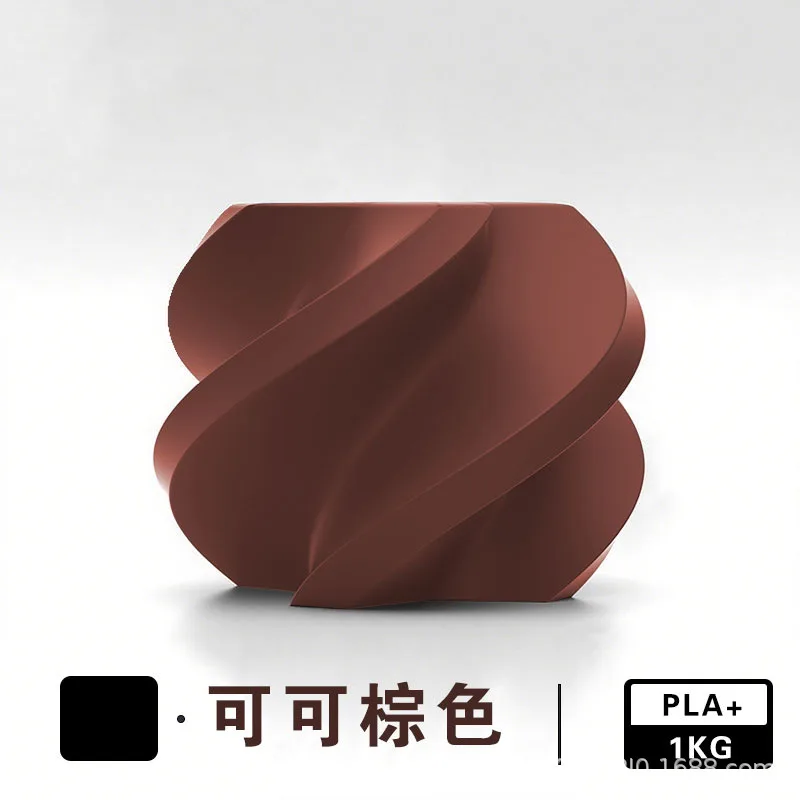
Nine matte colours in the range: Matte White (lead colour), Matte Black, Matte Yellow, Matte Green, Matte Olive Green, Matte Apple Green, Matte Turquoise Green, Matte Cyan and Matte Cocoa Brown. Because the finish is matte, the colour reads as pigment rather than as a reflective coat, which suits architectural models, display parts and product housings where an even surface matters more than sparkle.

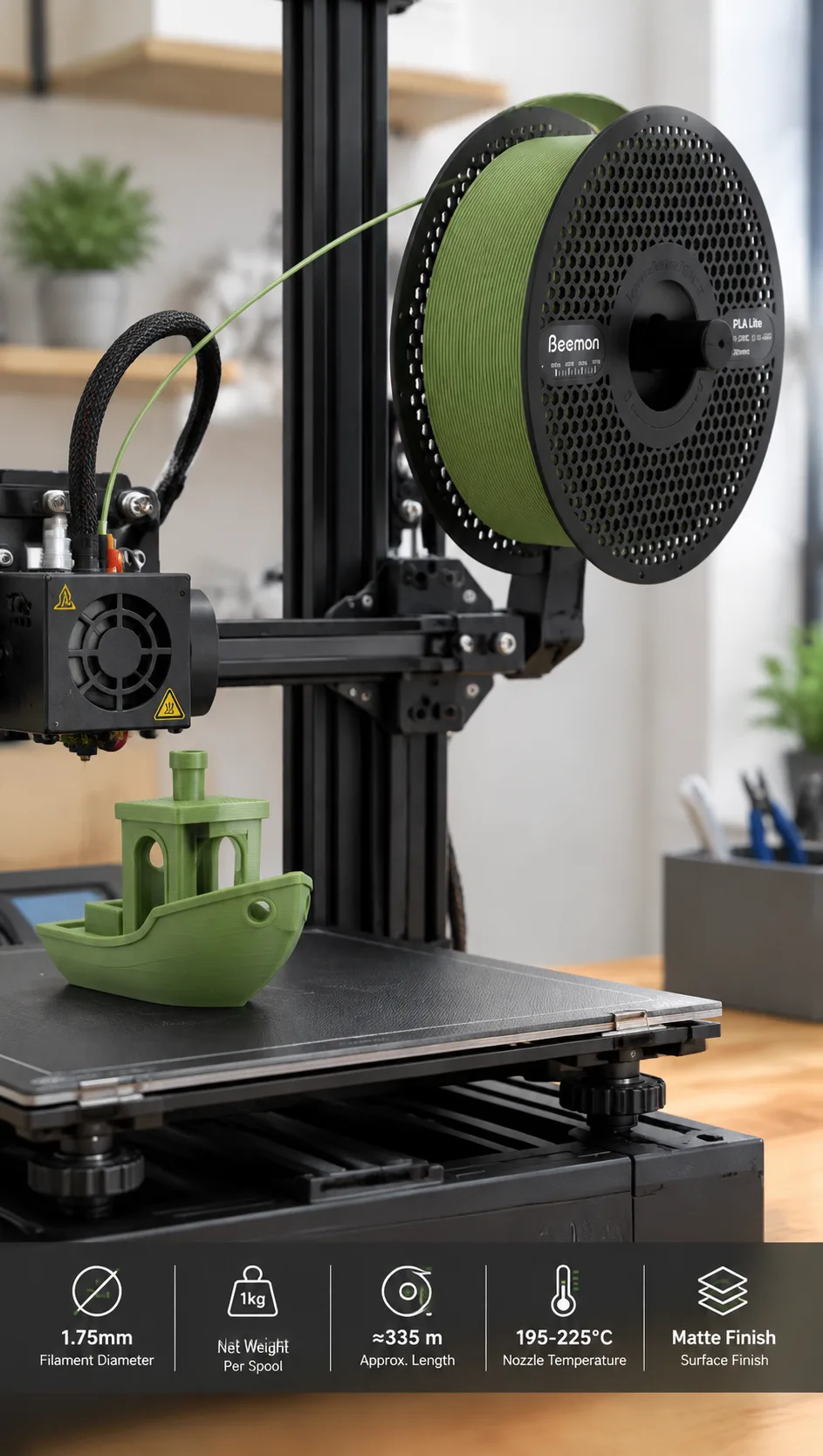
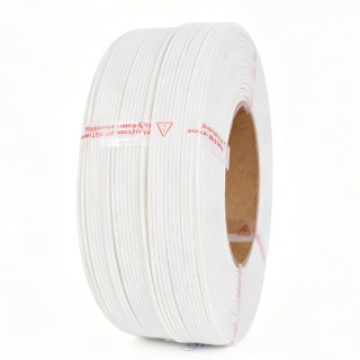
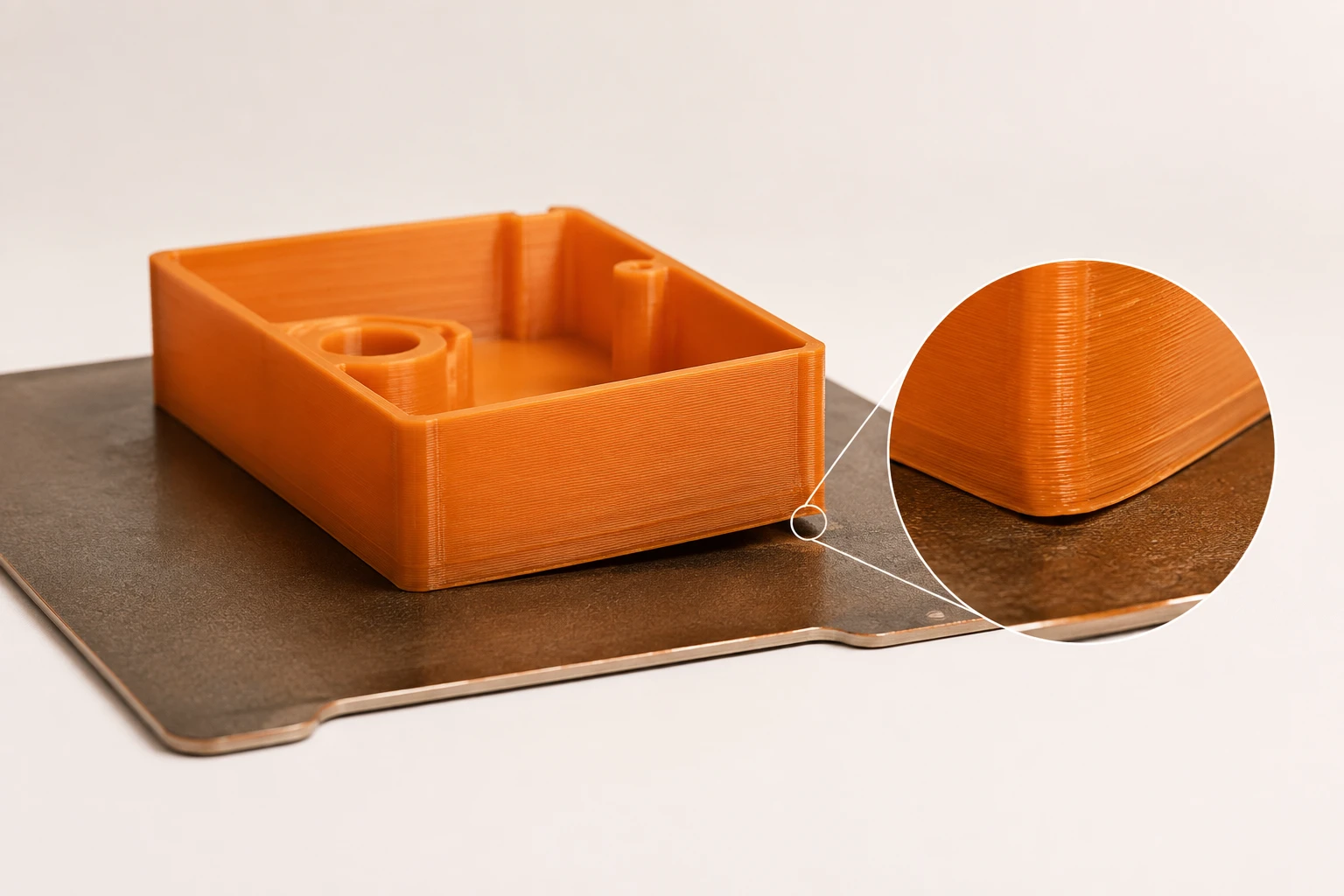
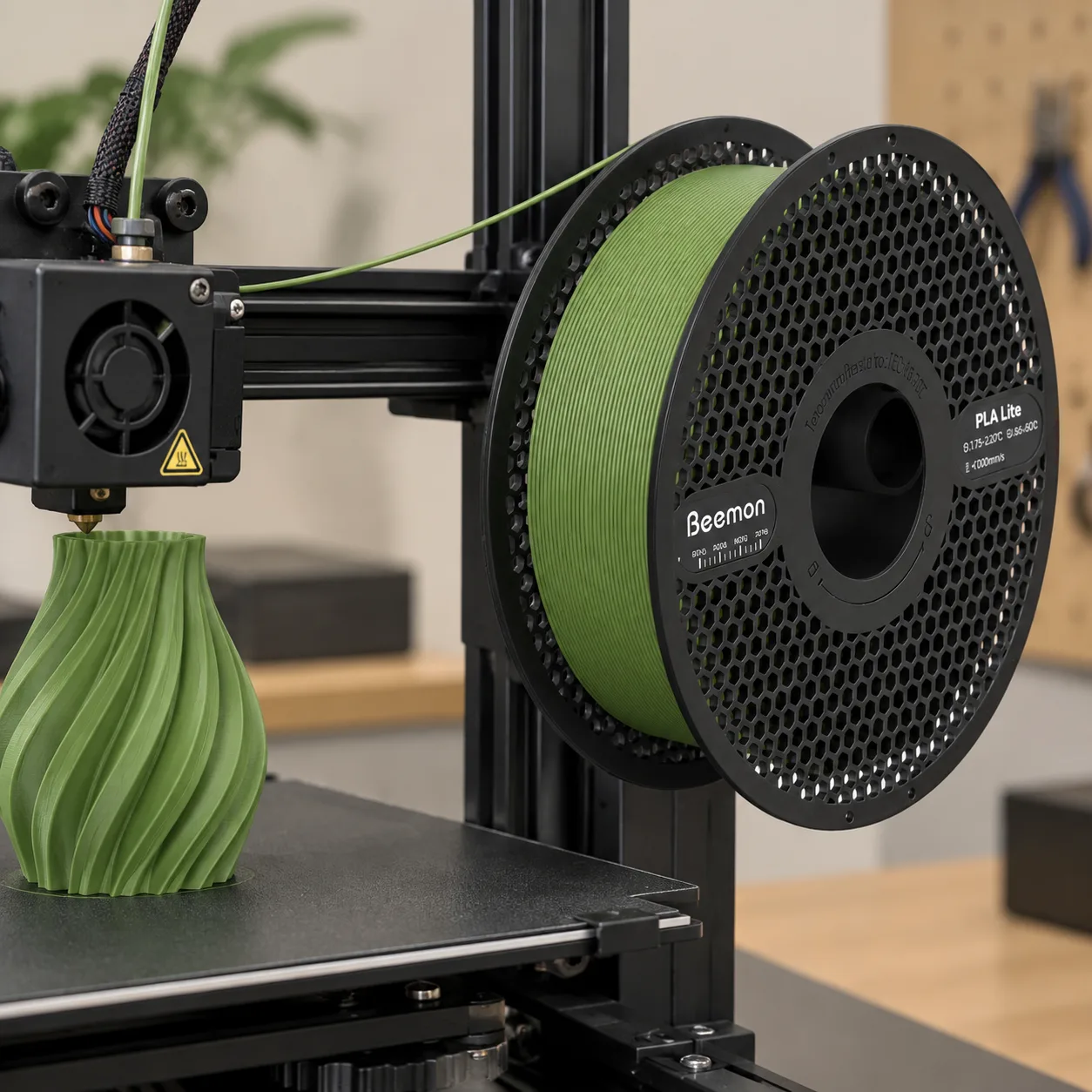
Runs on the ordinary PLA profile: nozzle temperature 195-225 °C, standard 1.75mm FDM machines, no firmware or hardware change. The matte surface prints cleanly on a textured plate and on a smooth plate alike, so one spool covers display parts and functional parts without re-tuning between them. 1 kg net filament per spool, approximately 335 metres of strand per roll.

Technical Data

Specifications

Diameter 1.75mm
Material PLA

Print Profile

OEM Matte PLA+ prints best at 195-225°C nozzle.

Nozzle Temp195-225°C

Spool Specification

Spool details for your feeding and handling setup.

Gross Weight1.3 kg
LengthOther
Spool Size (L×W×H)19.5 × 19.5 × 6.5 cm
Pack FormatPiece

What You Receive

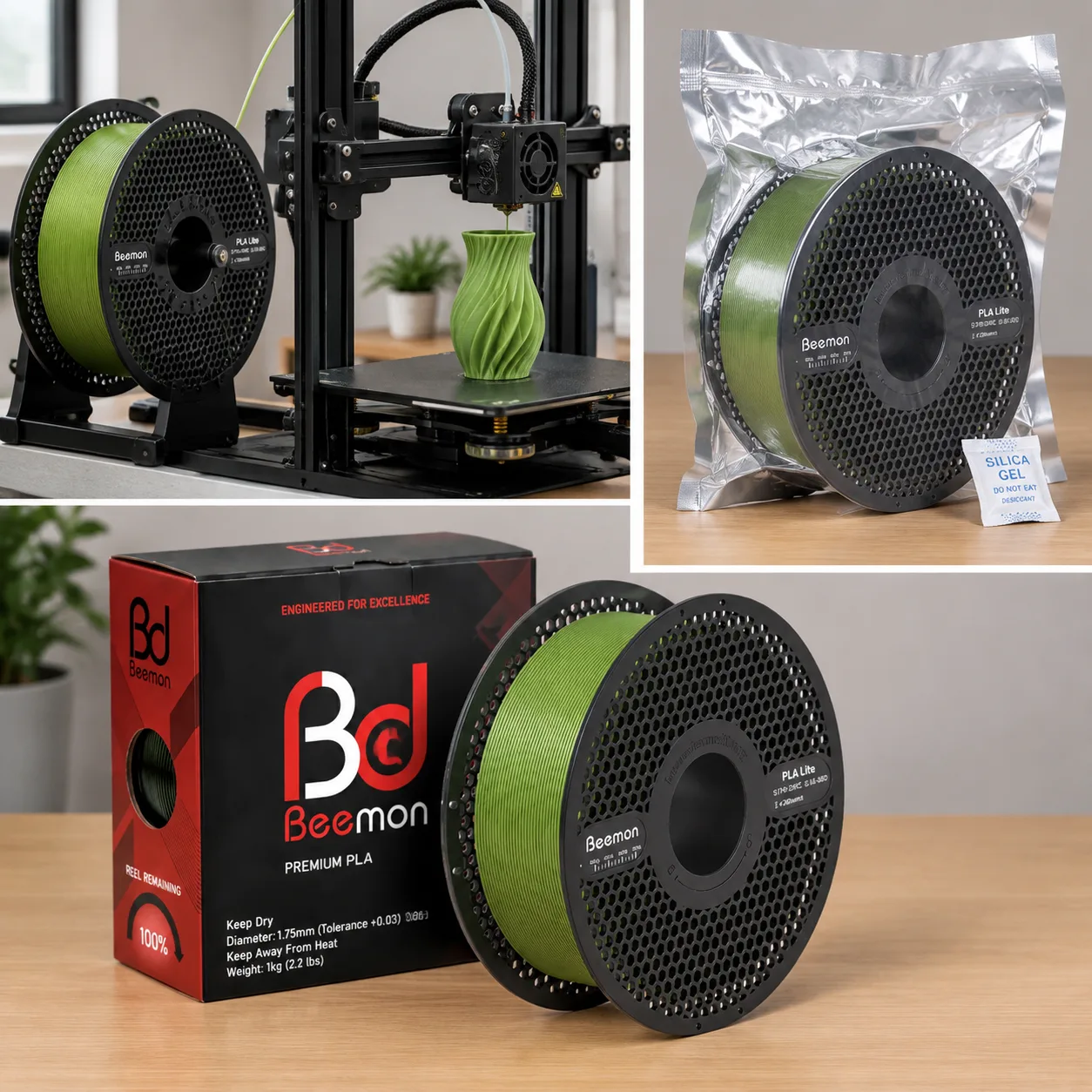
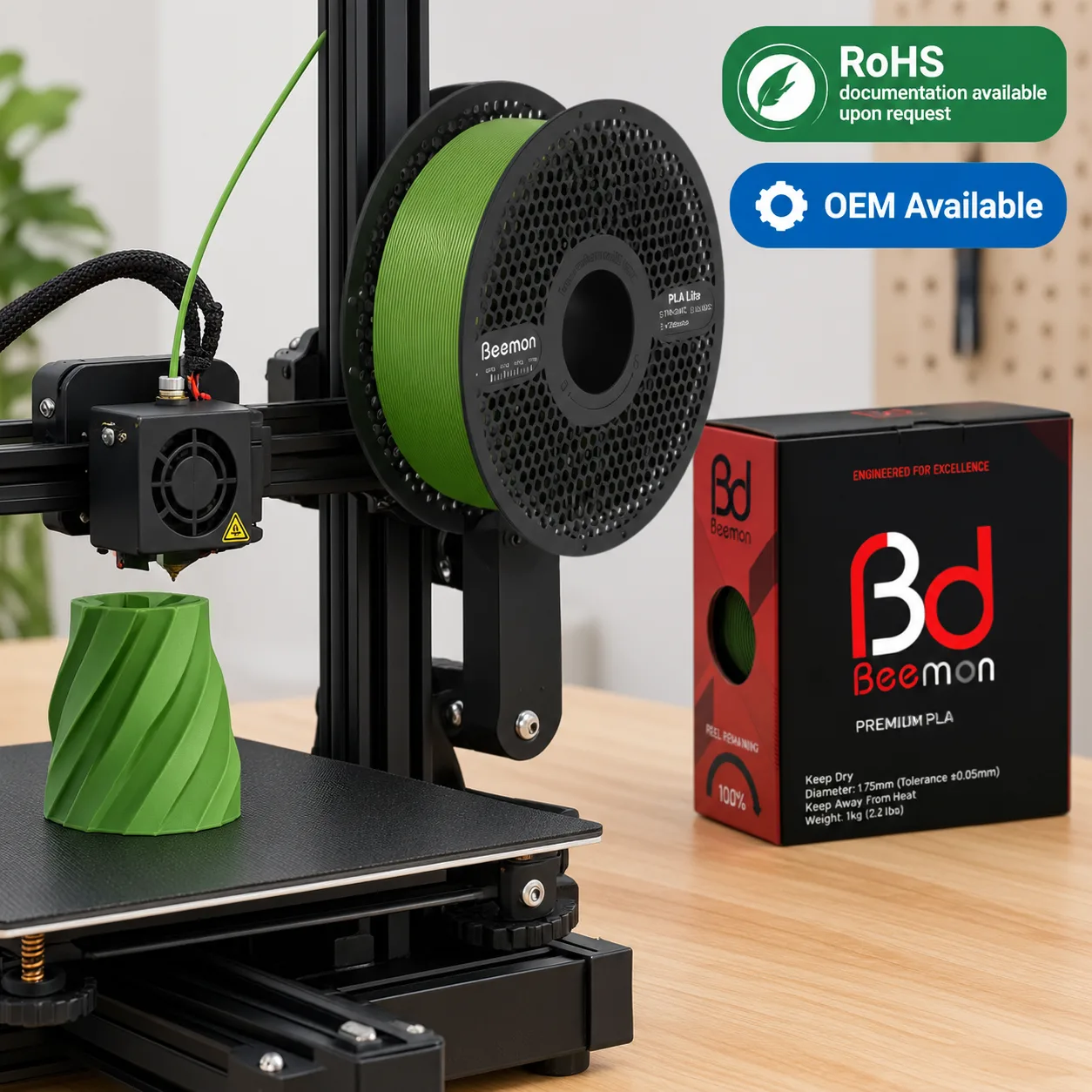
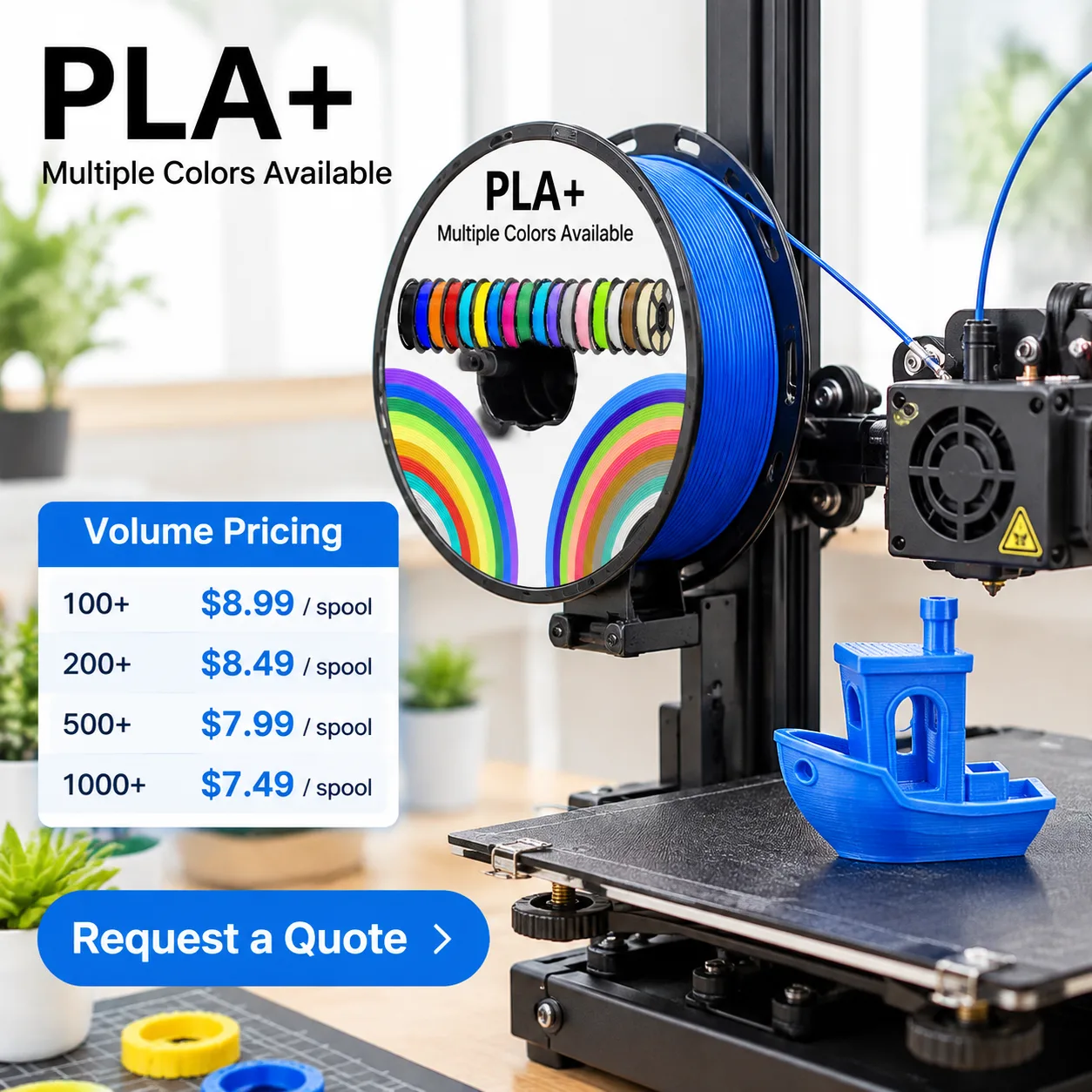
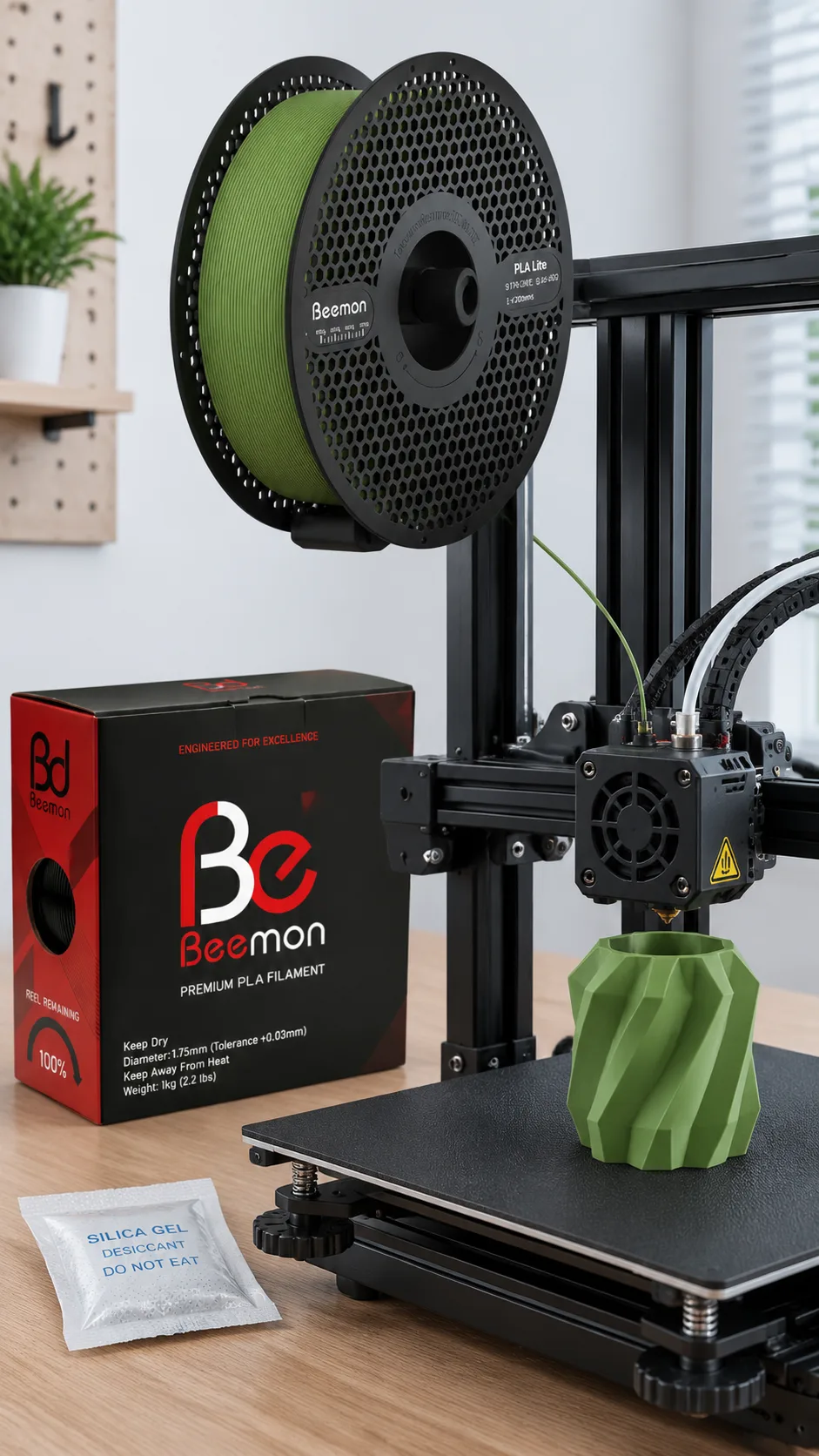
1.75mm diameter held to a tight band spool to spool, measured as it is wound, so extrusion stays consistent across a batch of parts. 1 kg net filament per spool - not a short-spool count - vacuum-sealed with desiccant so nothing arrives wet. Distributor price ladder: MOQ 1 spool, with bulk tiers at 100 and 1000 spools. RoHS documentation available upon request.

  • Vacuum-sealed bag
  • Desiccant pack
  • Arrives dry and ready to print

Attributes

Country / Regionchina
HS Code39169050
Item No.oem-matte-pla-rainbow-matte-finish
Origin Gold Flower
Country/Region of Origin Gold Flower
Product Name Other
Cross-Section Round
Item No. Other
Application 3d Printing
Appearance Other
Length Other
Density Other
Before You Ask

Frequently Asked Questions

What makes Matte PLA Plus different from standard PLA?
The finish, and what that does to surface quality. Standard PLA is semi-gloss, which makes seams, layer lines and extrusion marks visible on a finished part. The matte grade scatters light at the surface, so those marks sit back and a printed model reads as a finished object with far less sanding. It prints in the same PLA window - 195-225 °C nozzle temperature - so nothing in your profile changes.
Which printers is this filament compatible with?
Any standard 1.75mm FDM printer with a PLA-capable hotend - Bambu Lab, Creality, Prusa, Elegoo, Anycubic and similar. Slice it on your usual PLA profile: no firmware, hotend or nozzle upgrade is needed. It prints well through a standard nozzle, and a textured or a smooth build plate both give a clean matte face on the first layer.
What print settings do you recommend?
Nozzle temperature 195-225 °C. Mid-range is the practical start for a balanced layer bond and surface finish; the lower end gives crisper detail, the upper end stronger layer bonding. Use your standard PLA flow and cooling settings as the base recipe, then tune only if the machine runs hot or cold. Let the part cool on the plate before removal to protect the matte face.
How much filament is on each spool?
1 kg net filament per spool at 1.75mm diameter, with no short-spool practice - the net weight is filament, not spool plus packaging. That is approximately 335 metres of strand per roll, so quote from your slicer estimate for the actual model rather than from an average. Winding is even and tangle-free from the first metre to the last.
Which colours are available, and is colour consistent between batches?
Nine matte colours: Matte White as the lead colour, plus Matte Black, Matte Yellow, Matte Green, Matte Olive Green, Matte Apple Green, Matte Turquoise Green, Matte Cyan and Matte Cocoa Brown. Colour is matched against retained reference swatches, so repeat orders keep the same tone, and the matte surface holds that tone across the part instead of shifting with the viewing angle.
What are the main applications for matte white PLA Plus?
Architectural and scale models, prototype housings, product display pieces, cosplay props, education kits and design-review parts where a clean, uniform white matte surface carries the presentation. It is also used for jigs and everyday workshop parts where a low-glare finish is simply easier to inspect. Not for food-contact use or high-temperature service unless a certified grade is specified - ask us about alternatives.
How should the spools be stored?
Each spool arrives vacuum-sealed with a desiccant sachet. Store unopened spools between 15 and 25 °C, out of direct sunlight, and reseal the bag or transfer the spool to a dry container once opened. PLA takes on moisture over time, which shows up as popping at the nozzle, a rougher matte face and weaker layer bonding - so keep opened spools sealed and dry.

Documentation & Downloads

Everything we publish for this material, in one place.