



Blue Harmony PETG Filament 1.75mm Durable

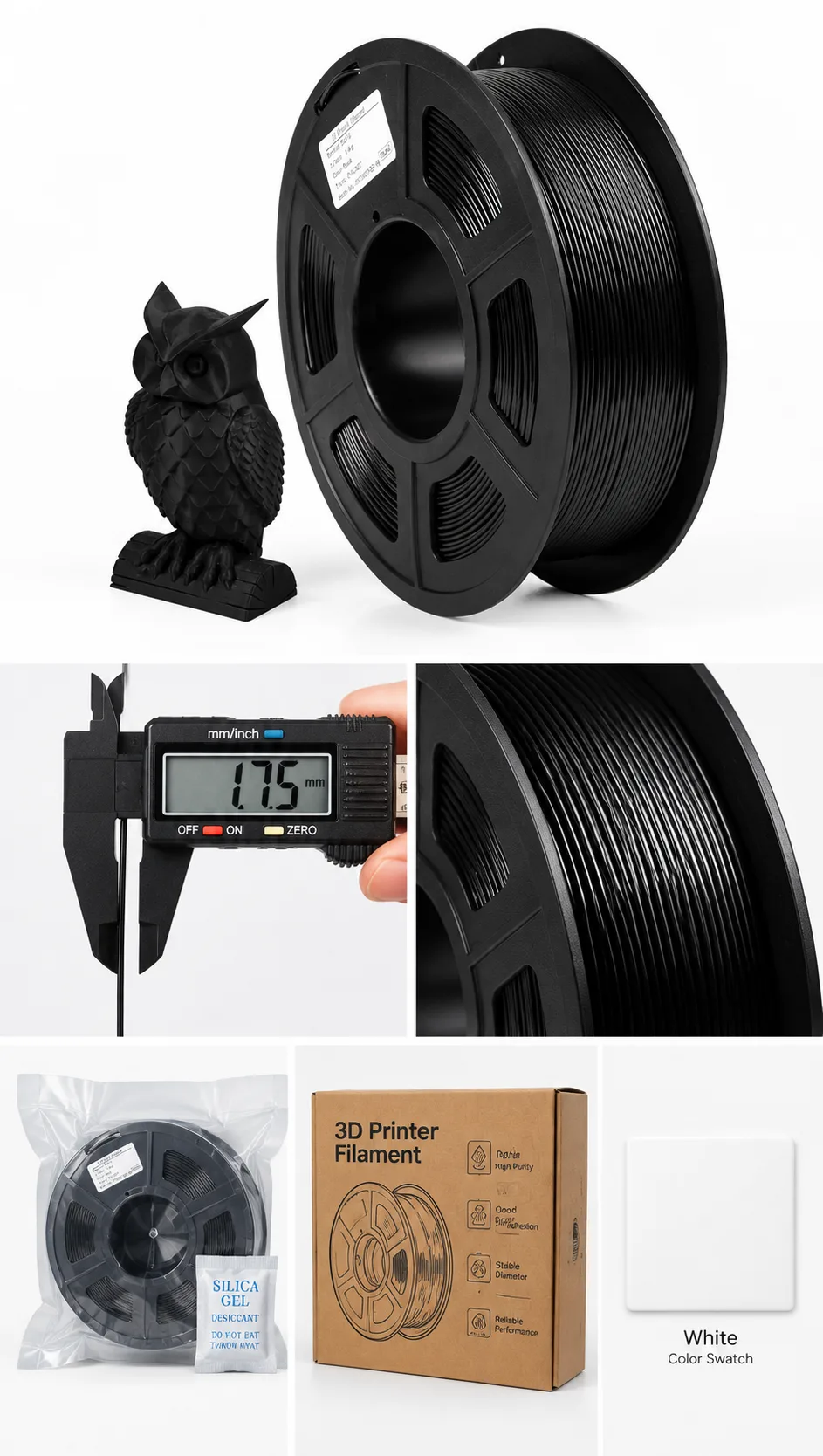
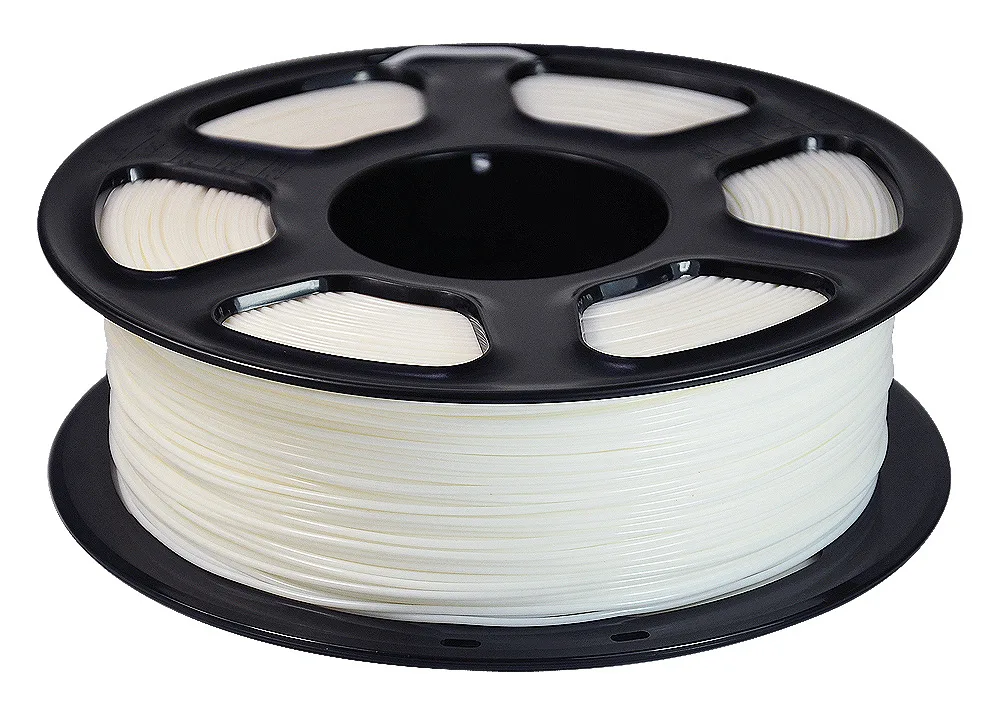
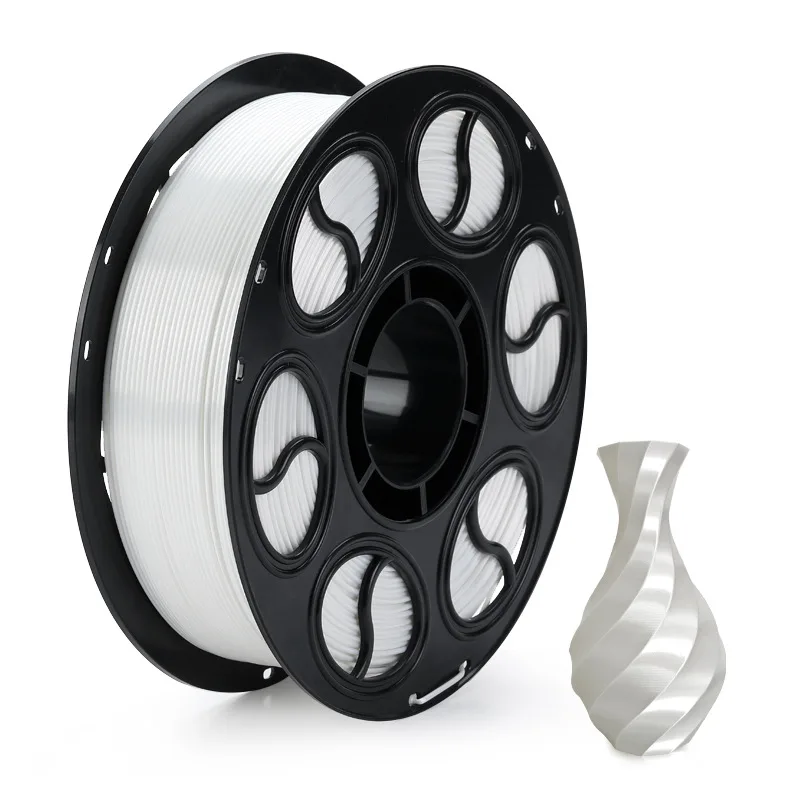
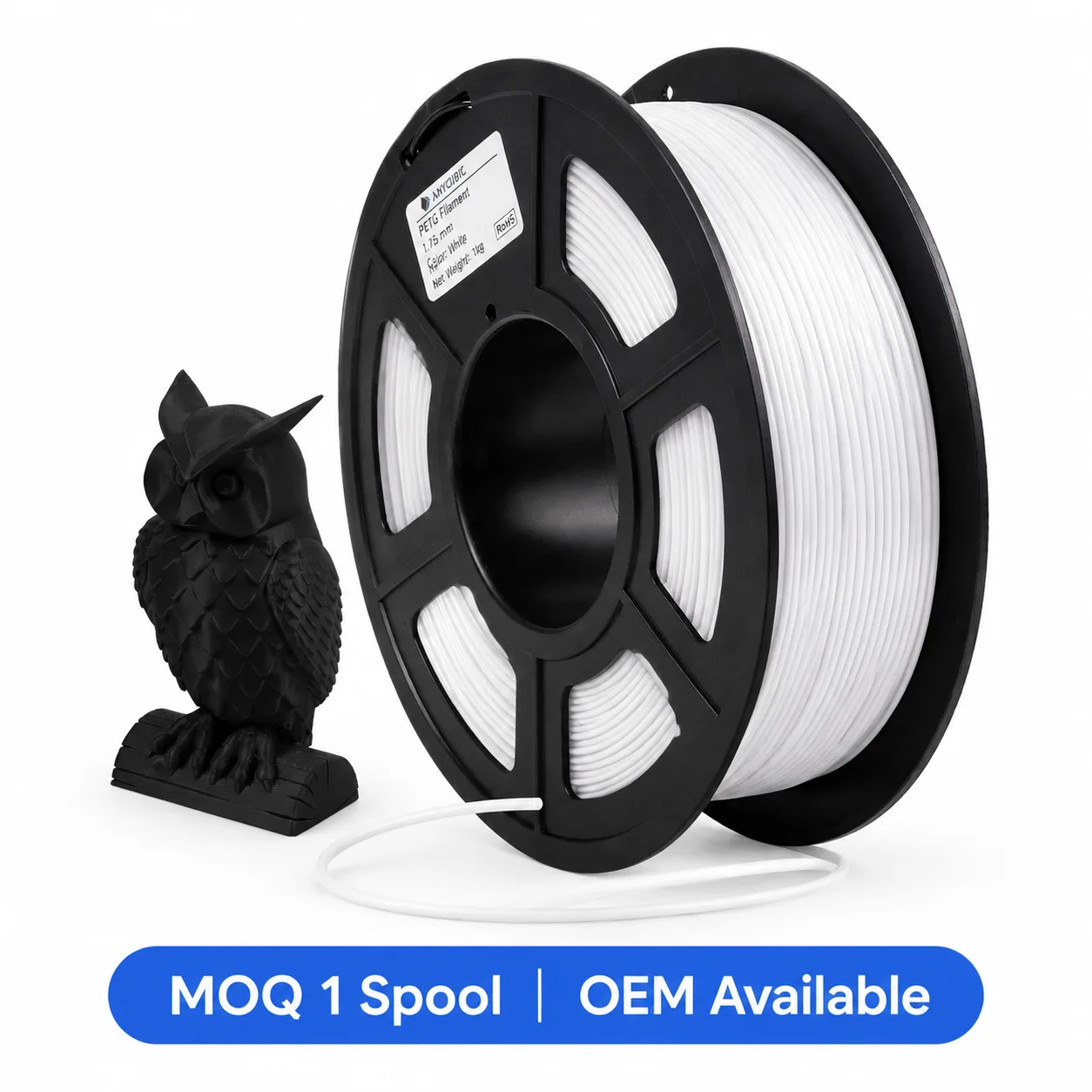
Brand: Yiqiu3D · Translucent white filament hides nothing: thin walls grey out, trowel marks show and two spools from different lots rarely match. This Basic PETG is supplied in a dense, high-opacity White reference, so printed panels and enclosures hold an even tone edge to edge. Order one spool, print your largest flat panel, and judge the coverage before you commit volume.

  • White is the lead colour of this reference
  • Run the nozzle at 230-260 C: the upper half for thick walls that need strong layer-to-layer fusion
Compare filaments
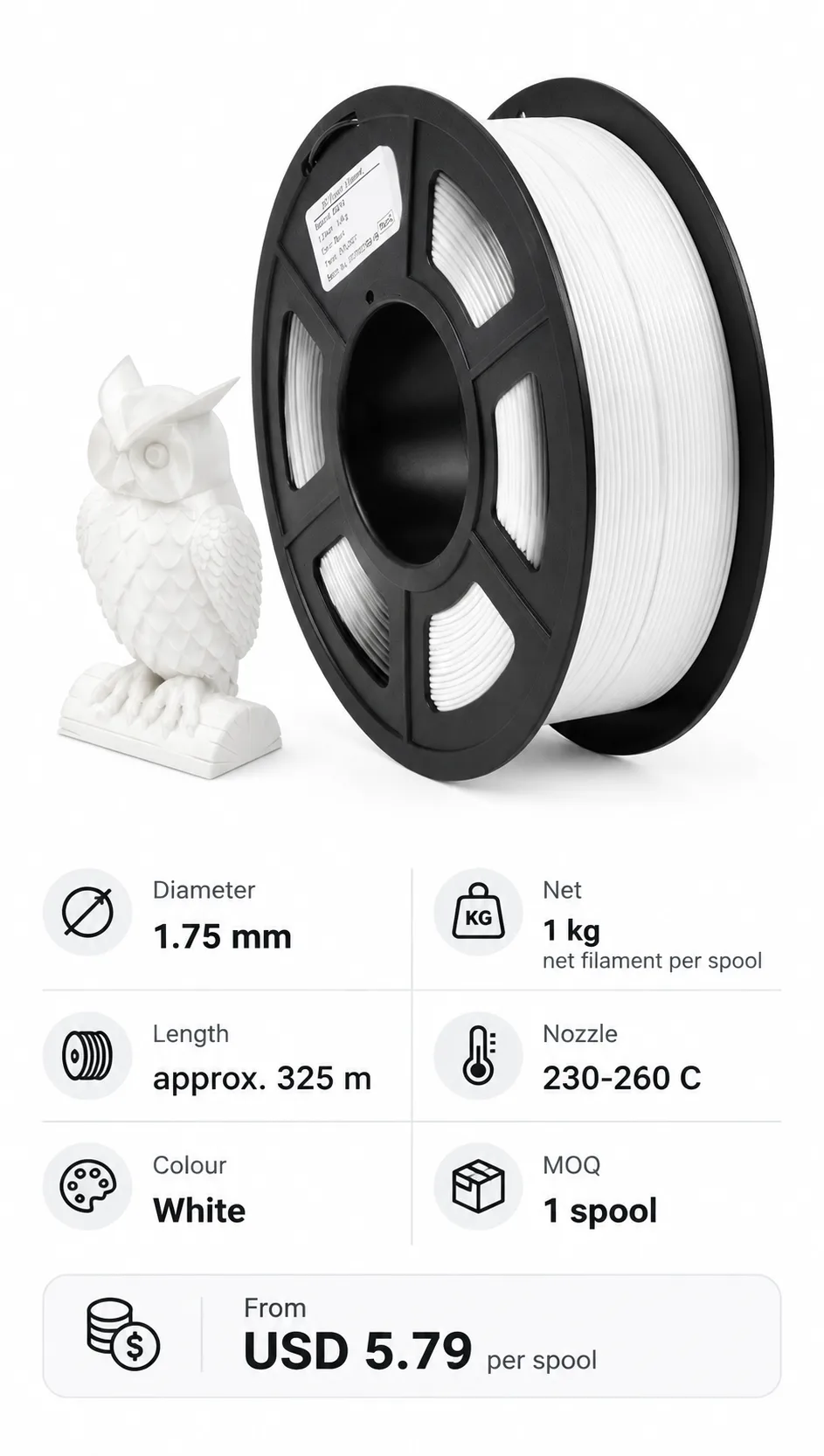
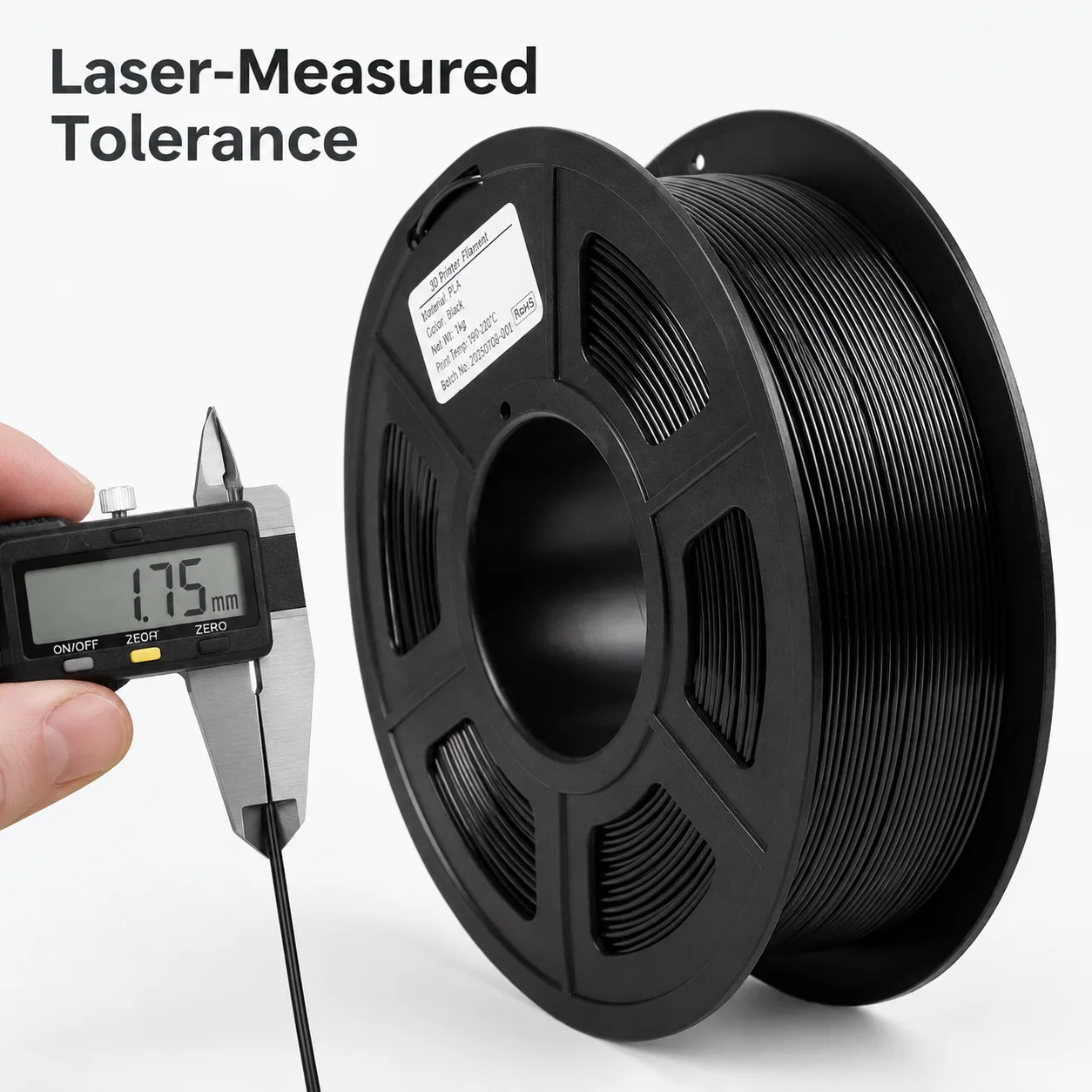
Diameter 1.75mm
Material PETG
Quick Answer

Why choose PETG rather than PLA for white housings and panels?

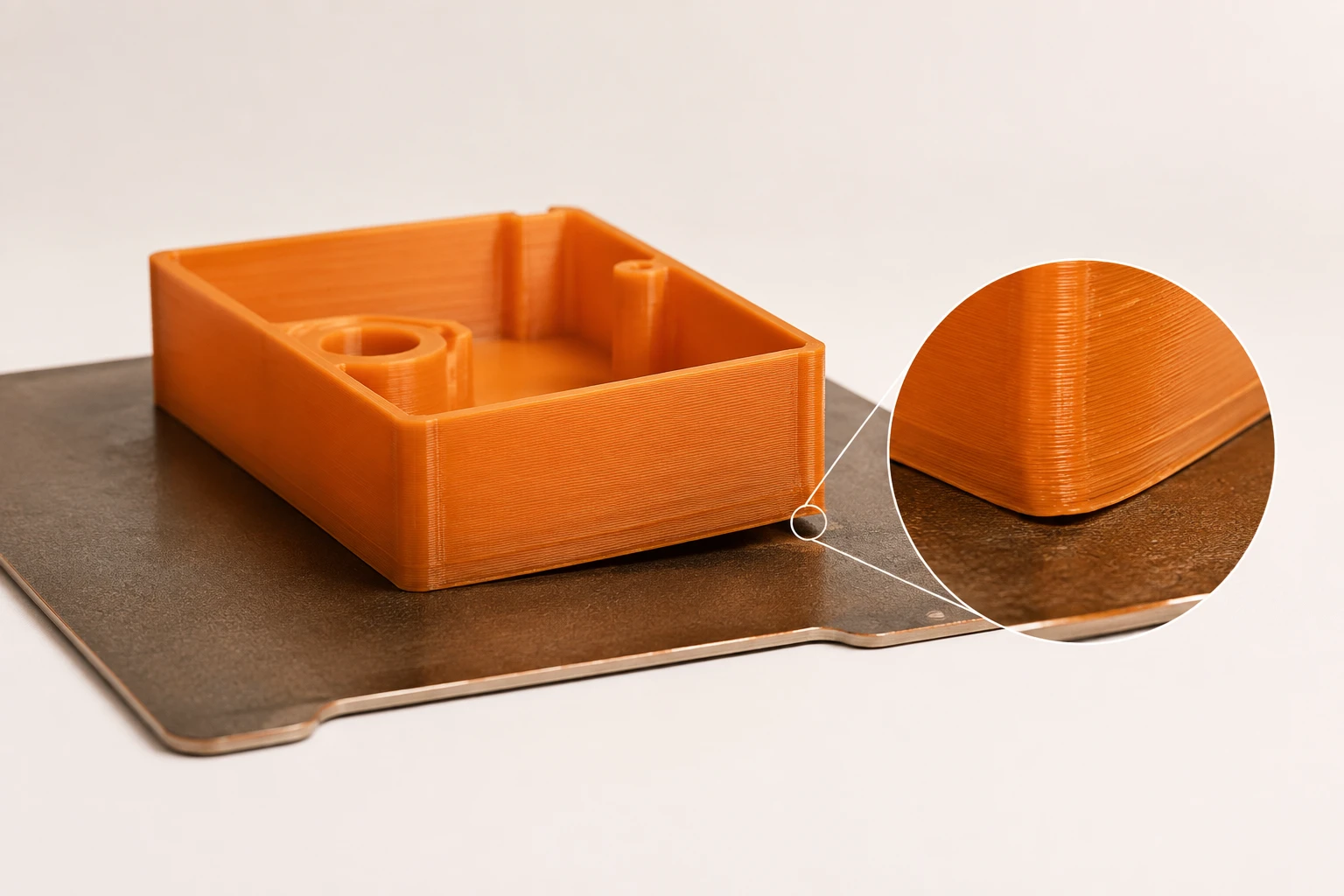
White housings are usually functional parts, and there PETG beats standard PLA: the glycol-modified copolymer fuses layer to layer far better, so a panel resists impact and moisture take-up instead of cracking along the layer lines, and it prints in the 230-260 C window without a heated chamber or a high-temperature hot end. It is not a high-temperature material: above roughly 70 C service temperature, specify ABS or PC instead.

Full answers below
Is it right for my project?

Best for: For durable, moisture- and chemical-resistant parts - outdoor enclosures, brackets and water-adjacent jigs - available in 9 colours; lead colour PETG White. Not ideal for: Not for high-temperature engine-adjacent parts; use ABS or PC above ~70C - available in 9 colours; lead colour PETG White.

Print settings

Nozzle 230-260°C

01 · Why this one

Product highlights

2 reasons

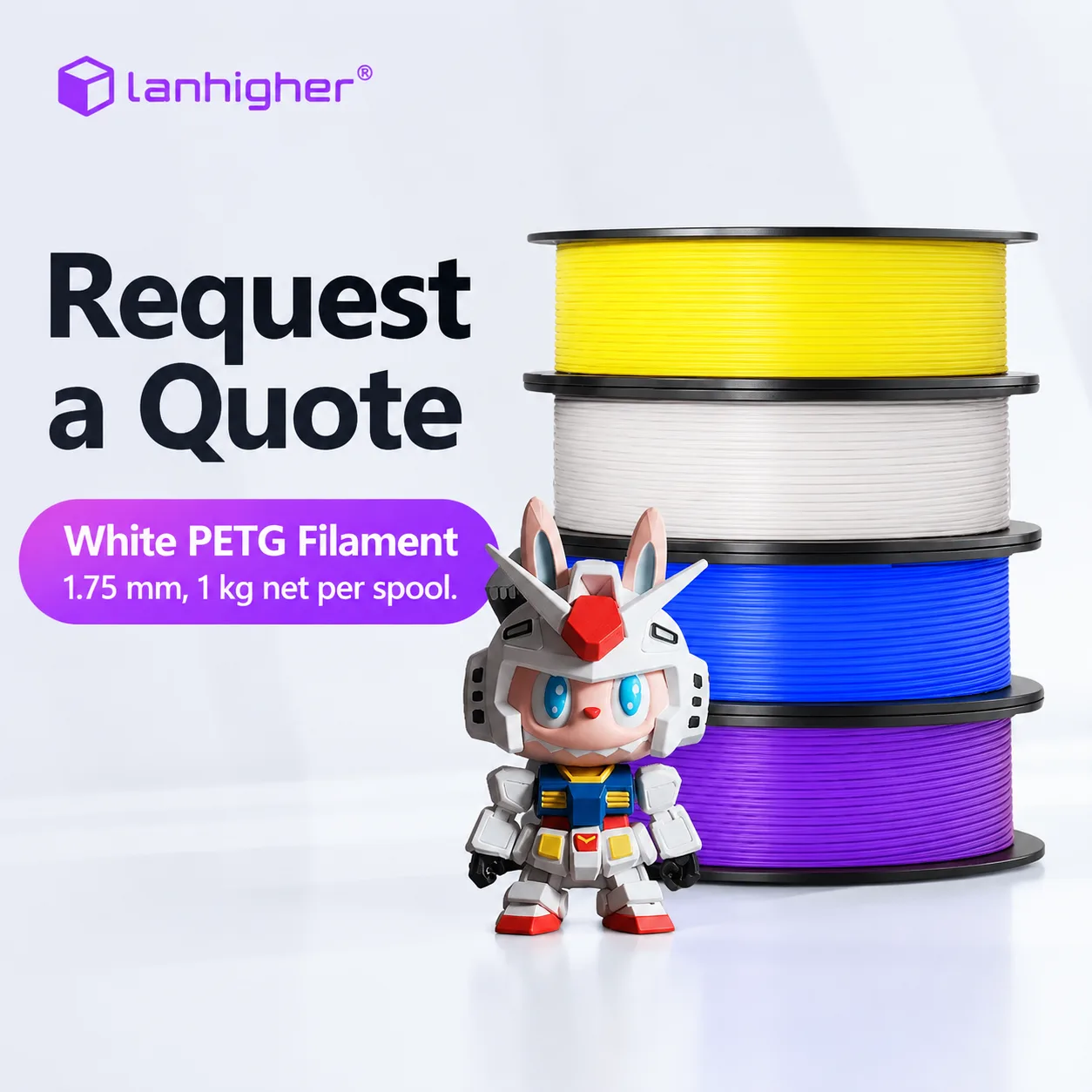
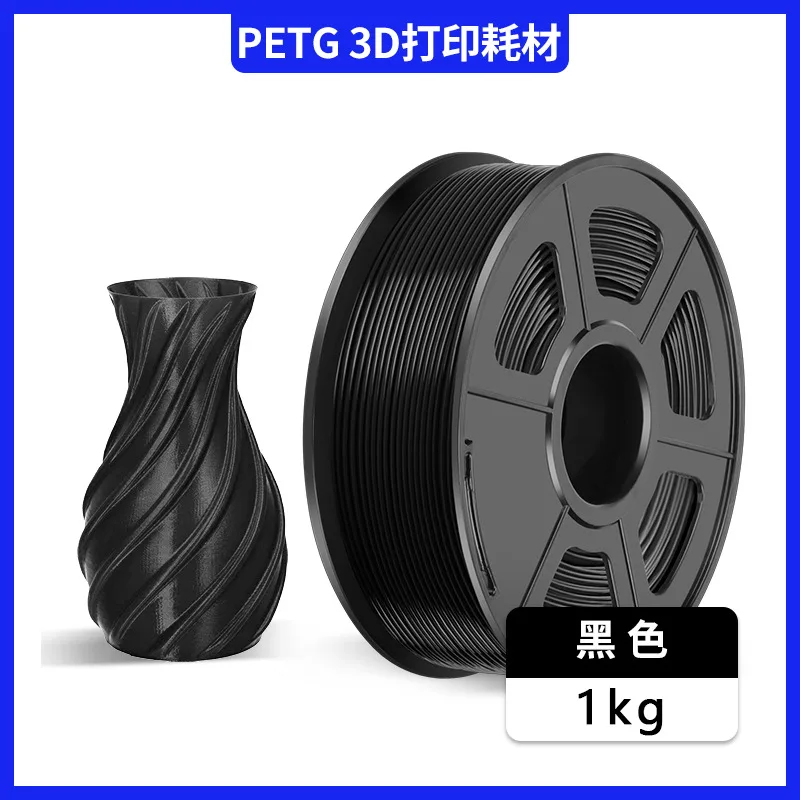
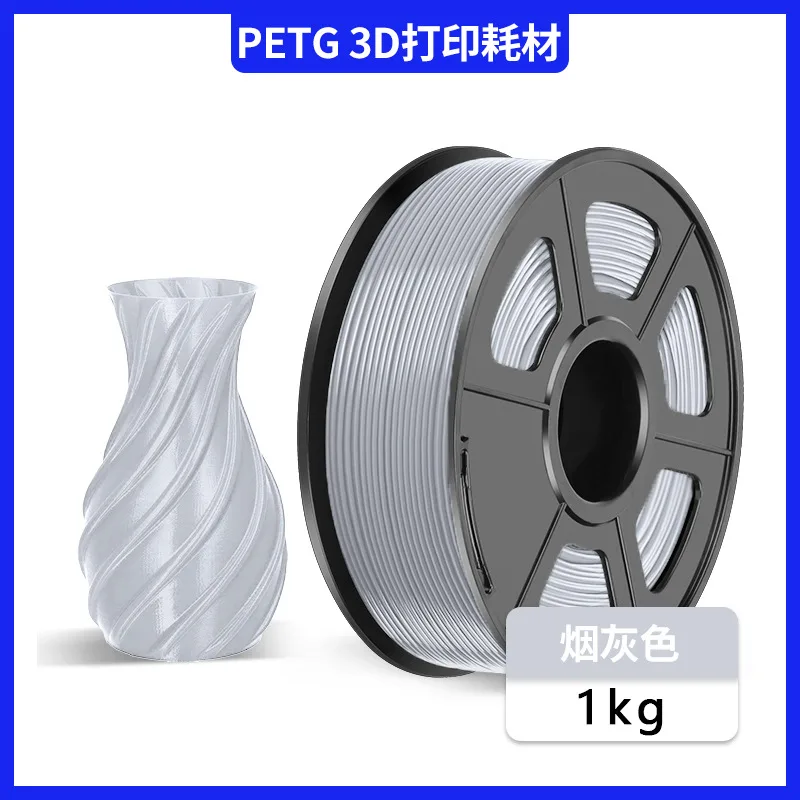
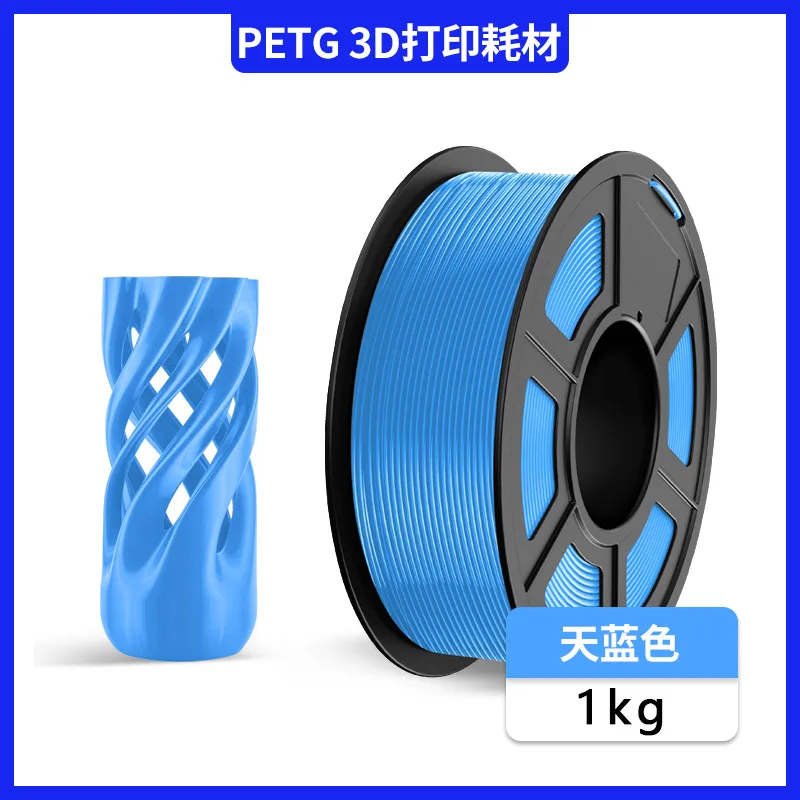
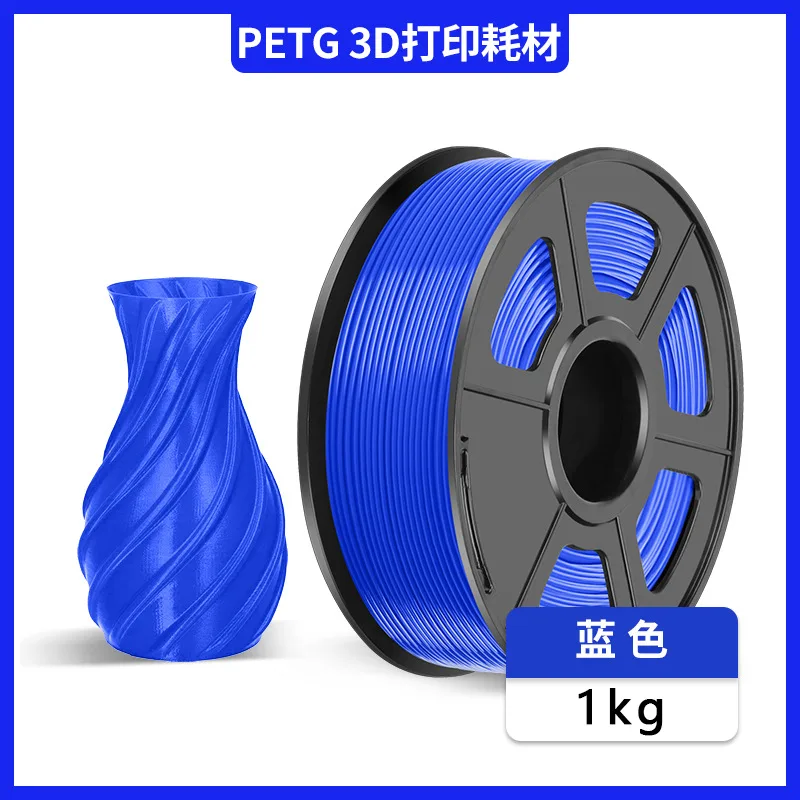
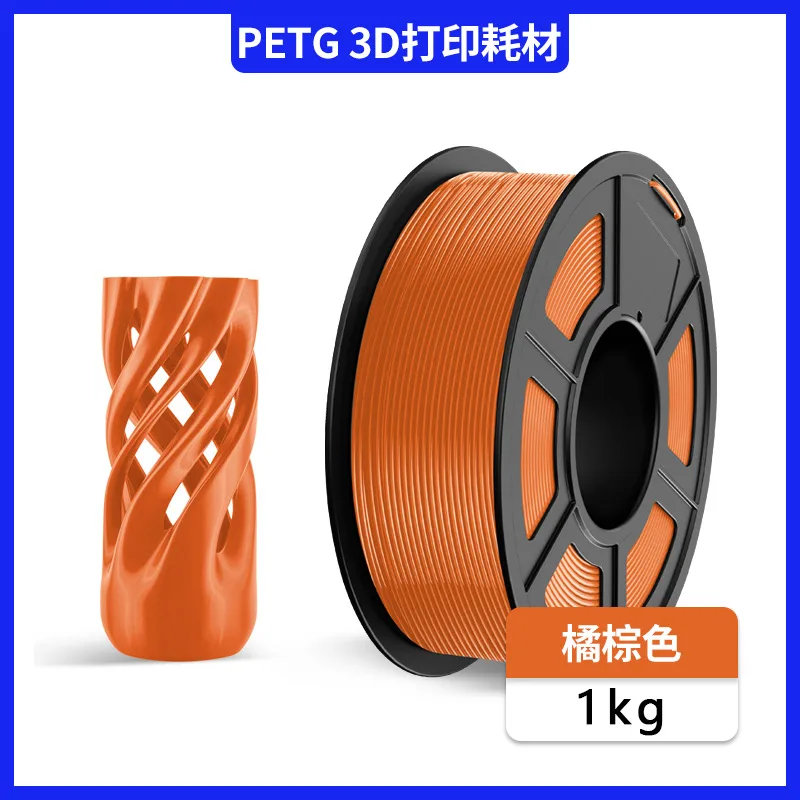
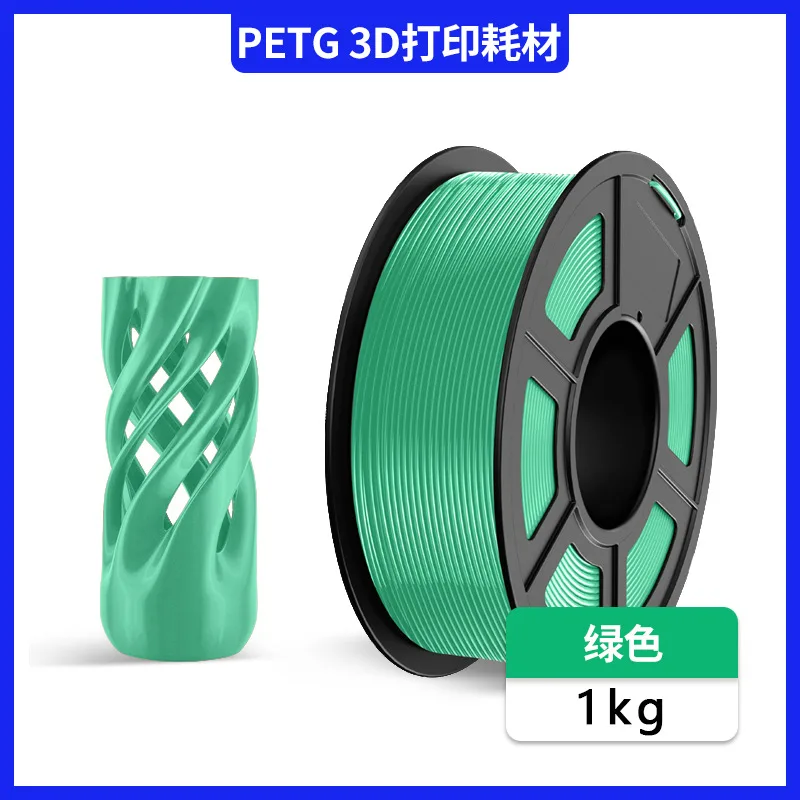
White is the lead colour of this reference, part of a 9-colour PETG family: White, Black, Gray, Ash Gray, Sky Blue Color, Blue, Jungle Green, Brown and Green. Each colour is a single solid shade, so a repeat order arrives as the same white rather than a near match. Send us a physical swatch or a Pantone reference and we will match it against the range.

Run the nozzle at 230-260 C: the upper half for thick walls that need strong layer-to-layer fusion, the lower half for crisper surface detail. PETG is stiffer than TPU, so any standard 1.75 mm hot end with a direct-drive or short feed path handles it, and it needs no heated chamber. A lightly adhesived plate and a slower first layer keep large flat white panels from lifting.

Technical Data

Specifications

Diameter 1.75mm
Material PETG

Print Profile

Blue Harmony PETG Filament 1.75mm Durable prints best at 230-260°C nozzle.

Nozzle Temp230-260°C

Spool Specification

Spool details for your feeding and handling setup.

Gross Weight1.35 kg
Spool Size (L×W×H)25 × 25 × 8 cm
Pack FormatPiece
Spool TypeRound Spool

Attributes

Country / Regionchina
HS Code39169010
Item No.blue-harmony-petg-durable-nature-tones
Diameter 1.75mm
Appearance Round Spool
Diameter 1.75mm
Appearance Round Spool
Before You Ask

Frequently Asked Questions

Why choose PETG rather than PLA for white housings and panels?
White housings are usually functional parts, and there PETG beats standard PLA: the glycol-modified copolymer fuses layer to layer far better, so a panel resists impact and moisture take-up instead of cracking along the layer lines, and it prints in the 230-260 C window without a heated chamber or a high-temperature hot end. It is not a high-temperature material: above roughly 70 C service temperature, specify ABS or PC instead.
Which printers does it run on?
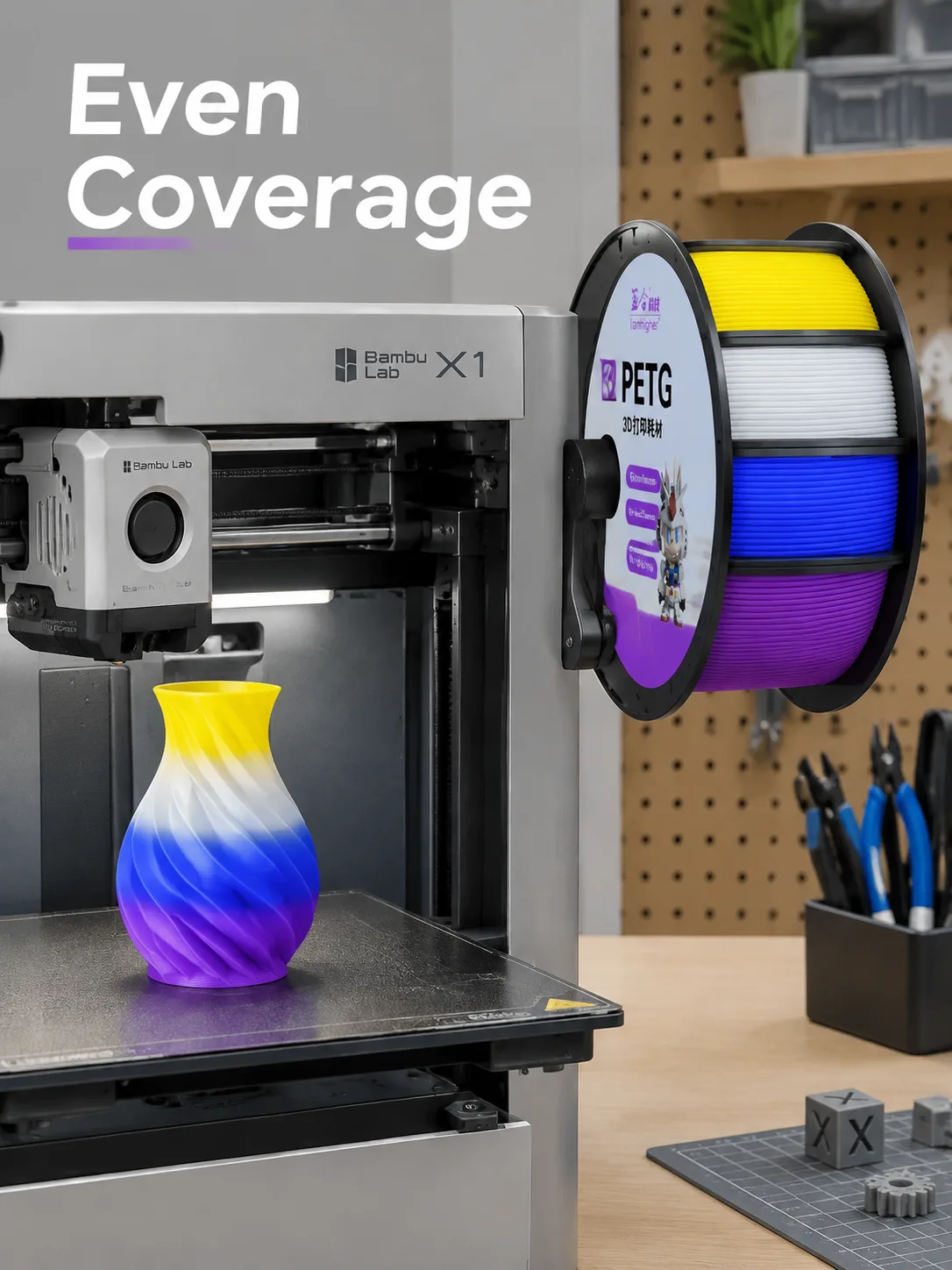
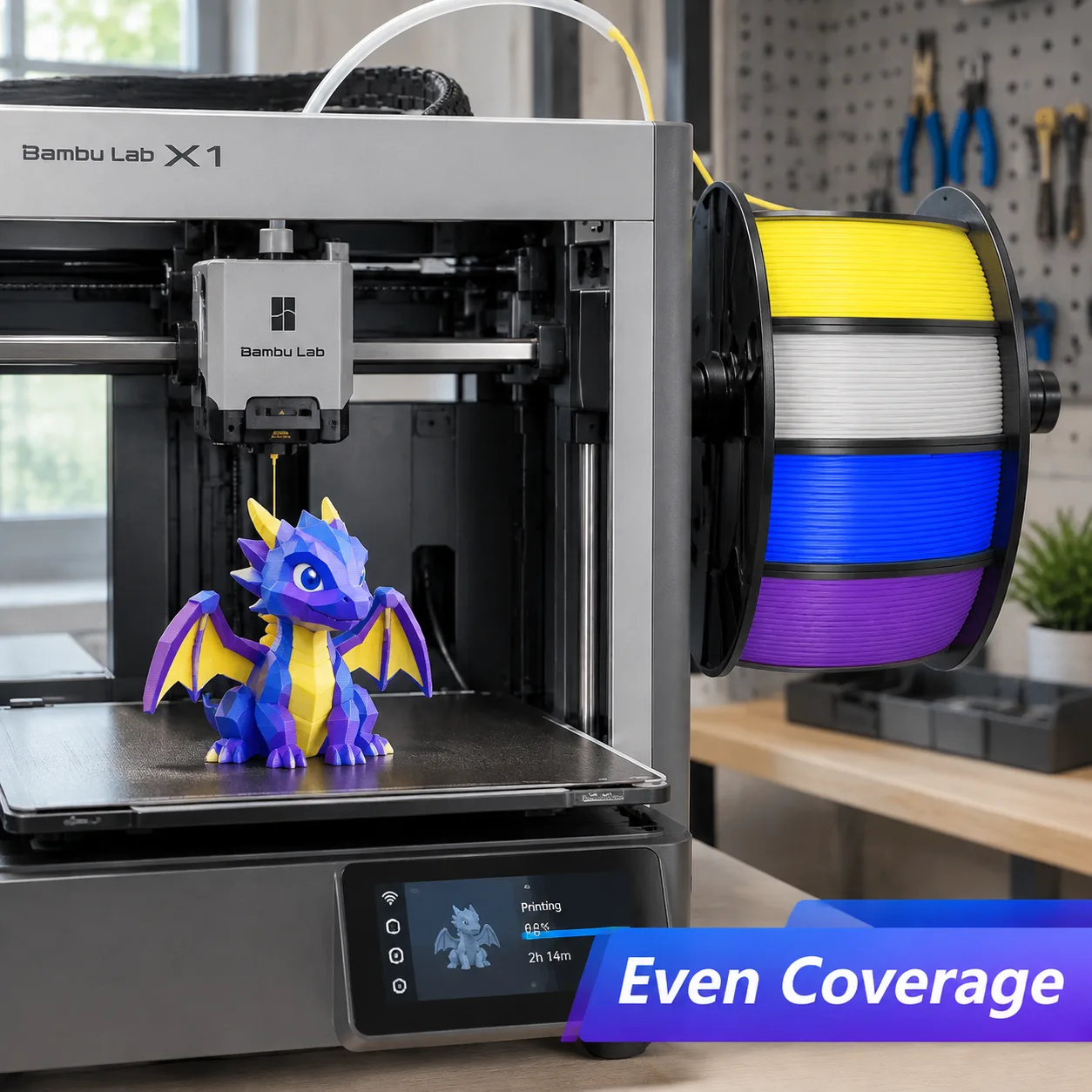
Any standard 1.75 mm FDM machine: Bambu Lab X1 and P1 series, Creality Ender and K1 series, Prusa MK4 and XL, Anycubic, Elegoo and the common clone platforms, provided the hot end reaches 260 C. A glass bed, a PEI sheet or a textured plate all work; add a light adhesive if the first layer is marginal on your machine. Tell us the model and we will confirm the spool and the hot end before you order.
What print settings do you recommend?
Nozzle temperature 230-260 C, the recorded value for this grade. Start near 250 C for enclosures and structural parts so the walls fuse, and drop toward 230 C when surface detail matters more. This listing does not publish a bed temperature, a print speed or a layer height, so take those from your printer profile. Dry the spool first if the strand has been sitting in open air, and slow the outer perimeter for even white coverage.
How much filament is on one spool?
1 kg net filament per spool, plus the spool and the packaging. In 1.75 mm diameter that is approximately 325 m of strand, which is roughly fifteen to twenty medium-size parts on a desktop machine. The weight we quote and invoice is 1 kg net filament per spool; the spool and the carton are additional and are not counted in that figure.
Which colours are available, and how consistent is the white?
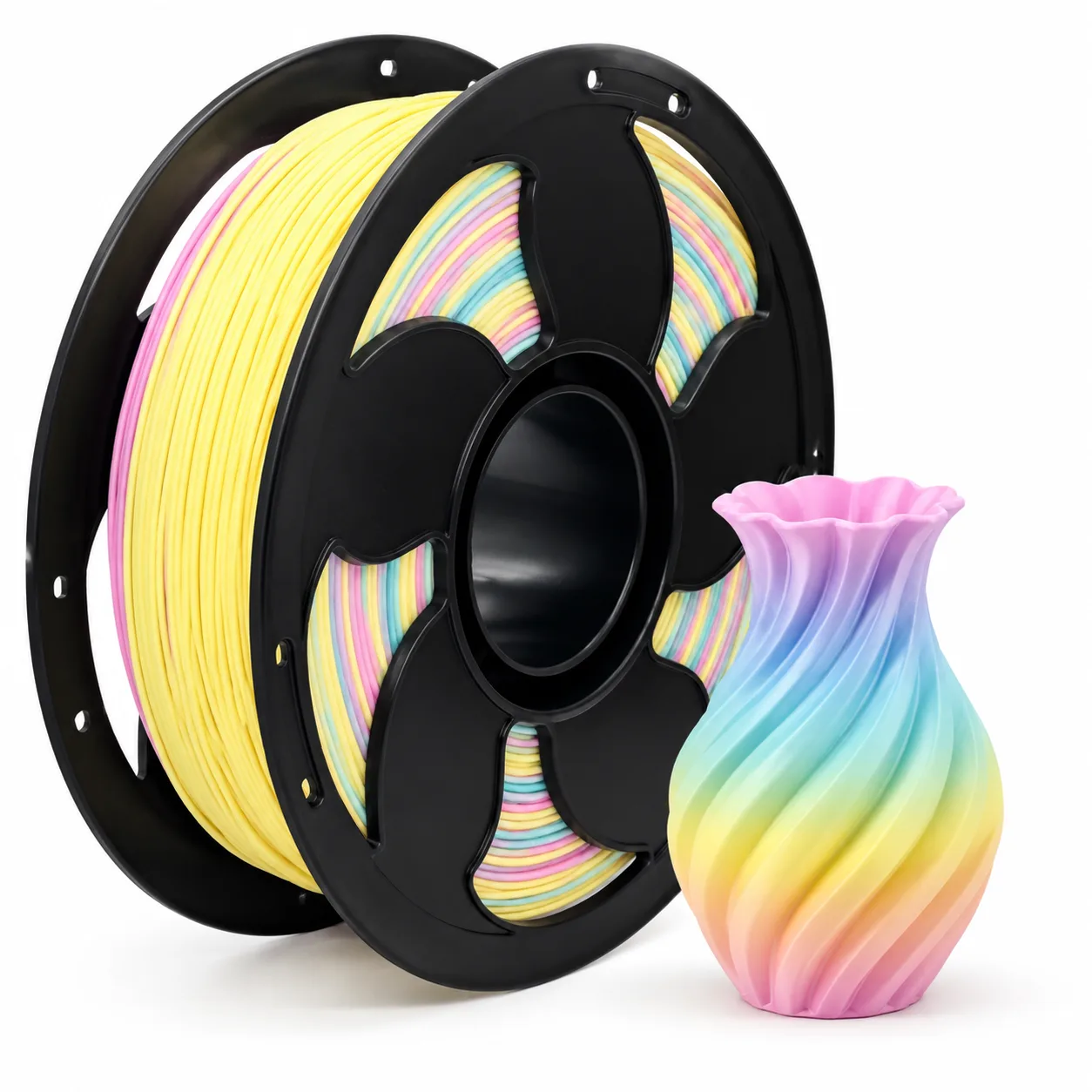
Nine solid colours in this reference: White, Black, Gray, Ash Gray, Sky Blue Color, Blue, Jungle Green, Brown and Green. White and Ash Gray are different shades, and every colour is a single solid tone rather than a gradient. Pigment is compounded into the resin before extrusion and production runs one process window, so a repeat order arrives as the same white, which matters when a customer sees two panels side by side.
What should I print with it?
Durable, moisture- and chemical-resistant parts where a clean white surface matters: outdoor equipment housings, wall plates and covers, garden hardware, brackets and water-adjacent jigs, workshop fixtures and jigs, machine guards, appliance knobs and clips, retail display pieces, and educational models. Above roughly 70 C service temperature, specify ABS or PC instead of PETG.
How is the spool packed and stored?
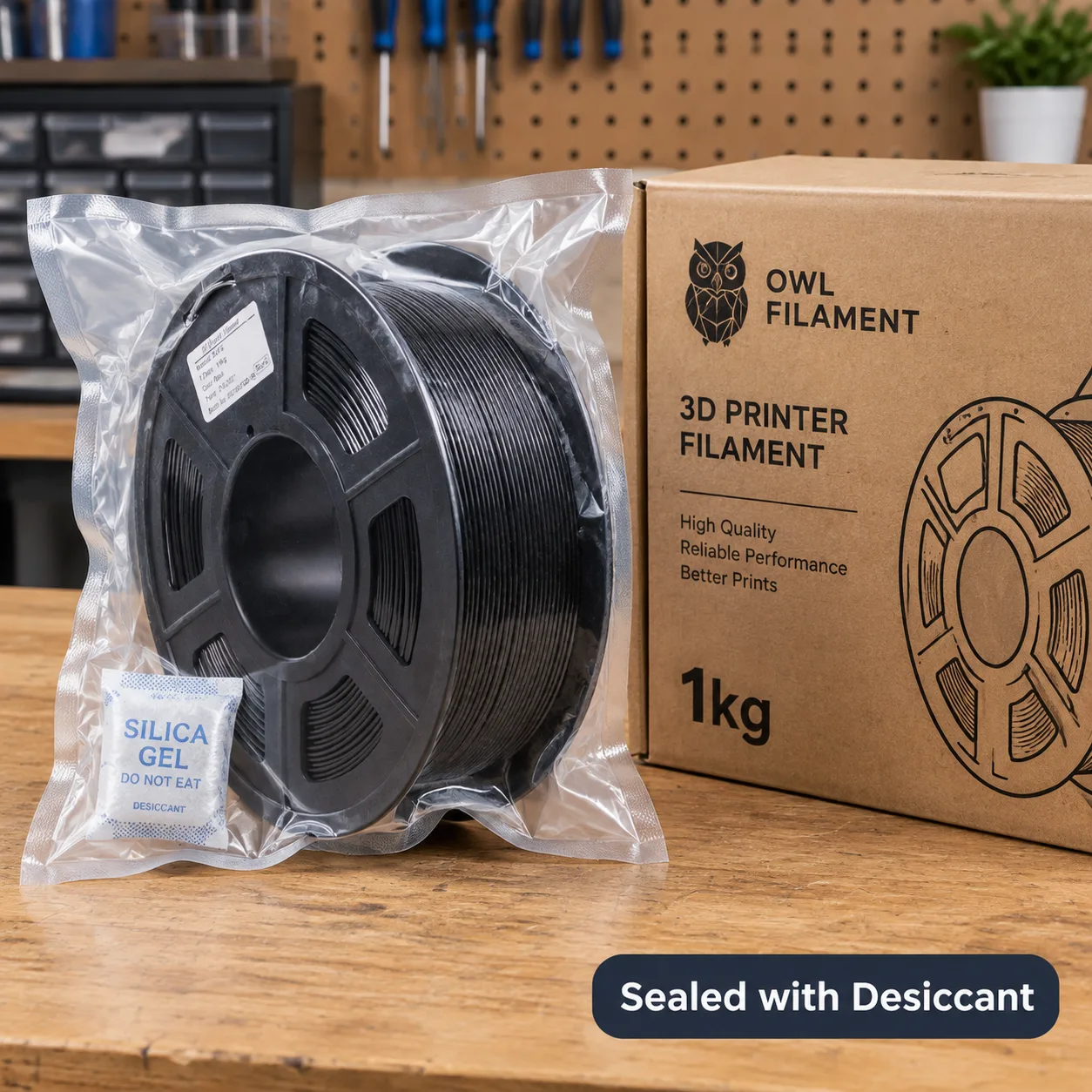
The spool ships vacuum sealed with a desiccant sachet inside the printed carton, so it arrives dry and ready to mount. PETG takes up moisture from open air, and a wet spool prints with steam pops, stringing and weak layer bonding, so reseal the roll between jobs or keep it in a dry cabinet. Store it out of direct sunlight and away from heat, and leave the winding untouched so the strand feeds cleanly.

Documentation & Downloads

Everything we publish for this material, in one place.

Ready to Order

Get factory-direct pricing on Blue Harmony PETG Filament 1.75mm Durable

Not sure this is the right material? → Compare filaments