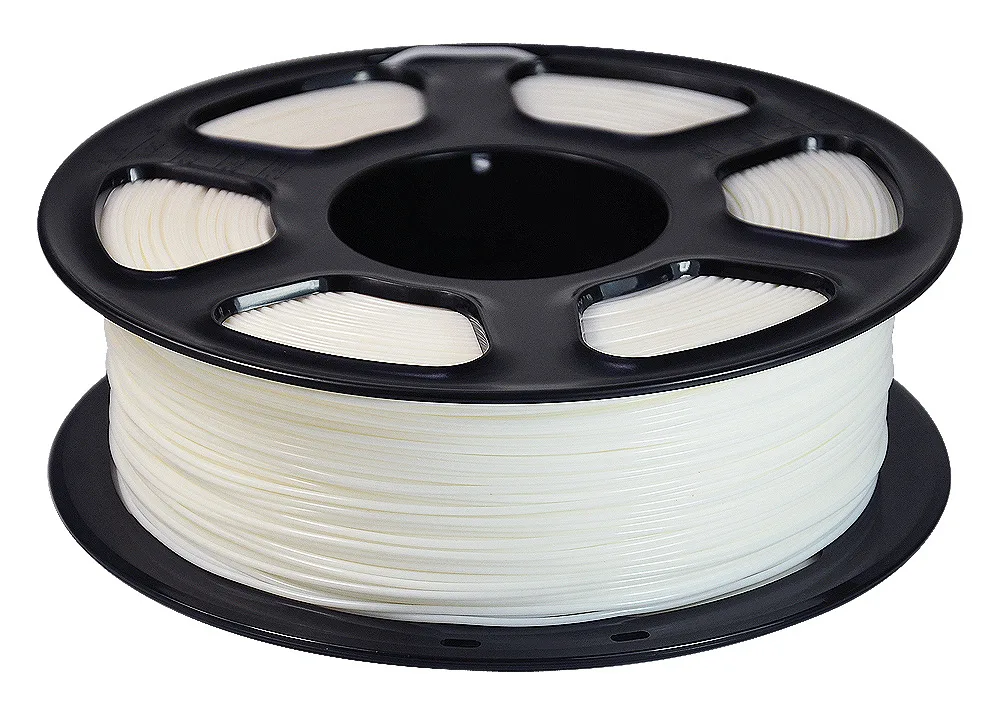
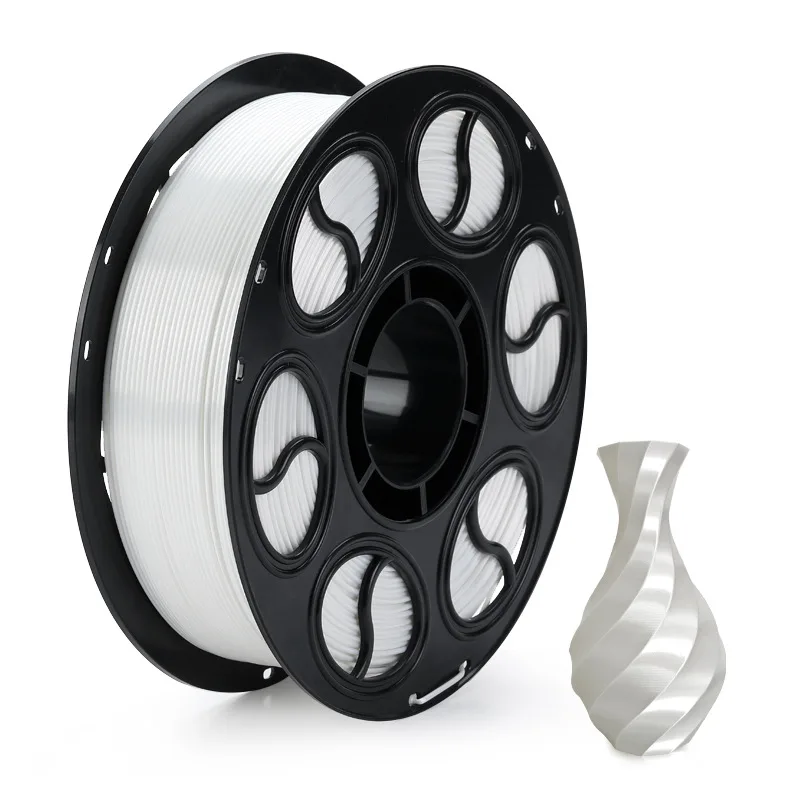
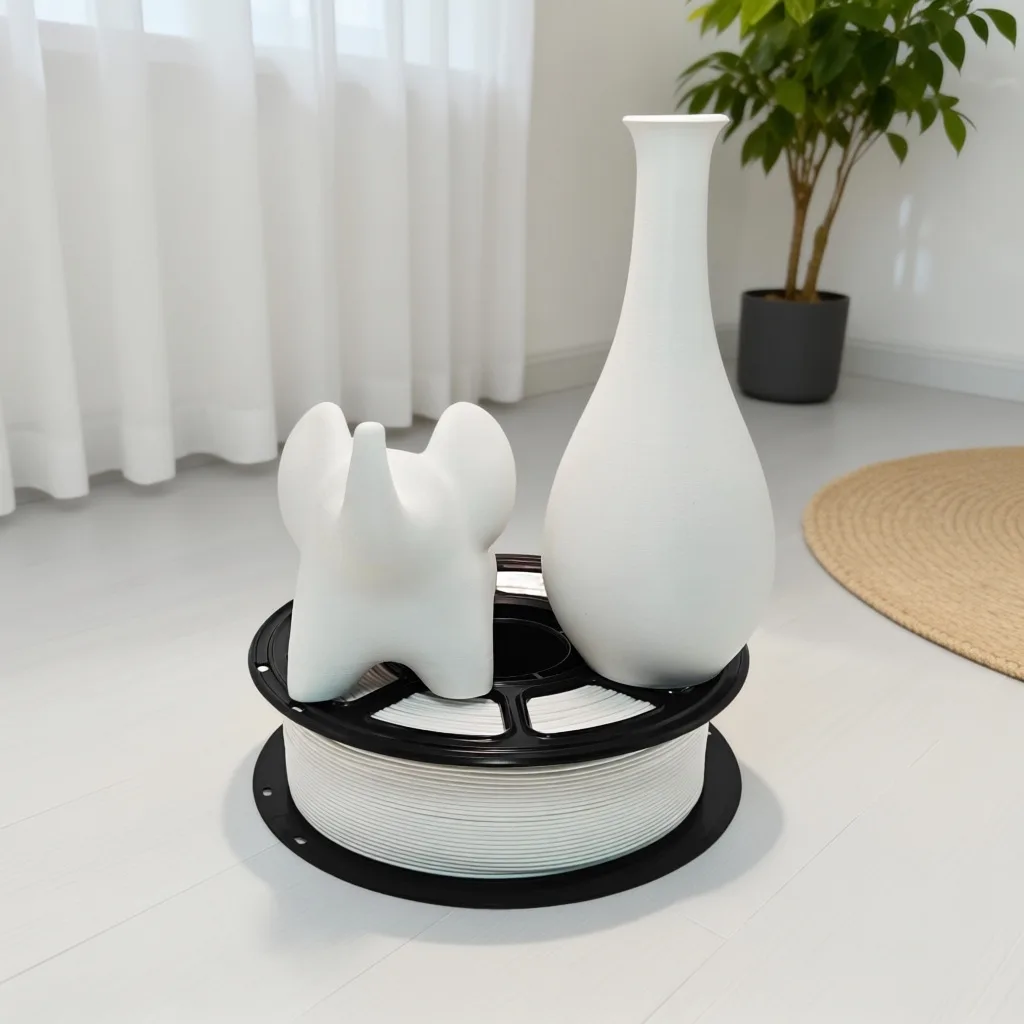
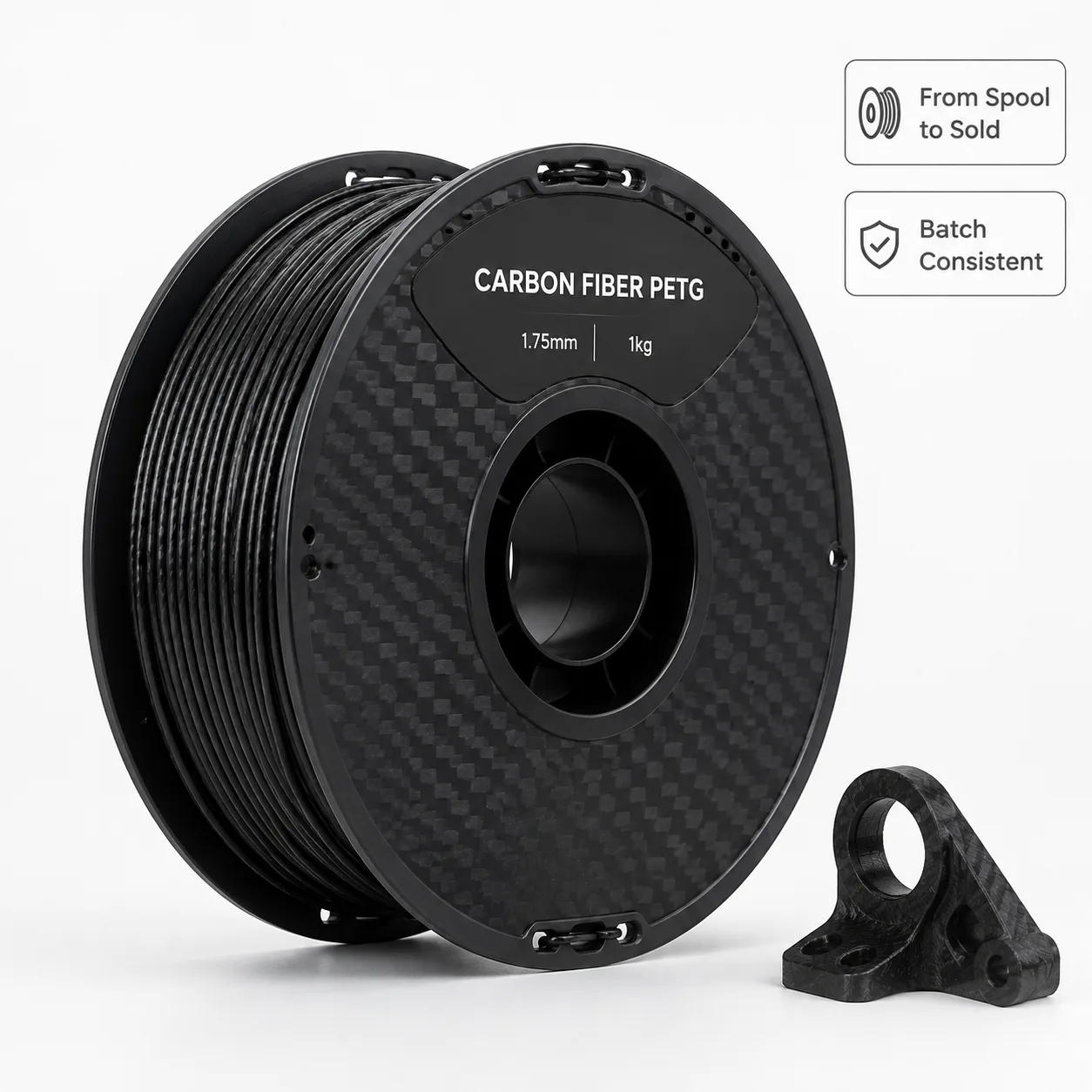
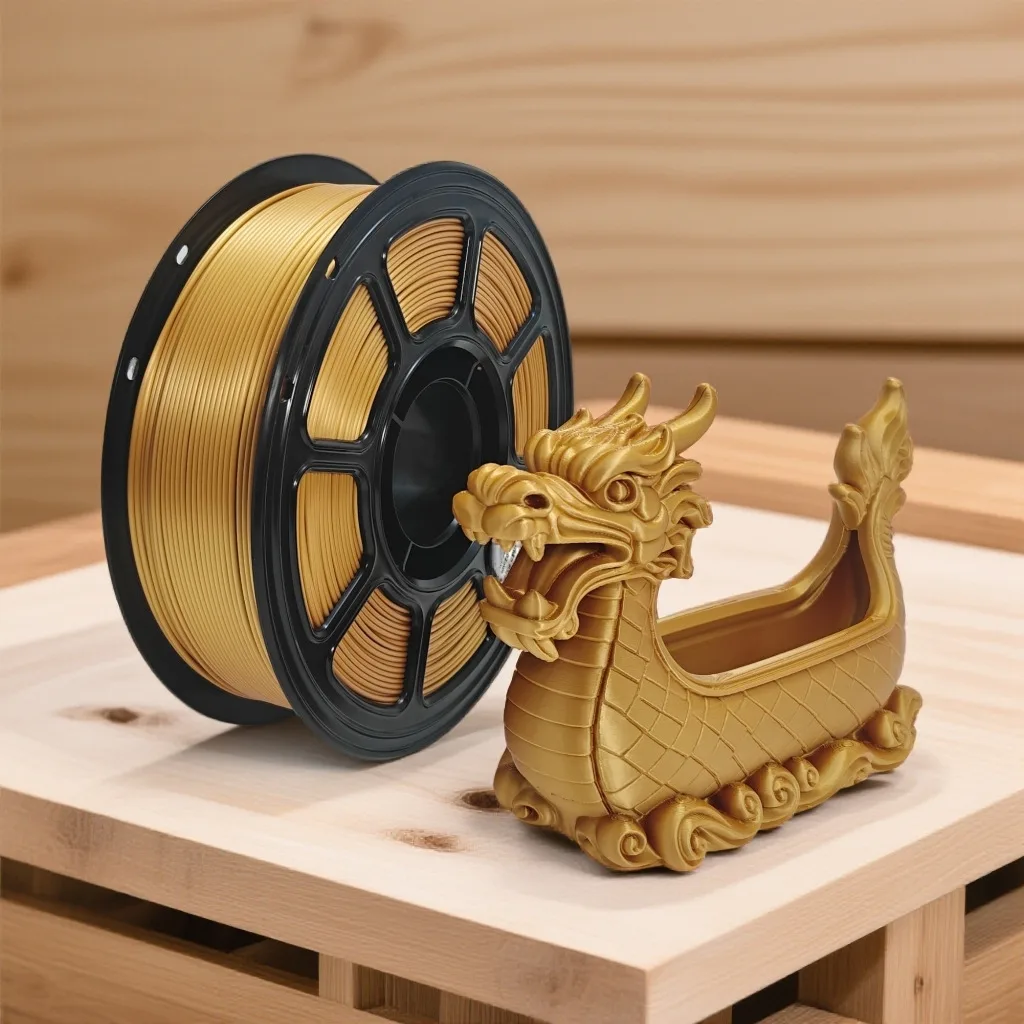
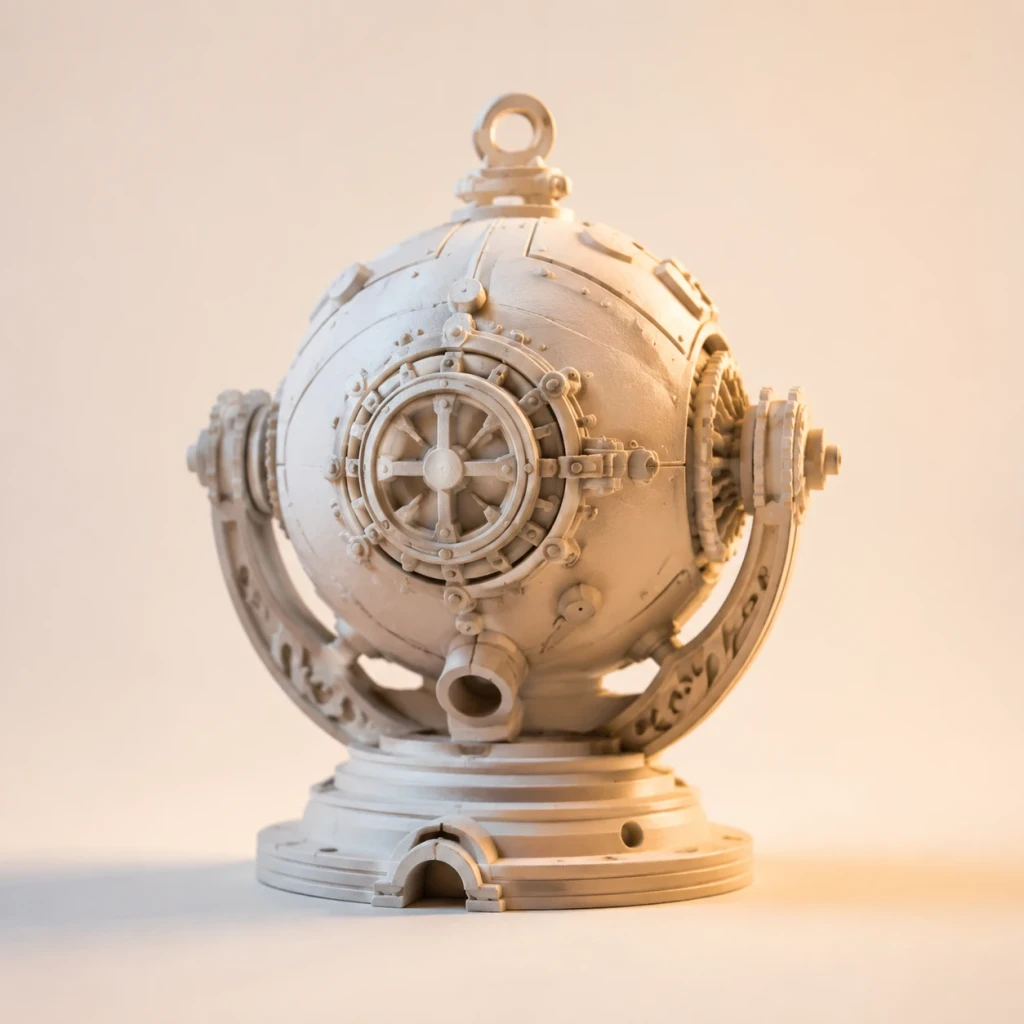
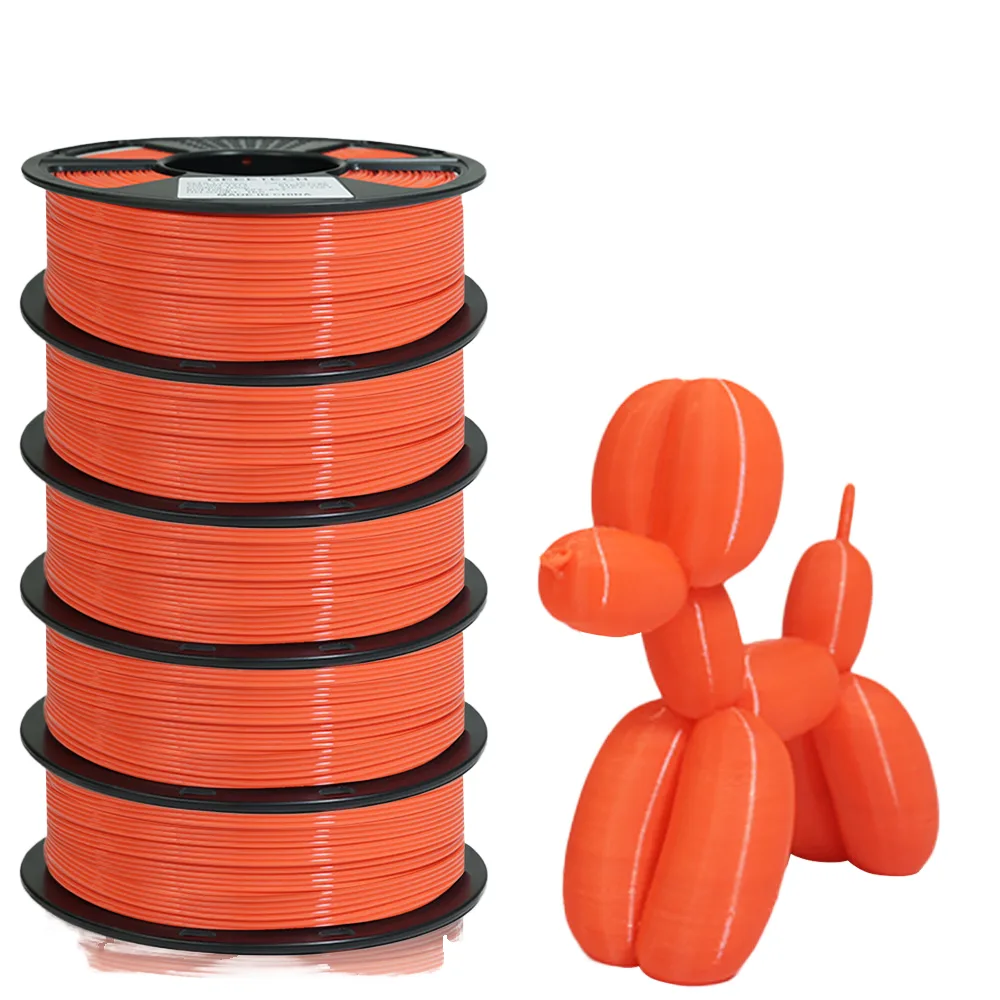
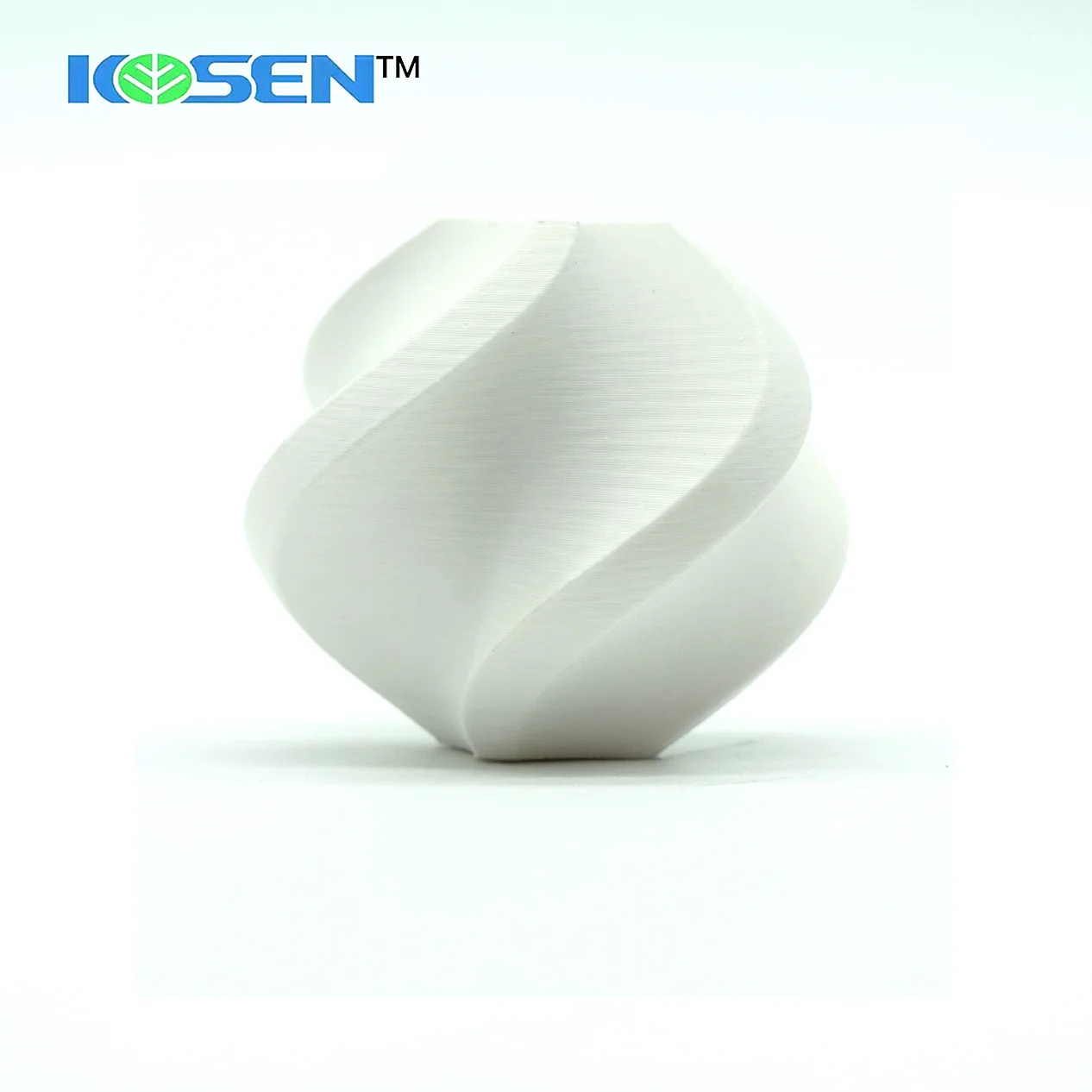
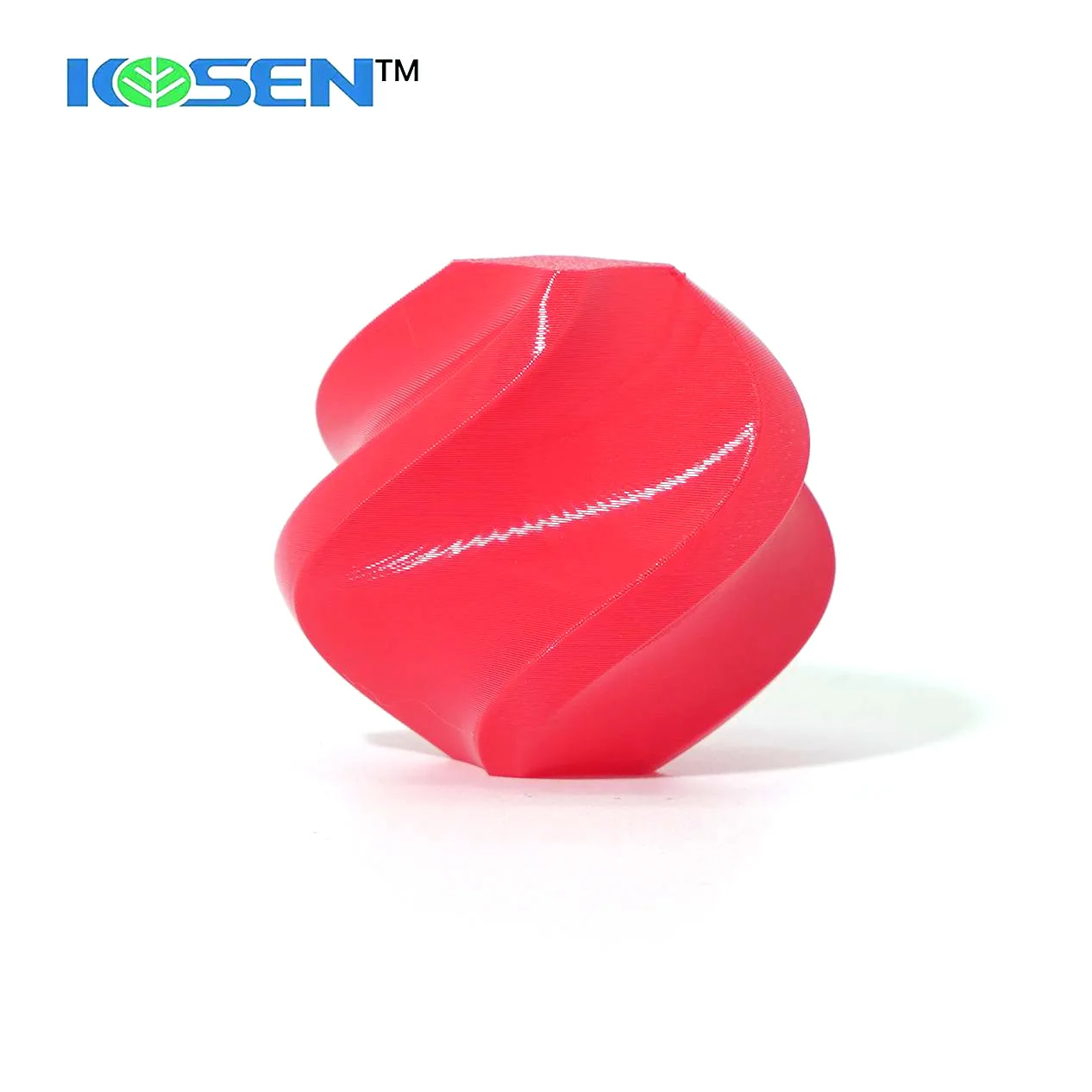
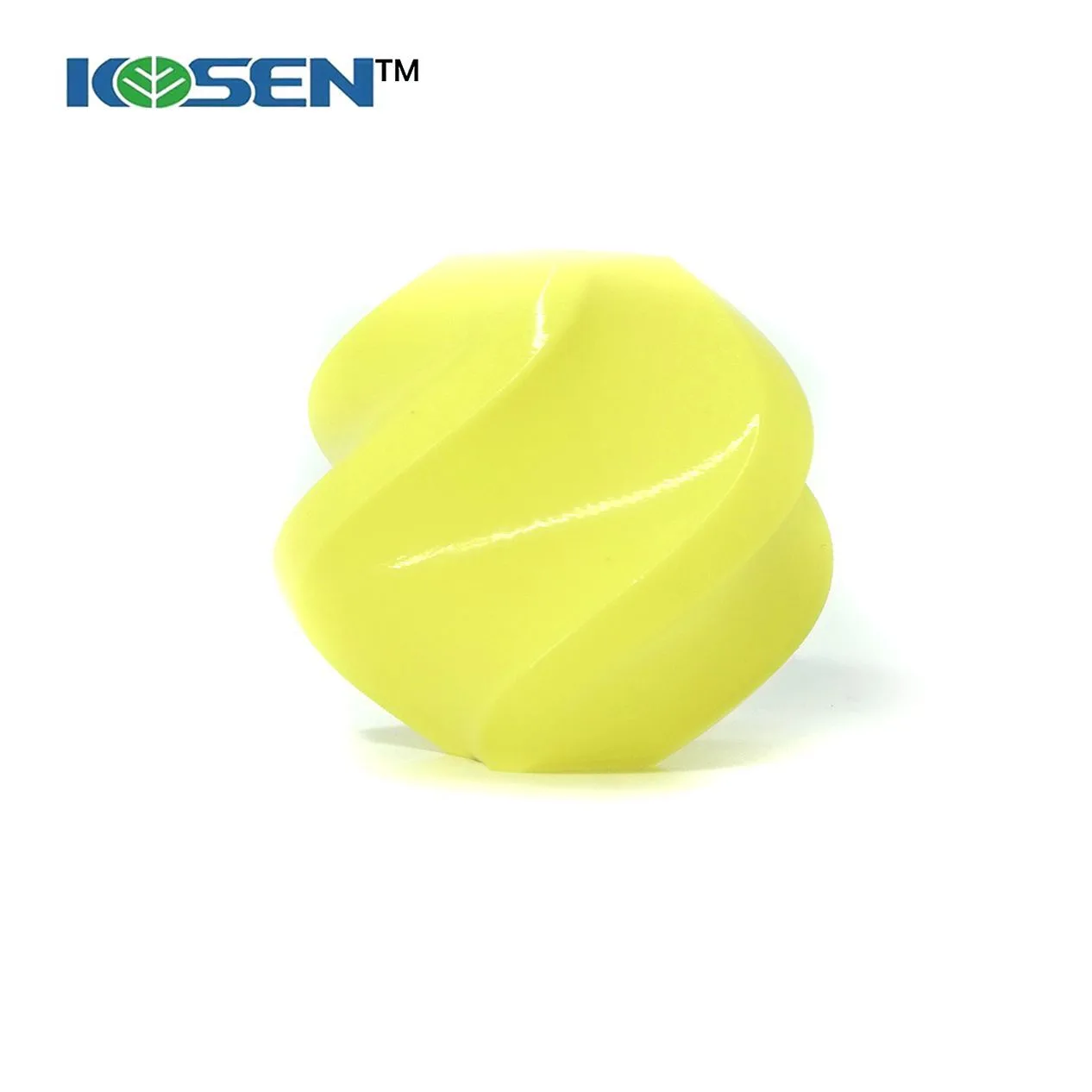
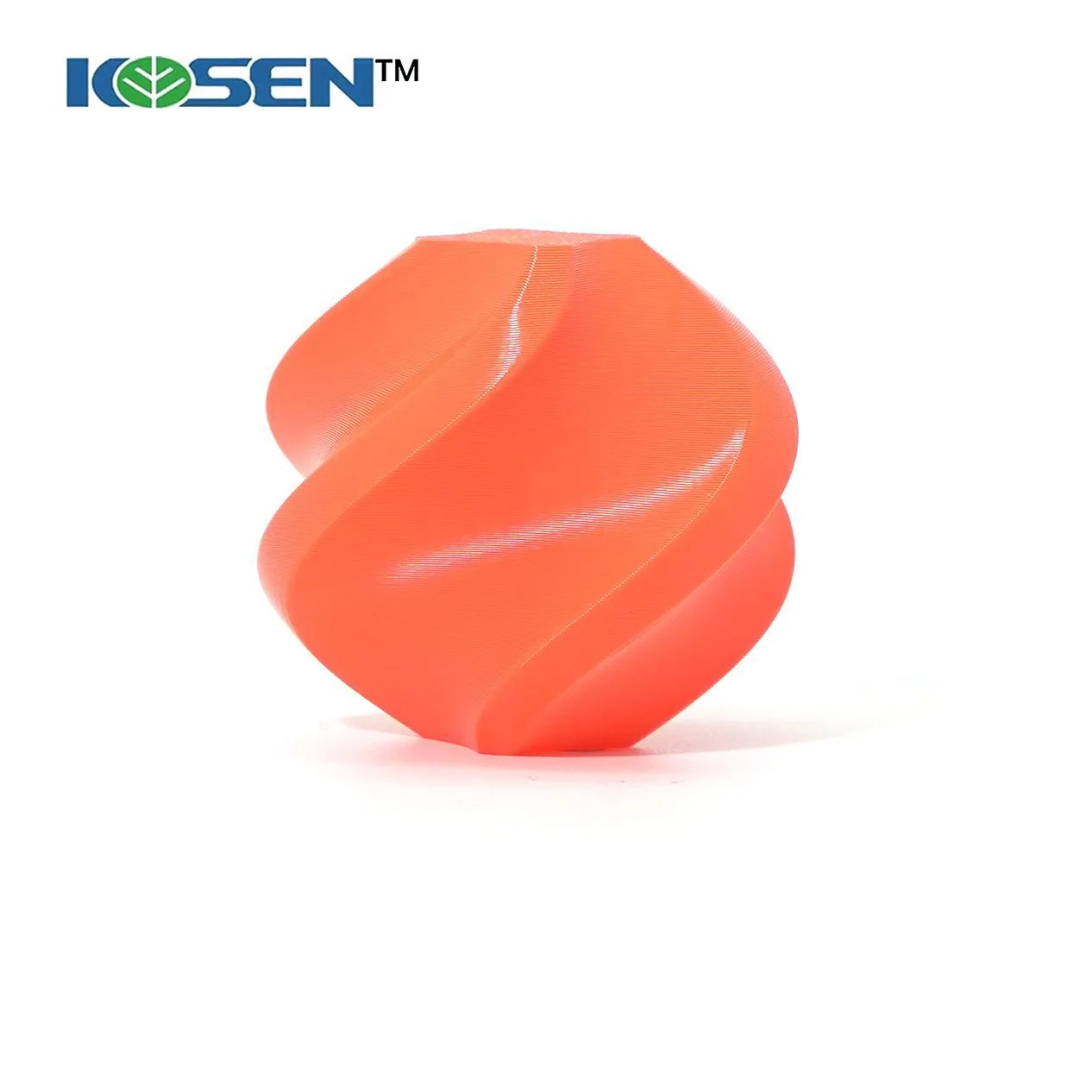
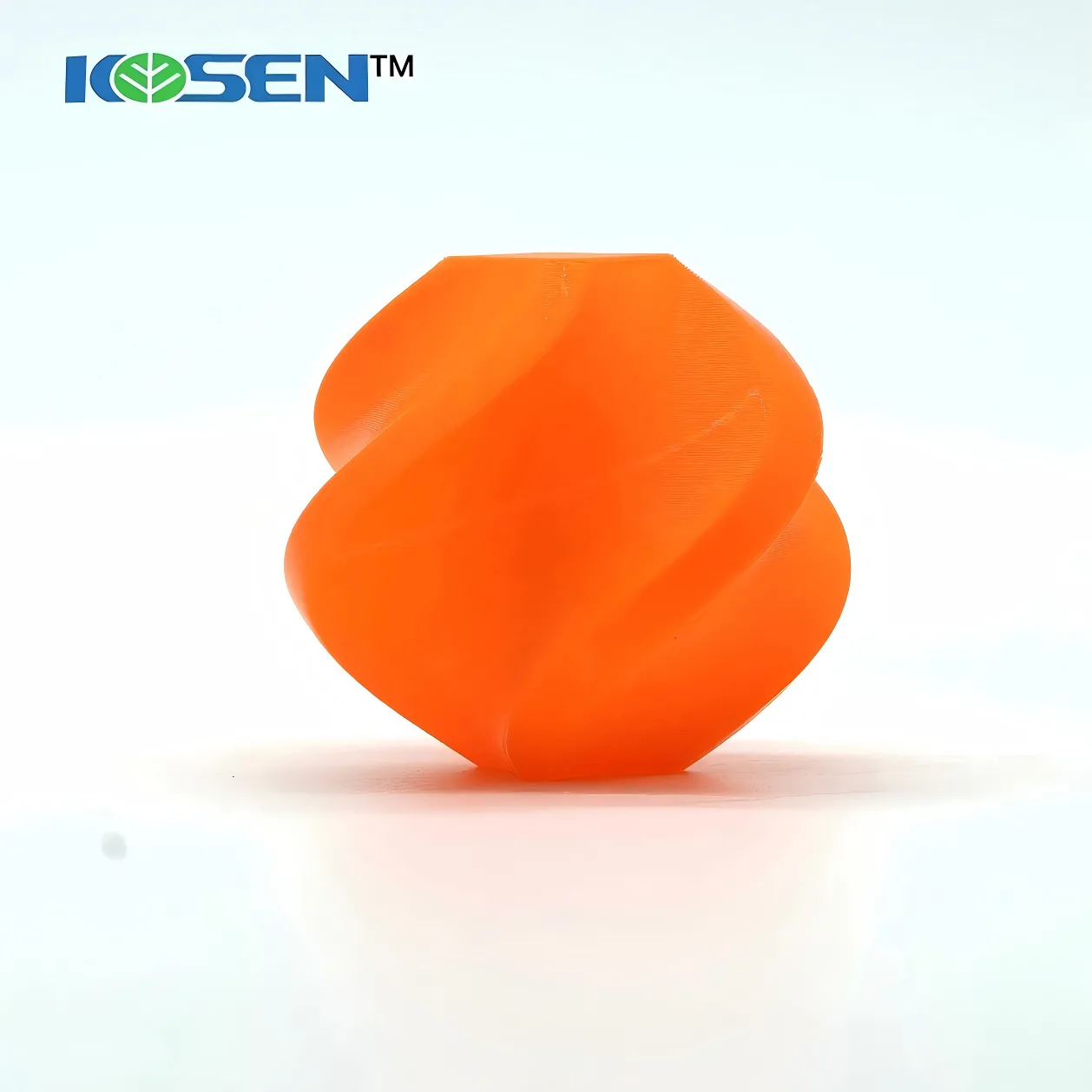
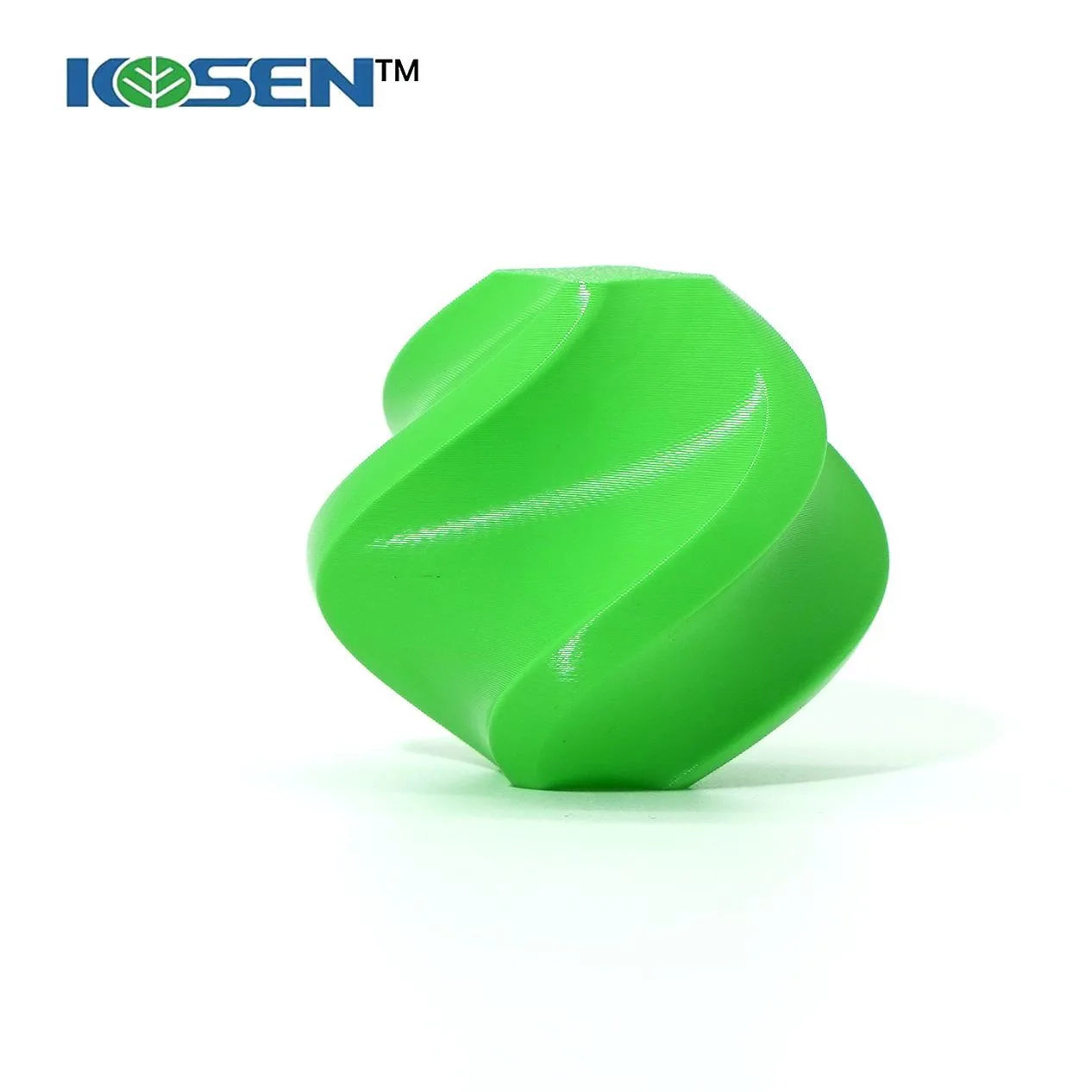
Yiqiu3D PETG 1.75mm

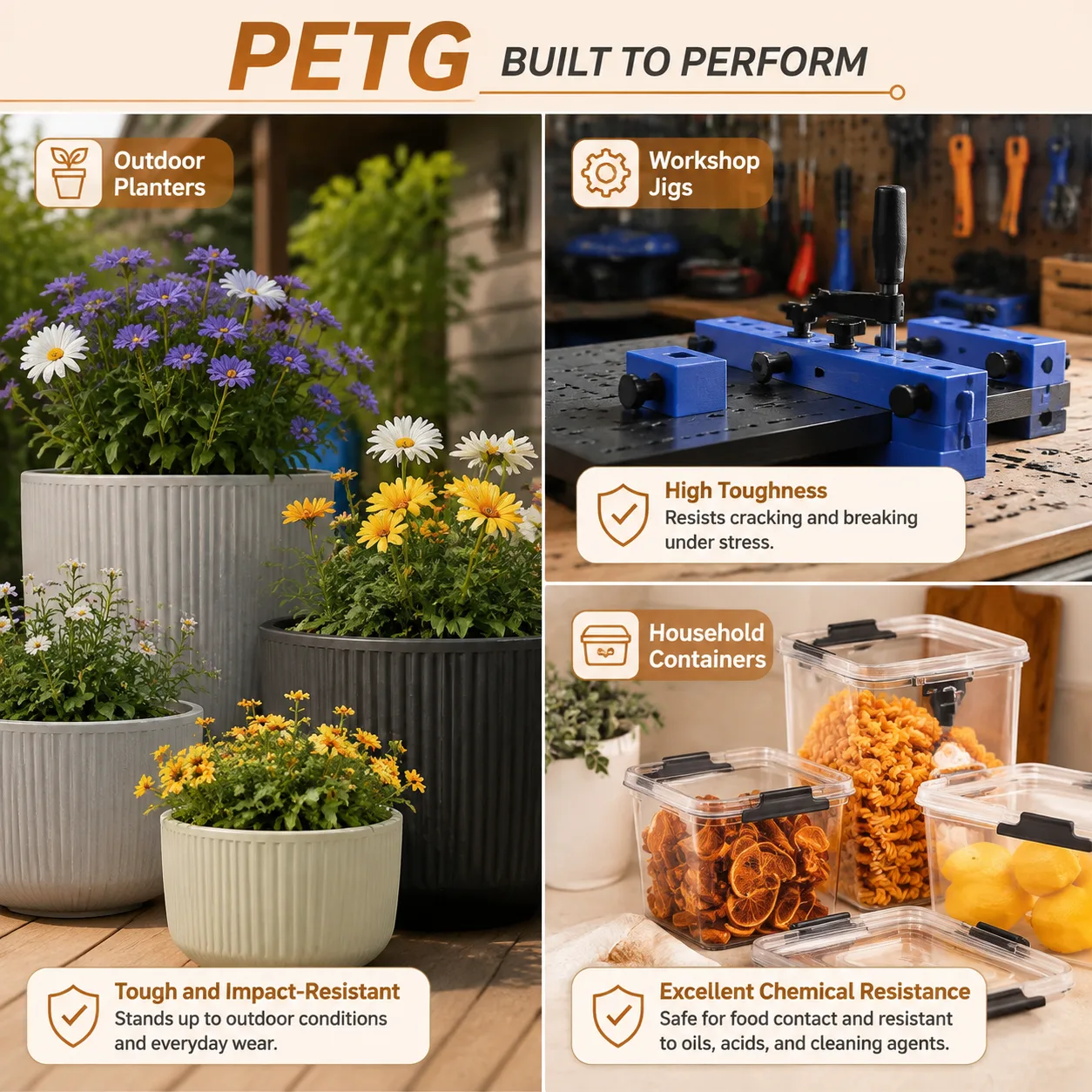
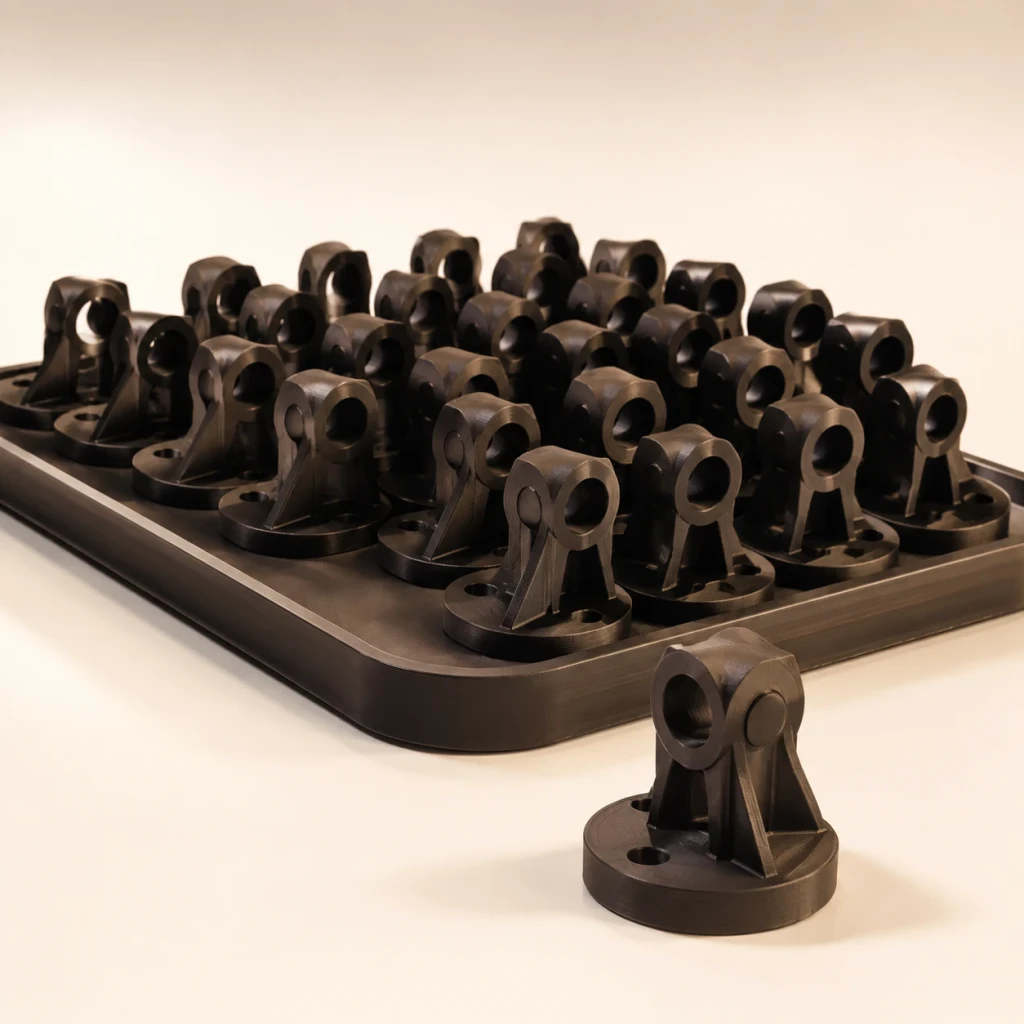
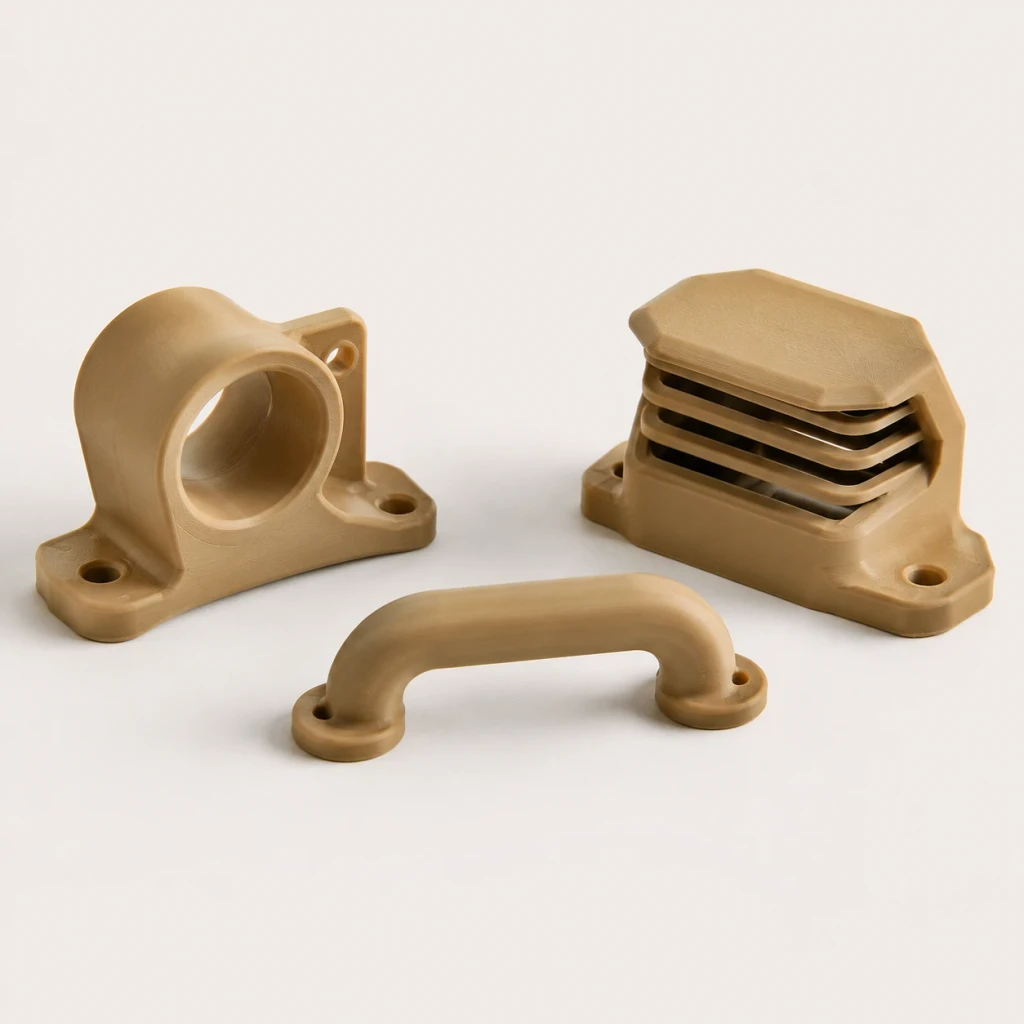
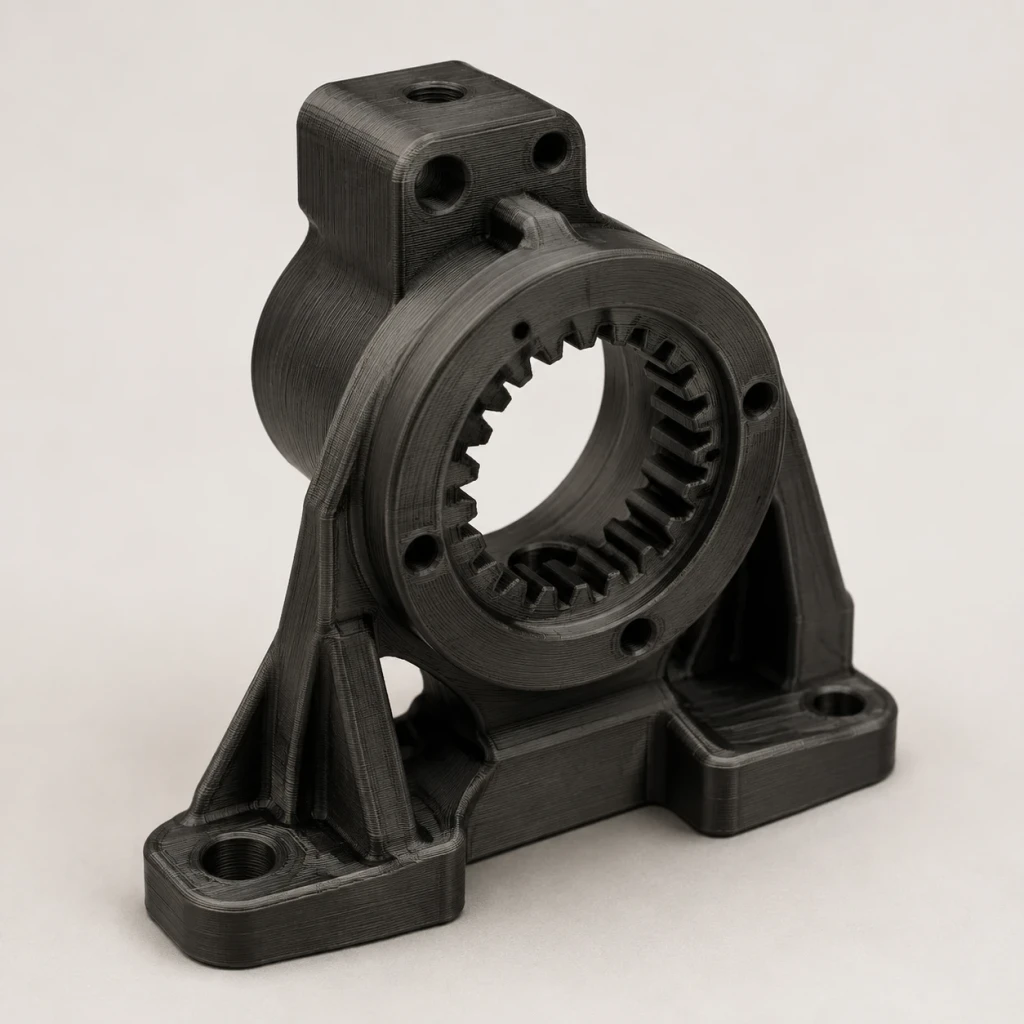
Brand: Yiqiu3D · Tough where PLA fails: PETG combines impact strength with chemical resistance, so brackets, containers and outdoor parts survive drops, solvents and weather — far longer than brittle PLA prints.

  • A warm
  • Every metre under control: 1.75mm diameter with laser-measured tolerance and tidy
  • PLA-easy
Compare filaments
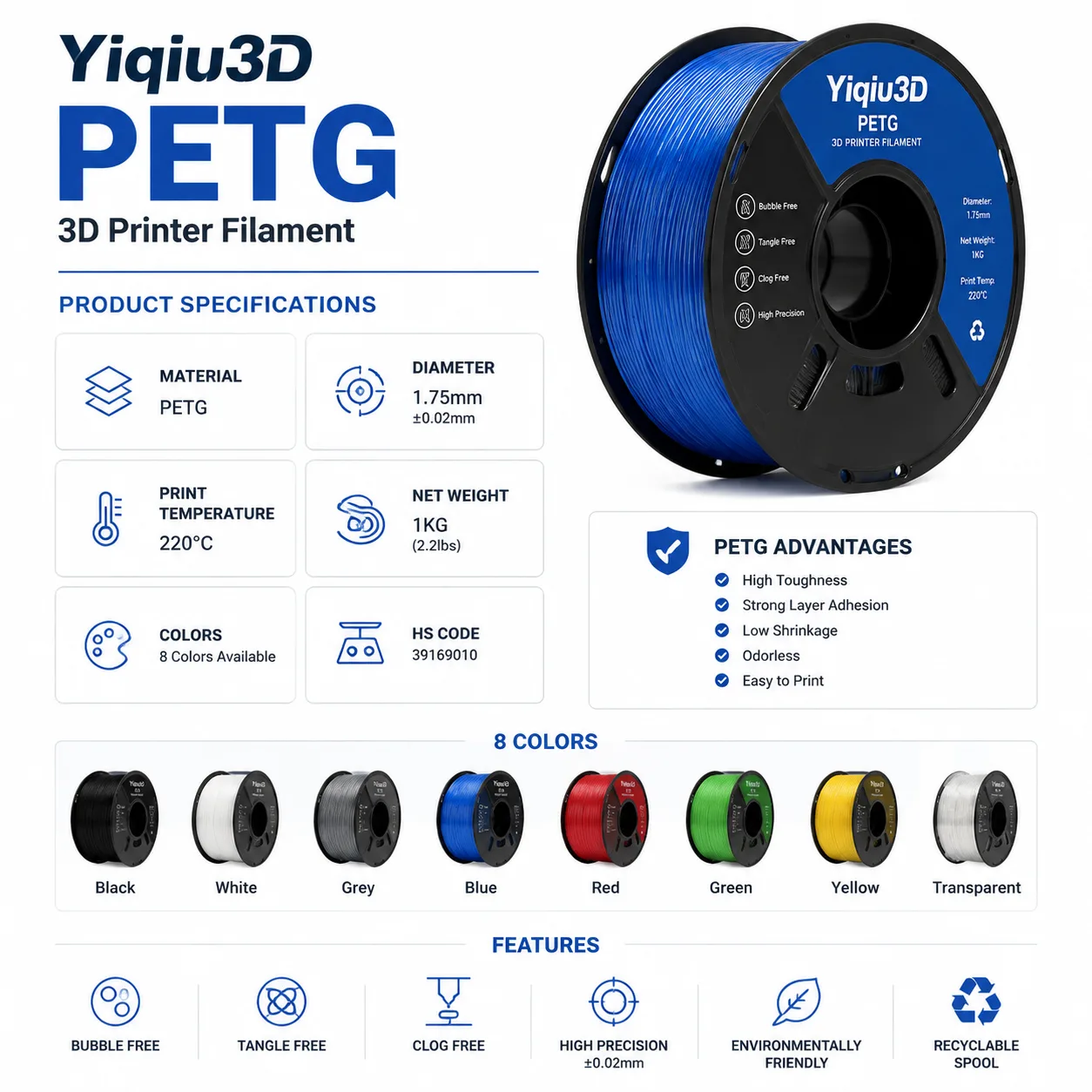
Diameter 1.75mm
Material PETG
Quick Answer

Why is PETG tougher than PLA?

PETG is a glycol-modified copolyester. The modification reduces crystallinity, making printed parts ductile instead of brittle: they absorb impacts and resist oils and mild solvents that would crack PLA. That is why PETG is the default for functional parts, mounts and containers.

Full answers below
Is it right for my project?

Best for: A strong all-rounder for end-use parts needing toughness and easy printing without a heated chamber - available in 9 colours; lead colour PETG Basic Warm White. Not ideal for: Avoid where very fine cosmetic detail leads; PLA or resin prints cleaner surfaces - available in 9 colours; lead colour PETG Basic Warm White.

Print settings

Nozzle 230-260°C

01 · Why this one

Product highlights

3 reasons

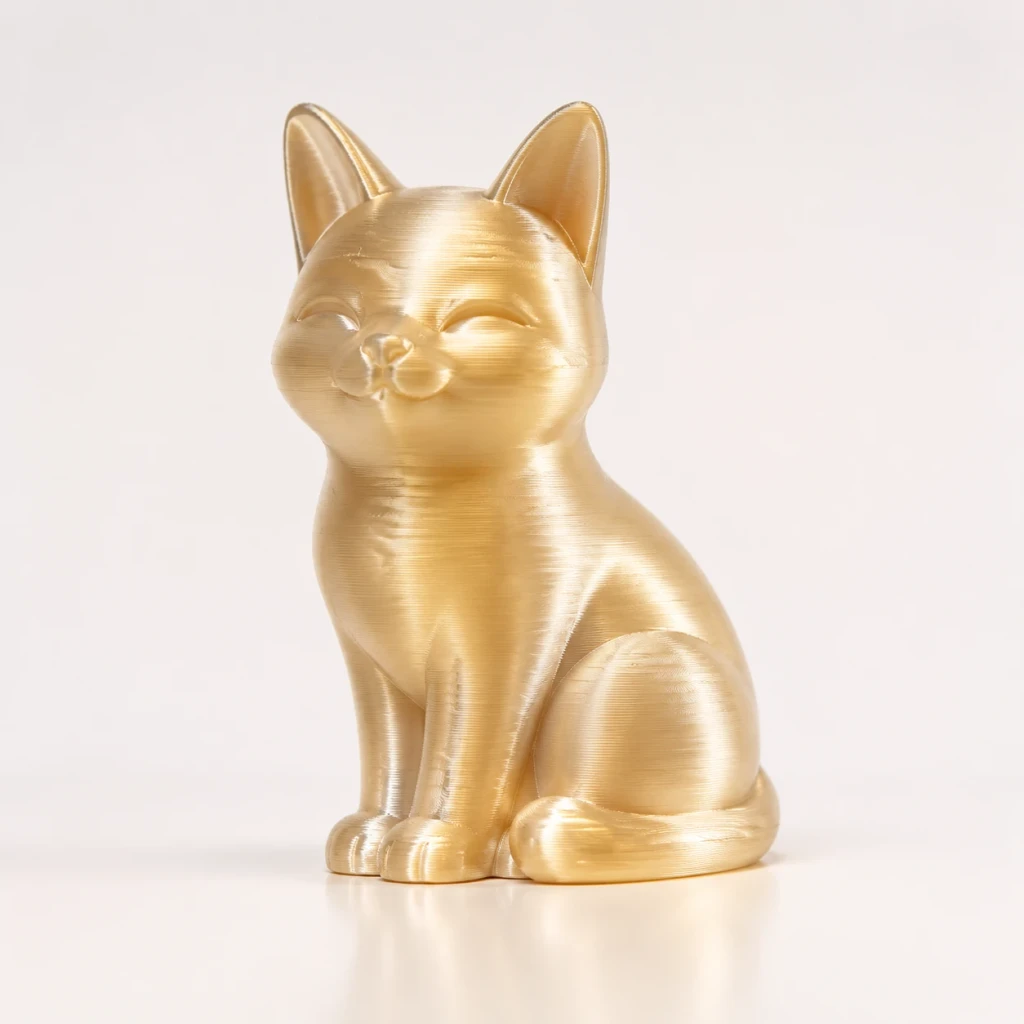
A warm, characterful palette: Porcelain White, Black, China Red, Sunflower Yellow, Orange, Brownish Orange, Pumpkin Orange and Green bring festive and autumn tones that plain black filament cannot match.

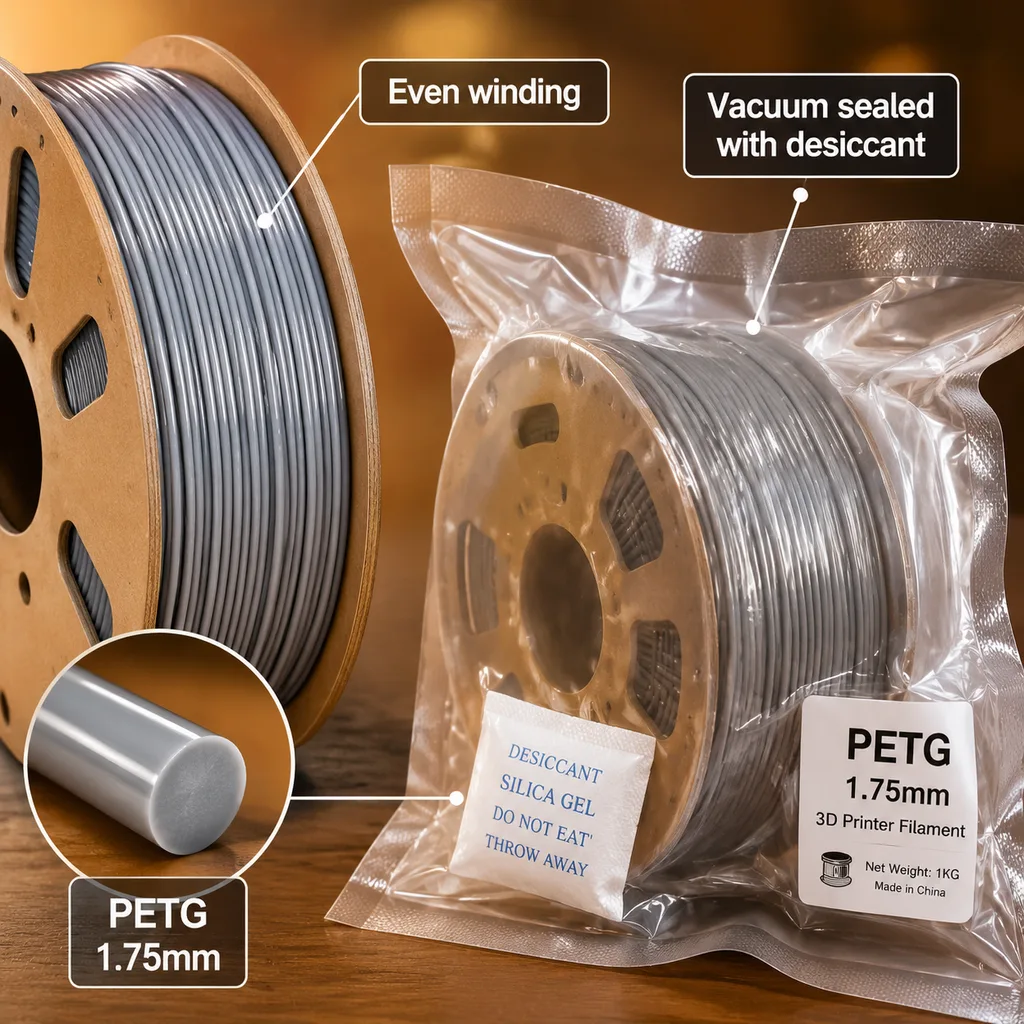
Every metre under control: 1.75mm diameter with laser-measured tolerance and tidy, tangle-free winding keeps long prints running without jams, stringing or width jumps.

PLA-easy, PETG-tough: minimal odour, forgiving first layers and no enclosure requirement make it a practical upgrade for Bambu Lab, Creality, Prusa and Anycubic users.

Technical Data

Specifications

Diameter 1.75mm
Material PETG

Print Profile

Yiqiu3D PETG 1.75mm prints best at 230-260°C nozzle.

Nozzle Temp230-260°C

Spool Specification

Spool details for your feeding and handling setup.

Gross Weight1.25 kg
Spool Size (L×W×H)21 × 21 × 7 cm
Pack FormatPiece
Spool TypeRound Spool

Attributes

Country / Regionchina
HS Code39169010
Item No.petg-3d-printer-filament-strong-impact-resistant-8-colors
Diameter 1.75mm
Appearance Round Spool
Before You Ask

Frequently Asked Questions

Why is PETG tougher than PLA?
PETG is a glycol-modified copolyester. The modification reduces crystallinity, making printed parts ductile instead of brittle: they absorb impacts and resist oils and mild solvents that would crack PLA. That is why PETG is the default for functional parts, mounts and containers.
Will this PETG fit my printer?
Yes. It uses the standard 1.75mm diameter, so it fits any open-frame FDM printer, including Bambu Lab, Creality, Prusa and Anycubic machines. A brass or hardened nozzle works fine, and an all-metal hotend is recommended for stable high-temperature printing.
What print settings do you recommend?
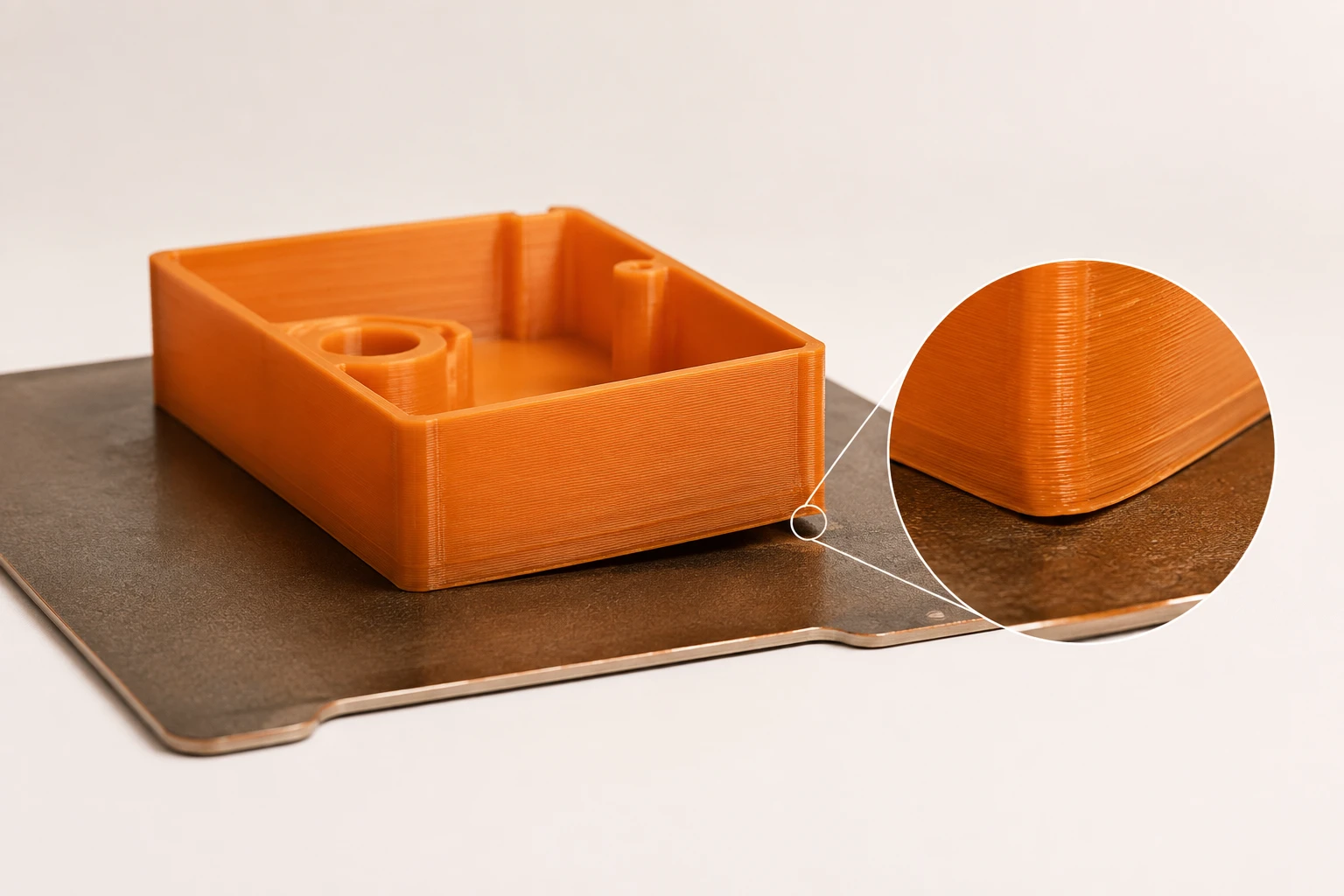
Start with a nozzle temperature around 220°C, a heated bed that holds the first layer firmly, and a slightly slower first layer. Because PETG sticks firmly, little or no build-plate adhesive is needed, and reduced fan speed on early layers helps adhesion.
How long does one spool last?
For typical parts at moderate infill, one full spool prints many days of work; a plant pot or bracket, for example, uses only a fraction of the spool. Runtime scales with part size, wall count and infill, so slice the model to budget accurately.
Are the eight colors consistent between orders?
Yes, the eight colors are mixed from fixed pigment recipes, and each production batch is checked against the master swatch, so reorders match the first delivery.
What speed range works best?
PETG prefers moderate speeds with a slightly slower outer wall for glossy, strong surfaces. It tolerates speed changes better than ABS, so you can speed up infill once the outer walls look clean.
Is it for prototypes or finished parts?
It is a finished-part material: brackets, hinges, containers, outdoor enclosures and jigs printed in PETG can go straight into service. For quick concept models where strength does not matter, PLA is cheaper, but for anything that must last, PETG is the upgrade.
How should I store it?
PETG absorbs moisture, so reseal the bag with the desiccant pouch after every use and store the spool upright at room temperature away from sunlight. In humid climates, dry the spool before printing if it has been open for a long time.

Documentation & Downloads

Everything we publish for this material, in one place.