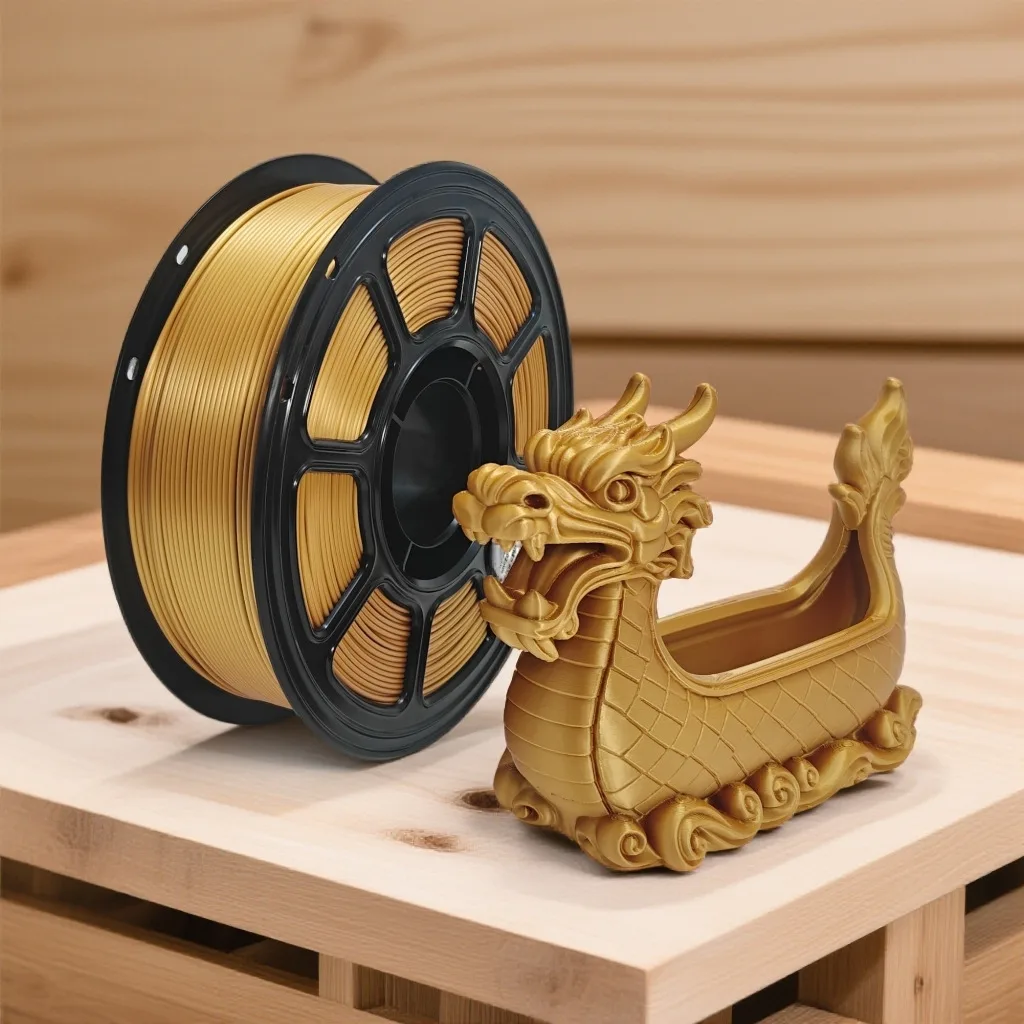
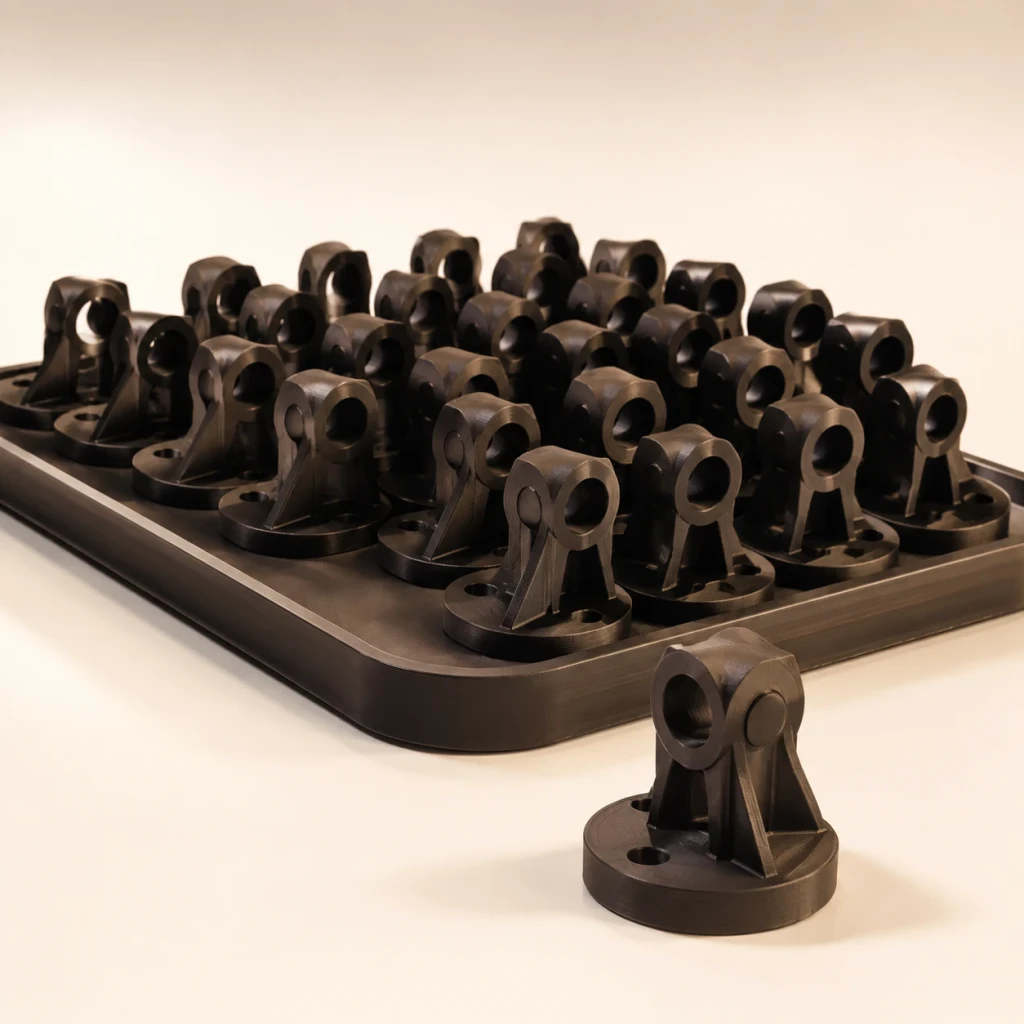
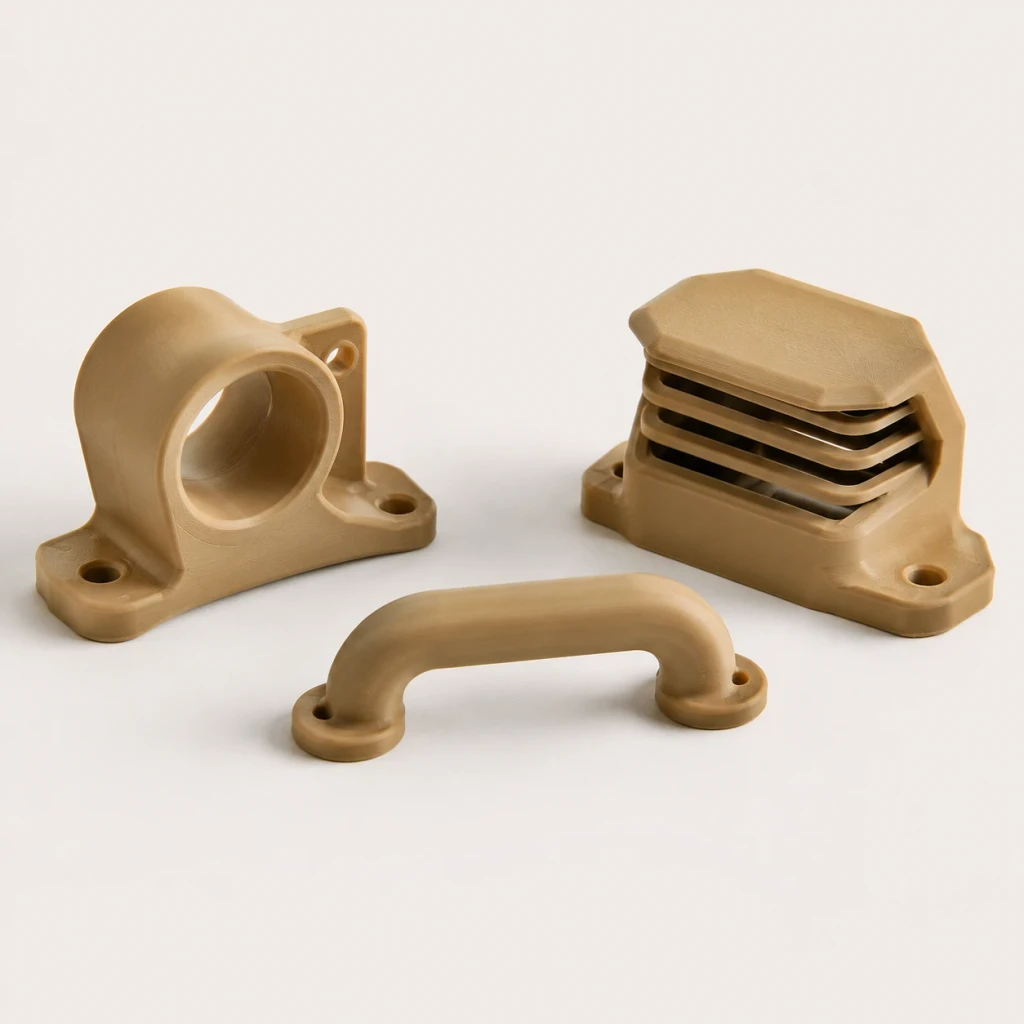
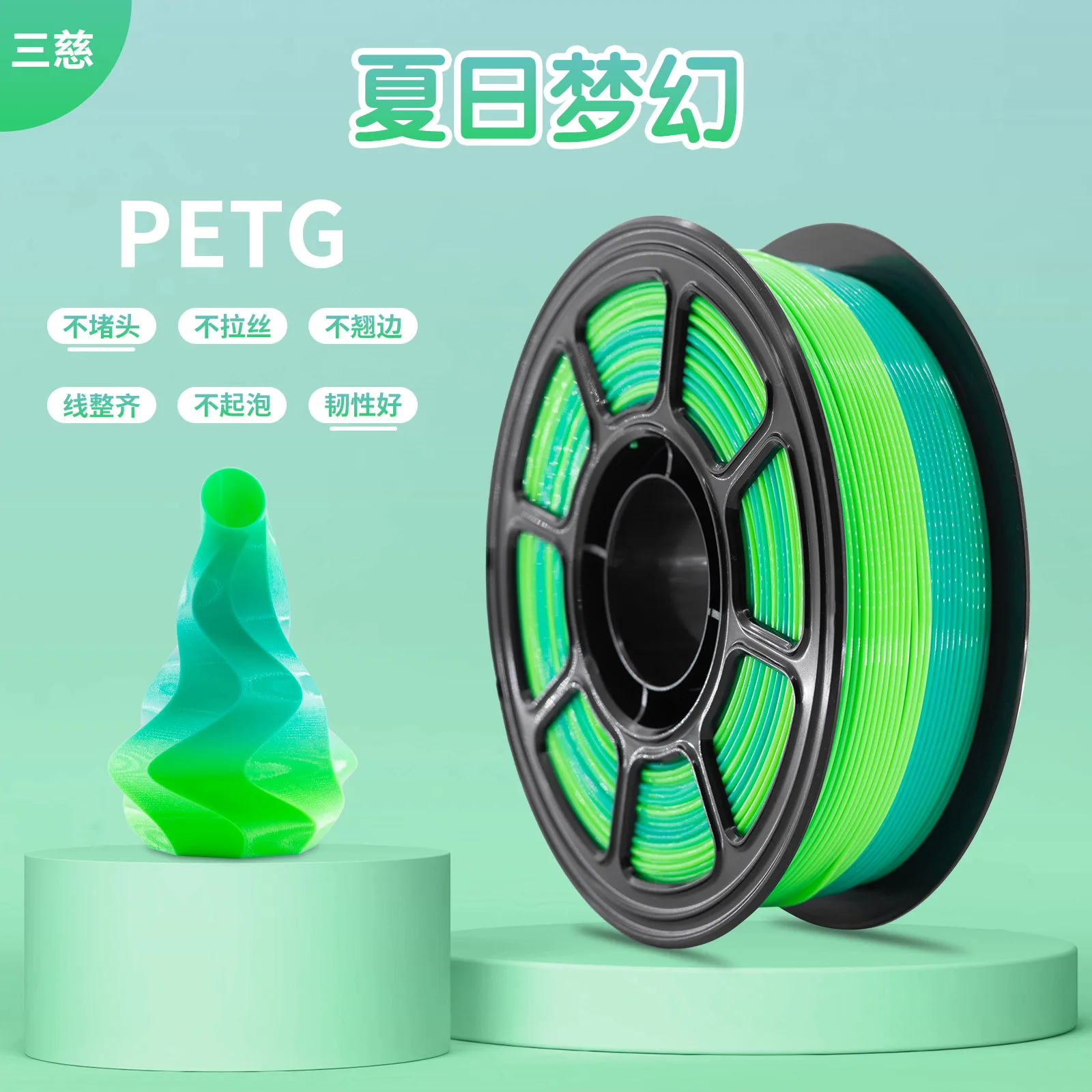
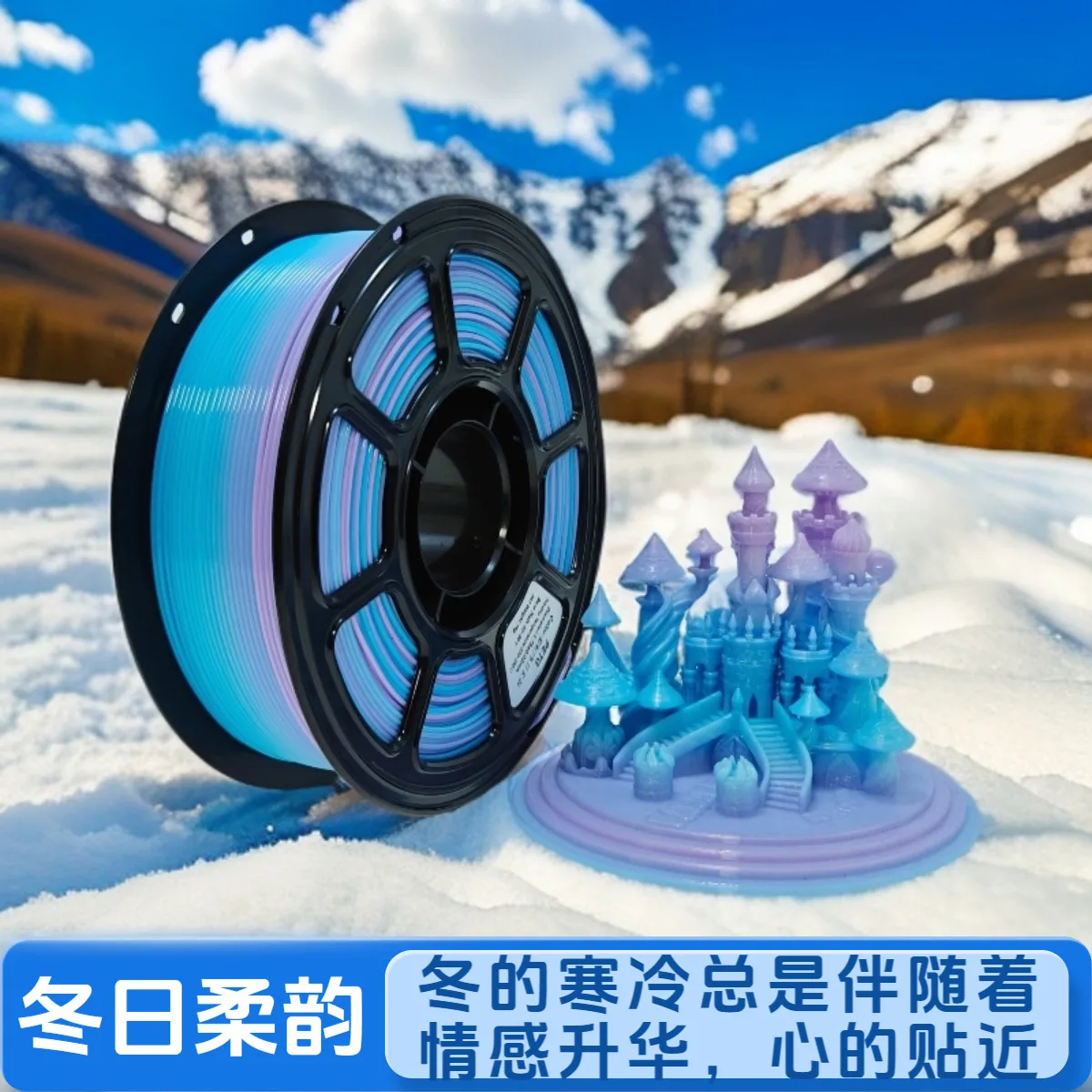
Why use PETG rather than PLA for outdoor and damp-service parts?
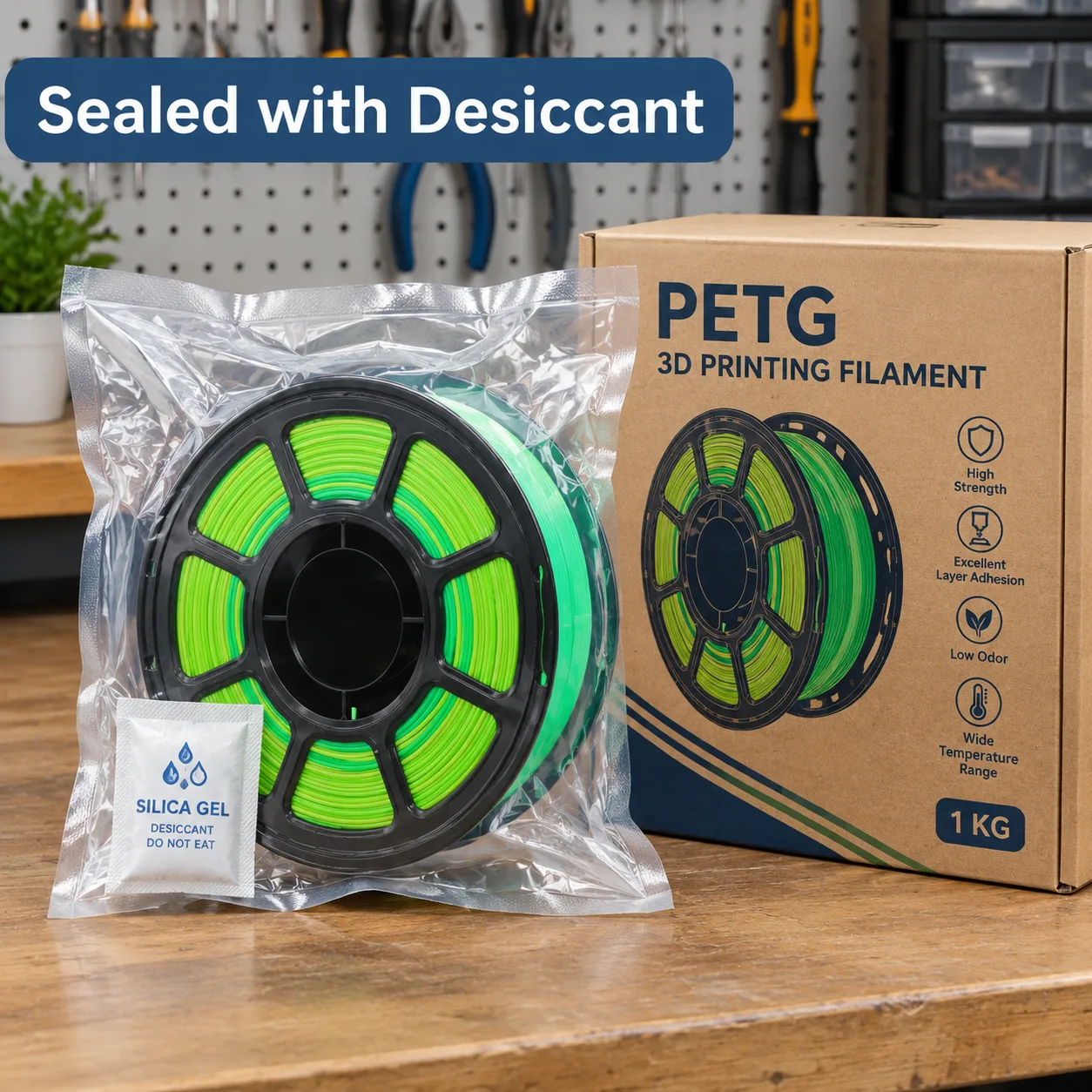
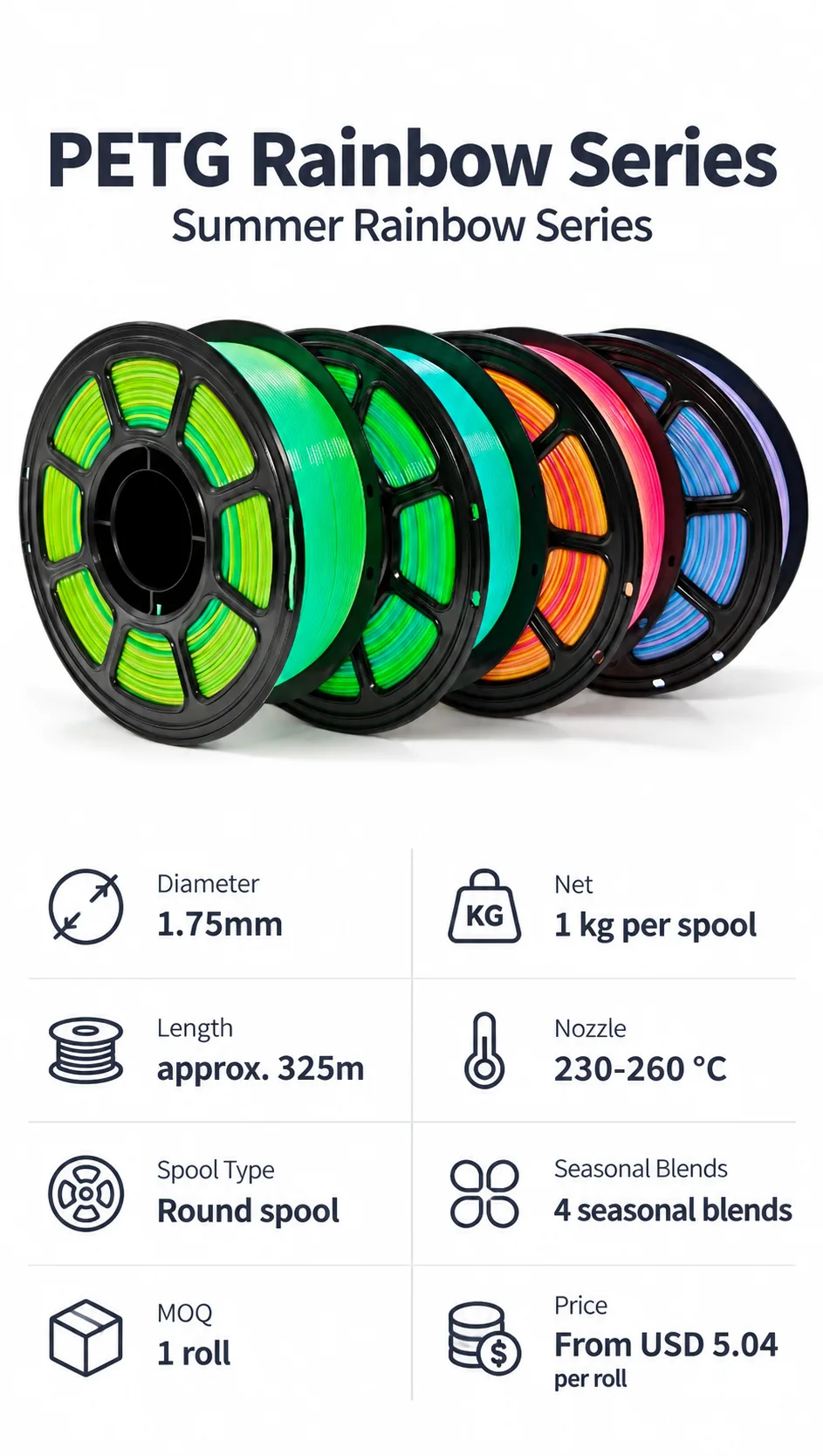
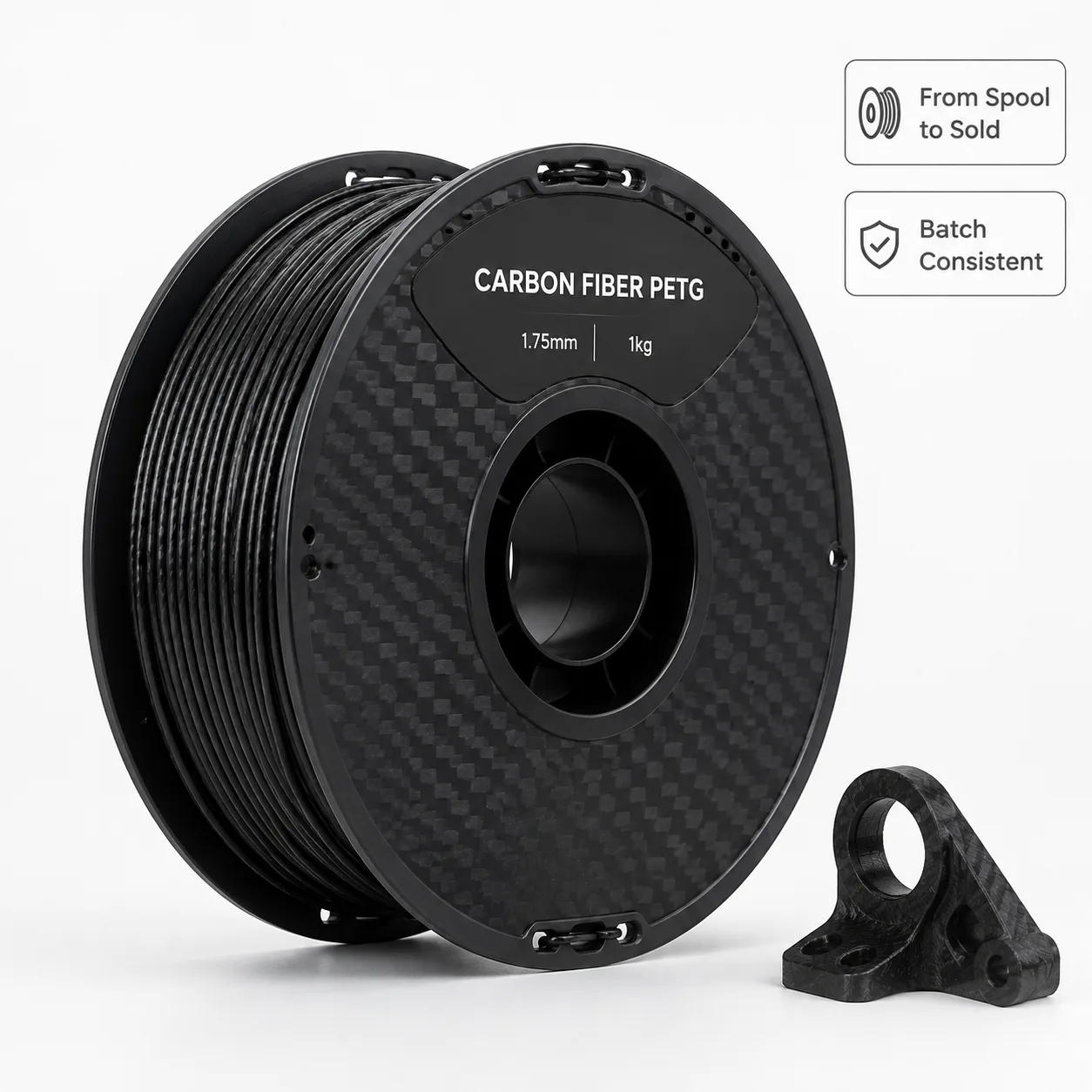
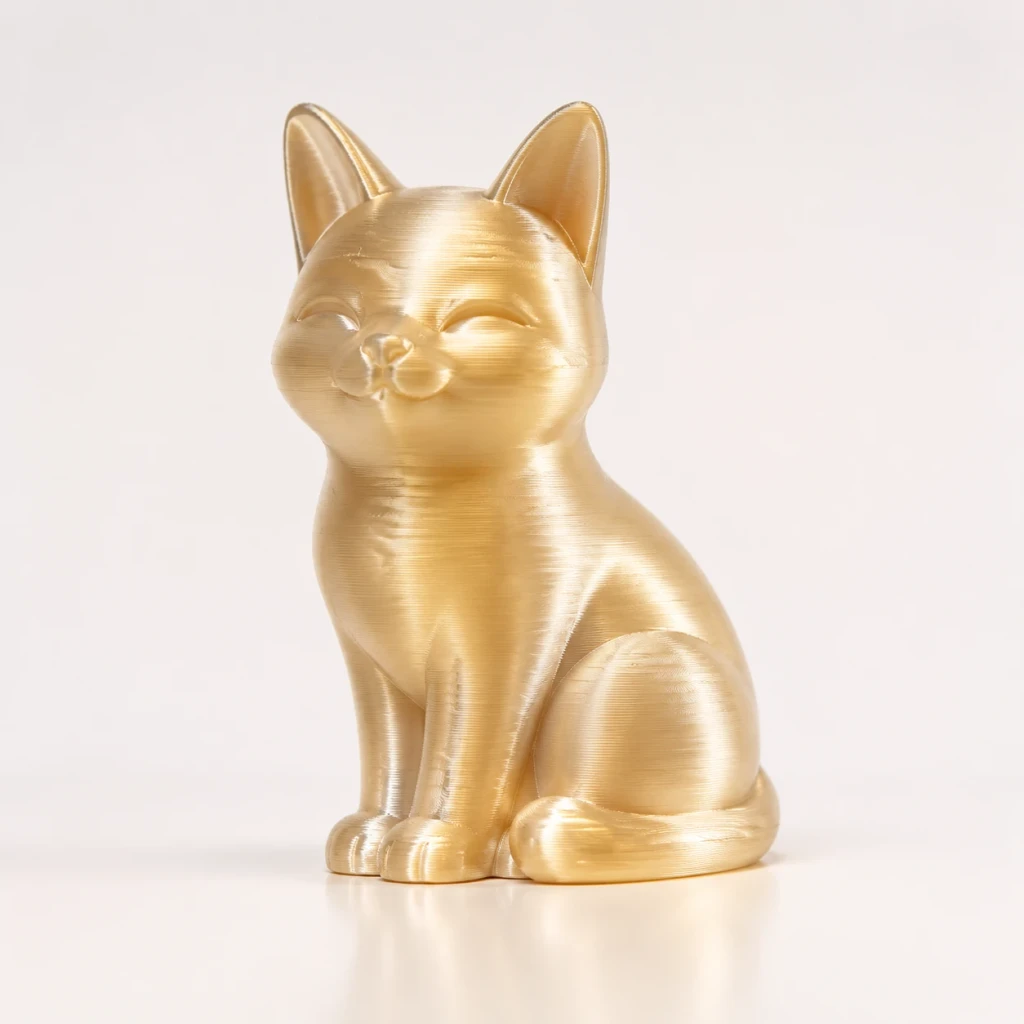
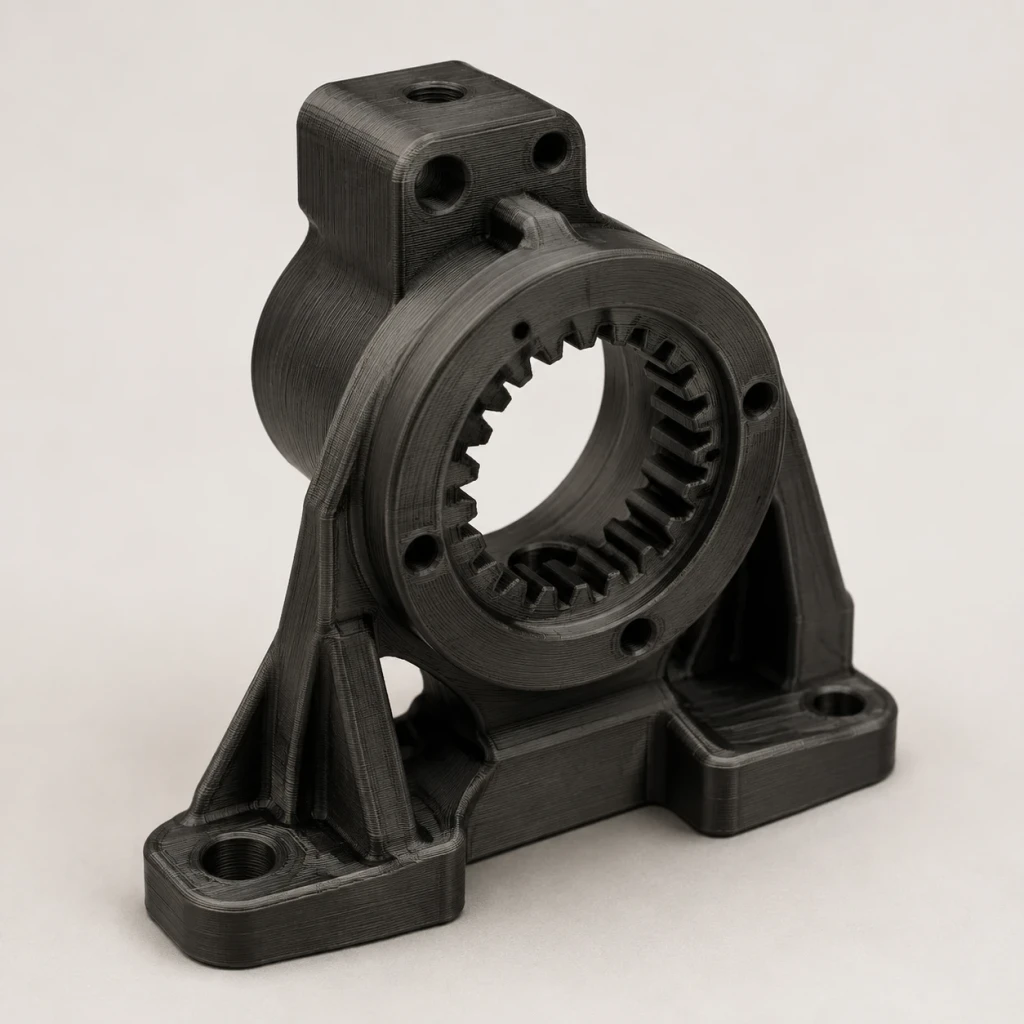
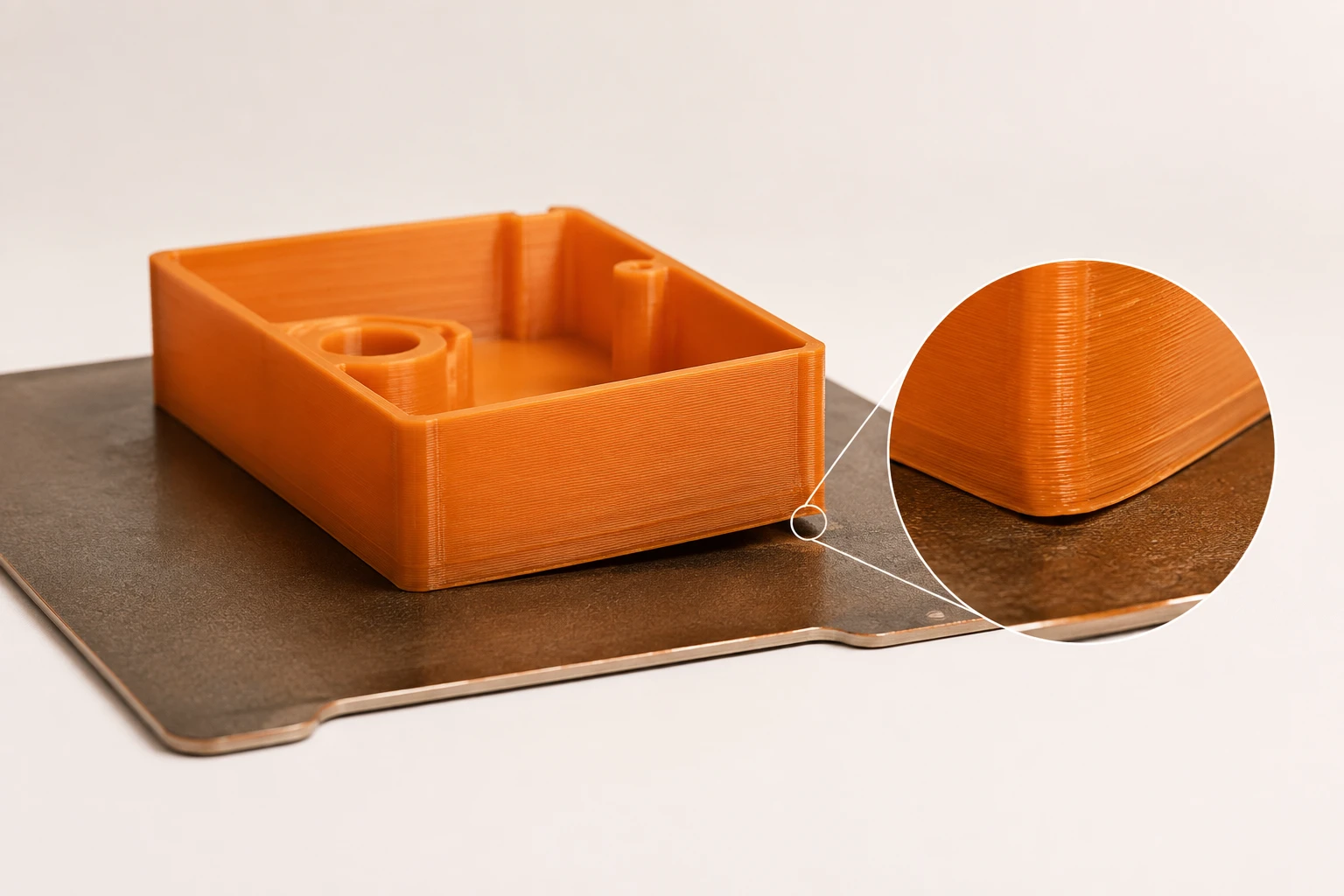
Moisture is the deciding factor. Standard PLA absorbs humidity from the air, which softens it and makes a wet spool print rough, while PETG takes up far less moisture and holds its dimensions in a damp room or a wet season. PETG is also tougher: it flexes under impact instead of cracking along the layer line, so a garden bracket or an equipment housing survives being knocked, stacked and handled. Its limit is heat, not water - for parts in sustained heat, move to ABS or ASA. The recorded nozzle window for this grade is 230-260 °C.
Full answers below