Factory Wholesale PLA+

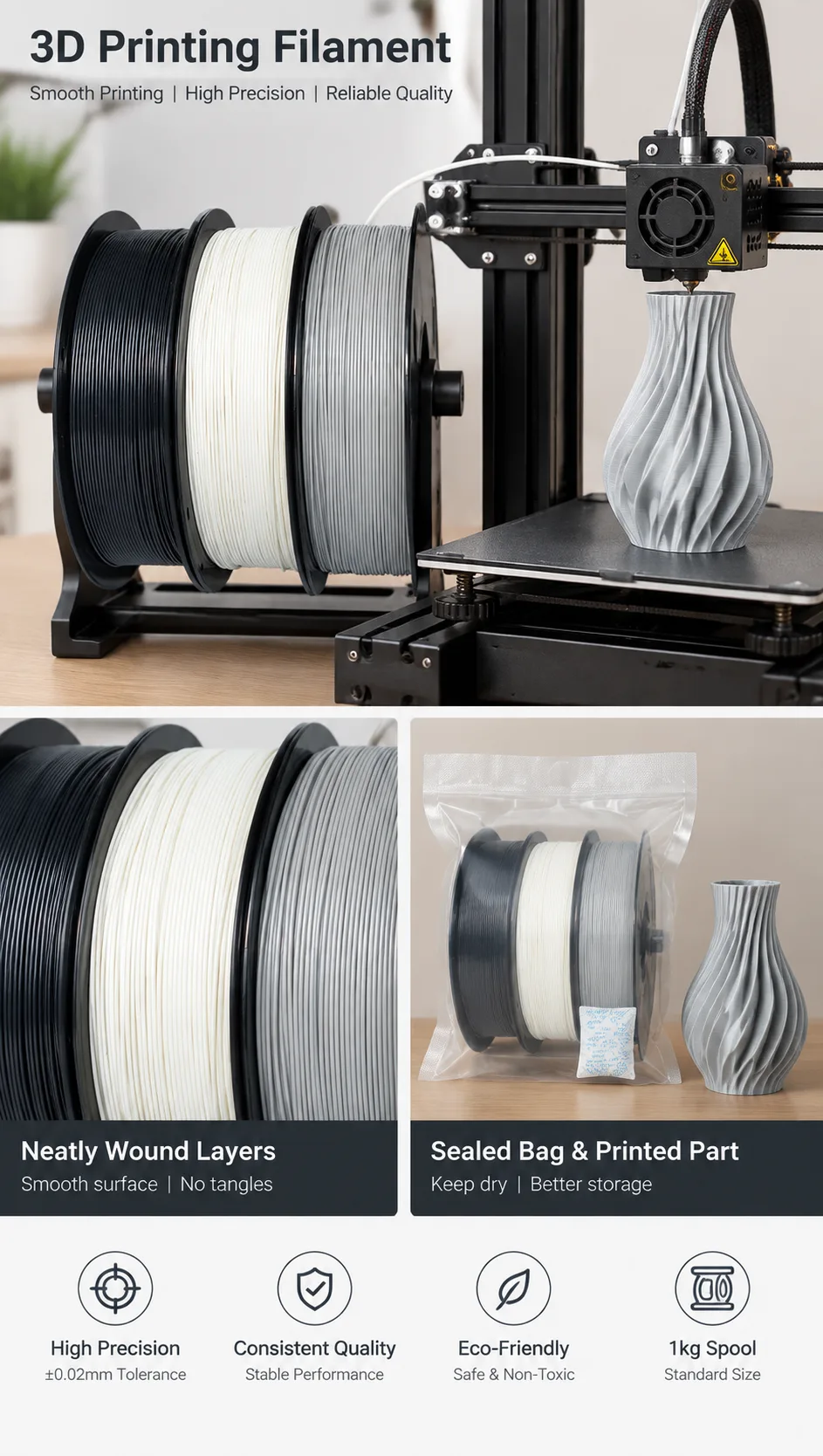
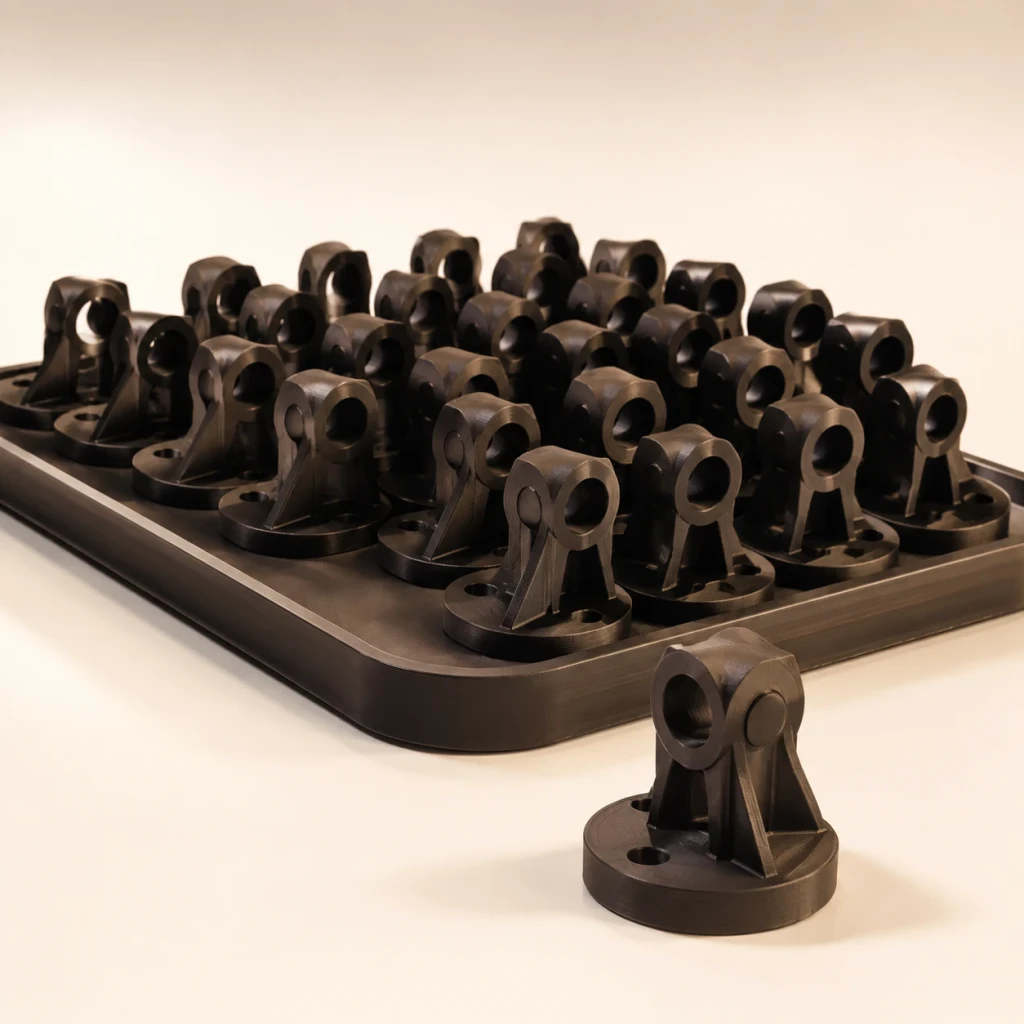
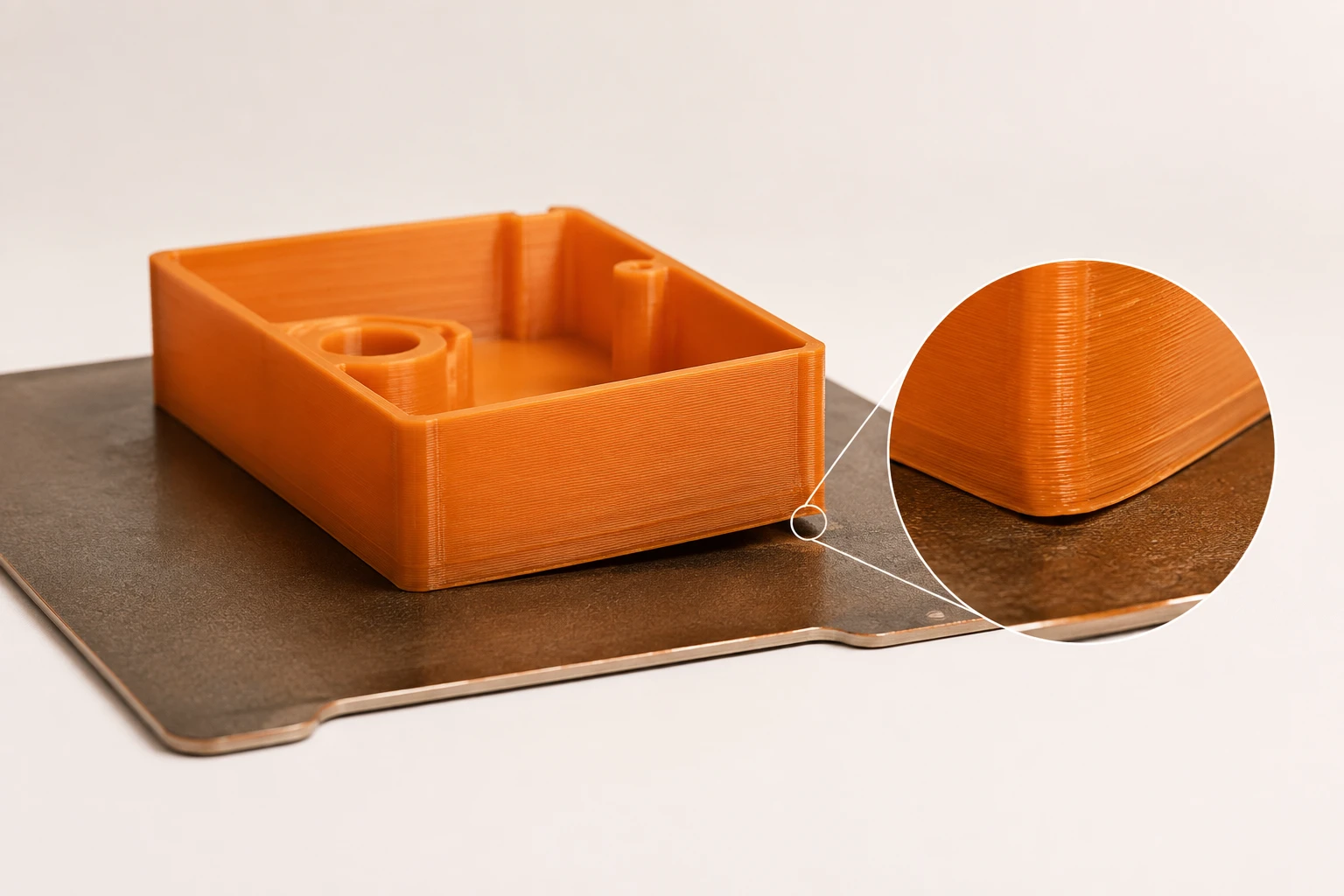
Brand: Yiqiu3D · A prototype only earns its keep if the printed part matches the dimension you drew and still holds when the team clicks it together for the tenth time. This impact-modified PLA Plus grade bonds consistently layer to layer, so enclosure halves, plug-and-socket joints and press-fit parts seat fully, come apart without chipping and survive a full assembly cycle. Snap tabs stay intact through repeated fitting at design review. Nozzle 200-230 °C. 1 kg net filament per spool.

  • One neutral colour keeps a design review readable. White is the lead colour across 9 PLA Plus shades: White
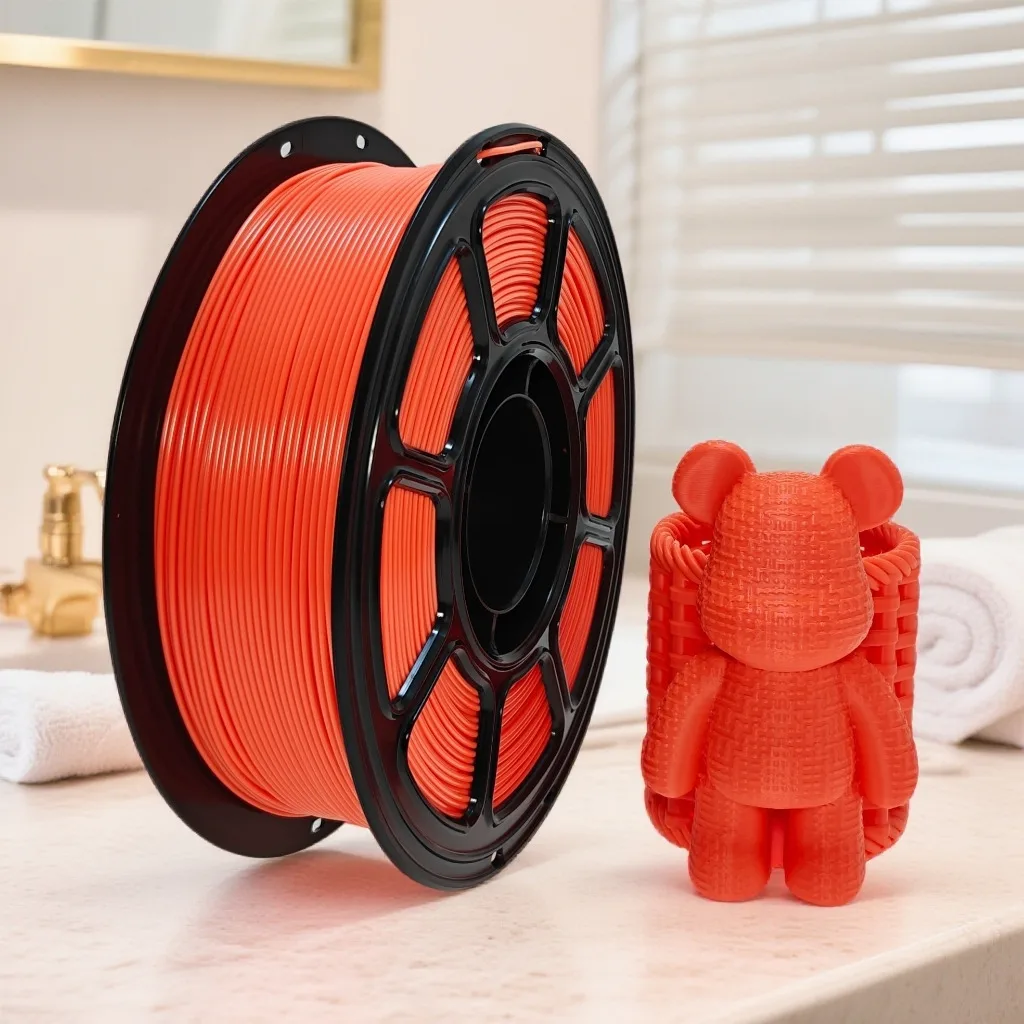
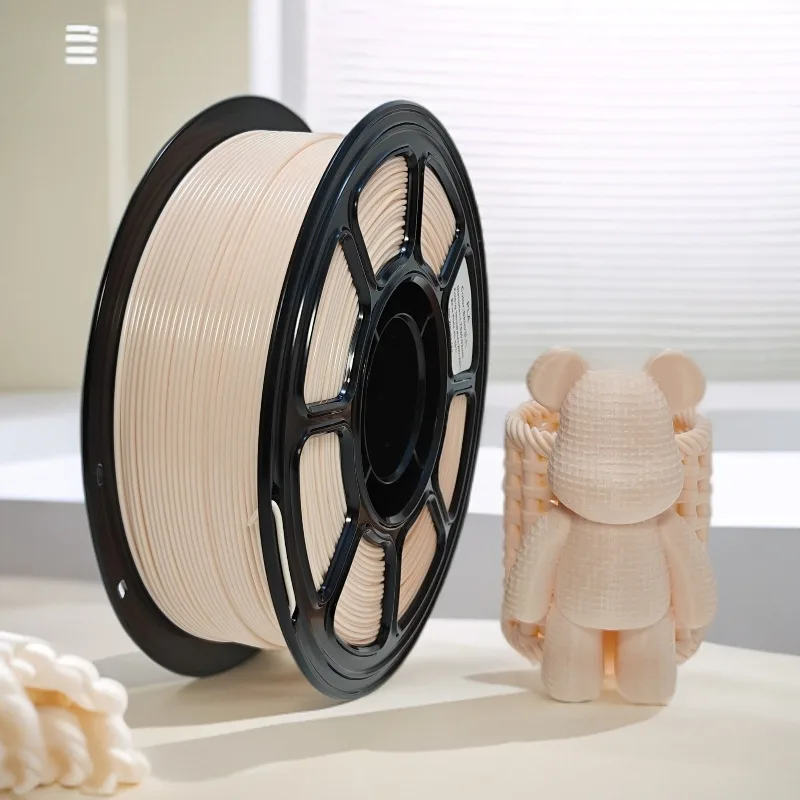
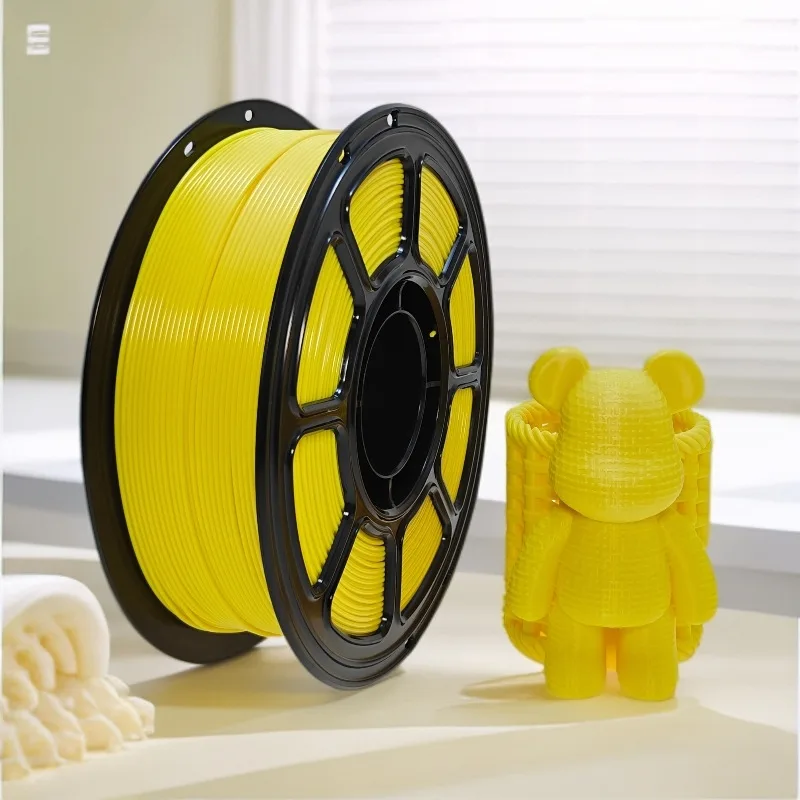
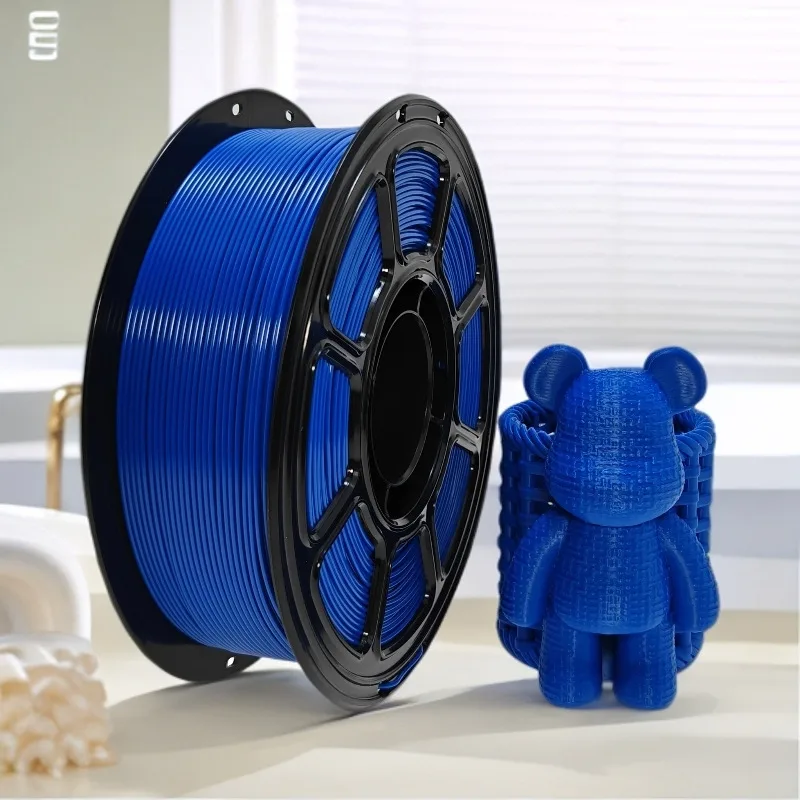
  • a marker or paint pen in any other shade marks revisions instantly. All 9 swatches are shown in the colour image.
  • Diameter 1.75 mm on a standard round spool
Compare filaments
Diameter 1.75mm
Material PLA
Quick Answer

Is PLA Plus dimensionally consistent enough for prototypes and fit testing?

The fit of two printed parts depends on a consistent strand cross-section and consistent deposition, not on strength alone, and that is where a modified PLA compound is a real advantage: it bonds reliably layer to layer, so a printed wall reaches its nominal thickness instead of leaving gaps or a rough seam that changes the fit. Machining or filing a snap feature does not delaminate the part either. Print at 1.75 mm nominal on a spool, with 0.16-0.24 mm layers. We do not publish a tolerance in numbers; a paid test spool lets you measure it on your own printer and profile. Nozzle 200-230 °C.

Full answers below
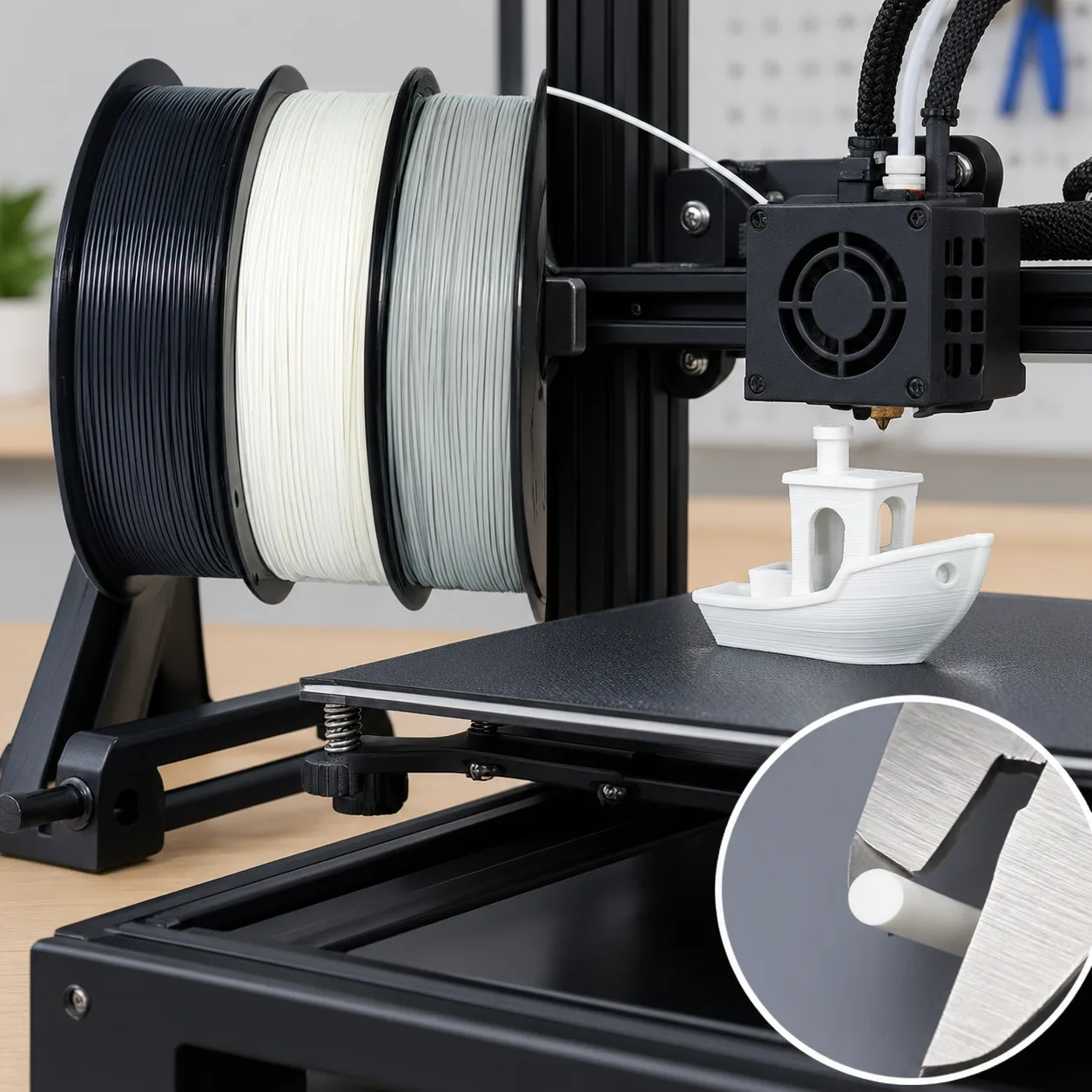
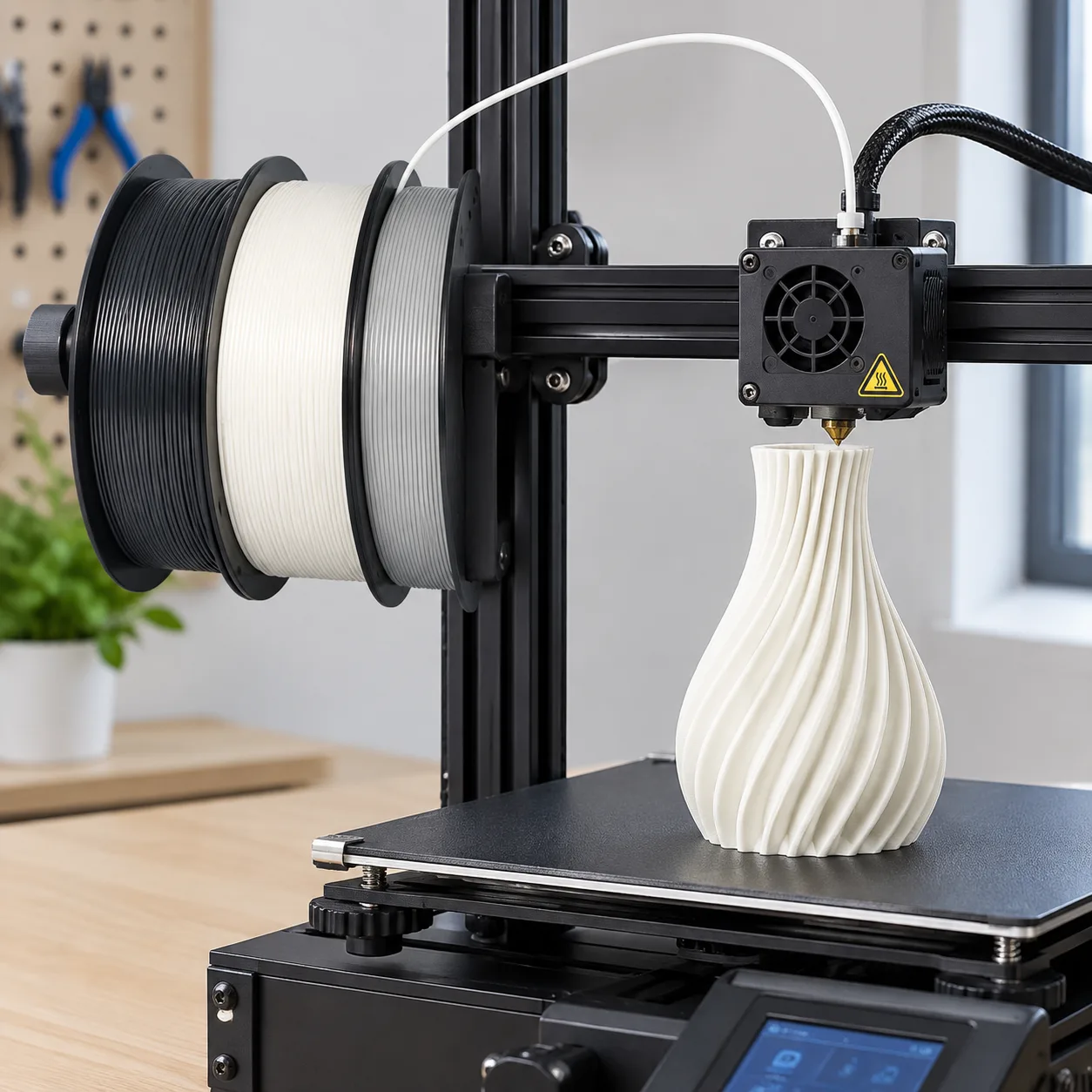
Is it right for my project?

Best for: Ideal for models, prototypes and indoor decor where crisp detail and the lowest cost per part matter most - available in 9 colours; lead colour PLA+ White. Not ideal for: Not for hot-car interiors or load-bearing parts; use PETG or ABS where heat and impact resistance matter - available in 9 colours; lead colour PLA+ White.

Print settings

Nozzle 200-230°C

01 · Why this one

Product highlights

4 reasons

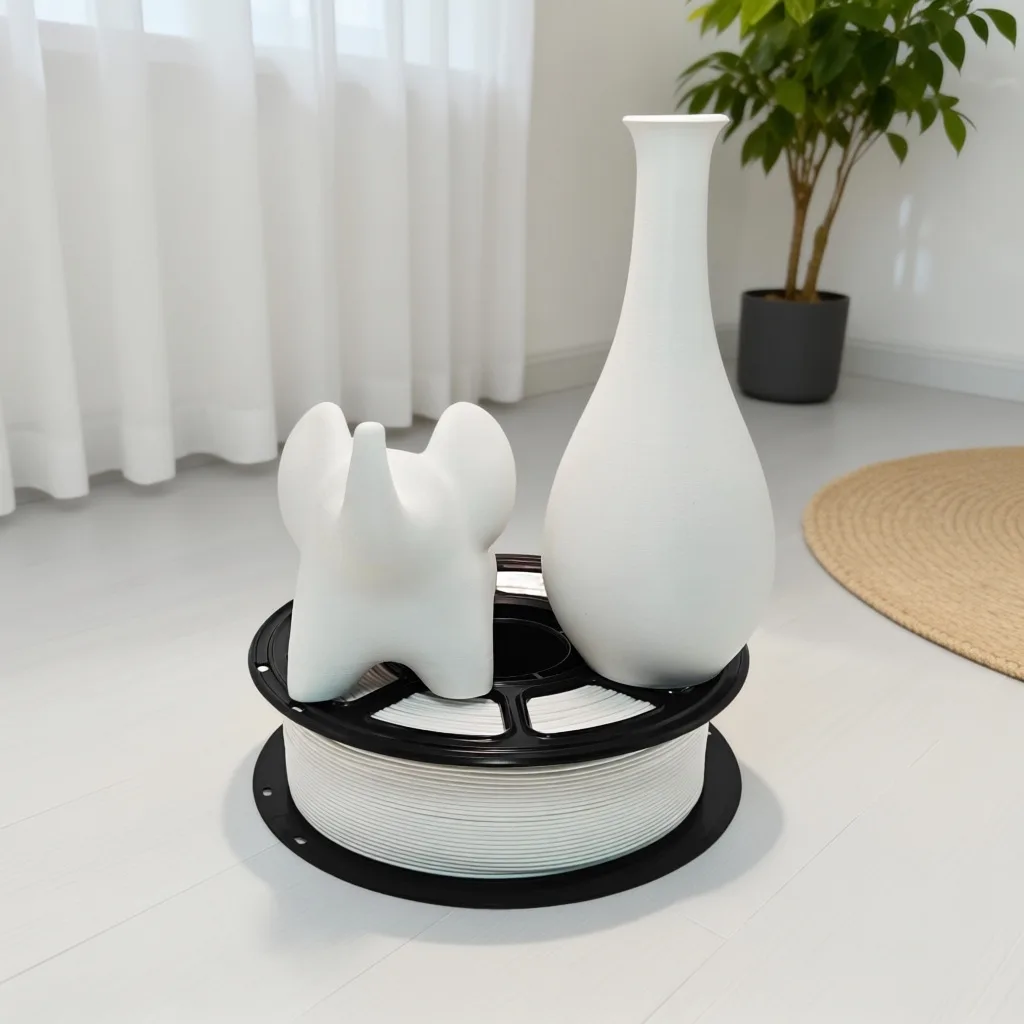
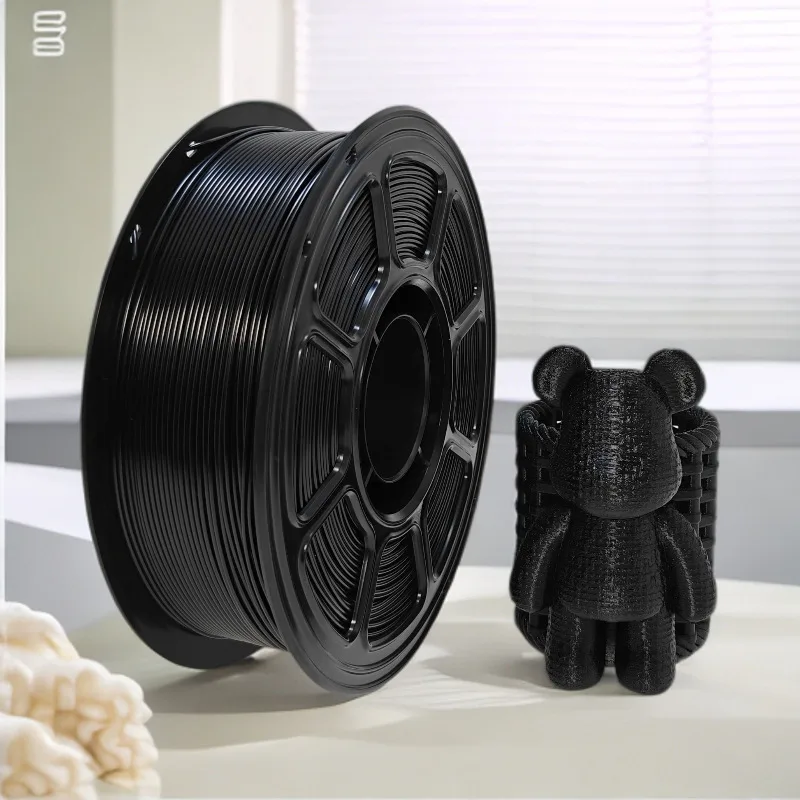
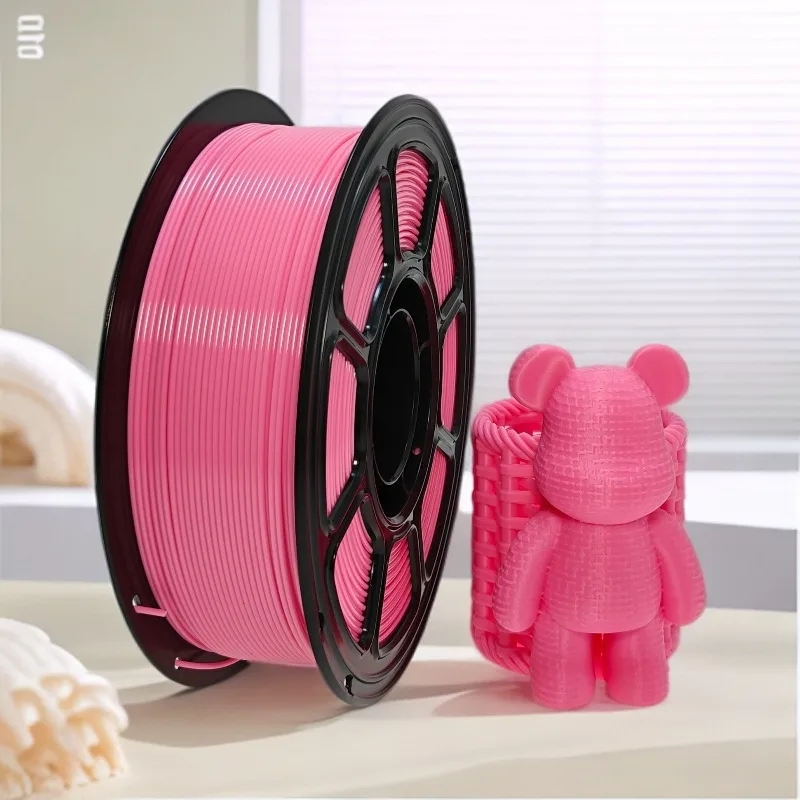
One neutral colour keeps a design review readable. White is the lead colour across 9 PLA Plus shades: White, Black, Grey, Pink, Orange, Skin Tone, Red, Yellow and Blue. In white, layer shifts, dimensional error and surface defects stand out under bench light, so two prototype iterations can be compared side by side without the colour distracting the eye

a marker or paint pen in any other shade marks revisions instantly. All 9 swatches are shown in the colour image.

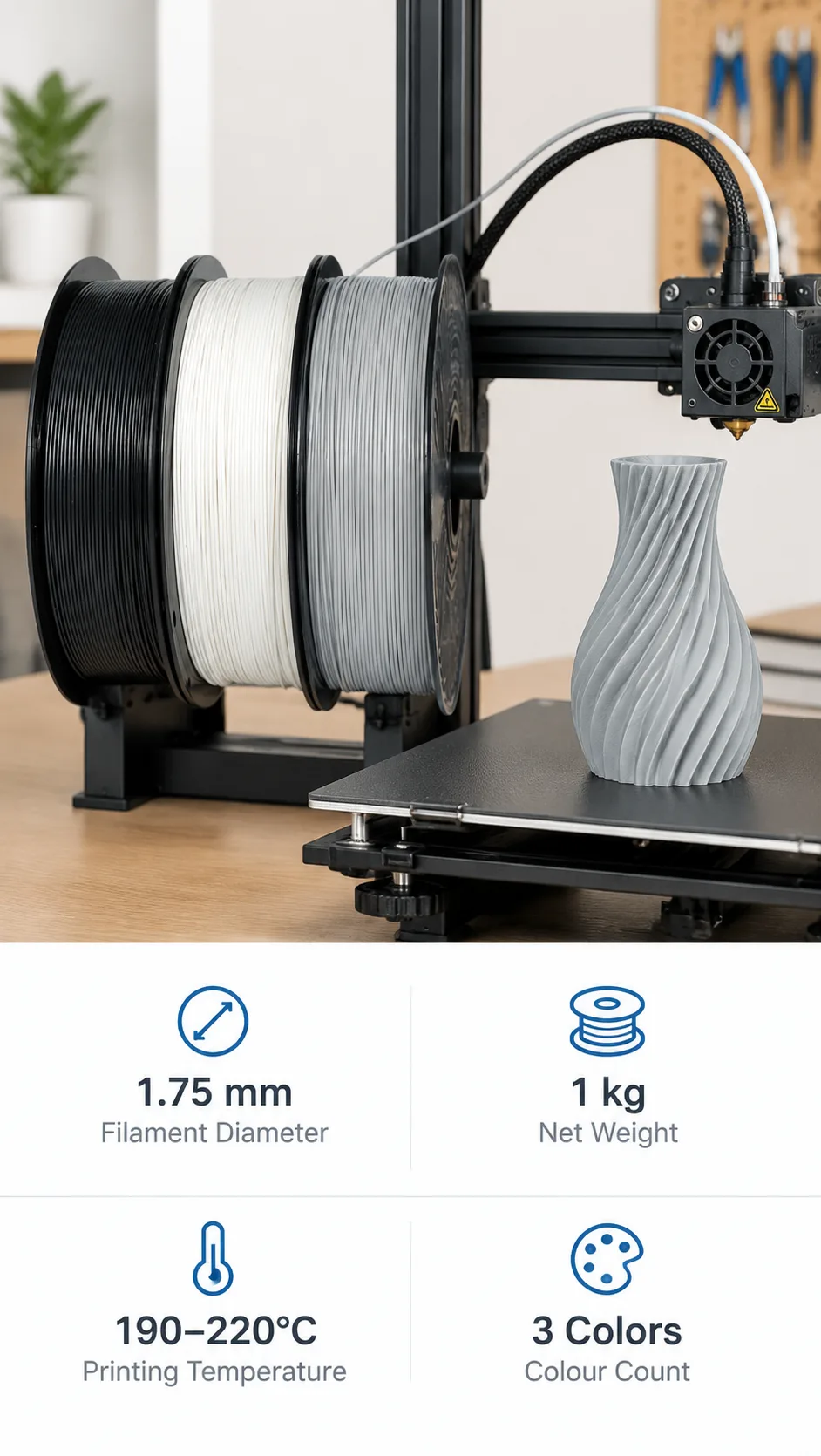
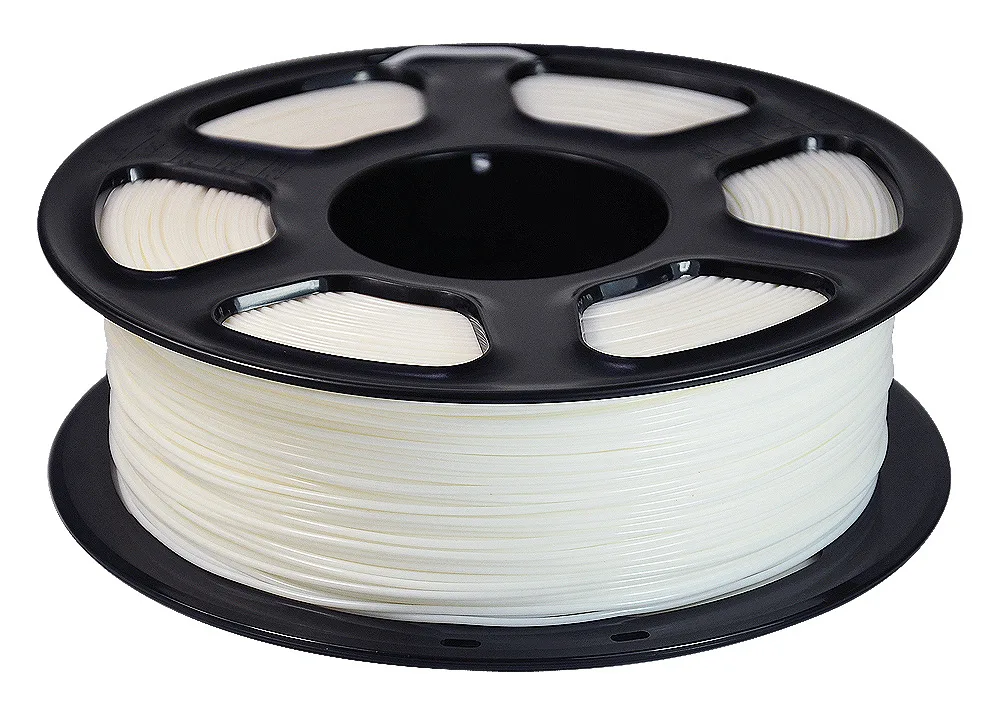
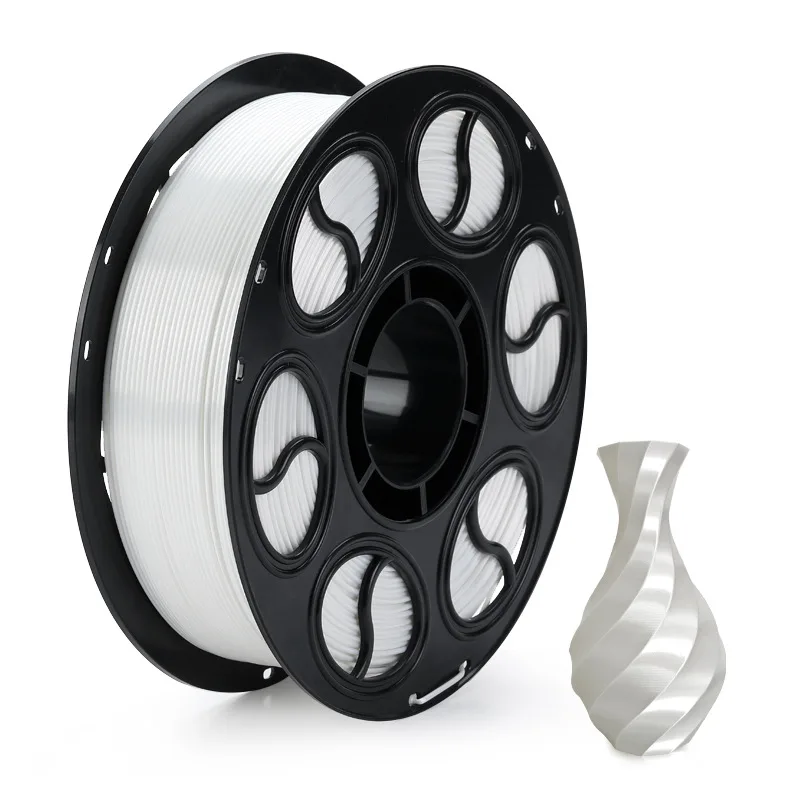
Diameter 1.75 mm on a standard round spool, 1 kg net filament per spool. Nozzle temperature 200-230 °C. The compound is modified for interlayer bonding, so a joint face that is machined or snapped apart does not delaminate. Diameter is held across the spool and across production batches, which is what keeps fit between two halves of one design stable from the first prototype to the tenth reprint.

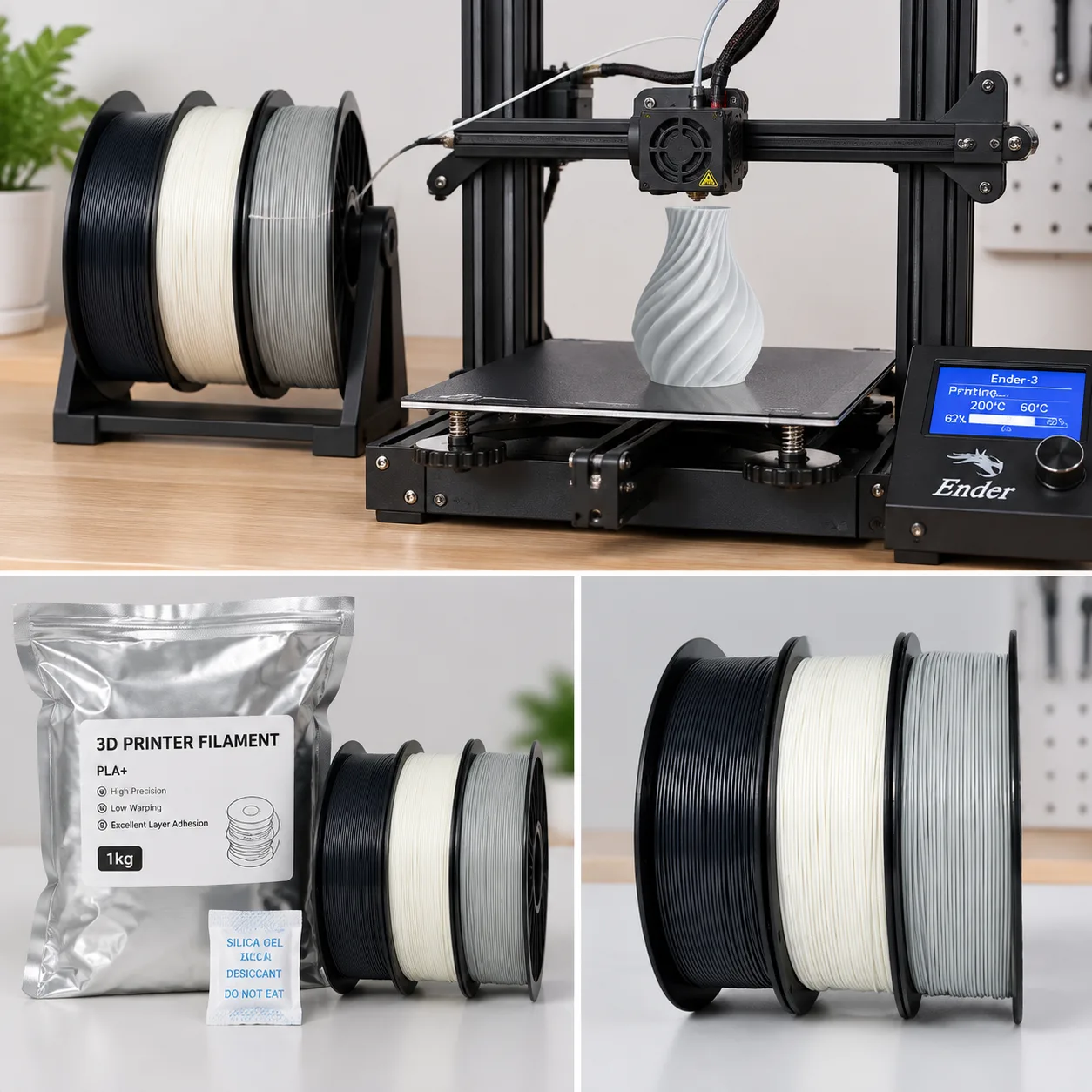
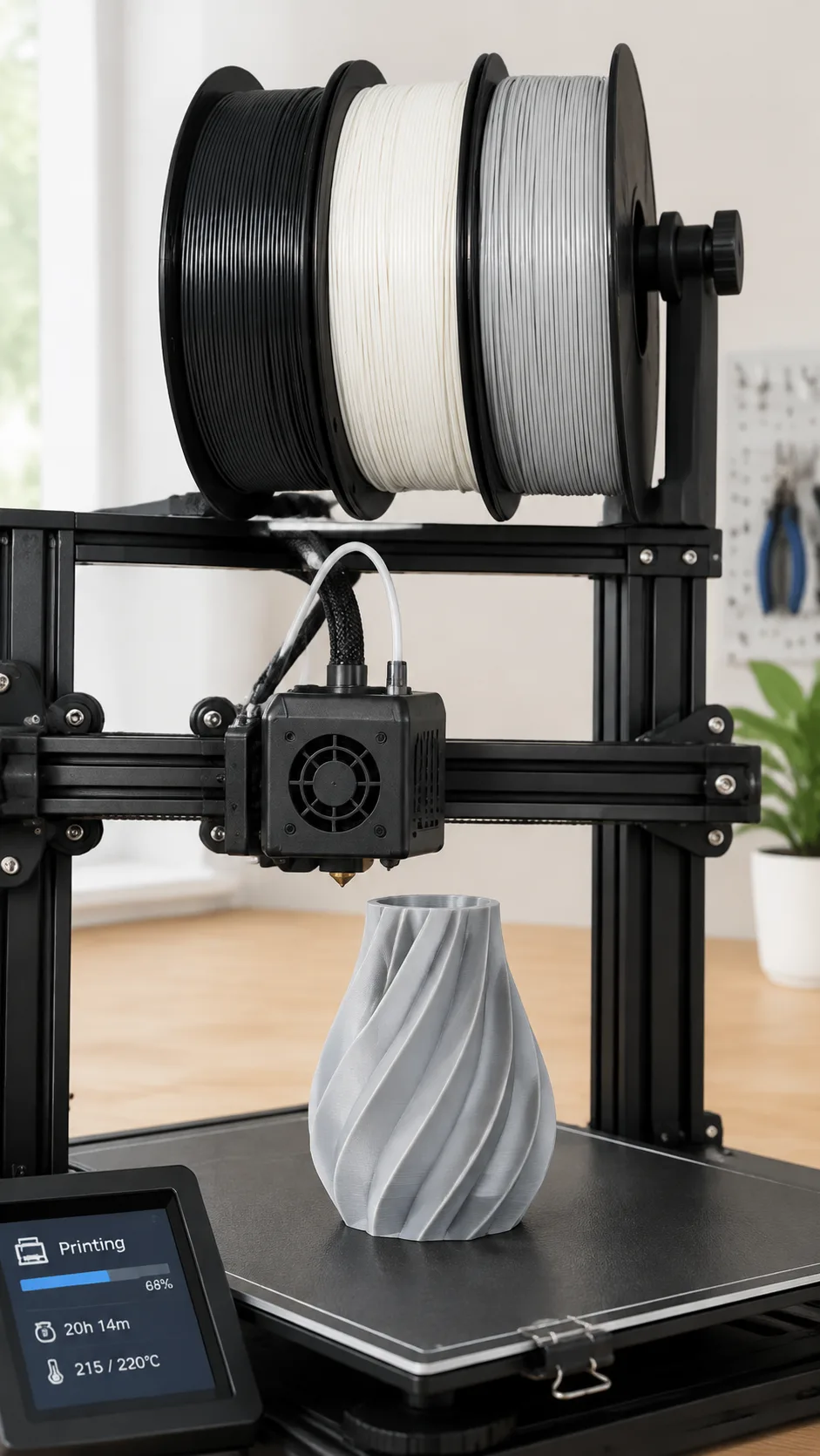
Treat it as a standard PLA in the slicer: 200-230 °C, a heated chamber, an enclosure and special hardware are all unnecessary, and the spool ships vacuum sealed with a desiccant pack so it prints without a drying step. For fit-critical parts use 0.16-0.24 mm layers with 0.4 mm wall lines and modest cooling, then tune the temperature inside the band until the assembled joint seats. Keep the spool in the dry box between prototype rounds so the hundredth part matches the first.

Technical Data

Specifications

Diameter 1.75mm
Material PLA

Print Profile

Factory Wholesale PLA+ prints best at 200-230°C nozzle.

Nozzle Temp200-230°C

Spool Specification

Spool details for your feeding and handling setup.

Gross Weight1.4 kg
Spool Size (L×W×H)20 × 20 × 6.5 cm
Pack FormatPiece
Spool TypeRound Spool

Attributes

Country / Regionchina
HS Code39169050
Item No.pla-diameter-jam-free-consistent-feeding-colors
Diameter 1.75mm
Appearance Round Spool
Diameter 1.75mm
Appearance Round Spool
Before You Ask

Frequently Asked Questions

Is PLA Plus dimensionally consistent enough for prototypes and fit testing?
The fit of two printed parts depends on a consistent strand cross-section and consistent deposition, not on strength alone, and that is where a modified PLA compound is a real advantage: it bonds reliably layer to layer, so a printed wall reaches its nominal thickness instead of leaving gaps or a rough seam that changes the fit. Machining or filing a snap feature does not delaminate the part either. Print at 1.75 mm nominal on a spool, with 0.16-0.24 mm layers. We do not publish a tolerance in numbers; a paid test spool lets you measure it on your own printer and profile. Nozzle 200-230 °C.
Does a modified PLA need a different printer setup?
No. It is 1.75 mm filament on a standard 1 kg round spool and runs on any single-extruder FDM printer that accepts 1.75 mm material and a 1 kg spool, including Bambu Lab X1 and P1 class, Creality Ender class, Prusa, Anycubic and Elegoo machines. No hardened nozzle and no enclosure are required, since there is no abrasive filler in the compound; the standard PLA profile on your machine is a valid starting point. No heated bed value is quoted for this product, as the spool data does not specify one.
What settings should we use for a part that will be assembled and taken apart repeatedly?
Nozzle temperature 200-230 °C. For fit-critical parts stay at the lower half of that band, around 200-215 °C, which keeps dimensions predictable and stringing low; move up the band for higher throughput. Print 0.16-0.24 mm layers with three or more perimeters so the joint is built from solid walls rather than infill, use moderate cooling, and tune the layer height and flow until the joint seats by hand. Keep the spool dry, because damp filament changes extrusion and therefore fit. No heated bed value is quoted, as the spool data does not specify one.
Which colours are available for the prototyping series?
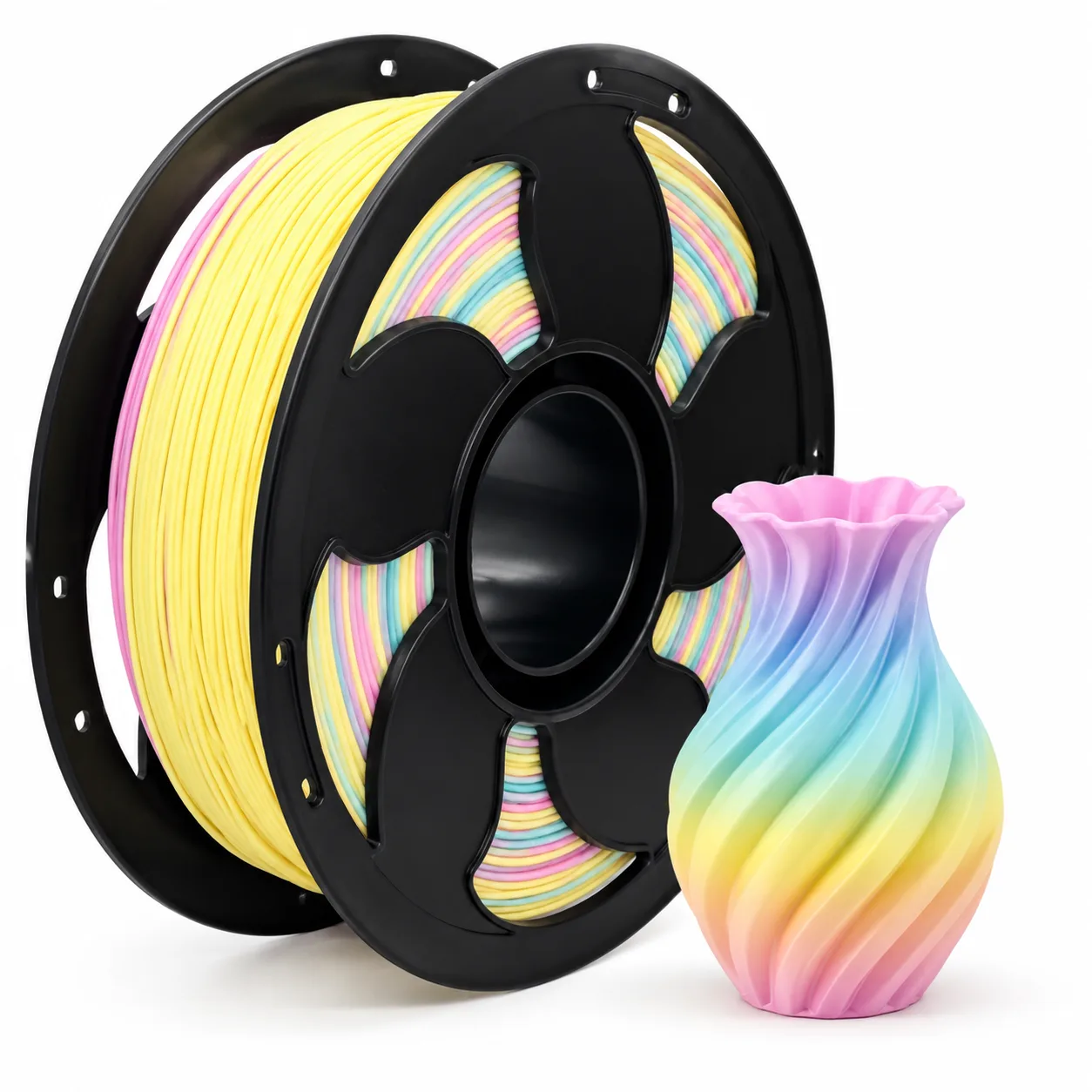
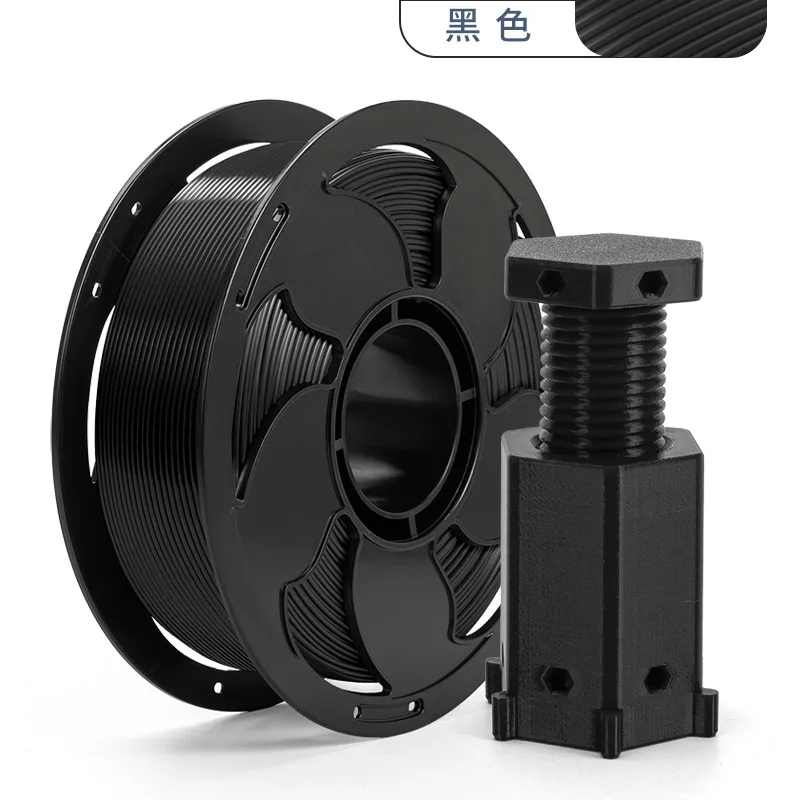
9 colours, all in the same PLA Plus compound: White, Black, Grey, Pink, Orange, Skin Tone, Red, Yellow and Blue. White is the lead colour and the usual choice for evaluation parts, because layer shifts and gaps read clearly on a white surface. Colour works in a review too: print the functional core in White and the revision in another shade and the change is visible across the room. Mixed cartons with a per-colour ratio are normal for trial orders; all 9 swatches are shown in the colour image.
What should I print with this grade?
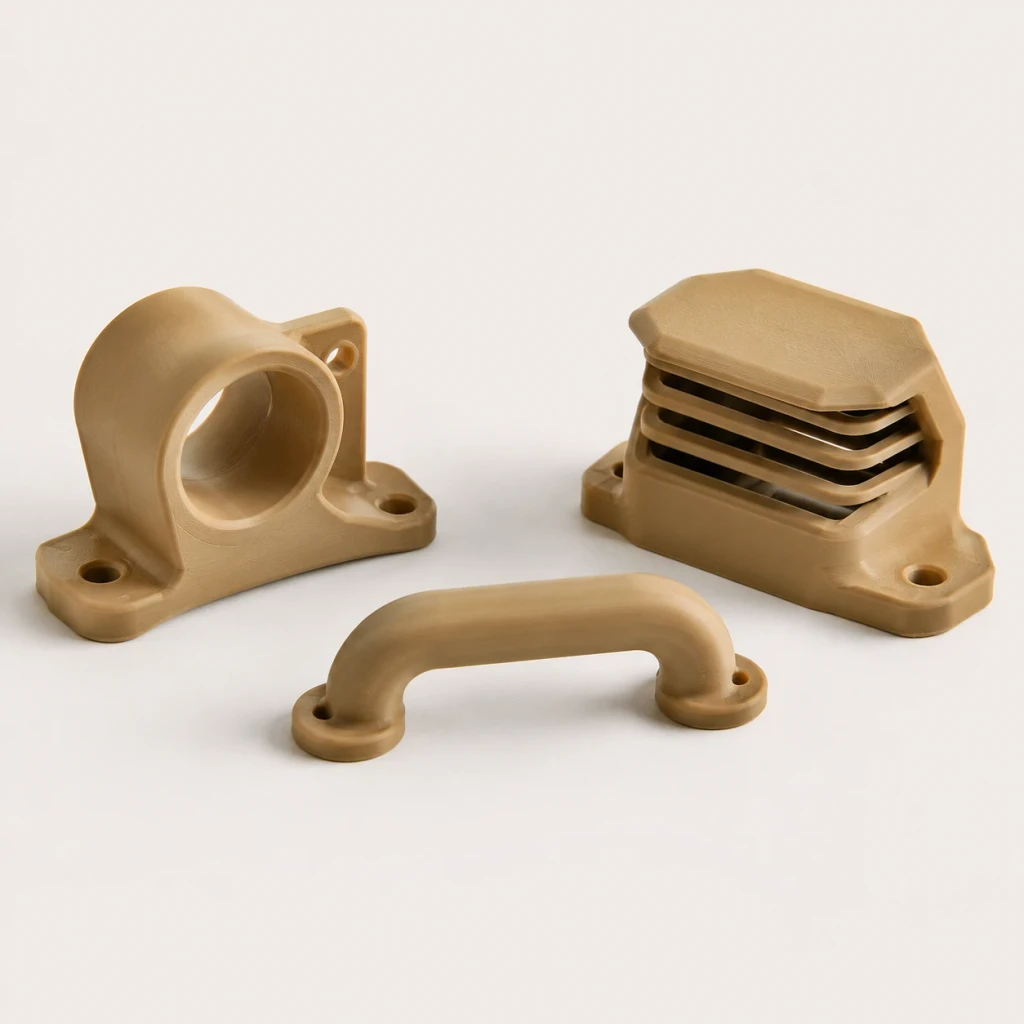
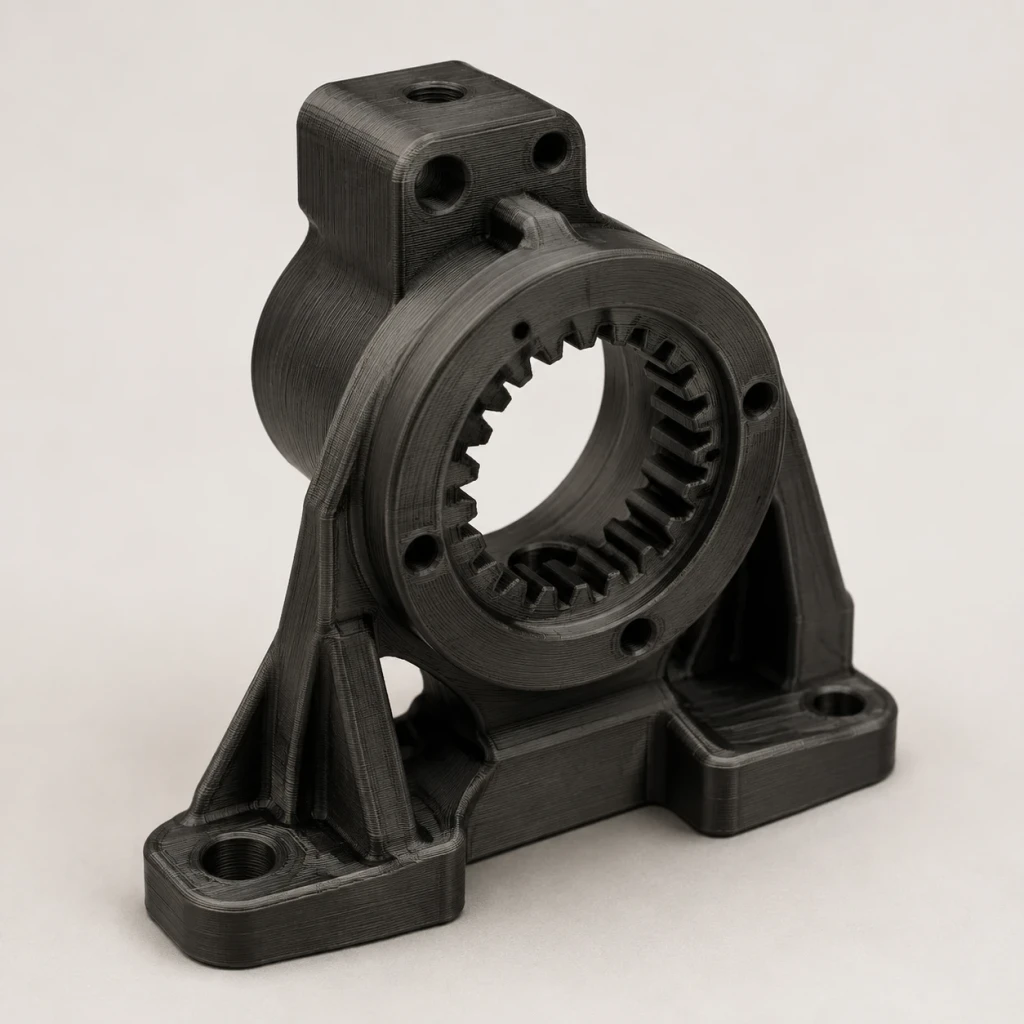
Functional prototypes and evaluation parts that will be handled repeatedly: snap-fit housings and enclosures, press-fit covers, plug and socket joints, jigs and locating fixtures, robot end-effector fingers and gripper pads, drone and RC brackets that take hard landings, cable clips and brackets for displays and fit-check mock-ups. It also suits small-series production where a plain PLA seam is the failure point. It is not an engineering polymer: for hot service, chemical exposure or continuous load, use PETG, ABS or a filled grade.
How should I store a spool between prototype rounds?
The spool ships vacuum sealed in a foil bag with a desiccant pack inside a printed carton and prints without a drying step. If a project runs over several weeks, keep the part-used spool in a dry box or in the resealed bag between sessions: PLA takes up atmospheric moisture slowly, and damp filament gives a rougher surface and inconsistent extrusion, which shows up as a fit that changes between the first prototype and a later reprint. A few hours at 50-60 °C in a filament dryer refreshes a spool that has stood open in humid air. Store flat, away from sunlight and heat.

Documentation & Downloads

Everything we publish for this material, in one place.