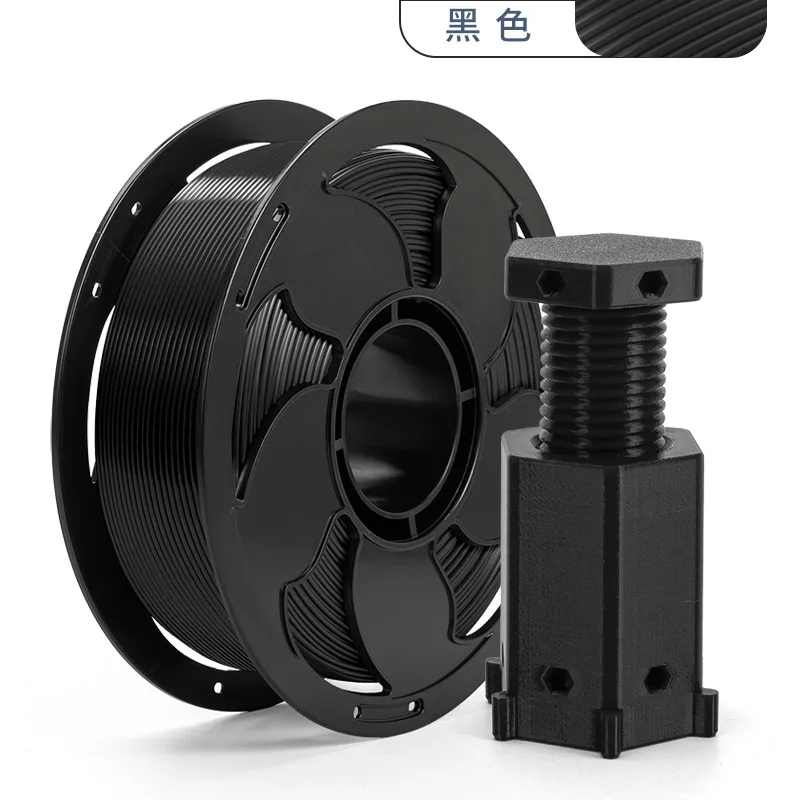
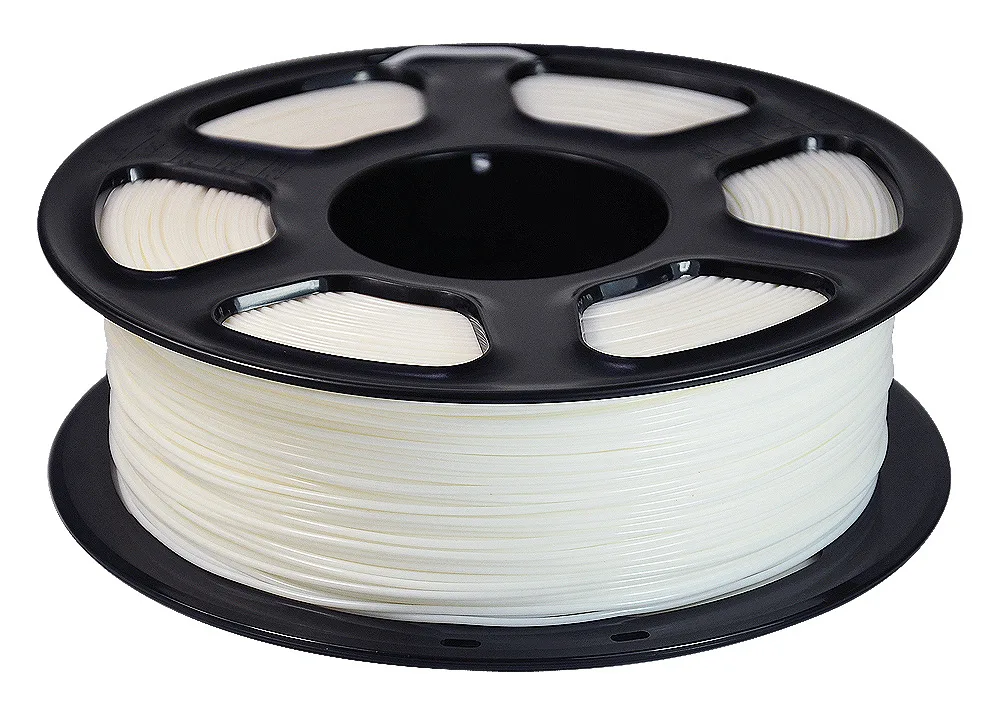
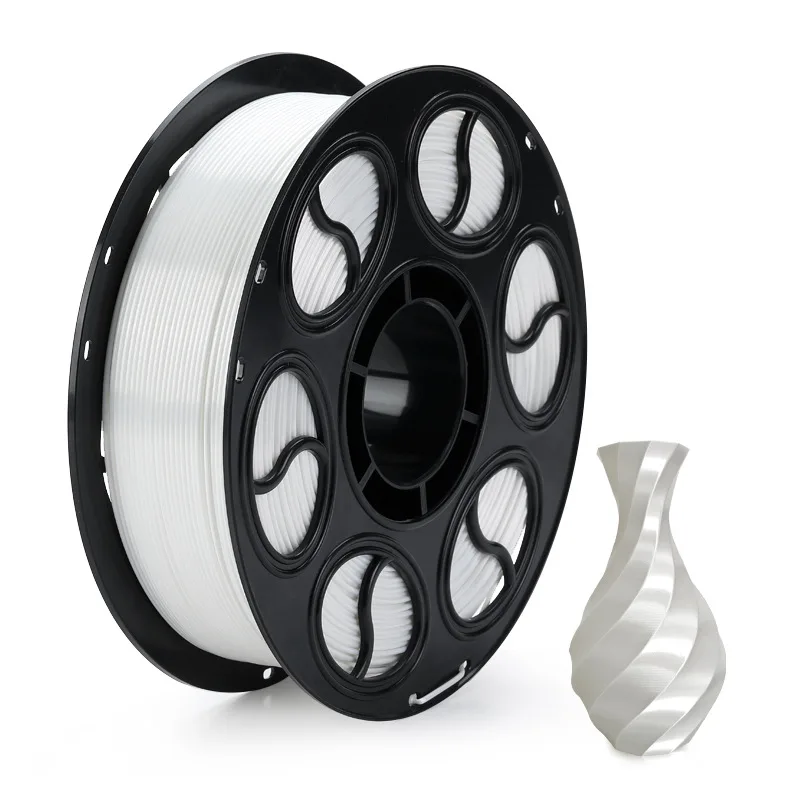
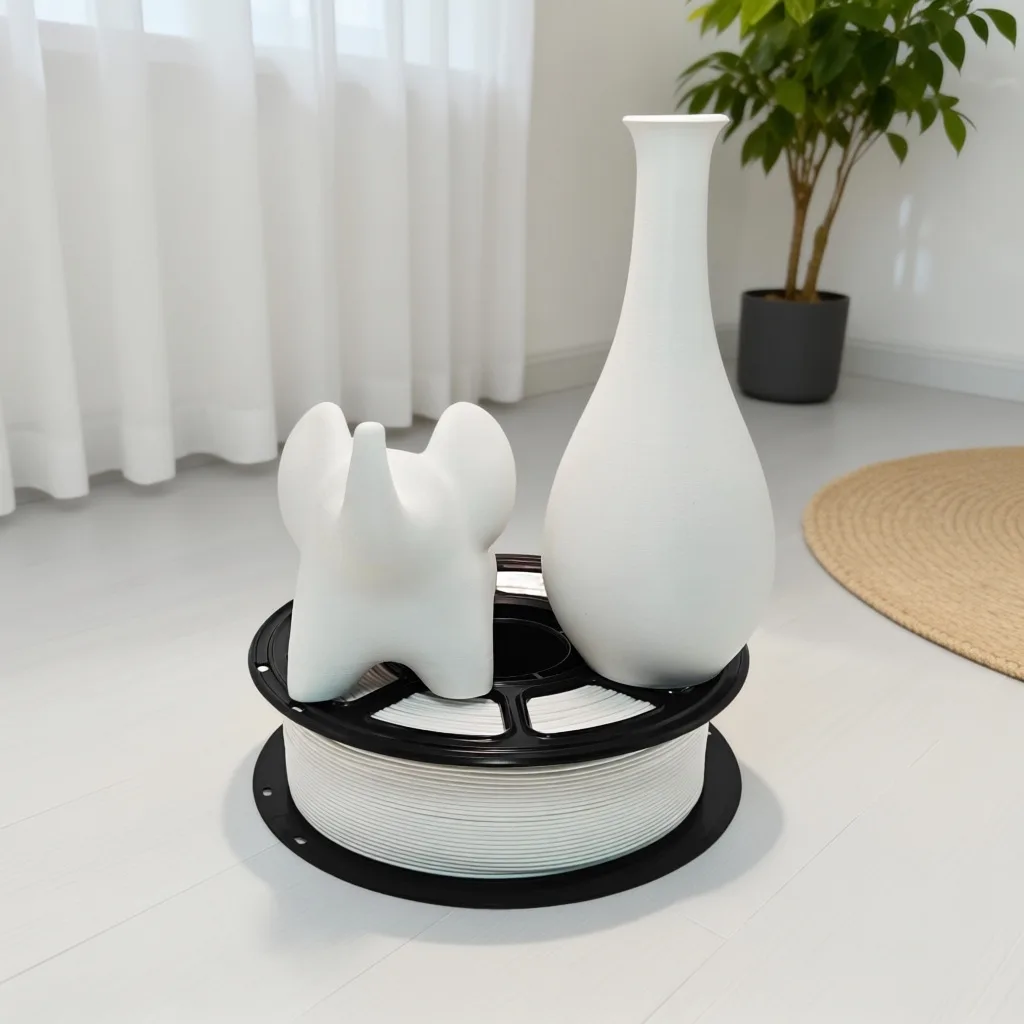
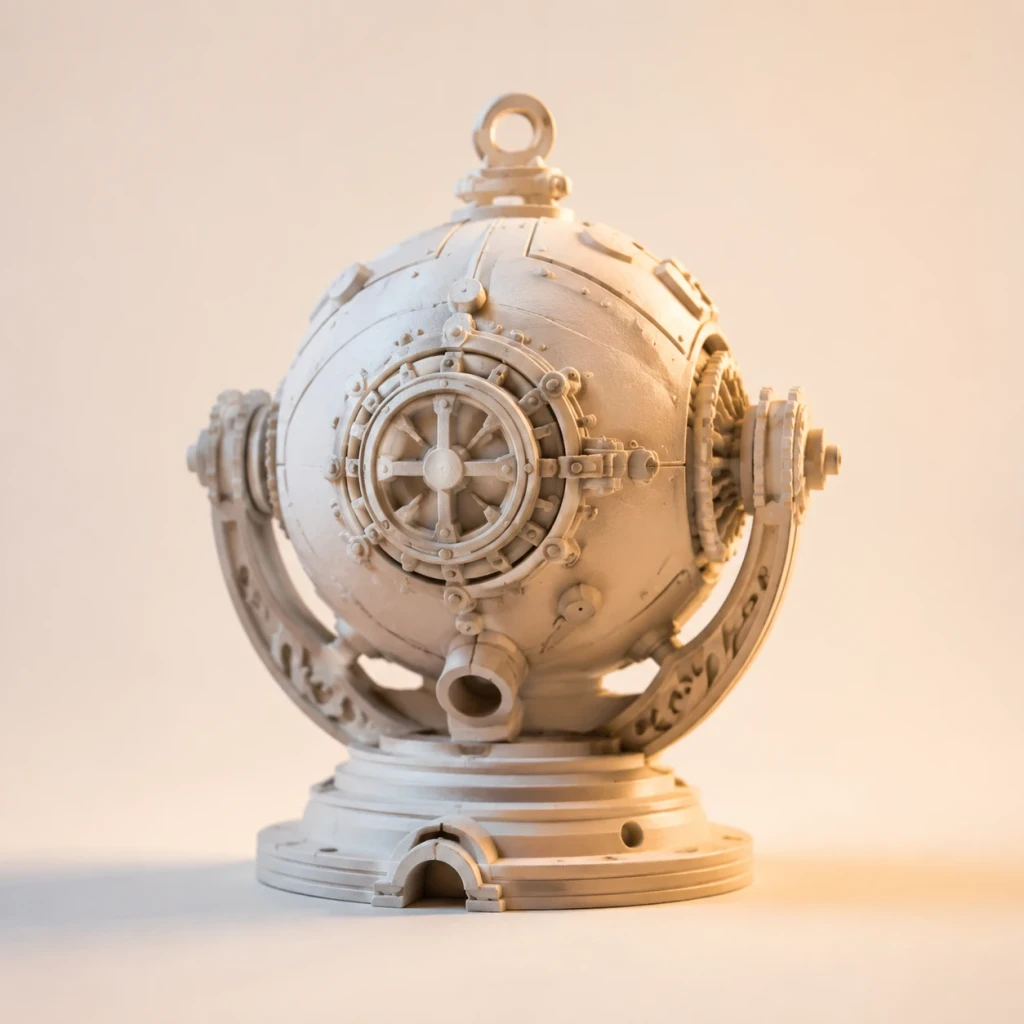
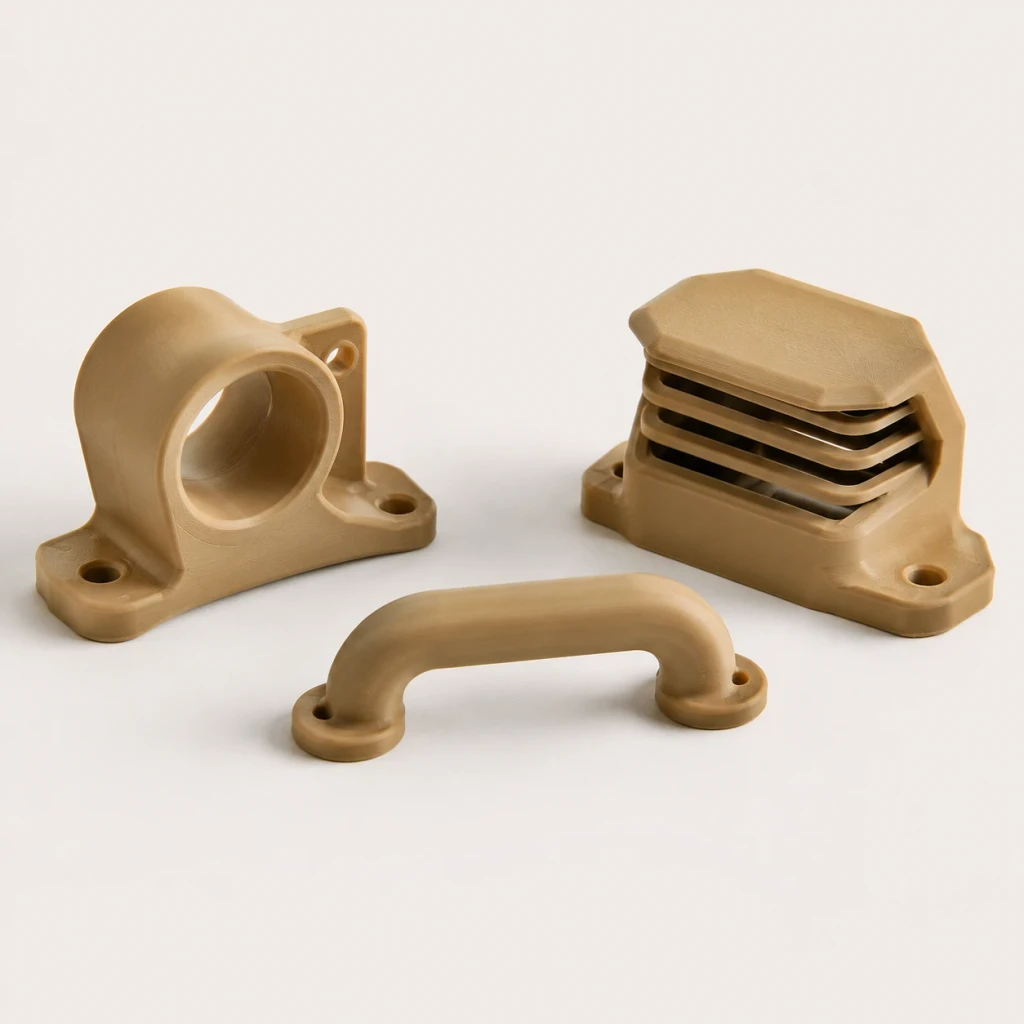
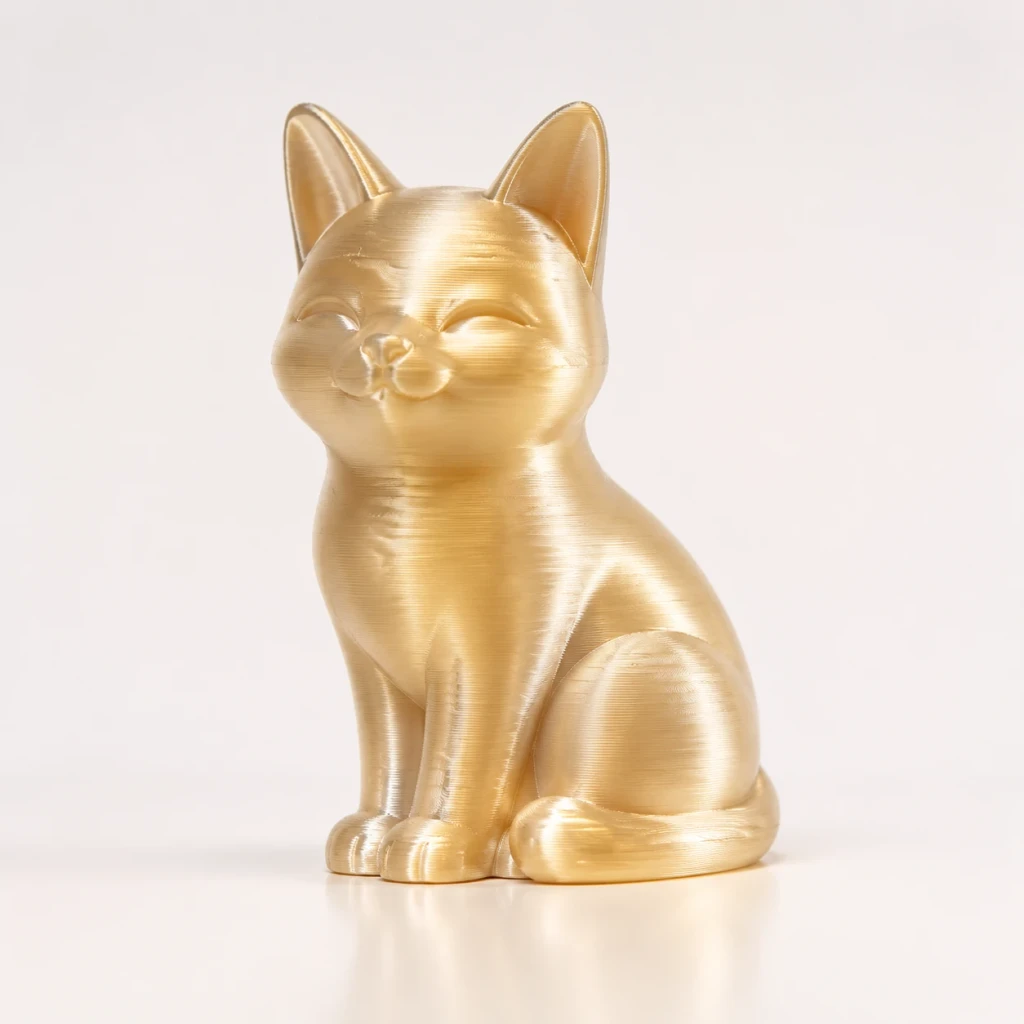
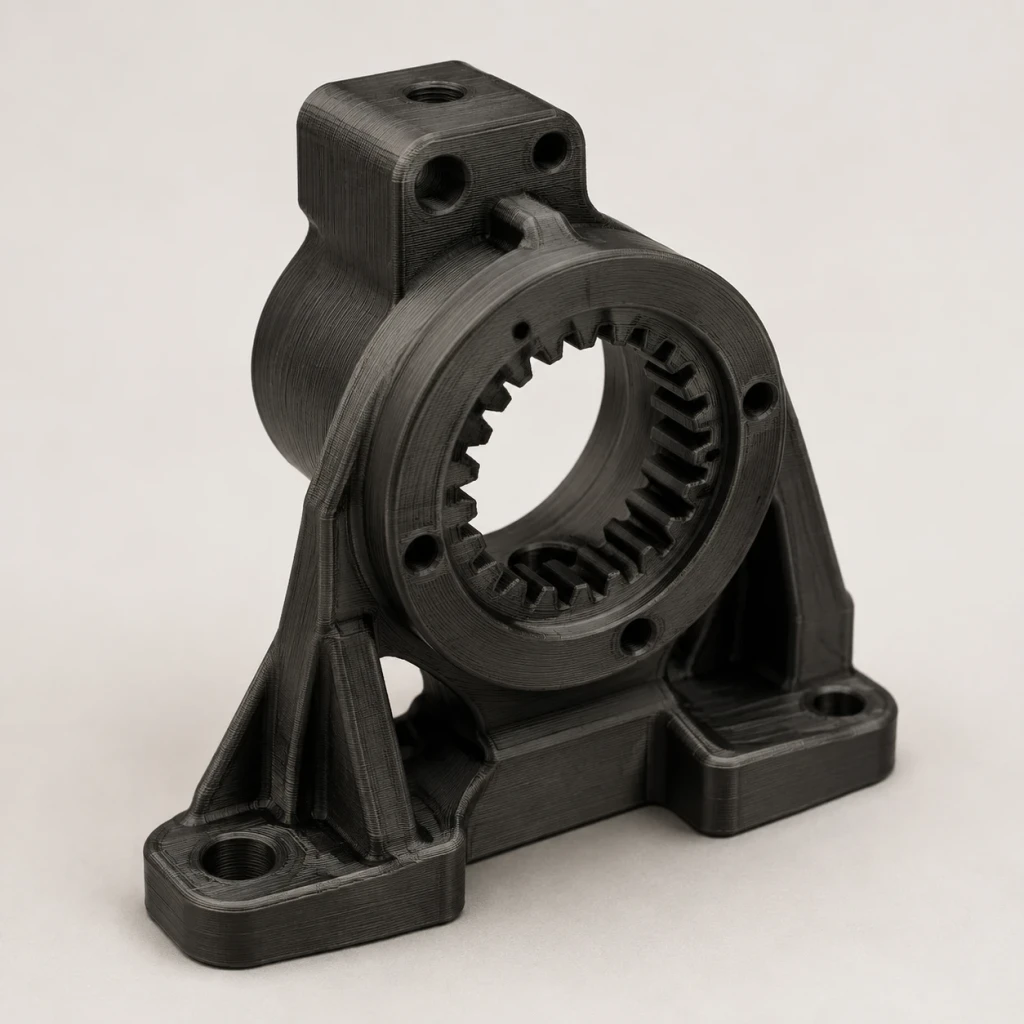
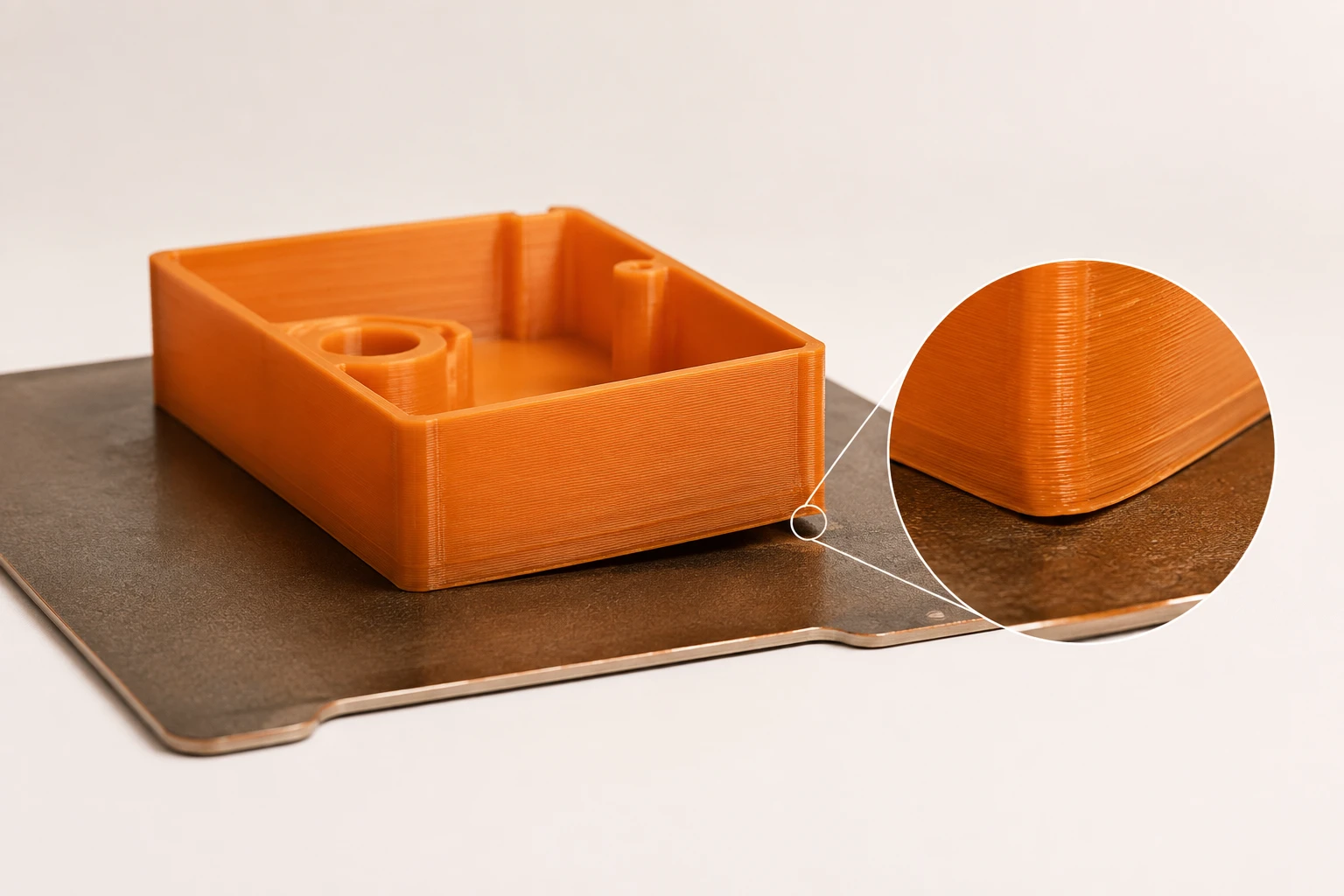
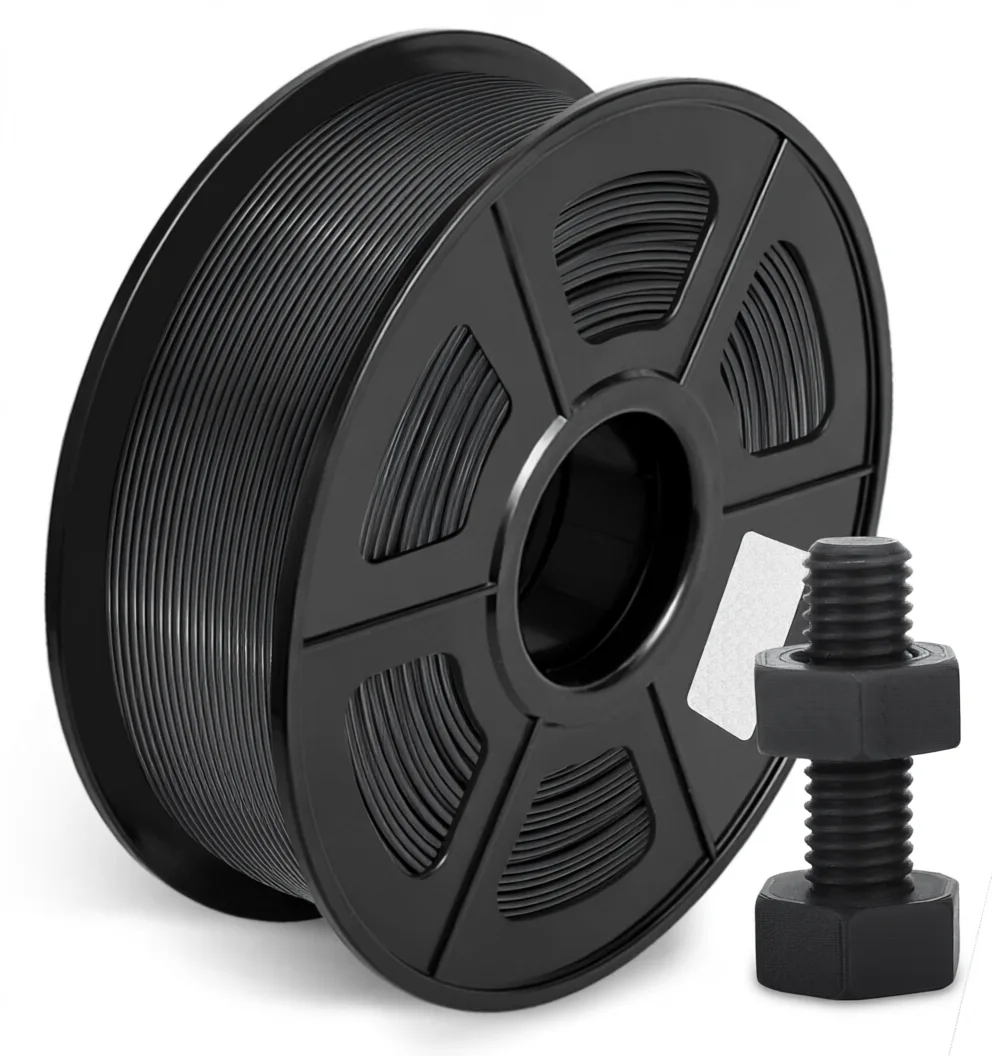
ABS Filament 1.75mm High Impact Heat Resistant

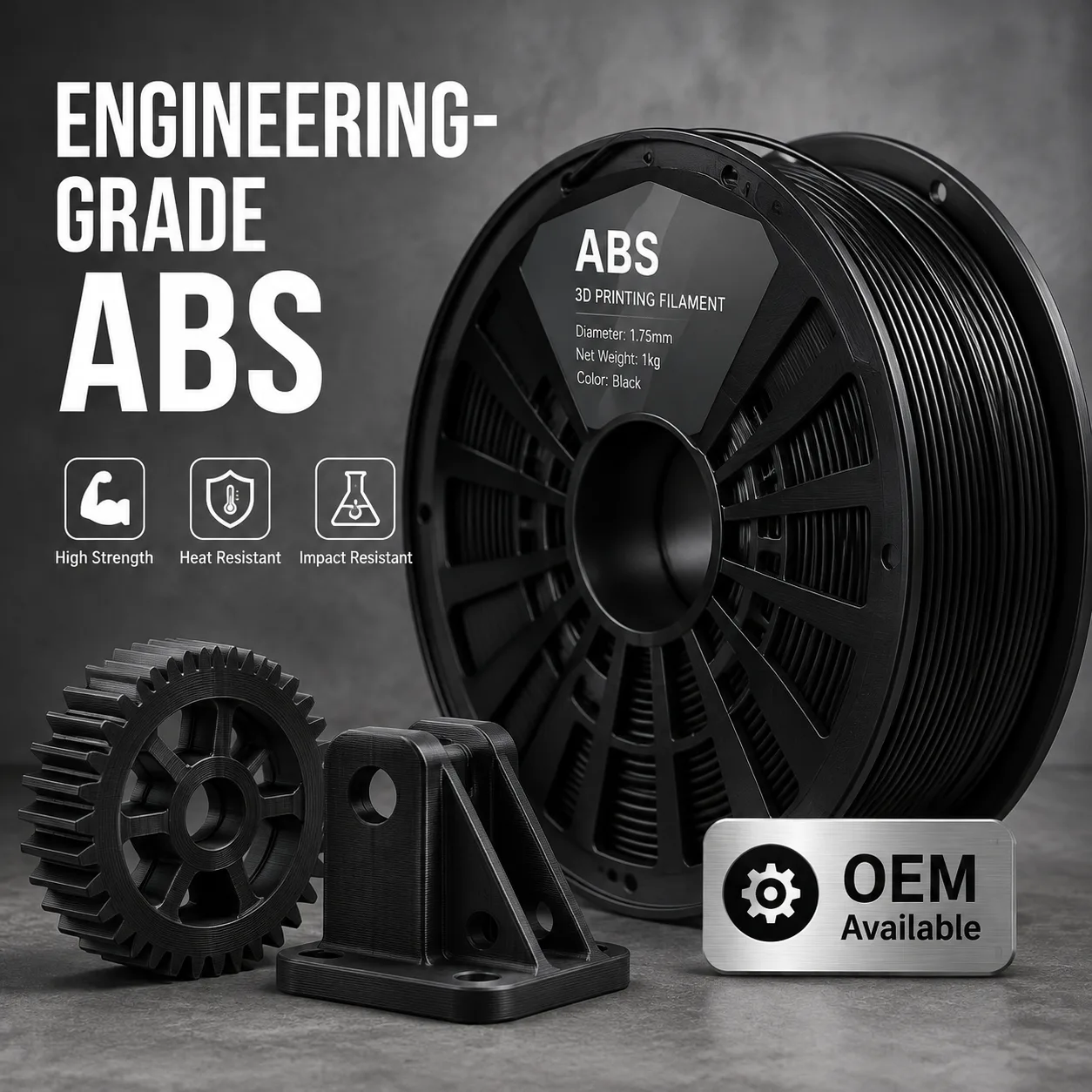
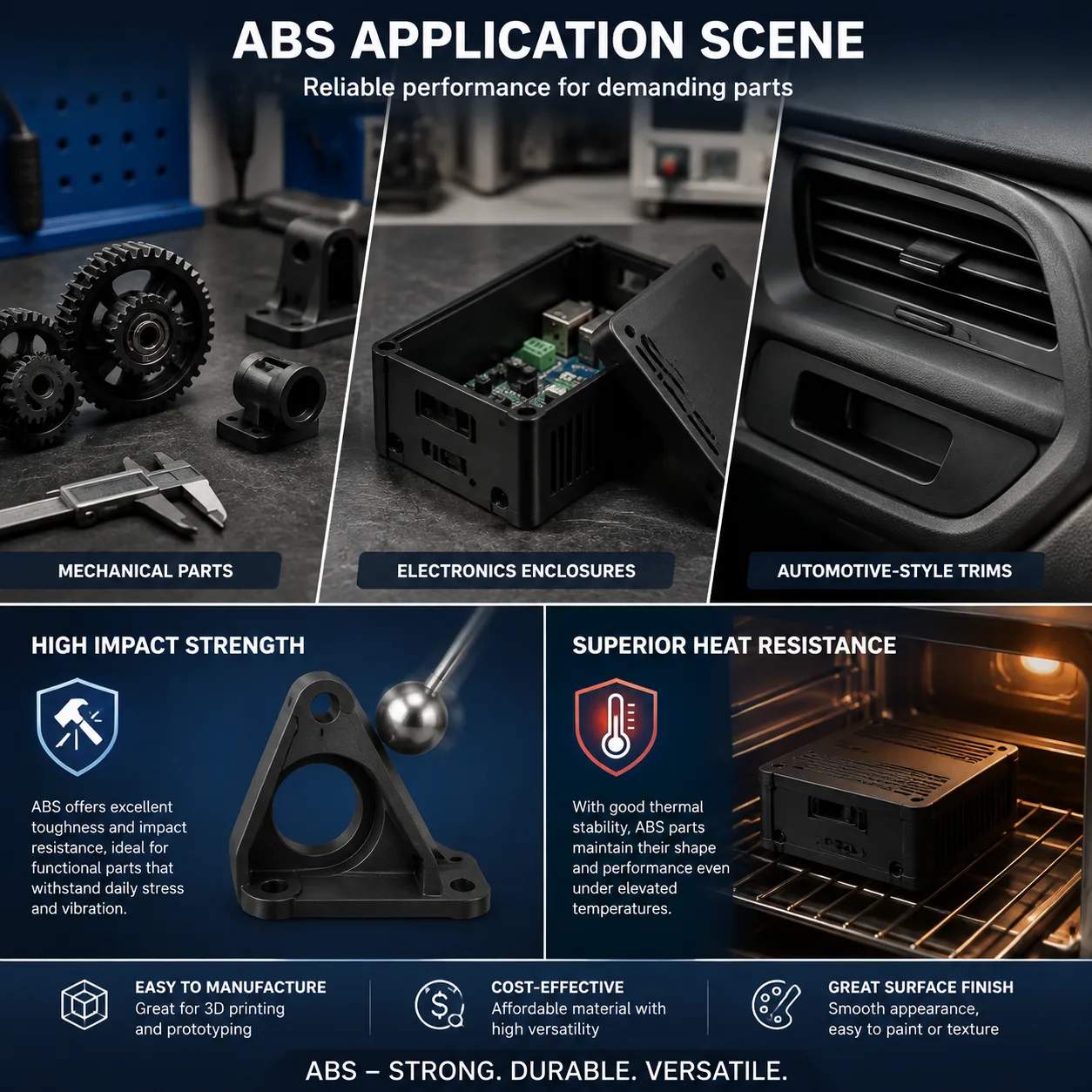
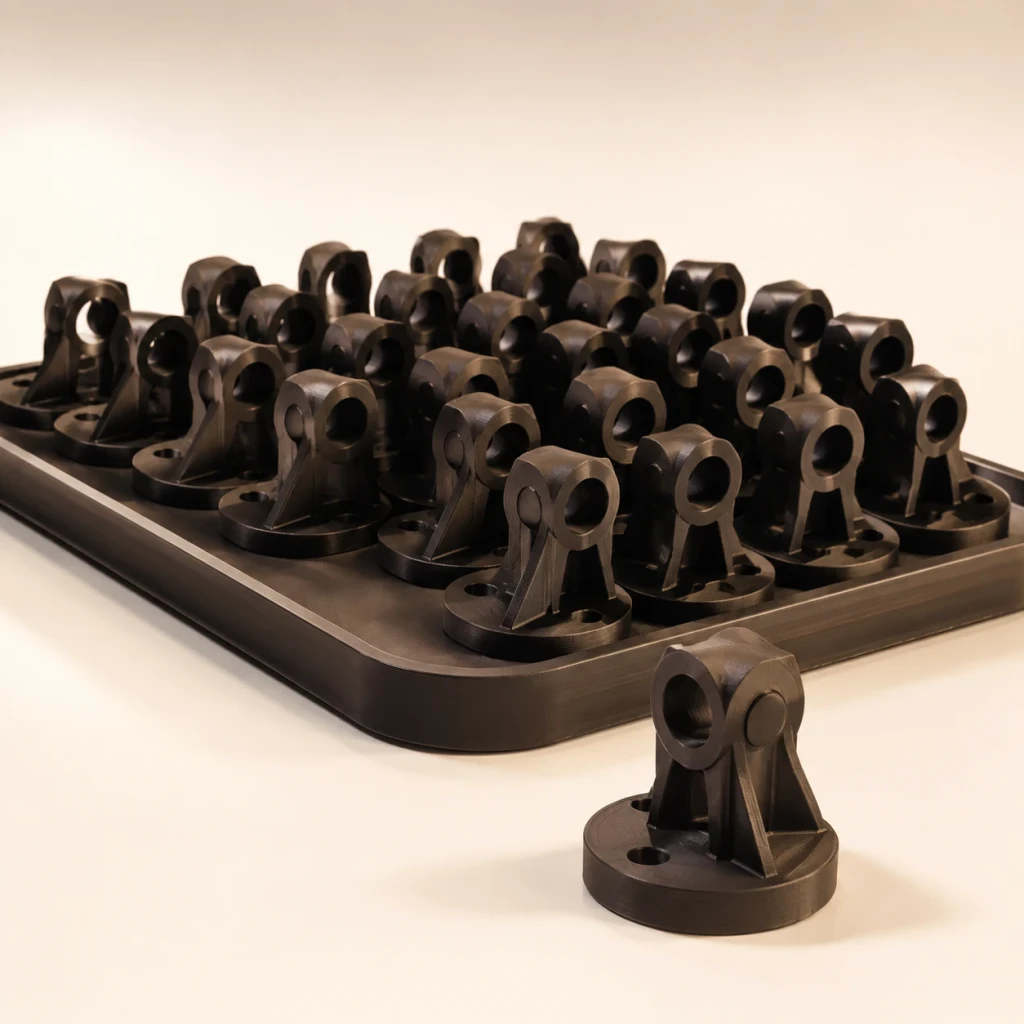
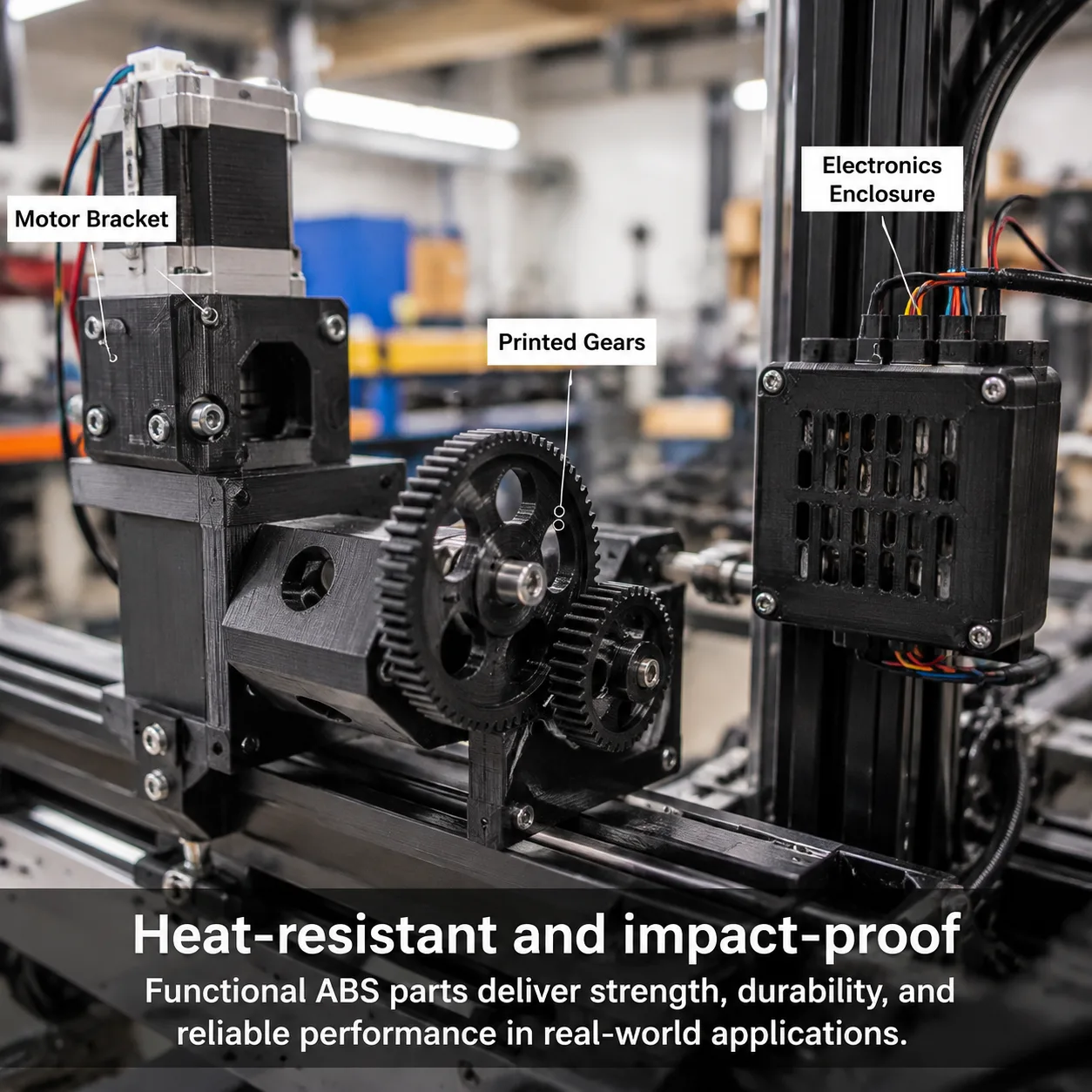
Brand: Yiqiu3D · Real ABS toughness for moving parts: high impact strength and heat resistance let printed gears, brackets and housings keep their shape at temperatures that make PLA soften and sag.

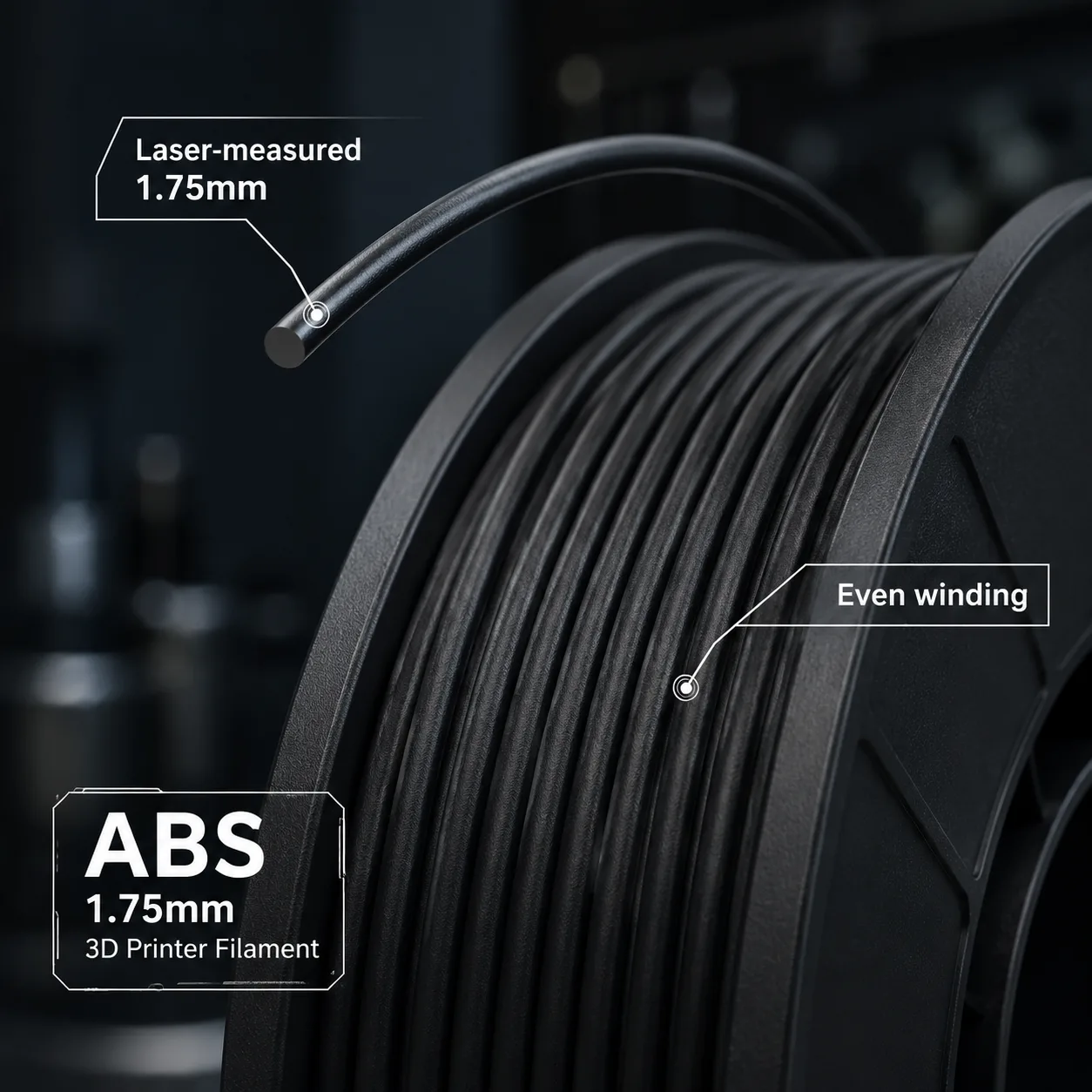
  • Dimensional discipline: 1.75mm diameter held by laser-measured tolerance with clean
  • Practical ABS printing: with a simple enclosure or a stable ambient temperature
Compare filaments
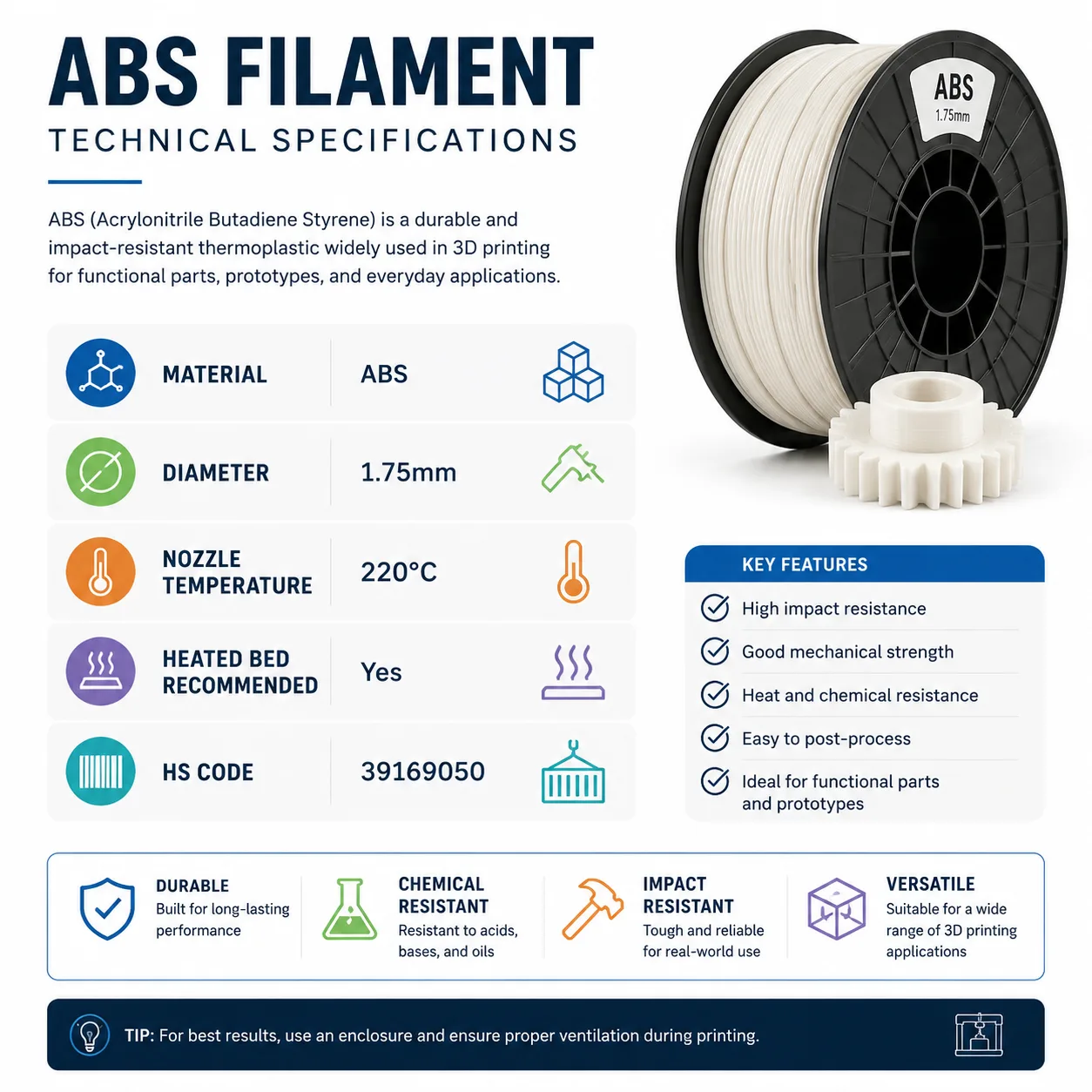
Diameter 1.75mm
Material ABS
Quick Answer

Why is ABS better than PLA for mechanical parts?

ABS has higher impact strength, heat deflection and toughness than PLA, so printed parts keep their shape under load and in warmer environments. For gears, brackets and enclosures that must not soften or shatter, ABS is the standard engineering choice.

Full answers below
Is it right for my project?

Best for: Best for durable end-use parts needing impact strength plus heat tolerance, with vapour smoothing possible - lead colour Any Color (Note in Order). Not ideal for: Avoid for food-contact or high-emission environments without proper ventilation - lead colour Any Color (Note in Order).

Print settings

Nozzle 240-260°C

01 · Why this one

Product highlights

2 reasons

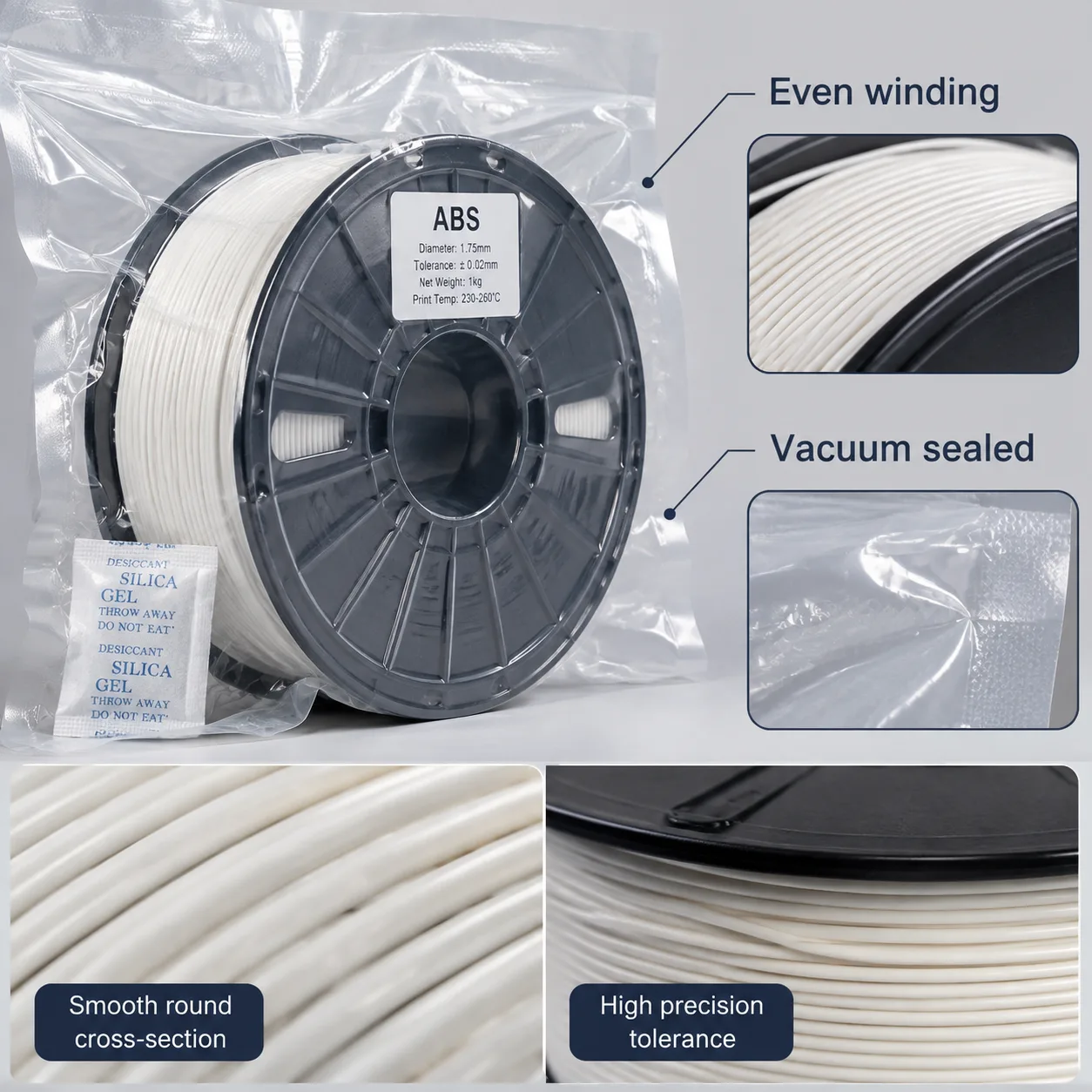
Dimensional discipline: 1.75mm diameter held by laser-measured tolerance with clean, even winding, so complex mechanical prints stay dimensionally stable layer after layer.

Practical ABS printing: with a simple enclosure or a stable ambient temperature, it prints warpage-resistant parts with the familiar Creality, Prusa, Bambu Lab and Anycubic workflow you already know.

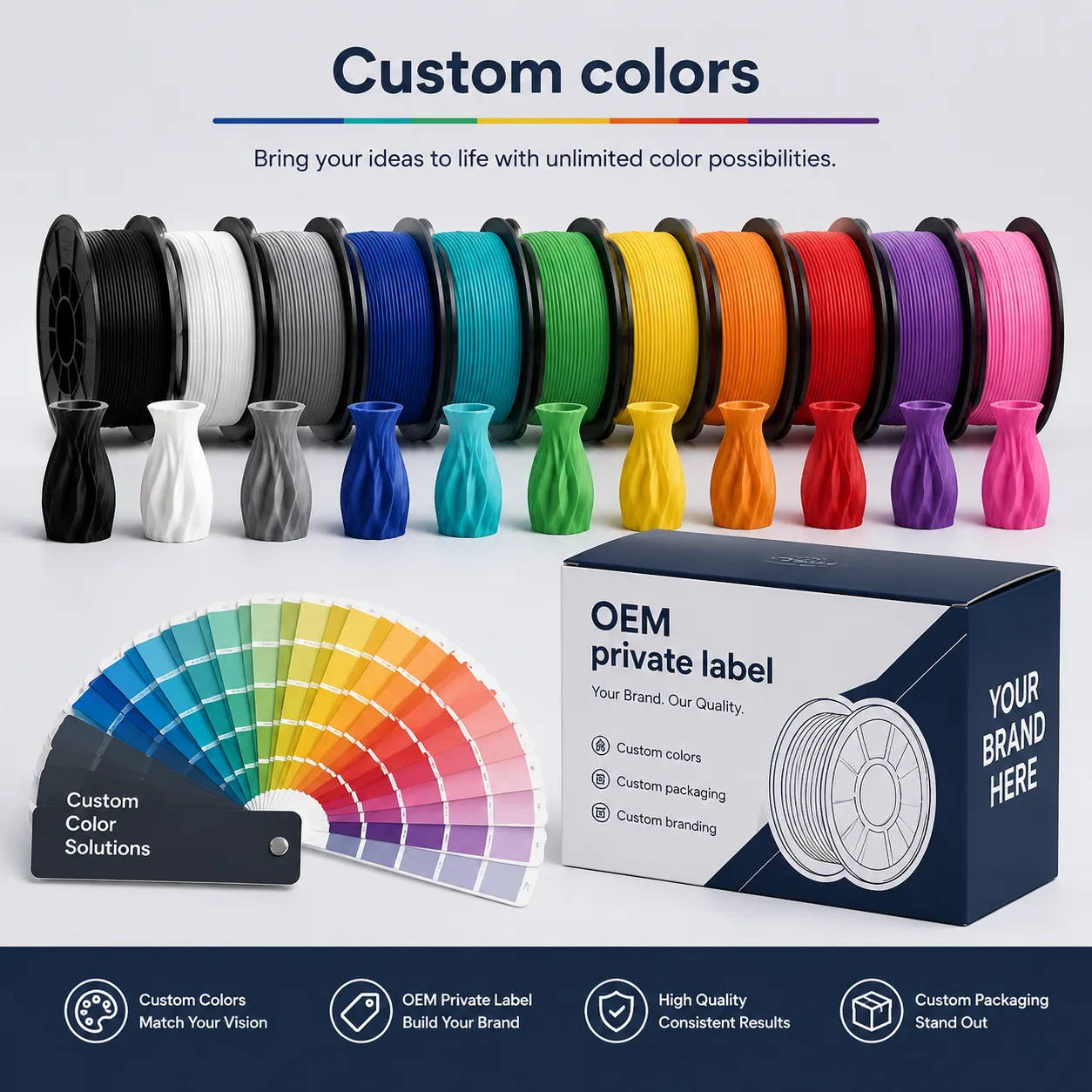
Available Colors

Technical Data

Specifications

Diameter 1.75mm
Material ABS

Print Profile

ABS Filament 1.75mm High Impact Heat Resistant prints best at 240-260°C nozzle.

Nozzle Temp240-260°C

Spool Specification

Spool details for your feeding and handling setup.

Gross Weight1.35 kg
Spool Size (L×W×H)21 × 21 × 7 cm
Pack FormatPiece
Spool TypeRound Spool

Attributes

Country / Regionchina
HS Code39169050
Item No.abs-filament-high-impact-heat-resistant-3d-printer-filament
Diameter 1.75mm
Appearance Round Spool
Before You Ask

Frequently Asked Questions

Why is ABS better than PLA for mechanical parts?
ABS has higher impact strength, heat deflection and toughness than PLA, so printed parts keep their shape under load and in warmer environments. For gears, brackets and enclosures that must not soften or shatter, ABS is the standard engineering choice.
Will it work with my printer?
Yes, it is standard 1.75mm ABS, compatible with any FDM printer that reaches the needed nozzle temperature, including Creality, Prusa, Bambu Lab and Anycubic. An enclosed chamber or draft-free room noticeably improves ABS results.
What print settings do you recommend?
Use a nozzle temperature around 220°C and a heated bed for the first layer, with a brim for large flat parts to fight warping. Keep the chamber warm, avoid drafts, and let the part cool slowly after printing for maximum strength.
How long does one spool last?
A spool lasts many hours of printing; the exact runtime depends on part size, infill and layer height. For average mechanical parts with 30-40% infill you will get dozens of useful pieces from one spool.
What speed should I use?
ABS prefers steady, moderate speeds with consistent extrusion; pushing speed too high increases layer-adhesion issues and warping. Slow down the outer wall slightly for clean, strong mechanical surfaces.
Is it for prototypes or finished parts?
Both, but ABS shines as a finished-part material: enclosures, brackets, gears and automotive-style trims printed in ABS can be used directly after light post-processing such as acetone smoothing.
How should I store it?
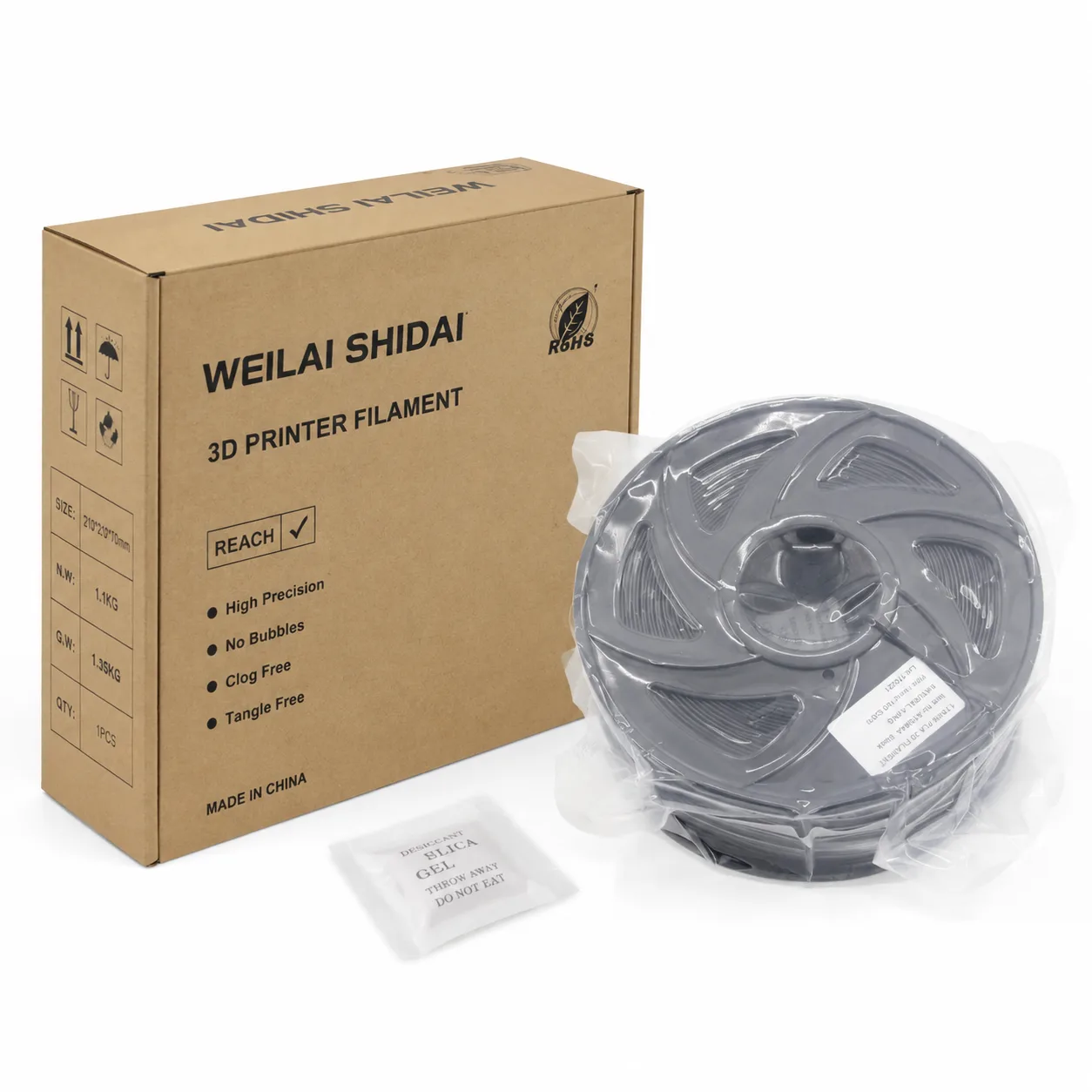
ABS absorbs less moisture than nylon or PETG, but a dry spool always prints better. Keep it in the resealable bag with desiccant, away from sunlight and heat, and store at room temperature.

Documentation & Downloads

Everything we publish for this material, in one place.

Ready to Order

Get factory-direct pricing on ABS Filament 1.75mm High Impact Heat Resistant

Not sure this is the right material? → Compare filaments